Consumer Price Indices for April 2026
The Census and Statistics Department (C&SD) released today (May 21) the Consumer Price Index (CPI) figures for April 2026. According to the Composite CPI, overall consumer prices rose by 1.7% in April 2026 over the same month a year earlier, the same as that in March 2026. Netting out the effects of all Government's one-off relief measures, the year-on-year rate of increase in the Composite CPI (i.e. the underlying inflation rate) in April 2026 was 1.6%, also the same as that in March 2026.
On a seasonally adjusted basis, the average monthly rate of change in the Composite CPI for the 3-month period ending April 2026 was 0.0%, and that for the 3-month period ending March 2026 was 0.2%. Netting out the effects of all Government's one-off relief measures, the corresponding rates of change were both 0.1%.
Analysed by sub-index, the year-on-year rates of increase in the CPI(A), CPI(B) and CPI(C) were 1.6%, 1.8% and 1.7% respectively in April 2026, as compared to 1.6%, 1.8% and 1.8% respectively in March 2026. Netting out the effects of all Government's one-off relief measures, the year-on-year rates of increase in the CPI(A), CPI(B) and CPI(C) were 1.4%, 1.7% and 1.6% respectively in April 2026, as compared to 1.4%, 1.6% and 1.7% respectively in March 2026.
On a seasonally adjusted basis, for the 3-month period ending April 2026, the average monthly rates of change in the CPI(A), CPI(B) and CPI(C) were -0.1%, 0.1% and 0.1% respectively. The corresponding rates of change for the 3-month period ending March 2026 were 0.2%, 0.2% and 0.1% respectively. Netting out the effects of all Government's one-off relief measures, the average monthly rates of change in the seasonally adjusted CPI(A), CPI(B) and CPI(C) for the 3-month period ending April 2026 were 0.1%, 0.2% and 0.1% respectively, and the corresponding rates of change for the 3-month period ending March 2026 were all 0.1%.
Amongst the various components of the Composite CPI, year-on-year increases in prices were recorded in April 2026 for electricity, gas and water (5.5%), miscellaneous services (4.5%), transport (4.3%), miscellaneous goods (2.6%), alcoholic drinks and tobacco (2.3%), housing (1.0%), meals out and takeaway food (0.8%), and basic food (0.5%).
On the other hand, year-on-year decreases in the components of the Composite CPI were recorded in April 2026 for durable goods (-1.9%), and clothing and footwear (-0.3%).
Taking the first 4 months of 2026 together, the Composite CPI rose by 1.6% over the same period a year earlier. The respective increases in the CPI(A), CPI(B) and CPI(C) were 1.5%, 1.6% and 1.6% respectively. The corresponding increases after netting out the effects of all Government's one-off relief measures were 1.4%, 1.2%, 1.5% and 1.5% respectively.
For the 3 months ending April 2026, the Composite CPI rose by 1.8% over the same period a year earlier, while the CPI(A), CPI(B) and CPI(C) rose by 1.6%, 1.8% and 1.8% respectively. The corresponding increases after netting out the effects of all Government's one-off relief measures were 1.6%, 1.3%, 1.7% and 1.7% respectively.
For the 12 months ending April 2026, the Composite CPI on average rose by 1.4% over the same period a year earlier. The respective increases in the CPI(A), CPI(B) and CPI(C) were 1.6%, 1.3% and 1.2% respectively. The corresponding increases after netting out the effects of all Government's one-off relief measures were 1.2%, 1.2%, 1.1% and 1.1% respectively.
Commentary
A Government spokesman said that the underlying Composite CPI rose by 1.6% in April over a year earlier, same as the preceding month. Prices of fuel-related components accelerated further, yet price pressures on other components were in check, thus keeping overall inflation moderate.
Looking ahead, as international oil prices remain elevated, the corresponding feed-through process to fuel-related components in consumer prices should continue in the coming months. The final impacts would hinge on the evolving situation in the Middle East. Yet, price pressures from other fronts are generally contained, which should help rein in the potential upward pressure on overall inflation. The Government will continue to monitor the development closely and will respond further as appropriate to safeguard price stability.
Further information
The CPIs and year-on-year rates of change at section level for April 2026 are shown in Table 1. The time series on the year-on-year rates of change in the CPIs before and after netting out the effects of all Government's one-off relief measures are shown in Table 2. For discerning the latest trend in consumer prices, it is also useful to look at the changes in the seasonally adjusted CPIs. The time series on the average monthly rates of change during the latest 3 months for the seasonally adjusted CPIs are shown in Table 3. The rates of change in the original and the seasonally adjusted Composite CPI and the underlying inflation rate are presented graphically in Chart 1.
More detailed statistics are given in the "Monthly Report on the Consumer Price Index". Users can browse and download this publication at the website of the C&SD (www.censtatd.gov.hk/en/EIndexbySubject.html?pcode=B1060001&scode=270).
Following established practice, C&SD reviews and updates the expenditure weights of the CPIs annually. In this round of annual review, C&SD has incorporated the results of the 2024/25 Household Expenditure Survey to comprehensively update the expenditure weights. Starting from the reference month of April 2026, the updated 2025 expenditure weights have been adopted in the compilation of the CPIs. This update aims to better capture recent changes in household consumption patterns, ensuring that the CPIs can more accurately reflect the inflation experienced by consumers, and fully aligns with international recommendations.
For enquiries about the CPIs, please contact the Consumer Price Index Section of the C&SD (Tel: 3903 7374 or email: cpi@censtatd.gov.hk).
Source: AI-found images
FEHD releases fourth batch of gravidtrap indexes for Aedes albopictus in May
The Food and Environmental Hygiene Department (FEHD) today (May 21) released the fourth batch of gravidtrap indexes and density indexes for Aedes albopictus in May, covering 12 survey areas, as follows:
District |
Survey Area |
May 2026 |
First Phase Gravidtrap Index |
First Phase Density Index |
Eastern |
Shau Kei Wan and Sai Wan Ho |
9.1% |
1.4 |
Islands |
Tung Chung |
2.0% |
1.0 |
Kowloon City |
Hung Hom and To Kwa Wan |
6.7% |
1.5 |
Tai Po |
Tai Po East |
2.2% |
2.0 |
Tai Po West |
15.5% |
1.0 |
Tuen Mun |
Tuen Mun South |
9.1% |
1.4 |
District |
Survey Area |
May 2026 |
Area Gravidtrap Index |
Area Density Index |
Central and Western |
Kennedy Town and Shek Tong Tsui |
16.8% |
1.3 |
Eastern |
Chai Wan |
15.4% |
1.0 |
North Point and Quarry Bay |
18.9% |
1.4 |
Southern |
Aberdeen and Ap Lei Chau |
20.8% |
1.7 |
Sha Tin |
Sha Tin Town Centre and Fo Tan |
18.3% |
1.4 |
Tsuen Wan |
Tsuen Wan Town |
6.9% |
2.3 |
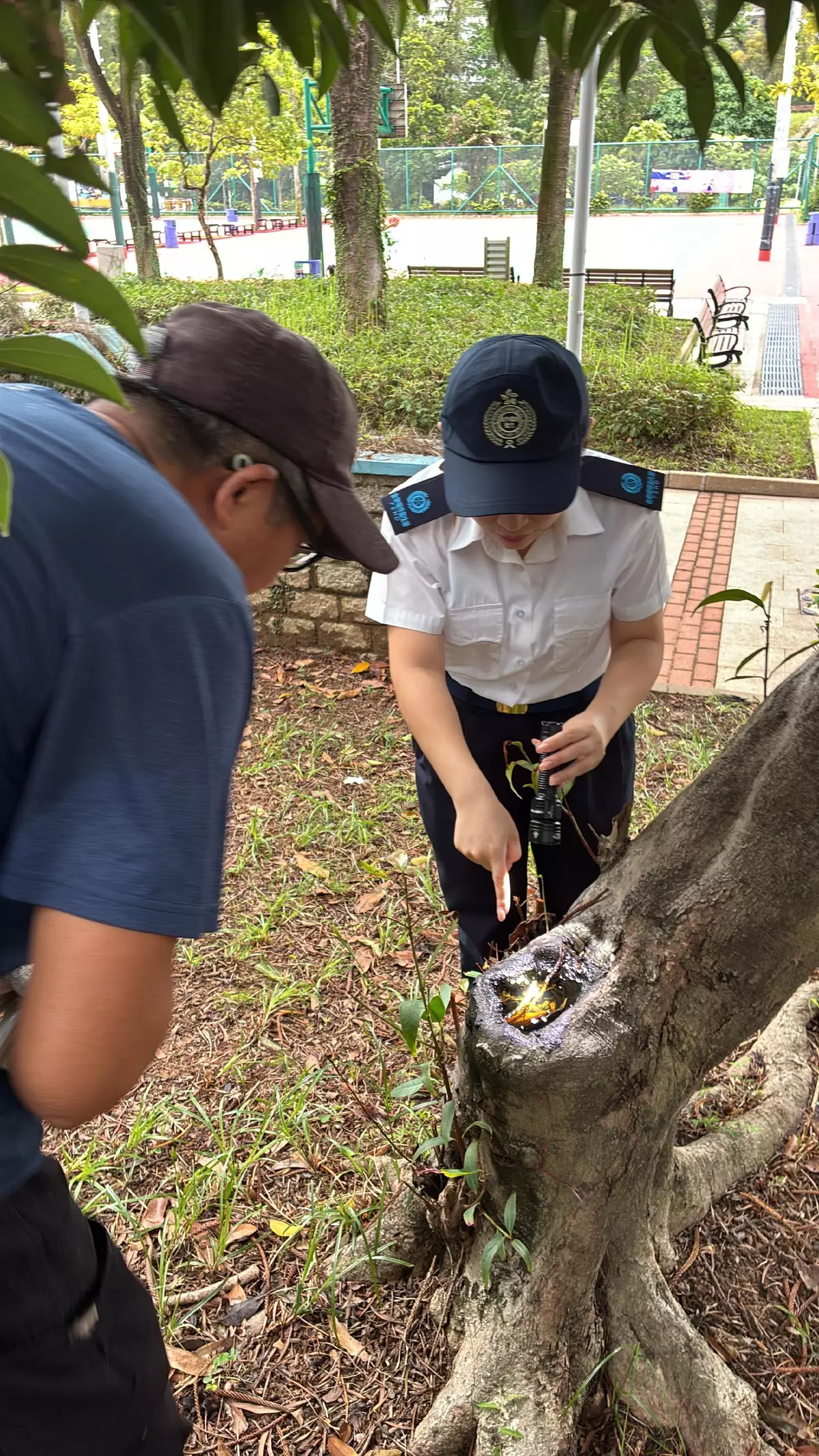
The fourth batch of gravidtrap indexes for Aedes albopictus in May includes First Phase Gravidtrap Indexes covering six survey areas and Area Gravidtrap Indexes covering six survey areas. Among which, six survey areas recorded gravidtrap indexes above 10 per cent, while Aberdeen and Ap Lei Chau in Southern District recorded a gravidtrap index above 20 per cent. Meanwhile, the gravidtrap indexes of six survey areas, namely Kennedy Town and Shek Tong Tsui in Central and Western District; North Point and Quarry Bay in Eastern District; Shau Kei Wan and Sai Wan Ho in Eastern District; Aberdeen and Ap Lei Chau in Southern District; Tai Po East in Tai Po District; and Tuen Mun South in Tuen Mun District, have recorded a decrease as compared to the indexes recorded in the last survey period, reflecting the progress of relevant mosquito control work.
With reference to the data from the past few years, the gravidtrap indexes start to rise from April or May every year. The actual timing and extent of the rise are affected by factors like weather conditions and rainfall. The average temperature and rainfall recorded in April this year were higher than those in the same period last year, creating favourable conditions for mosquito growth and breeding. As a result, the rise in gravidtrap indexes occurred earlier this year. With the increase in rainfall in May, the gravidtrap indexes are expected to rise further.
For survey areas which recorded indexes exceeding 10 per cent, in accordance with the mechanism implemented by the FEHD in response to the chikungunya fever (CF) situation (i.e. strengthening mosquito control work in areas with a gravidtrap index between 10 per cent and 20 per cent, instead of 20 per cent or above under the original mechanism), the FEHD is collaborating with relevant departments and stakeholders to identify locations with high mosquito infestations and carry out intensive and targeted mosquito control measures. The FEHD has initiated two prosecutions against the relevant construction site contractors following the discovery of mosquito breeding at construction sites in Tai Po District and Southern District. Moreover, following the discovery of stagnant water or stagnant water containers in a park, a construction site, a private housing estate, a clinic and a private premises in Tai Po District, Central and Western District, as well as Southern District, the FEHD has issued five statutory notices to the responsible persons-in-charge, requiring the clearance of such items within a specified timeframe. The FEHD, the relevant departments and stakeholders are following up on the mosquito control work, and will also organise exhibitions, distribute leaflets and posters, and notify residential estates that have subscribed to the gravidtrap Rapid Alert System, advising property management agents and residents to stay vigilant and work together in taking mosquito prevention and elimination measures. In addition, the FEHD will strengthen the monitoring of the gravidtrap index in the areas to review the effectiveness of the mosquito control work.
Public participation is crucial to the effective control of mosquito problems. The FEHD appeals to members of the public to continue to work together in strengthening personal mosquito control measures, including:
tidy up their premises and check for any accumulation of water inside the premises;
remove all unnecessary water collections and eliminate the sources;
check household items (those placed in outdoor and open areas in particular), such as refuse containers, vases, air conditioner drip trays, and laundry racks to prevent stagnant water;
change water in flower vases and scrub their inner surfaces thoroughly, and remove water in saucers under potted plants at least once a week;
properly cover all containers that hold water to prevent mosquitoes from accessing the water;
properly dispose of articles that can contain water, such as disposable meal boxes and empty cans; and
scrub drains and surface sewers with alkaline detergent at least once a week to remove any mosquito eggs.
Starting in August 2025, following the completion of the surveillance of individual survey areas, and once the latest gravidtrap index and the density index are available, the FEHD has been disseminating relevant information through press releases, its website and social media. It aims to allow members of the public to quickly grasp the mosquito infestation situation and strengthen mosquito control efforts, thereby reducing the risk of CF transmission.
Following recommendations from the World Health Organization and taking into account the local situation in Hong Kong, the FEHD sets up gravidtraps in districts where mosquito-borne diseases have been recorded in the past, as well as in densely populated places such as housing estates, hospitals and schools to monitor the breeding and distribution of Aedes albopictus mosquitoes, which can transmit CF and dengue fever. At present, the FEHD has set up gravidtraps in 62 survey areas of the community, with a surveillance period of two weeks. During the surveillance period, the FEHD will collect the gravidtraps once a week. After the first week of surveillance, the FEHD will immediately examine the glue boards inside the retrieved gravidtraps for the presence of adult Aedine mosquitoes to compile the Gravidtrap Index (First Phase) and Density Index (First Phase). At the end of the second week of surveillance, the FEHD will instantly check the glue boards for the presence of adult Aedine mosquitoes. Data from the two weeks of surveillance will be combined to obtain the Area Gravidtrap Index and the Area Density Index. The gravidtrap and density indexes for Aedes albopictus in different survey areas, as well as information on mosquito prevention and control measures, are available on the department's webpage (www.fehd.gov.hk/english/pestcontrol/dengue_fever/Dengue_Fever_Gravidtrap_Index_Update.html#).
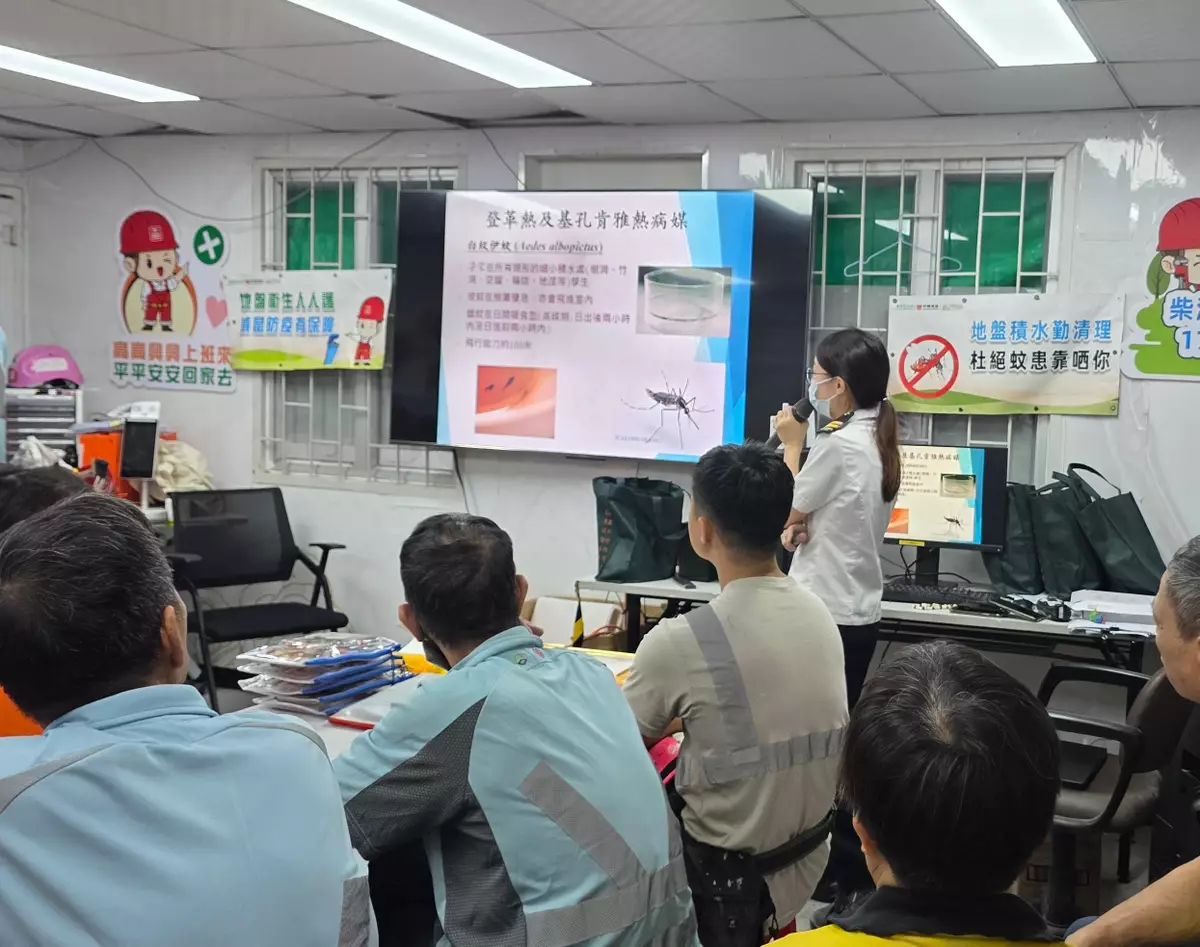
FEHD releases fourth batch of gravidtrap indexes for Aedes albopictus in May Source: HKSAR Government Press Releases
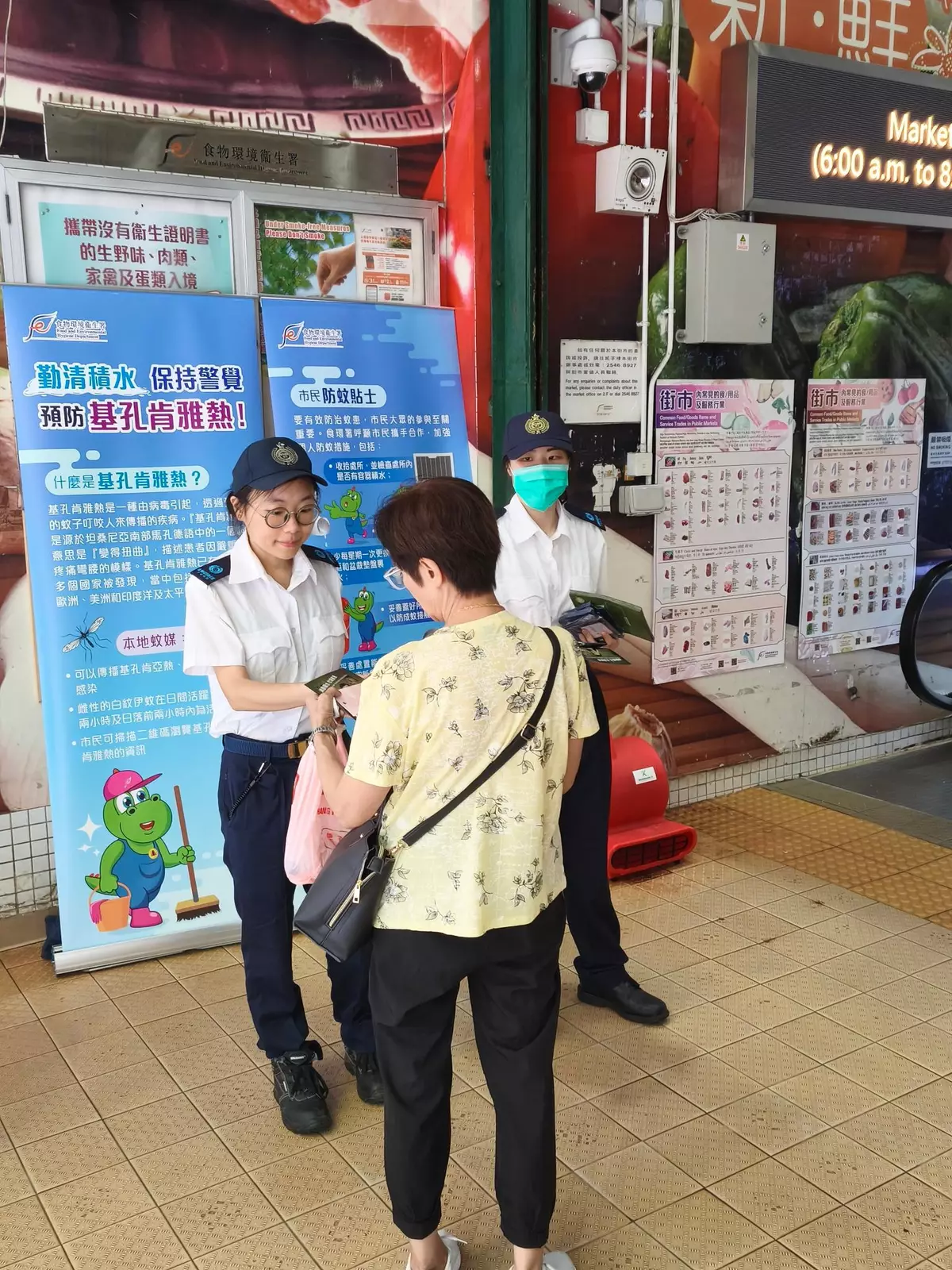
FEHD releases fourth batch of gravidtrap indexes for Aedes albopictus in May Source: HKSAR Government Press Releases
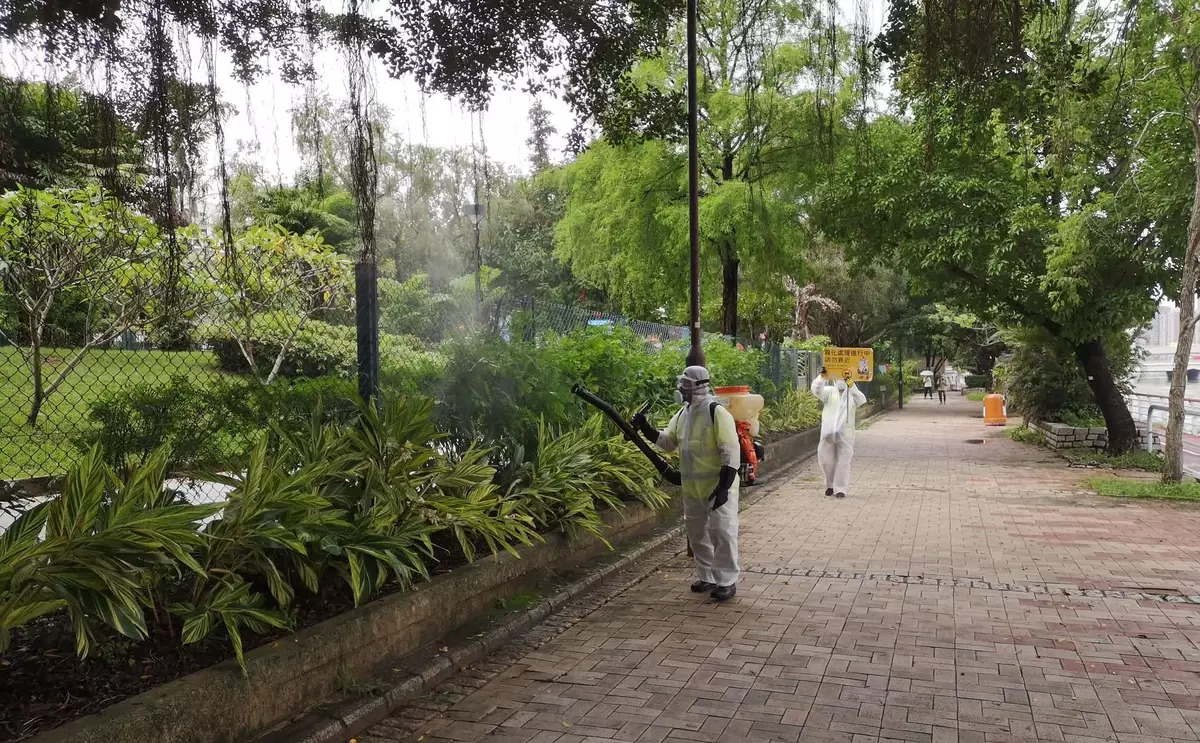
FEHD releases fourth batch of gravidtrap indexes for Aedes albopictus in May Source: HKSAR Government Press Releases
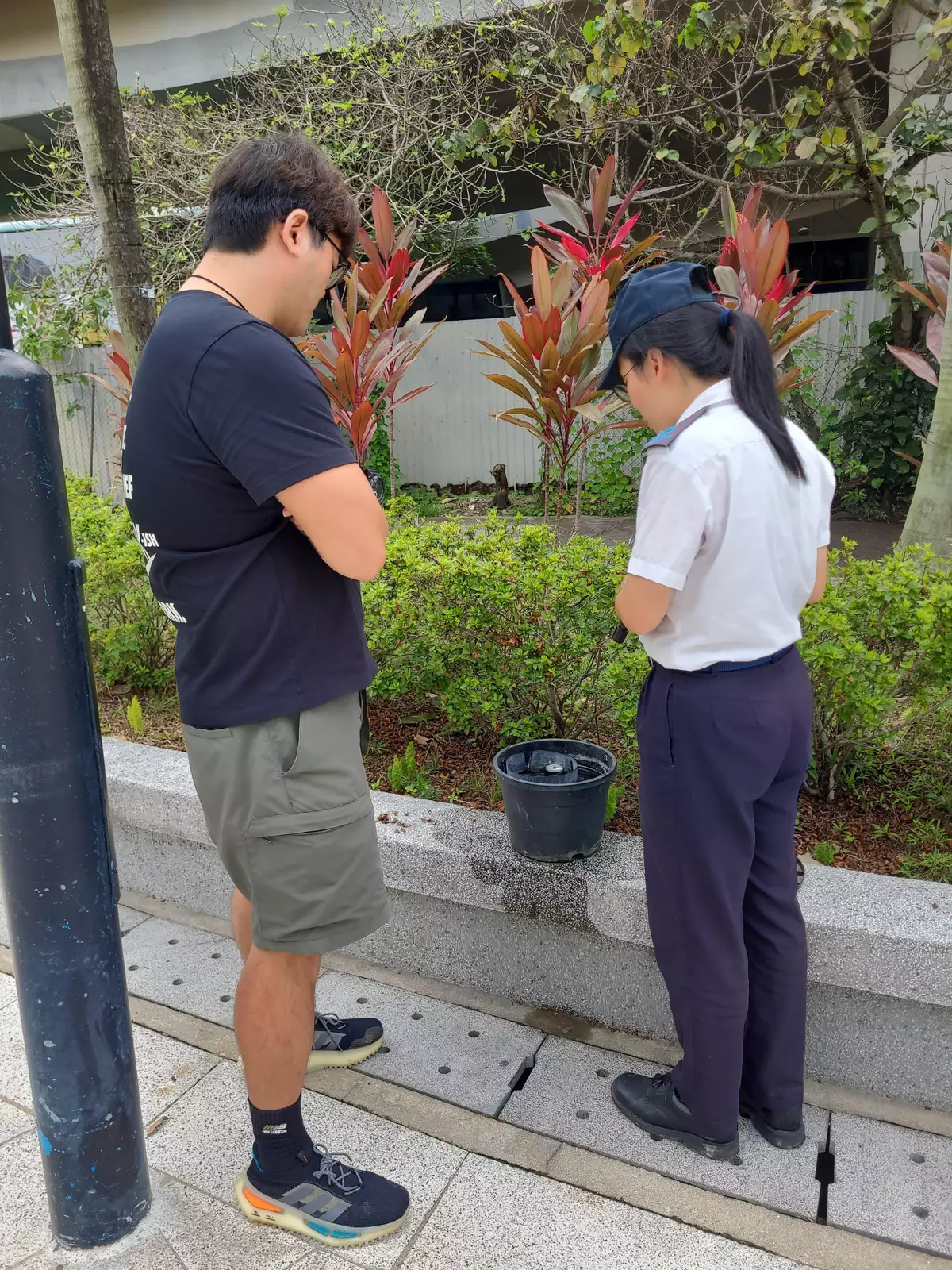
FEHD releases fourth batch of gravidtrap indexes for Aedes albopictus in May Source: HKSAR Government Press Releases
FEHD releases fourth batch of gravidtrap indexes for Aedes albopictus in May Source: HKSAR Government Press Releases