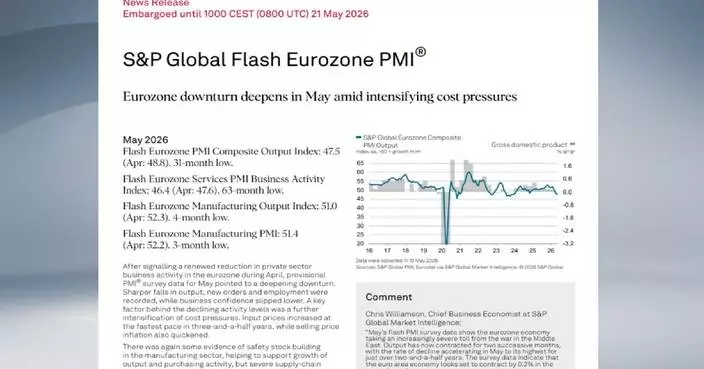
The European Commission on Thursday cut its 2026 growth forecast for the European Union (EU), warning that the Middle East conflict has brought the 27-member bloc a stagflationary shock that policymakers may lack the tools to counter.
In its Spring 2026 Economic Forecast, the Commission said the EU economy is now expected to grow by just 1.1 percent this year, down 0.3 percentage points from its autumn forecast last year. Growth outlook for the eurozone, made up of the 21 countries in the EU that use the euro as their currency, was revised down further to 0.9 percent.
Growth is expected to rebound to 1.4 percent and 1.2 percent in the bloc and in the eurozone in 2027, respectively, according to the report.
Inflation in the EU is expected to hit 3.1 percent in 2026 -- a full percentage point higher than previously forecast and well above the European Central Bank's (ECB's) target -- and is expected to fall back to 2.4 percent in 2027, the report noted.
The revision came as the sustained closure of the Strait of Hormuz has pushed oil prices above 100 U.S. dollars per barrel and disrupted supply chains.
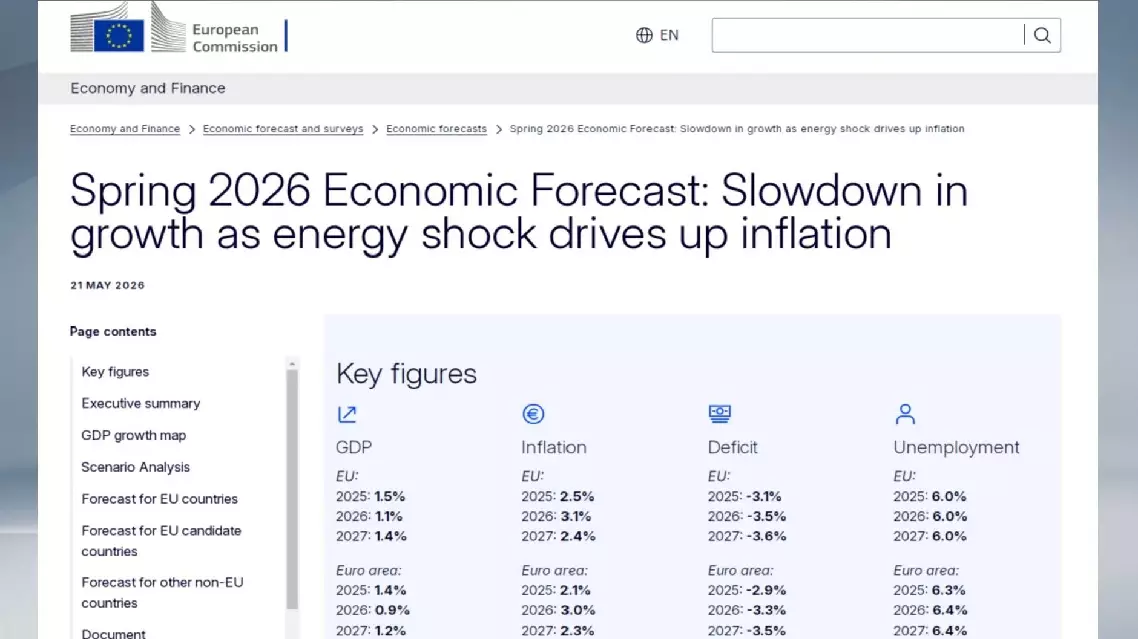
EU cuts 2026 growth forecast as energy shock fuels inflation
Cultural exchanges are playing a key role in strengthening relations between China and Russia, from joint art exhibitions to restaurants offering Chinese diners with authentic Russian cuisine all helping to grow neighborly bonds.
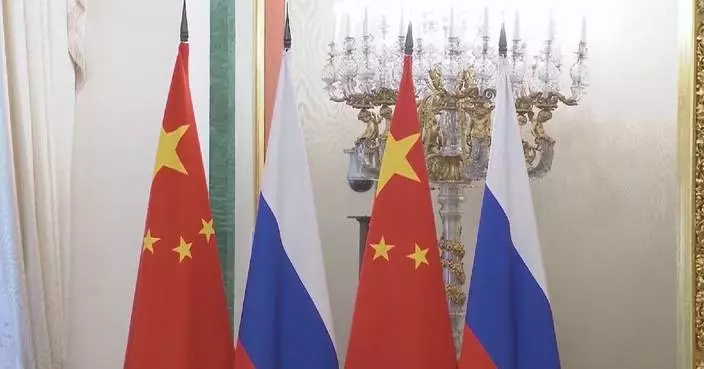
Ties between the two sides have been in the spotlight this week as Russian President Vladimir Putin wrapped up a two-day state visit to China on Wednesday, while this year also marks the 25th anniversary of the signing of the China-Russia Treaty of Good-Neighborliness and Friendly Cooperation.
At an art space in downtown Shanghai, paintings from a Russian artist based in Nantong City of east China's Jiangsu Province are on show.
An Yike, director of the ANYUE Space, said the exhibition has been a great success, providing Chinese art enthusiasts with the opportunity to appreciate the creative works of Russian artists.
"The theme of our exhibition is 'A Journey from West to East'. Paintings here reflect the artist's observation of the world, showcasing the landscapes and regional impressions he has encountered. And through such cultural exchange between China and the West, I believe that Western artists can learn from the more profound, restrained, and delicate techniques found in Chinese art. At the same time, as Chinese artists, we can embrace the expressive and emotional openness seen in Western art. The different painting techniques of China and the West can merge together. Take this exhibition as example, you can see the Russian painter, his art incorporates many elements of Chinese painting. His work feels deeply rooted in the Chinese tradition, yet it comes from the brush of a Russian artist. This is the beauty of cultural exchange, art becomes more diverse, carries richer inner emotion, and fosters cross-border communication," said An.
Meanwhile, the universal language of food is also bringing the two cultures closer together.
A home-style Russian restaurant in Shanghai is serving up a host of delicious dishes which are delighting diners. The establishment's owner said food has the power to break down barriers and create connections between people.
"I really like Shanghai. And I always have a passion for cooking. So I thought that I can maybe start doing something towards in that direction here in Shanghai. We have big flow of like not only Russian speaking community, but also like, French, Italians, a lot of people were interested, but also like maybe Russian speaking friends were bringing their foreign friends to our parties to introduce Russian food. And also a lot of Chinese people as well. We can introduce our culture through food, which is not just eating. It's about the environment, it's about the drinking habits, the party habits. So I think it's great cultural exchange," said Evgeniya Boyar, owner of the 'Borsh and Kompot' eatery.
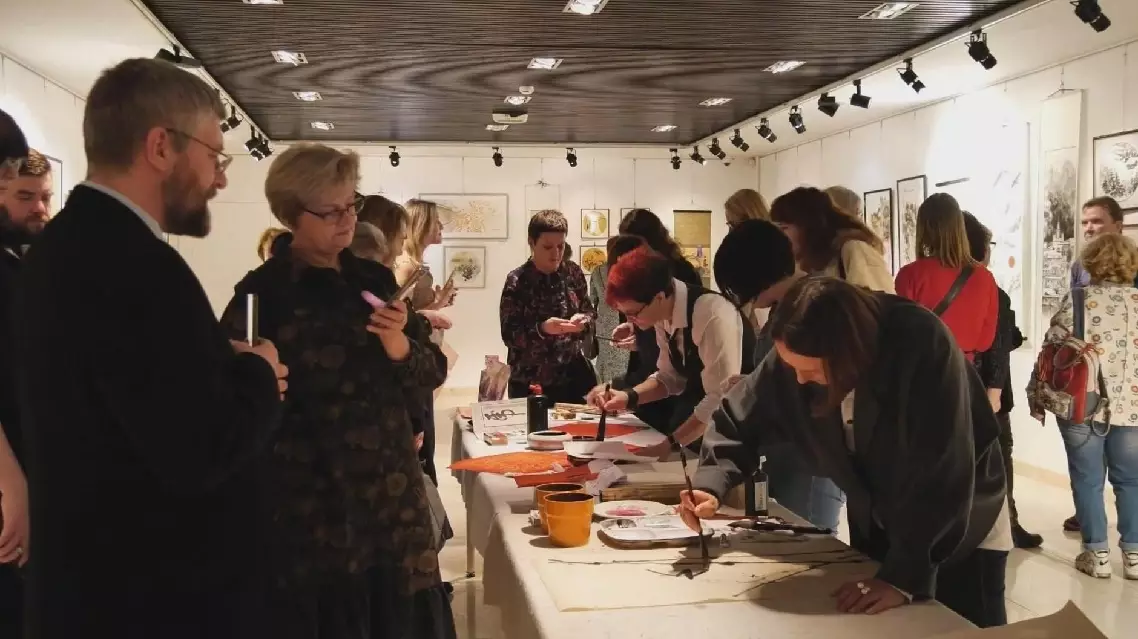
Food, art plays part as cultural exchanges forge stronger bonds between China, Russia