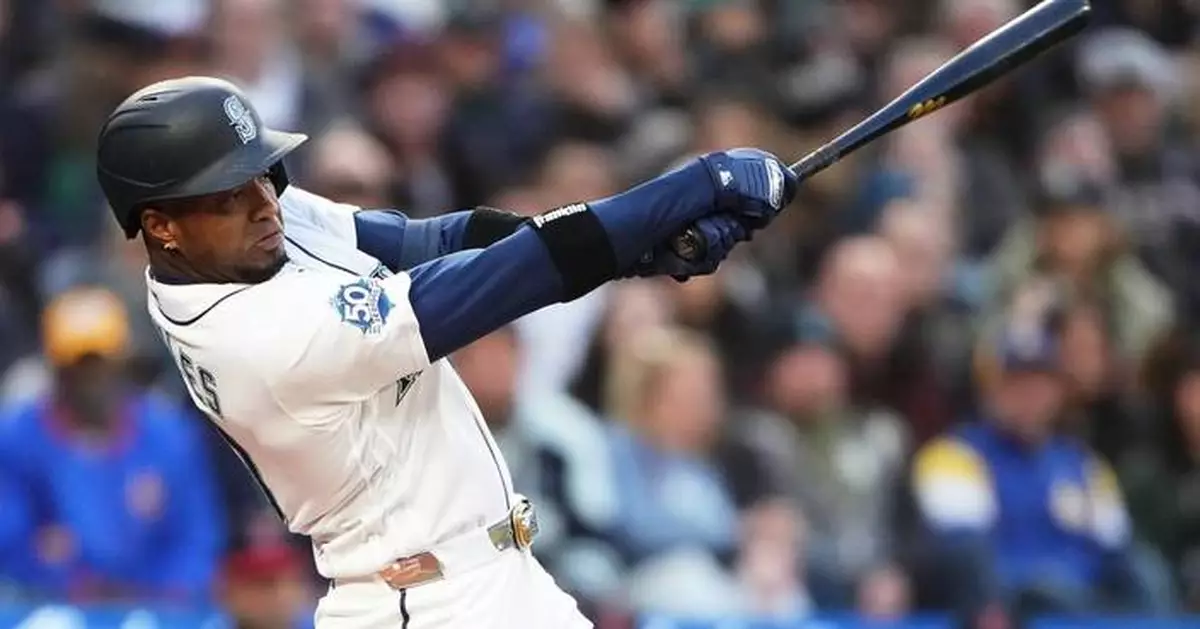
KANSAS CITY, Mo. (AP) — The Seattle Mariners reinstated outfielder Victor Robles from the 10-day injured list on Friday and optioned utilityman Connor Joe to Triple-A Tacoma.
Robles, 29, landed on the 10-day IL on April 8 with a right pec strain after only five games with the Mariners. This season with Seattle, Robles is hitting .231 with one double, one RBI and a stolen base.
The Dominican native missed 119 games in the 2025 season after he dislocated his left shoulder while making a leaping catch during a 5-4 loss at San Francisco in April. Last year, Robles hit .245 with one home run, four doubles and nine RBIs in 32 games.
Joe, who has appeared in parts of seven major league seasons, hit .182 with two runs, two doubles, one home run, three RBIs, two stolen bases and six walks in 18 games with Seattle.
AP MLB: https://apnews.com/hub/mlb
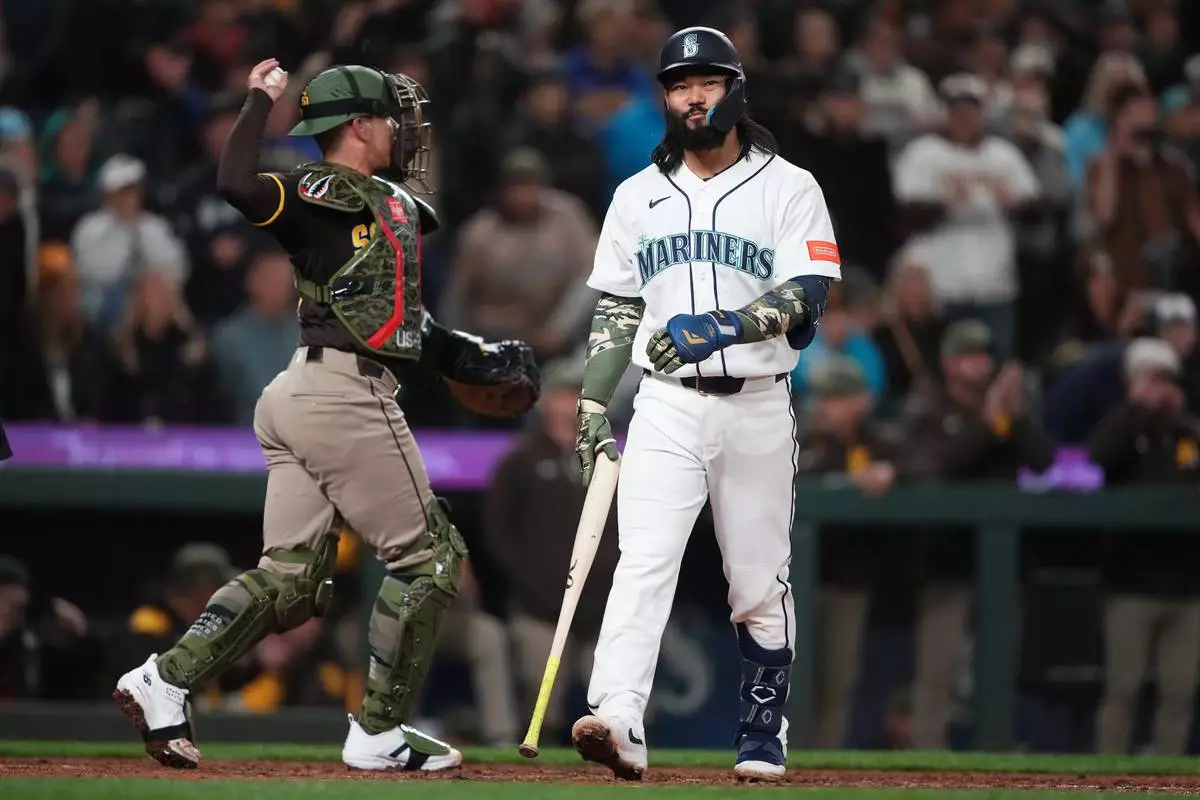
Seattle Mariners' Connor Joe reacts to striking out with runners on base as San Diego Padres catcher Freddy Fermin throws the ball back during the eighth inning of a baseball game, Friday, May 15, 2026, in Seattle. (AP Photo/Lindsey Wasson)
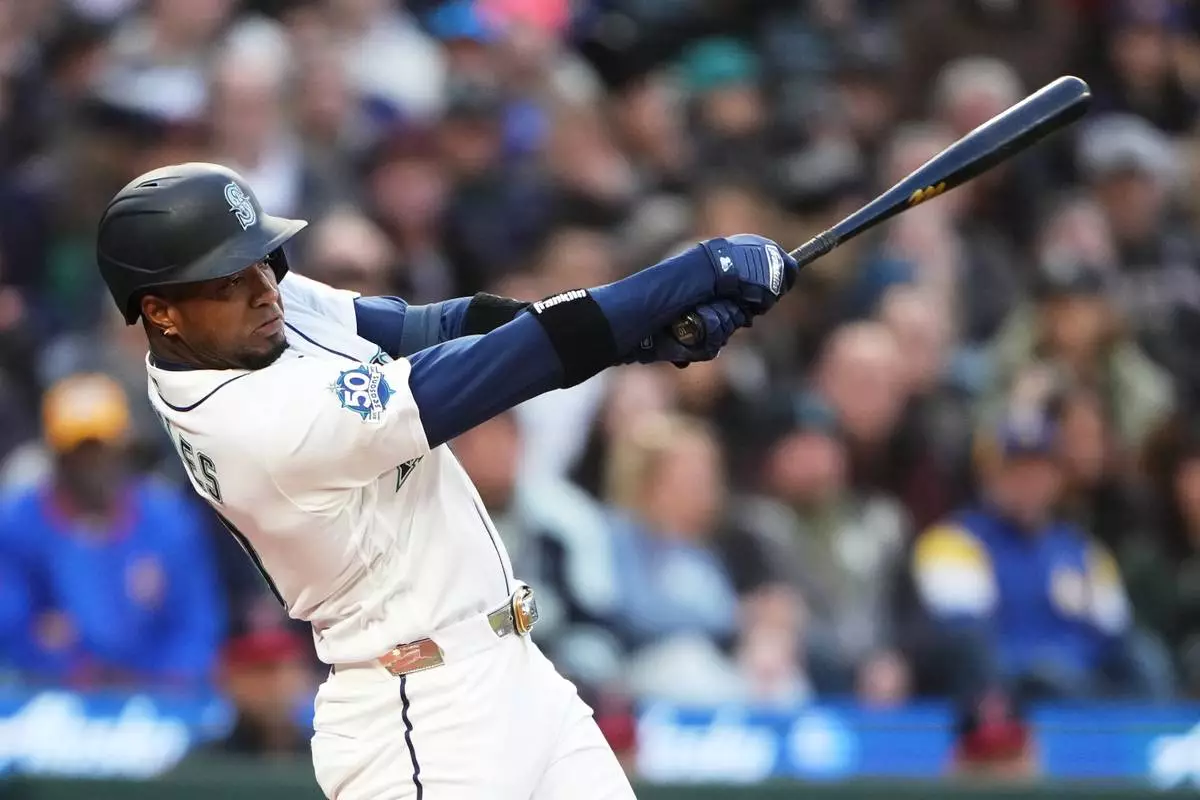
FILE - Seattle Mariners' Victor Robles hits an RBI double against the Cleveland Guardians during the second inning of a baseball game, March 28, 2026, in Seattle. (AP Photo/Lindsey Wasson, File)
BUENOS AIRES, Argentina (AP) — An Argentine who spent 448 days imprisoned in Venezuela called Friday for the international community to increase pressure on the government of interim Venezuelan President Delcy Rodríguez to release other prisoners.
The 35-year-old Nahuel Gallo was released March 1 after being detained on espionage accusations brought by the government of now-ousted President Nicolás Maduro.
“I think we’re still imprisoned until our fellow inmates are freed,” Gallo told The Associated Press.
During nearly 15 months in detention, Gallo said he endured beatings, limited medical care and constant psychological pressure inside Rodeo I.
As acting president since Maduro’s capture by U.S. forces in January, Rodríguez has promised democratic reforms and the Venezuelan government has previously denied reports of abuses in prisons. Critics, however, say hundreds remain jailed for political reasons.
For Gallo, those detentions show Venezuela’s repressive system remains intact.
On Thursday, Gallo met in Buenos Aires with U.S. Ambassador to Argentina Peter Lamelas, who said in a statement that “the Maduro regime in Venezuela used the arbitrary detention of foreign citizens as a tool of political repression.”
This week, National Assembly President Jorge Rodríguez — the interim president’s brother — announced plans to release 300 detainees, some of which rights groups consider politically based.
Gallo was arrested Dec. 8, 2024, while attempting to enter Venezuela to visit his Venezuelan partner, María Alexandra Gómez García, and their son, who was then less than 2 years old.
At an immigration checkpoint, Venezuelan authorities searched his phone and found WhatsApp conversations with his partner about Venezuela’s political and economic situation.
“You’re criticizing my president,” Gallo recalled officers telling him.
He was then transferred to the General Directorate of Military Counterintelligence, where he said he was handcuffed, beaten and kicked during interrogations.
Afterward, he was forced into a truck, where agents continued interrogating him after finding contacts linked to Argentine judicial agencies on his cellphone.
“You are a spy. You work for the government,” he recalled them saying while threatening to throw him from the vehicle, pressing a gun against his head and pointing a Taser at him.
Nearly three weeks after his arrest, then-Venezuelan Attorney General Tarek William Saab accused Gallo of participating in “terrorist actions” against Venezuela.
During the nearly 15 months he spent at Rodeo I, Gallo said he had no contact with Argentine officials and no information about whether negotiations for his release were underway.
Gallo described harsh conditions inside the prison. Medical care was limited. Detainees had only a few minutes each day to bathe, wash clothes and use the bathroom. Inmates were frequently sprayed with pepper spray.
As a foreigner, he was not allowed to receive visits. The first time he spoke with his wife came after a year in detention and only after he launched a hunger strike.
The memories that still haunt him are of guards beating prisoners in nearby cells.
“I think the greatest torture is seeing something being done to someone else and not being able to do anything,” Gallo said.
He now uses social media to denounce conditions in Venezuelan prisons and advocate for those still detained.
“The person who’s still inside is waiting for the one who got out to do something,” he said.
Gallo still remembers what fellow inmates told him as he left Rodeo I: “Gallo, don't forget about us.”
Follow AP’s Latin America coverage at https://apnews.com/hub/latin-america
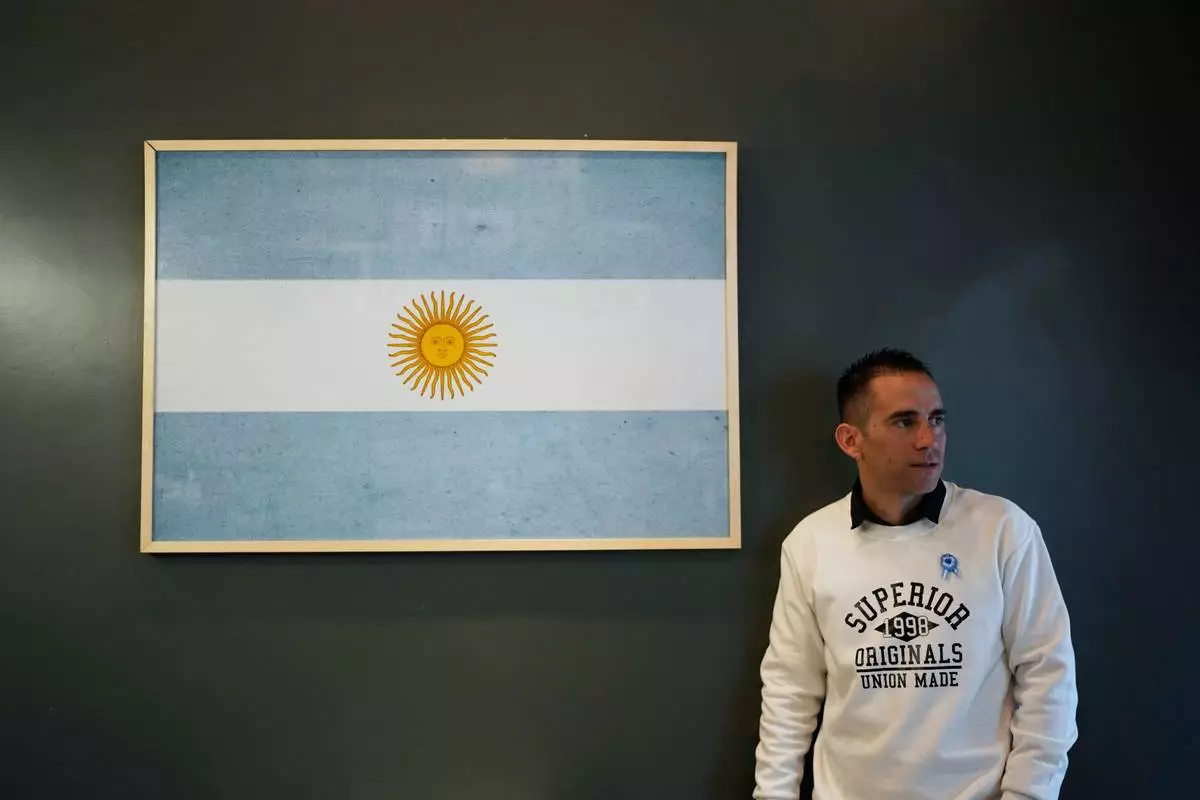
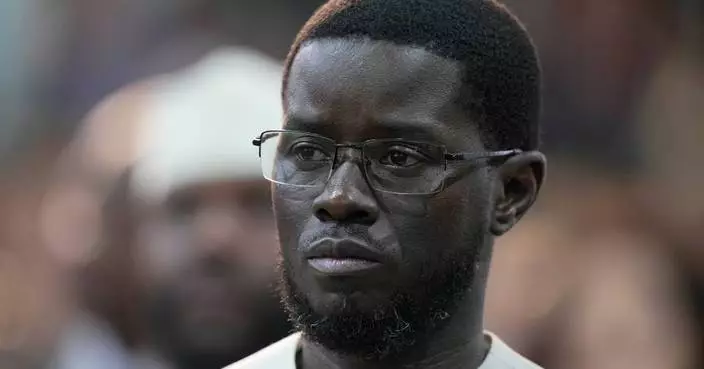
Argentine gendarmerie officer Nahuel Gallo, who was released after 15 months in detention in Venezuela, poses for a photo in Buenos Aires, Argentina, Friday, May 22, 2026. (AP Photo/Natacha Pisarenko)
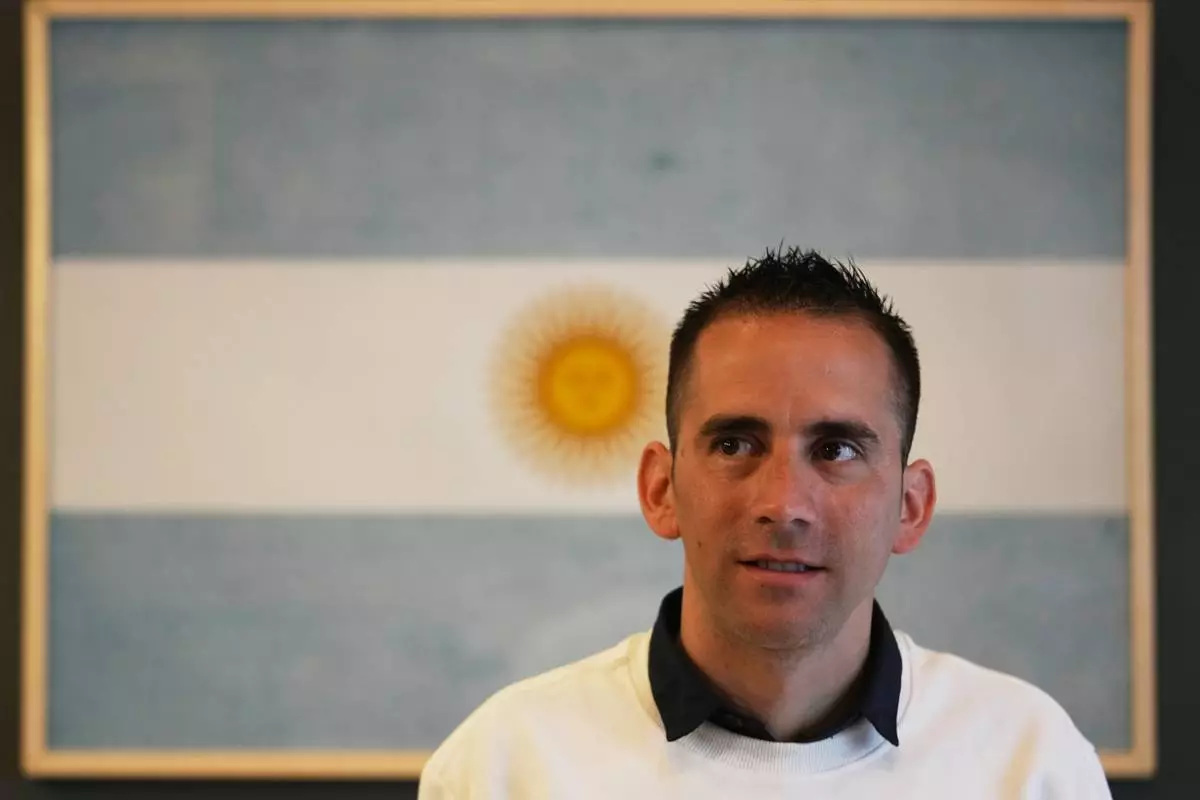
Argentine gendarmerie officer Nahuel Gallo, who was released after 15 months in detention in Venezuela, poses for a photo in Buenos Aires, Argentina, Friday, May 22, 2026. (AP Photo/Natacha Pisarenko)