KAMPALA, Uganda (AP) — Boon-dee-BOO-joh.
Before it became the somewhat easy-to-mispronounce name of a rare type of Ebola virus, Bundibugyo is a mountainous district in western Uganda that even some locals would struggle to pinpoint on a map.
Click to Gallery
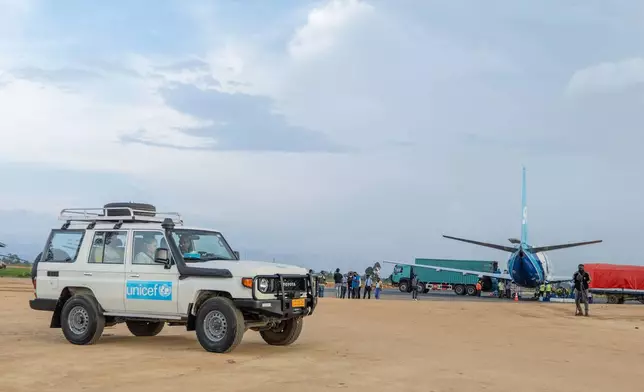
People wait in a UNICEF vehicle at Bunia National Airport ahead of the arrival of supplies as part of the response to the Ebola outbreak in Bunia, Congo, Tuesday, May 19, 2026. (AP Photo/Moses Sawasawa)
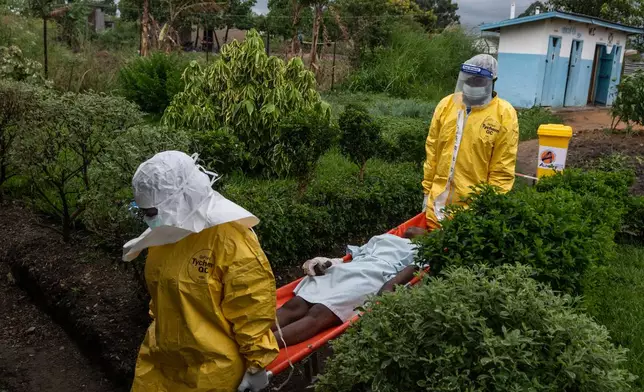
Medical staff carry an Ebola patient to a treatment center in Rwampara, Congo, Thursday, May 21, 2026. (AP Photo/Moses Sawasawa)
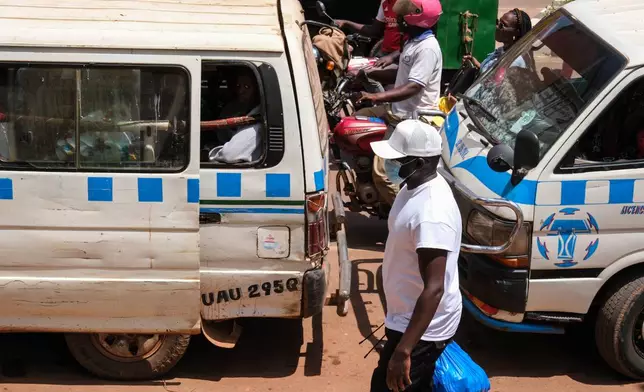
A man wearing a protective mask walks along a busy street in Kampala, Uganda, Tuesday, May 19, 2026. (AP Photo/Hajarah Nalwadda)
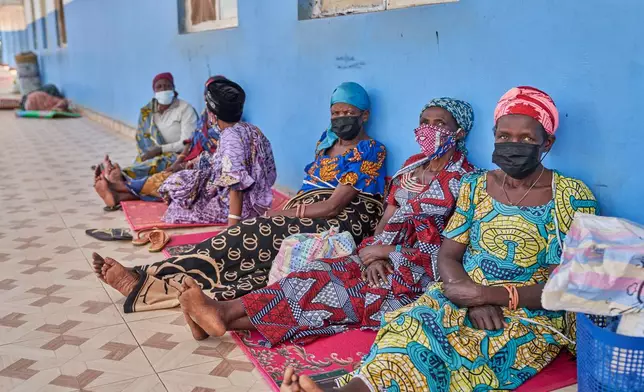
People in protective masks wait in the corridor of a hospital in Bunia, Congo, Tuesday, May 19, 2026. (AP Photo/Dirole Lotsima Dieudonne)
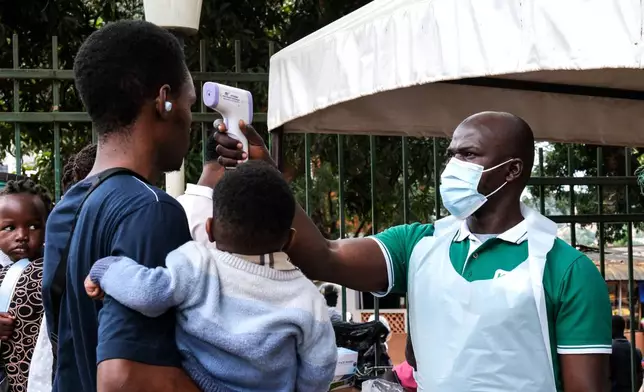
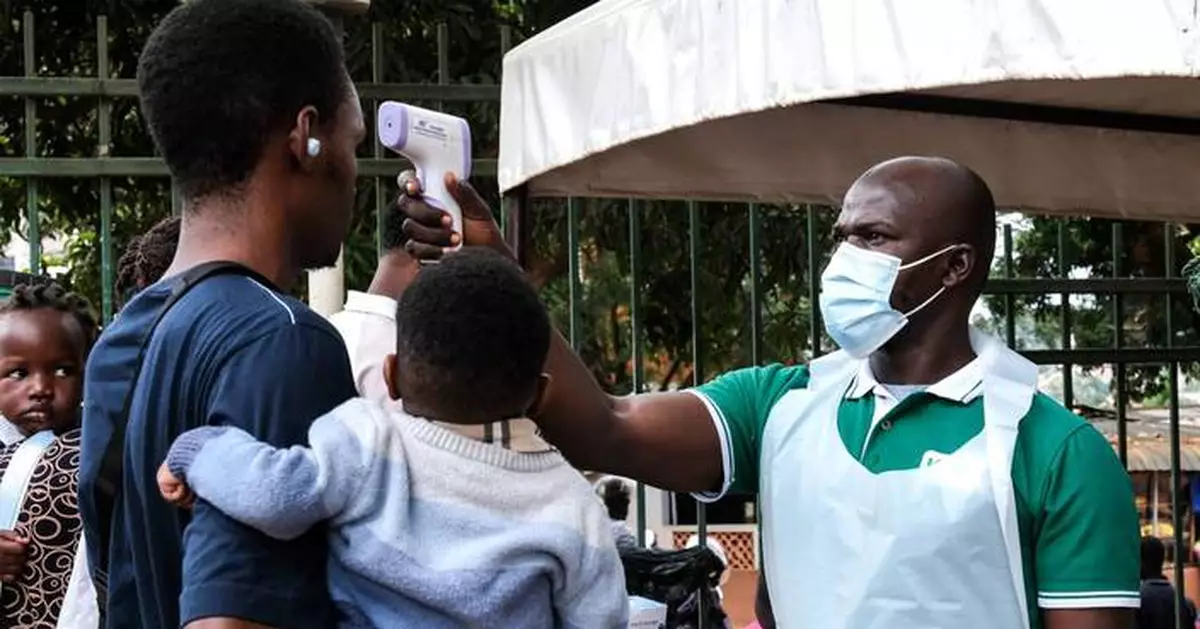
A health official uses a thermometer to screen people in front of Kibuli Muslim Hospital in Kampala, Uganda, Saturday, May 16, 2026. (AP Photo/ Hajarah Nalwadda)
It's home to roughly 200,000 people. Many are cocoa farmers who search for whatever cultivable land they can find in the impossibly steep landscape of hills and valleys marking Uganda’s border with Congo. As an example of the classic village idyll, Bundibugyo is a beautiful place.
Yet it now trends for an unpleasant reason, making some Ugandans rue Bundibugyo's association with the current Ebola outbreak, which has infected hundreds of people in eastern Congo. There are 160 suspected Ebola deaths in two provinces.
The Ugandan district's connection to the Bundibugyo virus stems from an Ebola outbreak there nearly two decades ago that was flagged as a new species of Ebola, a viral disease that usually manifests as hemorrhagic fever.
The outbreak wasn't the Sudan virus, named for the area in present-day South Sudan where that type was first identified. It also wasn't the type known as Zaire, as present-day Congo was known when Ebola — itself the name of a Congolese river — was first discovered in 1976.
So the November 2007 outbreak in a remote part of western Uganda came to be known as Bundibugyo, one that scientists even now haven't studied as much. That is why Ebola specialists say it is particularly dangerous. Moreover, it was spreading in Congolese villages before health authorities there identified it as the cause of sickness in a growing number of people.
The 2007 outbreak in Bundibugyo killed at least 37 people but had been contained by the end of the year. A second outbreak of the Bundibugyo virus, also relatively small, came in 2012 in Congo's northeast.
Initial cases in those outbreaks were identified early, allowing for a quick public health response, according to Dr. Tom Ksiazek, a University of Texas Medical Branch virologist who directed the group within the U.S. Centers for Disease Control and Prevention that first identified the Bundibugyo virus.
This time, while there is no Ebola in Bundibugyo, a lingering connection to the picturesque Ugandan district is hurtful, said Ugandan government spokesman Alan Kasujja, who has urged global health authorities to clarify that Uganda isn't the epicenter of the latest outbreak.
“Bundibugyo is too beautiful to be the name of a disease,” he said on X. “We need to take back its name from this madness.”
The World Health Organization is responsible for the taxonomic descriptions. As was seen with the global mpox outbreak — the disease's name was changed in 2022 from monkeypox — the United Nations agency is sensitive to the use of descriptors or tags that may expose whole communities to stigmatization.
With Ebola, however, the trend has been to name viruses for the places where they were first identified.
Ugandan health authorities have experience dealing with Ebola, one reason they are adamant there is “no Ebola” in this East African country and want WHO to be more specific in its updates on the toll of the outbreak now deemed to be of global concern.
Uganda has reported only two cases, both Congolese nationals who traveled to Uganda before Congo declared an outbreak on May 15. One of them, a 59-year-old man, was admitted to a hospital in Kampala, the Ugandan capital, on May 11 and died three days later.
The second person, a woman about whom local authorities have said little, is being treated at a different Kampala hospital.
This outbreak is on “the Congo side” mainly, Ugandan President Yoweri Museveni said Thursday, urging local tourism authorities to fight the perception that Ebola is spreading in Uganda.
Museveni urged Ugandans to “stop shaking hands” as part of measures to avoid infection. He also ordered the postponement of an annual religious event that attracts thousands of pilgrims, from Congo and elsewhere, who converge around a Catholic basilica just outside Kampala by June 3.
Other measures announced Thursday include the suspension of all public transportation and flights between Congo and Uganda.
The risk stemming from cross-border commerce is high, said Dr. Emmanuel Batiibwe, who led efforts to stop an Ebola outbreak in 2022 that killed at least 55 people.
Stopping the current outbreak from spreading into Uganda will require “enhanced surveillance at all points of entry,” he said.
Uganda has had multiple Ebola outbreaks, including one in 2000 that killed more than 200 people. There was an outbreak in Kampala last year.
All available vaccines and treatments for Ebola don’t work for Bundibugyo patients. Tracing contacts and isolating them is seen as especially key to stopping the spread of this virus, in addition to getting healthcare workers proper protective equipment.
A family of fruit bats is believed to be the natural hosts of the viruses that cause Ebola, according to WHO. Ebola is spread by contact with the bodily fluids of an infected person or contaminated materials.
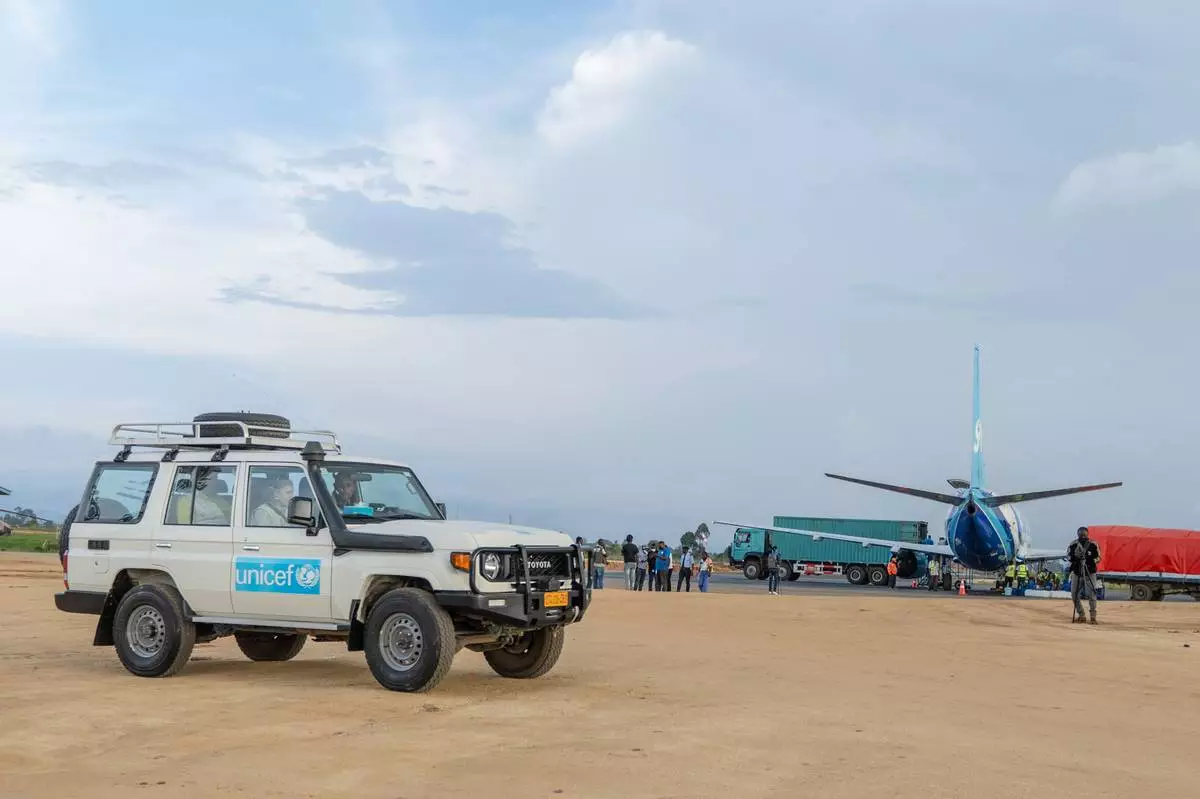
People wait in a UNICEF vehicle at Bunia National Airport ahead of the arrival of supplies as part of the response to the Ebola outbreak in Bunia, Congo, Tuesday, May 19, 2026. (AP Photo/Moses Sawasawa)
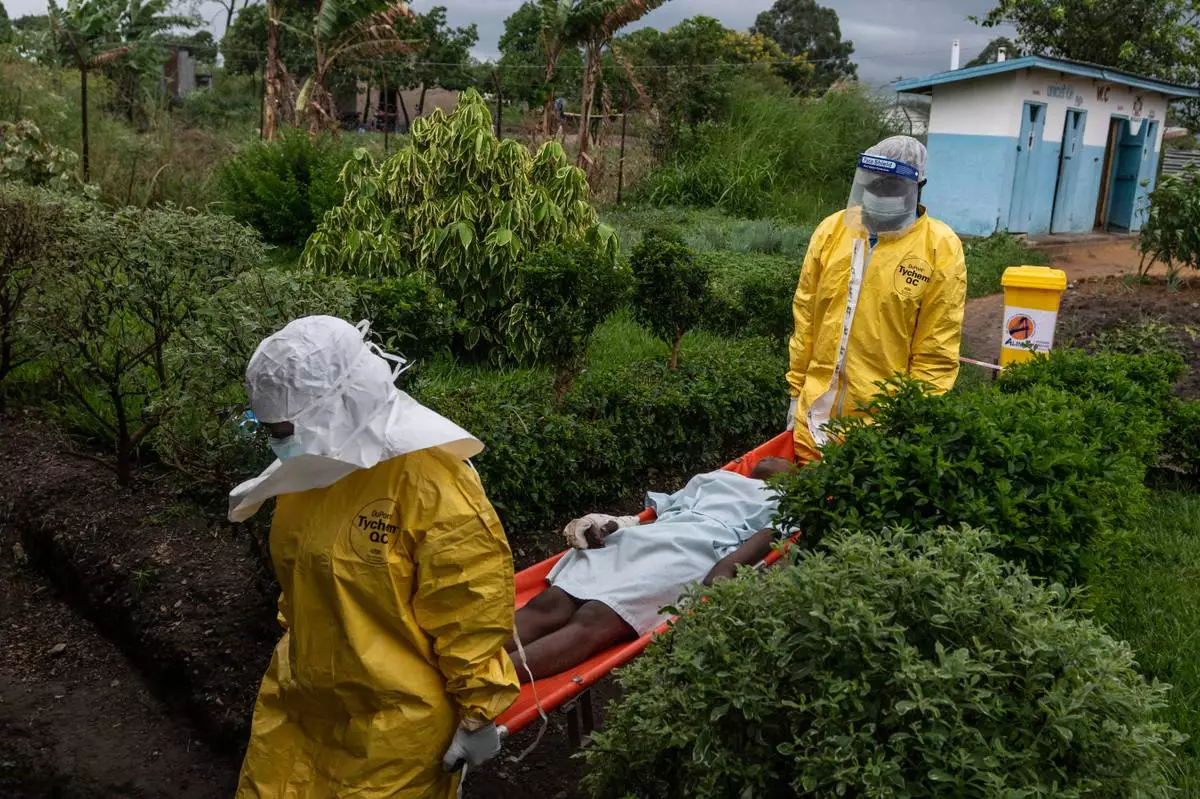
Medical staff carry an Ebola patient to a treatment center in Rwampara, Congo, Thursday, May 21, 2026. (AP Photo/Moses Sawasawa)
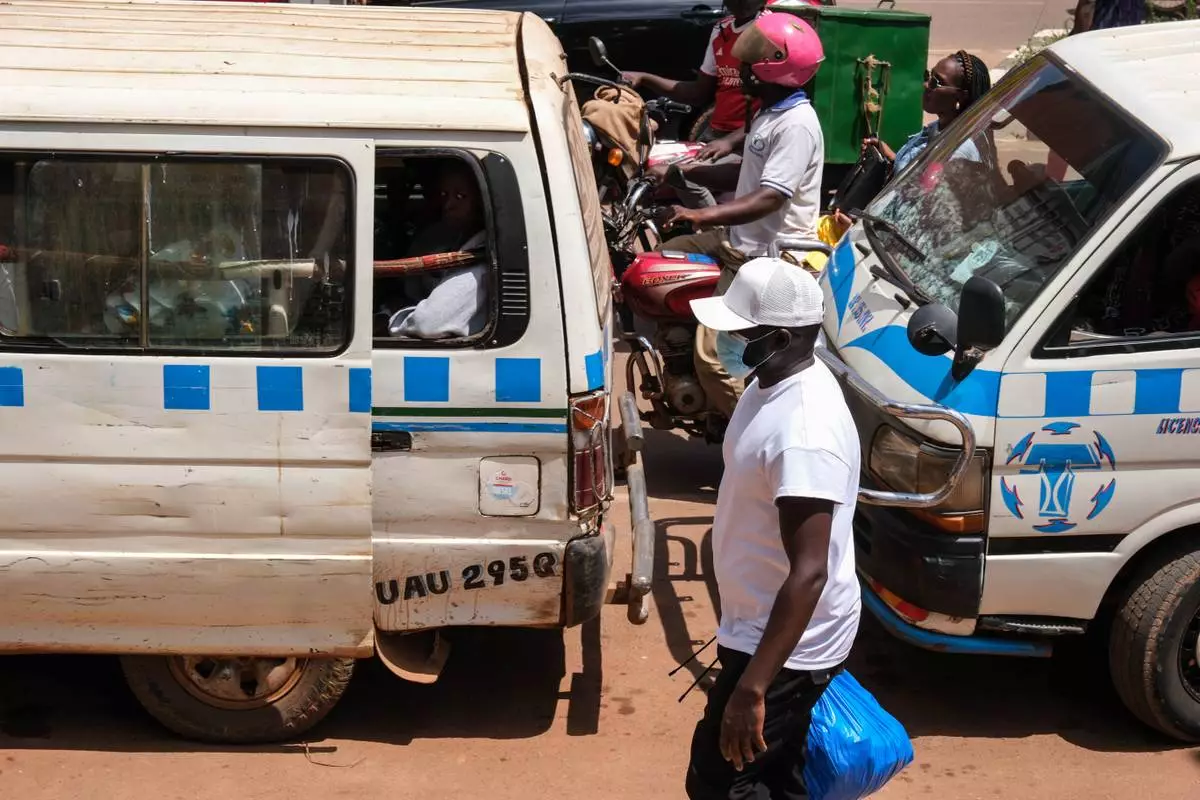
A man wearing a protective mask walks along a busy street in Kampala, Uganda, Tuesday, May 19, 2026. (AP Photo/Hajarah Nalwadda)
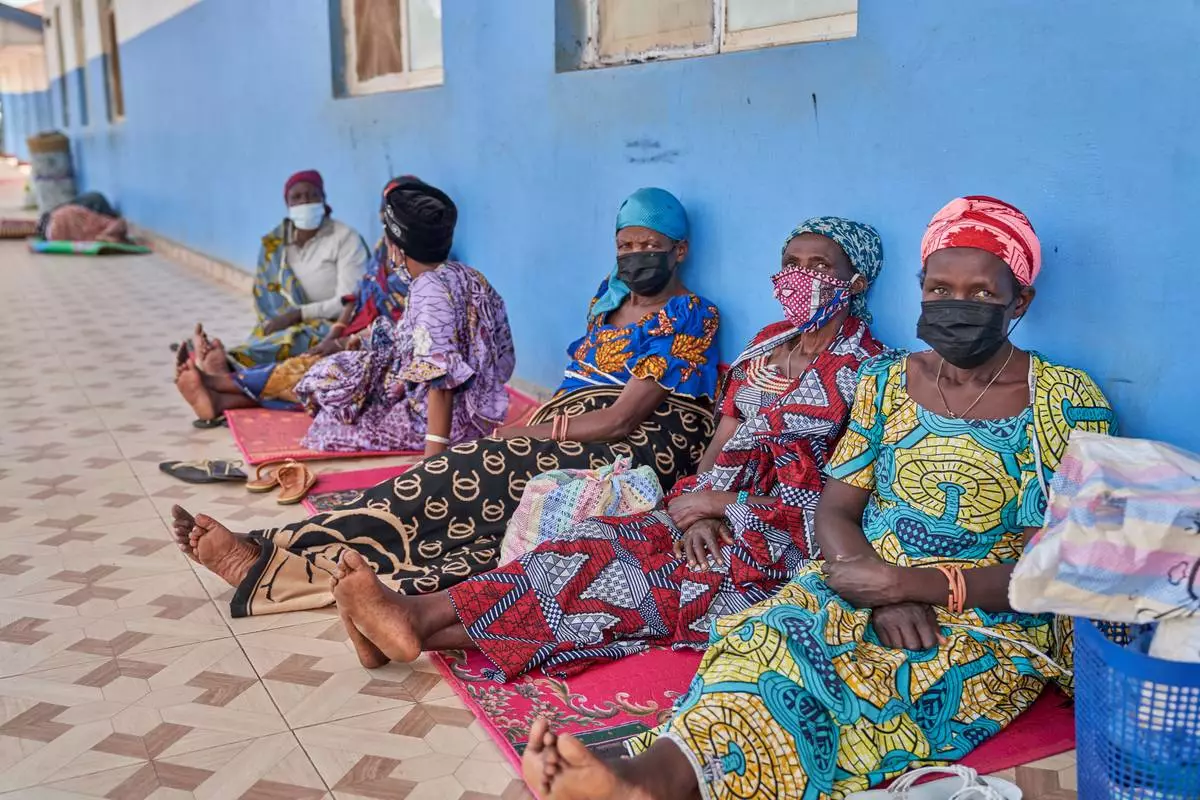
People in protective masks wait in the corridor of a hospital in Bunia, Congo, Tuesday, May 19, 2026. (AP Photo/Dirole Lotsima Dieudonne)
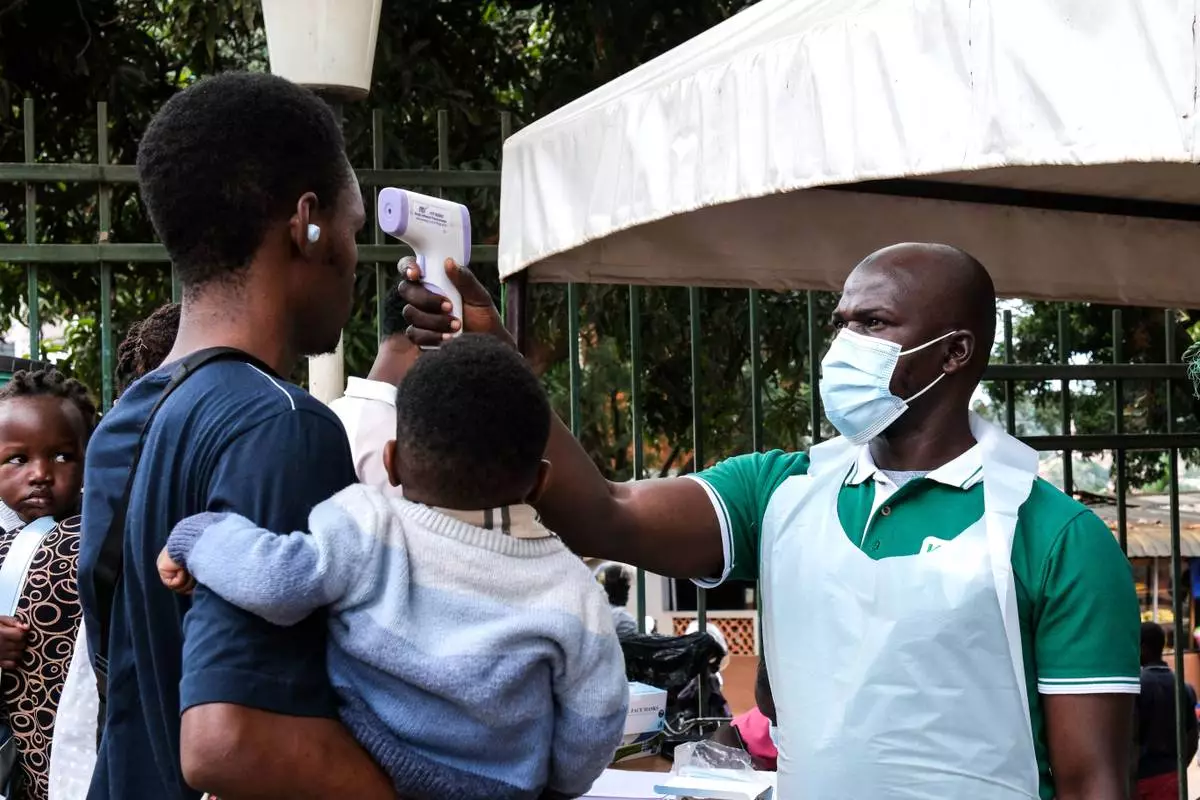
A health official uses a thermometer to screen people in front of Kibuli Muslim Hospital in Kampala, Uganda, Saturday, May 16, 2026. (AP Photo/ Hajarah Nalwadda)