German Foreign Minister Johann Wadephul said on Friday that the federal government will spend 4 percent of gross domestic product (GDP) on defense this year.
Speaking at a meeting of NATO foreign ministers in Helsingborg, Sweden, Wadephul said Germany is moving toward the target of 5 percent, local public-broadcasting outlet Deutschlandfunk reported.
NATO allies decided last year to raise defense spending to 5 percent of GDP by 2035.
Wadephul also announced closer cooperation between the defense industries of Europe and Ukraine. Ukraine's future military needs should be continuously financed by European NATO partners and Canada, he said.
Regarding the announced withdrawal of U.S. troops from Germany earlier this month, Wadephul said it had always been clear that the U.S. would redeploy units. He also welcomed U.S. President Donald Trump's decision to station 5,000 troops in Poland.

German foreign minister says to spend 4 pct of GDP on defense in 2026

German foreign minister says to spend 4 pct of GDP on defense in 2026
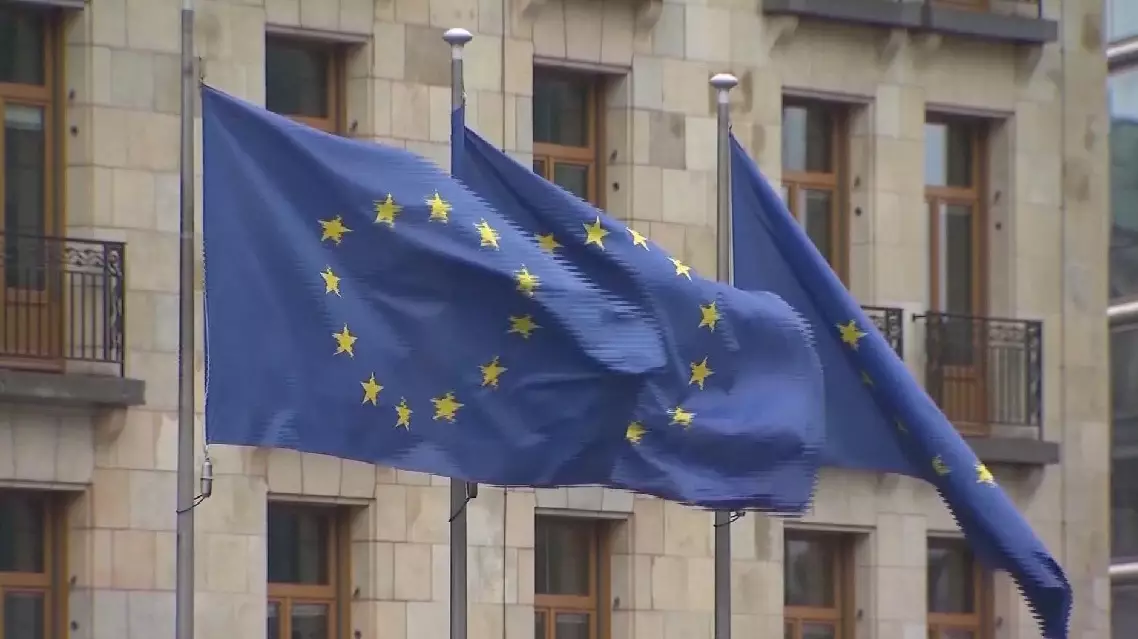
The European Union (EU) Council on Friday announced its decision to expand the legal framework for sanctions against Iran, incorporating actions that threaten freedom of navigation in the Middle East as a new ground for restrictive measures.
In a statement released the same day, the EU Council said the revision builds upon existing EU restrictive measures against Iran.
Under the updated framework, the EU can impose sanctions on individuals and entities that participate in or support Iranian actions and policies deemed to threaten maritime security in the region.
The measures include travel bans, asset freezes, and a ban on EU citizens and companies supplying funds, financial assets, or economic resources to those listed.
Iran has so far not responded to the matter.
Earlier on Saturday, Iran's newly established Persian Gulf Strait Authority, the body now responsible for managing the Strait of Hormuz, reaffirmed Iran's scope of management and supervision over the Strait of Hormuz in a social media post, insisting that vessels must coordinate with and receive approval from Iranian authorities for passage.
The Navy of Iran's Islamic Revolution Guard Corps (IRGC) said on Thursday that 31 vessels, including oil tankers, container ships and commercial vessels, had crossed the Strait of Hormuz within the past 24 hours in coordination with and under the protection of its forces, according to a statement published in the IRGC's official news outlet Sepah News.
EU warns of broader sanctions on Iran over navigation threats in Middle East