The demand for learning Chinese is surging in Thailand, as more and more young Thai people recognize the potential employment opportunities and the chance to further their career through developing language skills, driven by strengthening economic ties between the two sides.
For many Thai students, Mandarin is viewed as a language of the future -- offering greater job prospects through China's expanding economy and the chance to get involved in projects such as those brought by the Belt and Road Initiative.
While family heritage is also a major motivation to study the language for those Chinese descent, many Thai people are looking to tap into the opportunities it brings.
Mandarin proficiency is increasingly valued in Thailand's tourism sector, as China consistently ranks among the country's top sources of international visitors, while a mutual visa-free policy which took effect between the two countries in 2024 has further solidified ties.
Many of those undertaking language classes say they have a clear goal in mind.
"Since Chinese plays a crucial role in today's economy, I believe understanding the language will be very beneficial," said Itthipat Rukrungruankij, a university student.
"For my highest dream, I want to be an air hostess. That's my very big dream. And I hope that one day I can use my Chinese to work on an airplane," said Mantana Naue-Aon, another student.
"For Thai and Chinese people to do business together, they need to start by learning Chinese. It is the key for international cooperation," said Sorosit Phadungrutchadakit, assistant dean of the Panyapiwat Institute of Management, a higher education establishment in Thailand.
Mandarin classes are being added to a growing number of both private and public schools, with up to one million Thai students currently enrolled. Chinese language courses are also in higher demand at private language centers across the country.
"The reason why we decided to open our new Chinese course is because of demand from students, like Thai students who come here to learn English. They also inquired about the Chinese language as well," said Arthit Juyaso, Principal of the Duke Language School in Bangkok.
As many young Thais are enthusiastic consumers of Chinese videos and pop culture, an increasing number now want to create their own content in Chinese as well.
"I usually add Chinese subtitles but since I can't speak the language yet. I want to learn," said Manatsanan Samakthai, a local Thai influencer.
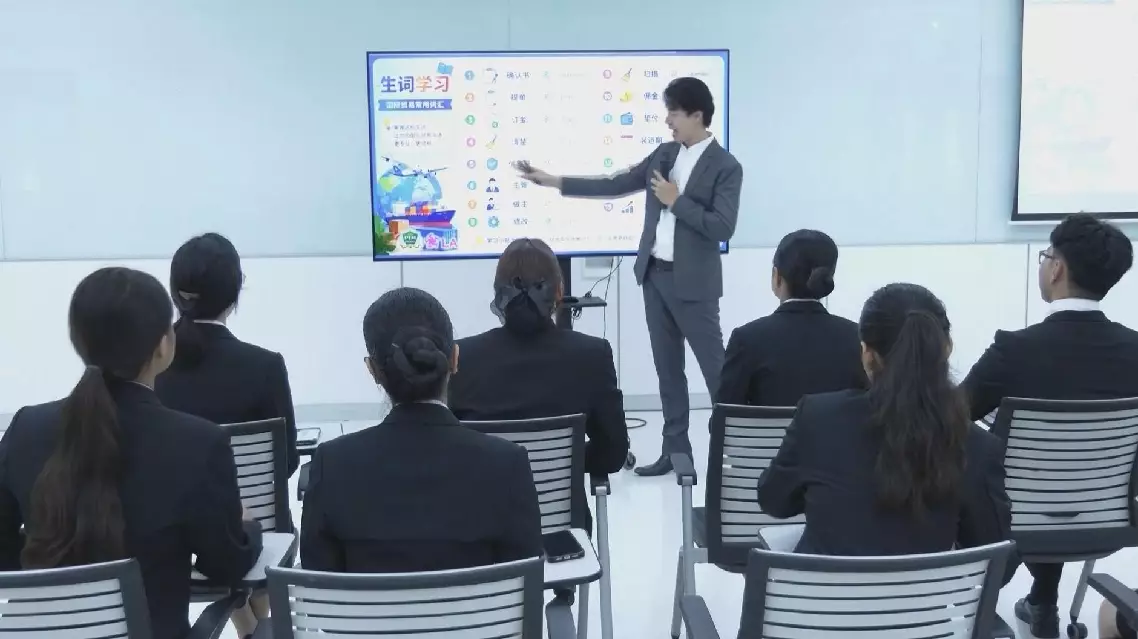
Demand for Chinese language learning gains traction in Thailand