DH announces latest situation regarding Legionnaires' disease case
The Centre for Health Protection (CHP) of the Department of Health (DH) today (May 26) reported the latest number of Legionnaires' disease (LD) cases, and reminded the public of the importance of using and maintaining properly designed man-made water systems, adding that susceptible groups should strictly observe relevant precautions.
From May 17 to 23, the CHP recorded 10 LD cases. Among them, eight were community-acquired cases and two were imported LD cases. All patients had underlying illnesses. The details are as follows:
Community-acquired cases
---------------------------------
 a 61-year-old male living in Sha Tin District;
a 63-year-old male living in Kwai Tsing District;
a 79-year-old male living in Yuen Long District;
a 44-year-old male living in Kwun Tong District;
a 68-year-old male living in Sai Kung District;
a 66-year-old male living in Yau Tsim Mong District;
an 80-year-old female living in Sha Tin District; and
a 72-year-old male living Sha Tin District.
a 61-year-old male living in Sha Tin District;
a 63-year-old male living in Kwai Tsing District;
a 79-year-old male living in Yuen Long District;
a 44-year-old male living in Kwun Tong District;
a 68-year-old male living in Sai Kung District;
a 66-year-old male living in Yau Tsim Mong District;
an 80-year-old female living in Sha Tin District; and
a 72-year-old male living Sha Tin District.
Imported cases
------------------
A 63-year-old male and a 79-year-old female, who both travelled to the Chinese Mainland during their incubation periods.
The CHP is conducting epidemiological investigations to identify the potential sources of infection and high-risk exposure. An initial investigation revealed that the eight community-acquired cases are sporadic cases. No epidemiological linkages have been established between these cases and other confirmed cases previously recorded in Hong Kong.
As of May 23, 59 LD cases had been recorded this year. In 2025 and 2024, there were 167 and 135 LD cases respectively.
Men, people aged over 50, smokers, alcoholics and persons with weakened immunity are more susceptible to LD. Some situations may also increase the risk of infection, including poor maintenance of water systems; living in areas with old water systems, cooling towers or fountains; using electric water heaters, whirlpool spas or hot water spring spas; and recent stays in hotels or ships.
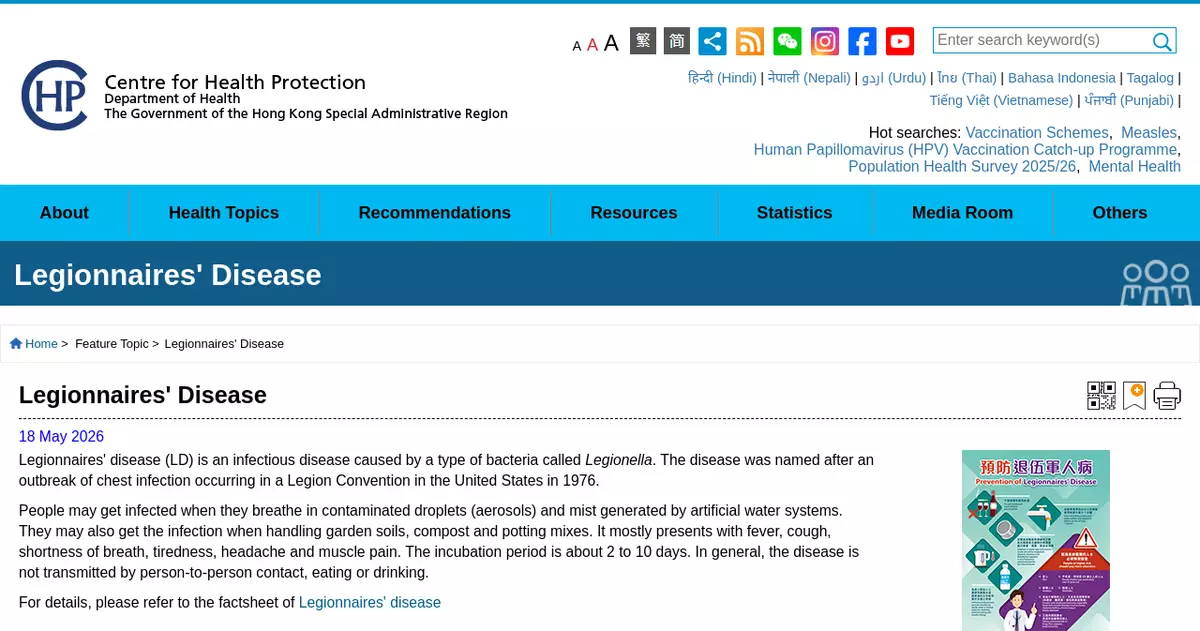
Legionellae are found in various environmental settings and grow well in warm water (20 to 45 degrees Celsius). They can be found in aqueous environments such as water tanks, hot and cold water systems, cooling towers, whirlpool spas, water fountains, humidifiers and home respiratory devices that support breathing. People may become infected when they breathe in contaminated droplets (aerosols) and mist generated by artificial water systems, or when handling garden soil, compost and potting mixes.
Immunocompromised persons should:
Use sterile or boiled water for drinking, tooth brushing and mouth rinsing;
Avoid using humidifiers, or other mist- or aerosol-generating devices; and
If using humidifiers, or other mist- or aerosol-generating devices, fill the water tank with only sterile or cooled freshly boiled water, and not water directly from the tap. Also, clean and maintain humidifiers/devices regularly according to manufacturers' instructions. Never leave stagnant water in a humidifier/device. Empty the water tank, wipe all surfaces dry, and change the water daily.
The public should observe the health advice below:
Observe personal hygiene;
Do not smoke and avoid alcohol consumption;
Strainers in water taps and shower heads should be inspected, cleaned, descaled and disinfected regularly or at a frequency recommended by the manufacturer;
If a fresh-water plumbing system is properly maintained, it is not necessary to install domestic water filters. Use of water filters is not encouraged as clogging occurs easily, which can promote growth of micro-organisms. In case water filters are used, the pore size should be 0.2 micrometres (µm) or less and the filter needs to be changed periodically according to the manufacturer's recommendations;
Drain and clean water tanks of buildings at least quarterly;
Drain or purge for at least one minute infrequently used water outlets (e.g. water taps, shower heads and hot water outlets) and stagnant points of the pipework weekly or before use;
Seek and follow doctors' professional advice regarding the use and maintenance of home respiratory devices and use only sterile water (not distilled or tap water) to clean and fill the reservoir. Clean and maintain the device regularly according to the manufacturer's instructions. After cleaning/disinfection, rinse the device with sterile water, cooled freshly boiled water or water filtered with 0.2 µm filters. Never leave stagnant water in the device. Empty the water tank, keep all surfaces dry, and change the water daily; and
When handling garden soil, compost and potting mixes:
Wear gloves and a face mask;
Water gardens and compost gently using low pressure;
Open composted potting mixes slowly and make sure the opening is directed away from the face;
Wet the soil to reduce dust when potting plants; and
Avoid working in poorly ventilated places such as enclosed greenhouses.
The public may visit the CHP'sLD page, theCode of Practice for Prevention of LDand theHousekeeping Guidelines for Cold and Hot Water Systems for Building Managementof the Prevention of LD Committee, and the CHP'srisk-based strategyfor prevention and control of LD.
Additionally, as smokers and alcoholics are more susceptible to LD, the Government urgesmembers of the public to quit smoking and avoid drinking. Members of the public may call the DH Integrated Smoking Cessation Hotline at 1833 183, which is answered by registered nurses who provide professional counselling and referral to a wide range of free smoking cessation services. The public may also visit the smoking cessation thematic website (www.livetobaccofree.hk) for more information on smoking cessation. The DH has also developed and promulgated the Alcohol Screening and Brief Intervention tool to primary healthcare service providers to facilitate the early identification and management of at-risk drinkers. For information on alcohol-related harm, please visit the DH'sChange for Health website.
Source: AI-found images
Chief Executive John Lee will lead a delegation to Kazakhstan and Uzbekistan in June, a move the investment industry believes will open new markets for Hong Kong businesses and boost regional economic links.
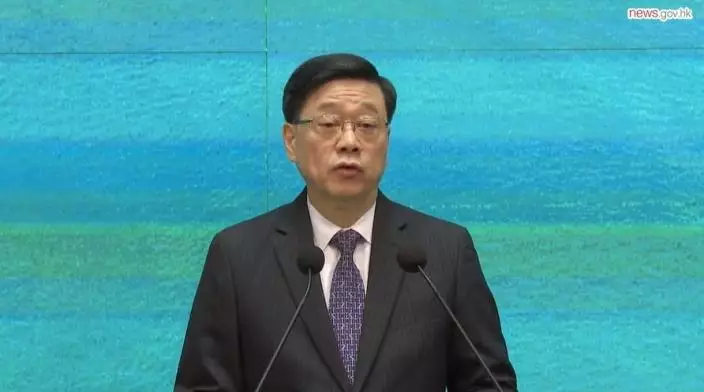
Chief Executive John Lee will lead a delegation to Kazakhstan and Uzbekistan in June.
Asset management company representative Cliff Zhang, who is part of the delegation, has previously accompanied the Chief Executive on two visits to the Middle East. His company signed an agreement with Oman last September to launch that country's first energy transition fund.
Mr Zhang said several collaborations are expected to be announced during the Central Asia trip, including joint investments with the Oman Investment Authority.
He noted that Middle Eastern governments and institutions are optimistic about the vast potential of the Central Asian market. He emphasised that Hong Kong can serve as a vital bridge connecting the Chinese Mainland, the Middle East and Central Asia.
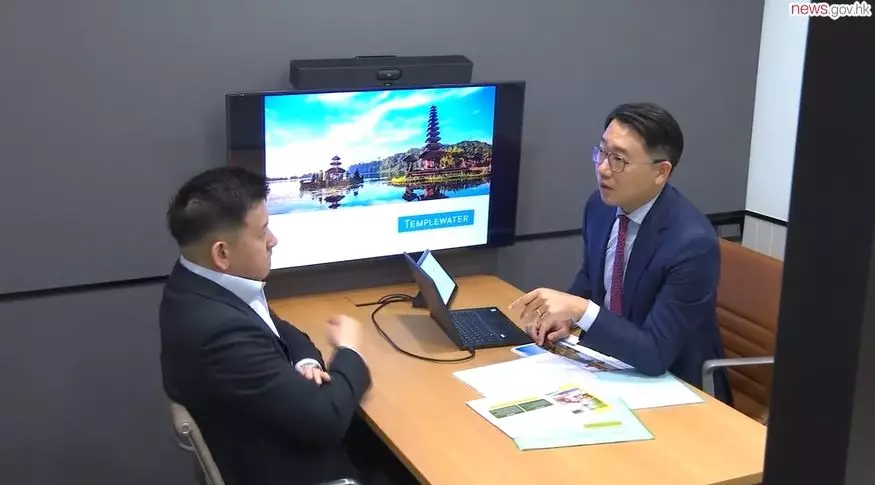
Asset management company representative Cliff Zhang(right).
“It is essentially leveraging the capital from the Middle East which has the desire and the interest to invest more in Central Asia which has the market and the market opportunities,” Mr Zhang said.
“Countries of the Middle East need the Chinese and the Asian companies to bring their products, their technology, their services to those markets,” he added.
“That is where Hong Kong plays a role in connecting the dots, being a “super connector” and a “super value-adder” in bringing everybody together.”
Mr Zhang highlighted Central Asia’s unique economic advantages, emphasising its young population, abundant natural resources and strategic position between Asia and Europe.
While noting that the distinct strengths and investment landscapes of Central Asia and the Middle East cannot be directly compared, he sees significant opportunities ahead.
Mr Zhang said that Central Asia offers greater scope for co-operation, particularly across the real estate, energy and infrastructure sectors.
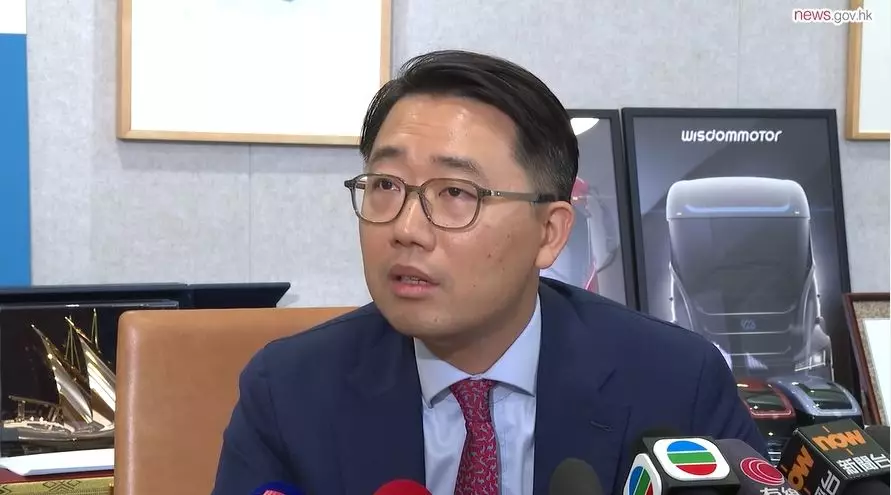
Asset management company representative Cliff Zhang.
“I think Central Asia is a gold mine that is at its early stage of development and opening up,” he said.
Mr Zhang added that Central Asia requires more technology and investment from partners in infrastructure and property development, for example.
“I definitely see that the demand in the property space is a very real one,” he noted. “That is also one of the areas where we think Hong Kong enterprises have a very strong capability, given Hong Kong is also one of the major property markets globally.”
Beyond housing, Central Asia’s demand for hotels, office buildings and shopping malls is rising rapidly.
Mr Zhang pointed out that major expanding cities such as Astana and Almaty in Kazakhstan, and Tashkent in Uzbekistan, are all keen to leverage Hong Kong’s expertise in urban planning and public transport management.
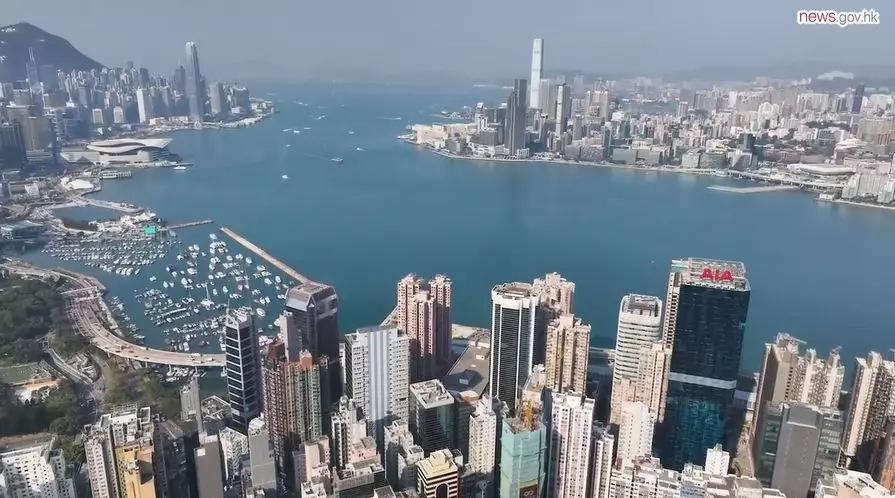
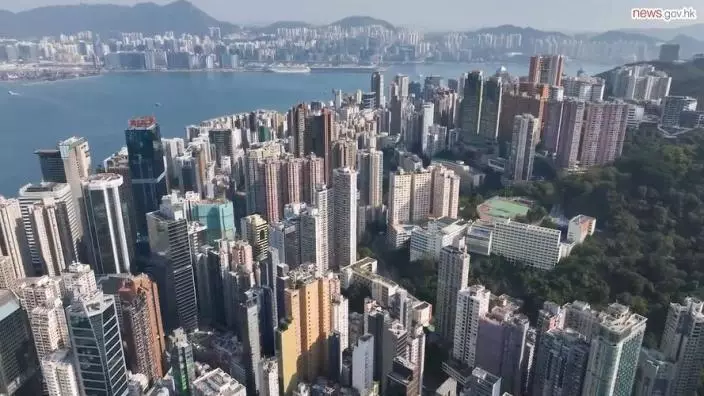
Hong Kong.
He added that Central Asia faces enormous investment needs for mineral and natural gas processing facilities while actively developing renewable energy sources.
At the same time, local demand for professional services such as finance and healthcare continues to grow.
Asked how to draw lessons from the Middle East, Mr Zhang observed that Central Asia’s predominantly Muslim population shares cultural ties with the Middle East.
He also stressed that establishing a local team is essential when entering new markets to accurately gauge policy directions and foster mutual trust. Having already set up an office in the Middle East, his company plans to adopt a similar model in Central Asia.
He added that this Central Asian delegation is the largest organised by the current-term Government, surpassing last year's Middle East mission, and features an increased presence of representatives from Chinese Mainland companies.
“This symbolises the further deepening of joint efforts to venture into the global market between the two,” Mr Zhang said.
Hong Kong.