Skip to Content Facebook Feature Image

World Cup transit sticker shock hits fans with tickets to matches in some US host cities

ENT

World Cup transit sticker shock hits fans with tickets to matches in some US host cities
ENT

ENT

World Cup transit sticker shock hits fans with tickets to matches in some US host cities

2026-05-26 22:39 Last Updated At:23:01

Dubbed the “Sommermärchen," or “Summer Fairy Tale," the 2006 World Cup in Germany was a widely praised showcase for a modern, unified nation that was welcoming to fans from around the globe. Part of that success was the “KombiTicket,” which gave fans free access to local public transportation on match days.

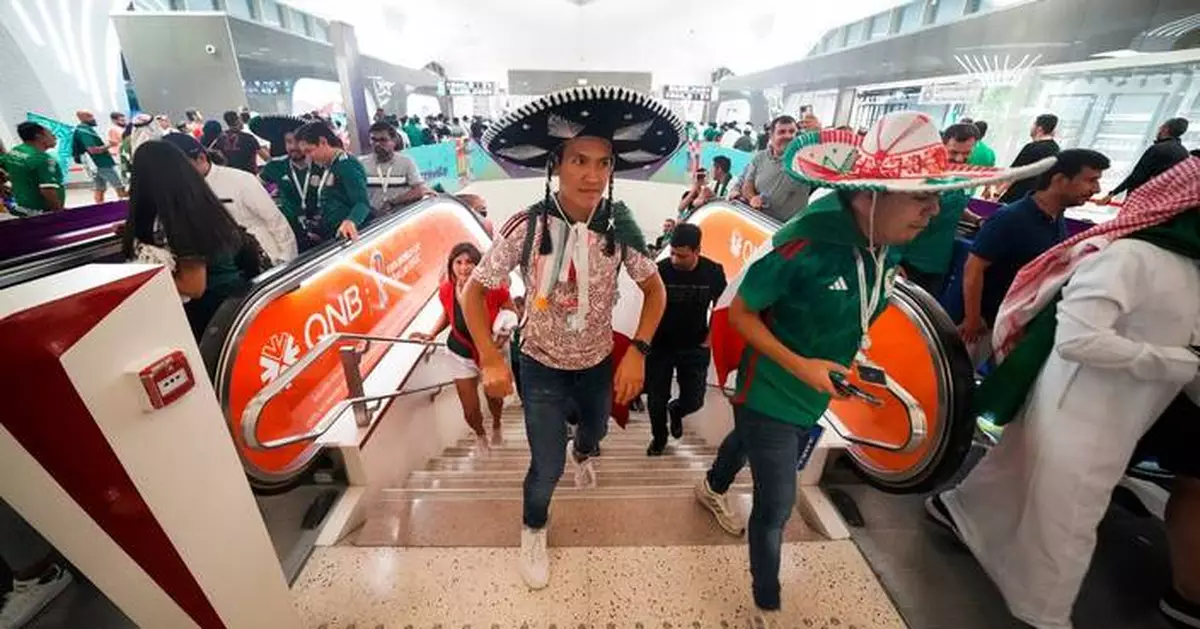
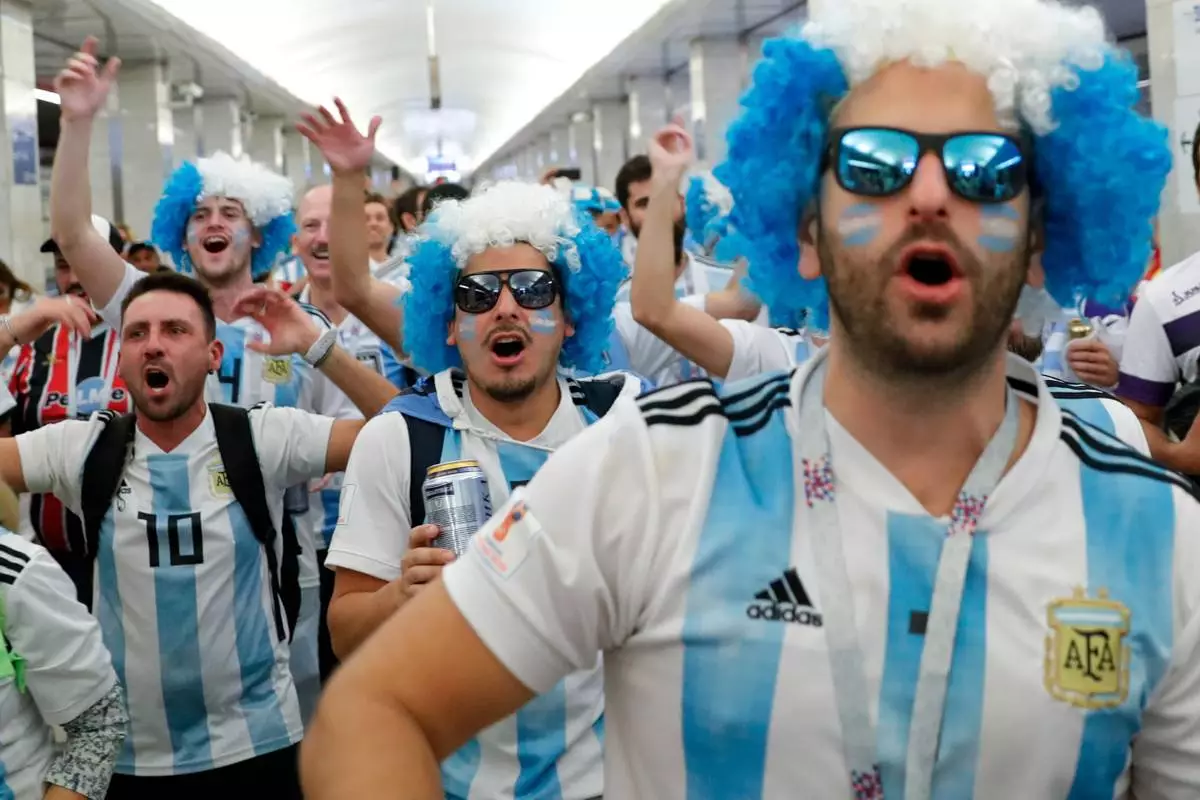
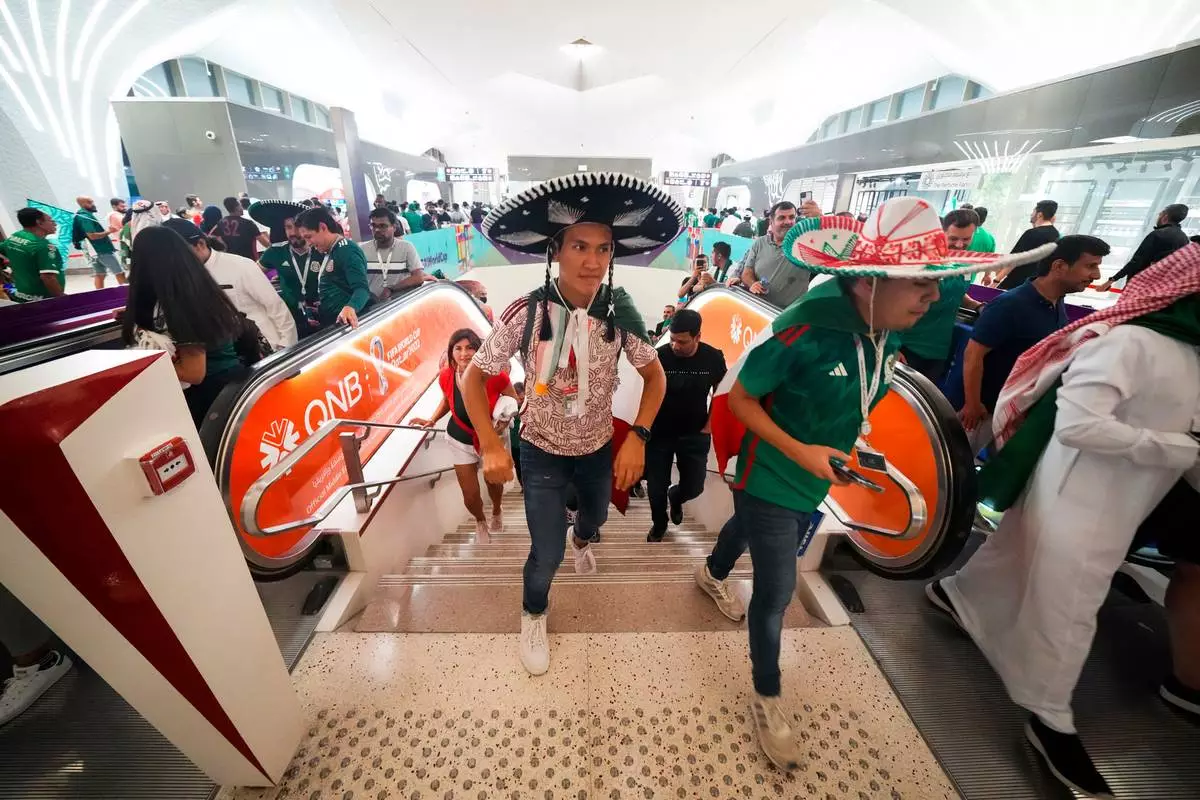
Since then, World Cup host countries have invested heavily in getting fans to and from matches, especially in Russia in 2018, where even long-distance trains between host cities were free, and Qatar in 2022, where free metro access helped turn stadium-hopping into part of the tournament experience.

Then came the United States.

Already reeling from astronomical ticket prices, expensive flights and exorbitant hotel costs, fans have been outraged to discover that getting to some stadiums via rail will come with another hefty bill: $98 round-trip train fares in New Jersey and $80 in Massachusetts — trips that normally cost NFL fans $12.90 and $20, respectively.

Officials insist they aren't trying to rip off fans, but are instead just trying to cover the costs of security and expanded train service without being a drain on taxpayers. Yet fans see it as just another way that tournament organizers are burdening fans who are already paying huge sums to visit the U.S., a huge, car-centric country where public transit has long been an afterthought in many locales. Unlike past hosts, some state and local officials have been less willing to swallow the costs, arguing they should be covered by FIFA, the international soccer body that stands to rake in billions of dollars from the event.

“Planning for this World Cup has been a nightmare from start to finish," said Scotland-born Rory Phillips-Hunter, a 37-year-old hospitality worker who lives in northern England. "I think it’s the most inaccessible one there’s ever been.”

Mystified by the lack of affordable options to travel 25 miles (40 kilometers) from Providence, Rhode Island, to Foxborough, Massachusetts, where Scotland's first two matches will take place, Phillips-Hunter and some fellow Tartan Army members decided to figure it out themselves.

At about $50 per person, the Scots have booked about 20 school buses to take nearly 1,000 members of the plaid-clad fan group to each match. They're even getting a police escort, all for just over half the cost of the $95 bus fare that local officials are offering — a combined savings of more than $85,000.

The $95 bus fare was never going to break the bank, Phillips-Hunter knows, but he and so many other Scots are already paying huge sums to see their men's team compete in the World Cup for the first time in 28 years. Phillips-Hunter estimates it will take him two years to pay off the credit card debt he’s taking on for his six-day trip to the U.S., including the $1,350 he spent on a ticket for the Scotland-Morocco match.

Beyond anything, Phillips-Hunter is frustrated that a group of Scots from across the ocean were able to organize transportation for so much cheaper than what local officials offered.

“When I look at that difference in cost, that’s just profits you're taking from us," he said.

Not every host city is approaching transportation the same way. Atlanta, Houston and Seattle have stadiums linked directly to their rail systems, and regular fares will apply. Miami-Dade County officials recently announced they will offer free shuttles to get fans to and from Hard Rock Stadium in Miami Gardens, about 15 miles (24 kilometers) from downtown Miami. Philadelphia, meanwhile, is offering free rides on the way back from the stadium, thanks to funding from FIFA sponsor Airbnb. And Kansas City, Missouri, is running $15 shuttles.

The relatively high transit costs for the matches at MetLife Stadium in New Jersey and Gillette Stadium in Massachusetts are partly because they're in the suburbs, and many fans drive to the NFL games they typically host. But parking will be extremely limited during the World Cup due to expanded security perimeters, broadcast needs and lots being used as VIP areas, forcing far more fans to use public transit.

David Gogishvili is a senior researcher at Switzerland's University of Lausanne and studies how sports organizers put together big events like the World Cup.

He said it is standard practice for organizers like FIFA to pass much of the cost on to host countries. The difference this time is that the U.S. has “stronger and more independent" state and local officials who have been less willing to take on the cost and “bow to the wills of FIFA.”

“These costs should be borne by the organization that is earning money out of these events, which is FIFA. It should not always be the host cities that take on all the expenses,” Gogishvili said, noting the soccer body’s expected $13 billion revenue from 2023-26.

New Jersey Gov. Mikie Sherrill, a Democrat, has called on FIFA to cover the transportation costs to matches.

But FIFA pushed back, arguing that no other global event has been asked to absorb such costs and that its initial agreements with host cities called for free transportation for fans to all matches. The agreements were later changed to allow cities to provide transit “at cost.”

The reason transit has been so accessible at recent World Cups is that host nations like Russia and Qatar have viewed the tournament as a “public relations exercise,” and subsidized transit accordingly, Gogishvili said.

Officials' anxiety over transit costs also comes amid growing concern that the promised World Cup economic boon won't materialize, with hotel room bookings not meeting expectations in most of the 11 U.S. cities hosting the tournament. A 2022 study co-authored by Gogishvili found that nearly every World Cup from 1966 through 2018 ran at a financial deficit.

Yonah Freemark, a researcher at the Washington-based Urban Institute think tank who specializes in transit issues, said World Cup fans from Europe and Asia will encounter less-advanced but costlier transit systems than they’re used to back home.

Pointing to the transit pricing tied to matches in New Jersey and Massachusetts, Freemark said officials “are trying to get away with murder.” Wait times and transit access, he added, will likely fall well short of what many foreign visitors are used to.

Ynara Correa da Costa, a Brazilian systems analyst who lives outside Sao Paulo, will be attending her seventh World Cup.

Like many, she was stunned when officials initially proposed charging as much as $150 for train fares from New York City to MetLife Stadium, where Brazil plays its opener against Morocco. The widespread shock and led New Jersey officials to lower the price to $98 after securing additional funding.

But even the lowered price for a short train ride “is just not acceptable,” Costa said.

Costa was heartened when the local host committee said it had secured more buses to get to the stadium and slashed the price from $80 to $20. But there are only enough bus seats for 18,000 fans to get to the stadium, which holds about 82,500.

That seems far more manageable to Costa. Earlier, she wondered whether she and other cost-conscious fans might have to walk to MetLife Stadium, but that isn't possible.

“We’ll go to the match, that I know," Costa said. "But how? Let’s see.”

AP World Cup coverage: https://apnews.com/hub/fifa-world-cup
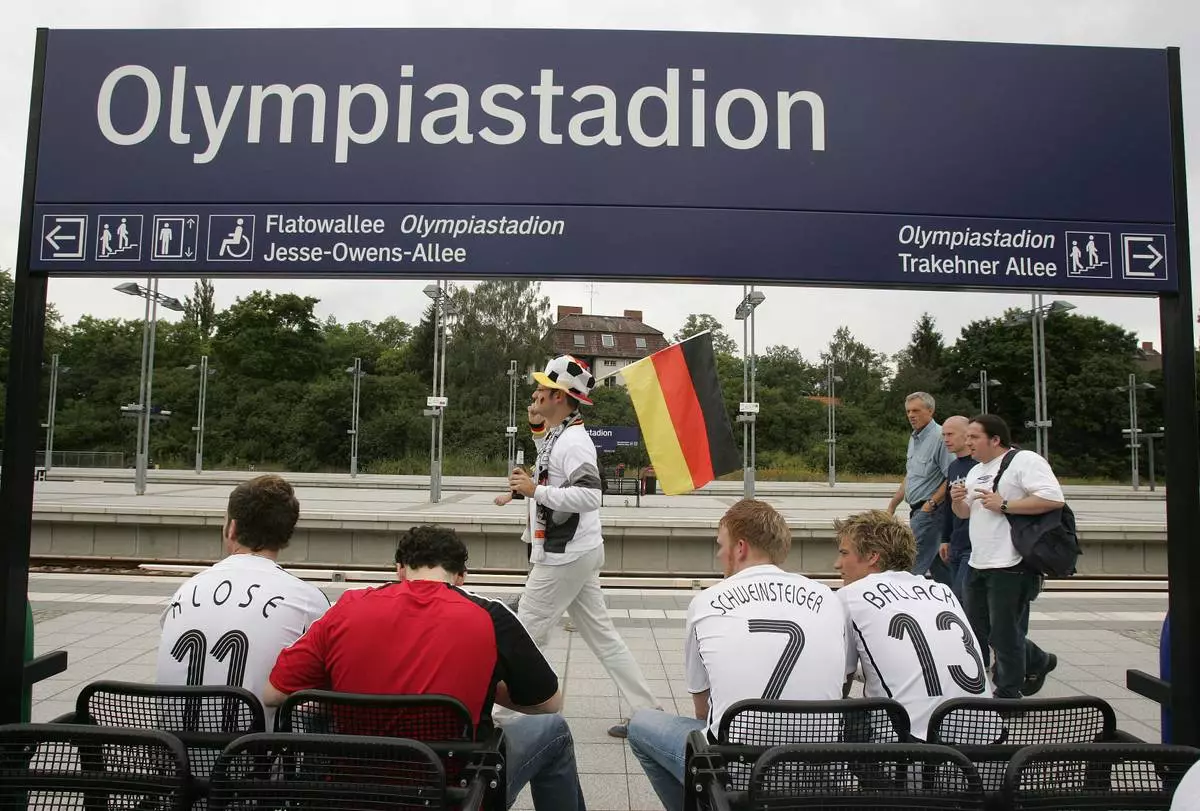
FILE - Soccer fans one carrying the German flag, arrive at the Olympiastadion station in Berlin, Friday, June 30, 2006, and head for the exit to watch the quarterfinal World Cup soccer match between Argentina and Germany being played at the nearby stadium. (AP Photo/Julie Jacobson, File)
FILE - Soccer fans one carrying the German flag, arrive at the Olympiastadion station in Berlin, Friday, June 30, 2006, and head for the exit to watch the quarterfinal World Cup soccer match between Argentina and Germany being played at the nearby stadium. (AP Photo/Julie Jacobson, File)

FILE - Fans of Argentina commute at the Moscow Metro on their way to the group D match between Argentina and Iceland at the 2018 soccer World Cup in the Spartak Stadium in Moscow, Russia, Saturday, June 16, 2018. (AP Photo/Ricardo Mazalan, File)
FILE - Fans of Argentina commute at the Moscow Metro on their way to the group D match between Argentina and Iceland at the 2018 soccer World Cup in the Spartak Stadium in Moscow, Russia, Saturday, June 16, 2018. (AP Photo/Ricardo Mazalan, File)

FILE - Mexico soccer fans exit the metro station on their way to a World Cup group C soccer match between Saudi Arabia and Mexico, at the Lusail Stadium in Lusail, Qatar, Wednesday, Nov. 30, 2022. (AP Photo/Julio Cortez, File)


FILE - Mexico soccer fans exit the metro station on their way to a World Cup group C soccer match between Saudi Arabia and Mexico, at the Lusail Stadium in Lusail, Qatar, Wednesday, Nov. 30, 2022. (AP Photo/Julio Cortez, File)

COLUMBIA, S.C. (AP) — The South Carolina Senate on Tuesday rejected President Donald Trump’s push to redraw the state’s congressional district in hopes Republicans could gain an additional seat in the midterm elections.

Senators had political concerns, worrying that any map in a state where Democrats got at least 40% of votes in the past eight presidential elections couldn’t guarantee Republican wins in all seven districts.

And there were logistical worries. Statewide primaries are June 9, with early voting starting Tuesday. The plan had called for throwing out any congressional votes already cast and holding another statewide primary just for U.S. House races in August.

Election officials said holding three statewide elections in five months would require employees to work around the clock to prepare voting machines and ballots and to meet legal requirements.

The proposal passed the South Carolina House last Wednesday after two days of long debate.

Trump’s push in South Carolina was part of his broader effort to get Republican-led states to redraw congressional maps in hopes of retaining the party’s slim majority in the November elections.

THIS IS A BREAKING NEWS UPDATE. AP’s earlier story follows below.

COLUMBIA, S.C. (AP) — Early in-person voting began Tuesday in South Carolina’s primaries, as state senators considered whether to cancel the congressional votes and instead schedule a new primary under revised districts designed to help Republicans oust a longtime Democrat.

Among the first to cast an early ballot in the small city of Orangeburg was U.S. Rep. Jim Clyburn, the Democrat whose district Republicans are trying to reshape in their quest for a clean sweep of South Carolina's seven congressional seats. A defiant Clyburn insisted he would run for reelection, regardless of what the district looks like.

“I’m OK if it’s Trump plus 20,” Clyburn said while describing the potential Republican advantage in a reshaped district. “I would be running where I live.”

The political drama in South Carolina is part of a Republican strategy — propelled President Donald Trump — to redraw voting districts to the GOP's advantage in an attempt to hold on to a slim House majority in the midterm elections. Republicans have been moving quickly to try to leverage a recent U.S. Supreme Court ruling that weakened minority protections under the federal Voting Rights Act.

But the GOP also suffered a setback Tuesday in Alabama, where a three-judge federal panel issued a preliminary injunction blocking the state from using a Republican-drawn congressional map that could help the GOP win an additional seat. The court said the Republican plan “intentionally discriminated based on race” by including only one Black-majority district and ordered the continued use of a court-imposed map that includes two districts with a significant proportion of Black residents.

Alabama Attorney General Steve Marshall, a Republican, vowed a quick appeal to the U.S. Supreme Court and predicted an eventual victory.

Democrats, who have suffered their own share of setbacks in the national redistricting battle, praised the turn of events in Alabama.

The “fight for justice is far from over in states across the country where politicians are enacting gerrymanders on top of gerrymanders to erase equal representation for communities of color,” said Marina Jenkins, executive director of the National Redistricting Foundation, a nonprofit affiliate of the National Democratic Redistricting Committee.

Voting districts typically are redrawn after a census at the start of a decade. But Trump has urged Republican-led states to redistrict ahead of the November elections to try to rebuff political headwinds, which typically result in lost congressional seats for the president’s party in midterms.

Since Trump first urged Texas to redraw its voting districts last summer, Republicans also have enacted new House districts in Missouri, North Carolina, Ohio, Florida and Tennessee. Meanwhile, voters in California adopted new Democratic-drawn districts, and a court imposed a favorable map for Democrats in Utah. Democrats suffered a setback in Virginia, where the state Supreme Court invalidated a voter-approved redistricting plan that could have helped Democrats win additional seats.

Redistricting discussions are ongoing in Louisiana following an April high court ruling that struck down a majority-Black congressional district as an illegal partisan gerrymander. The Louisiana House could vote later this week on a new map that could eliminate a seat held by Democratic U.S. Rep. Cleo Fields and improve Republicans' chances of winning six out of the state's seven seats.

The Congressional Black Caucus on Tuesday called on major corporations across the U.S., including those that previously expressed support for voting rights and racial justice, to oppose redistricting efforts by Republican-led states that seek to eliminate majority-Black U.S. House districts. That comes after the caucus last week called for Black athletes to boycott public universities in states that are gerrymandering congressional maps to eliminate districts held by Black lawmakers.

More than 26,000 votes were cast in South Carolina by noon Tuesday on the first day of early voting for the June 9 primary after Democrats called for people against a proposed new map to turn out in force. In 2022, about 125,000 early votes were cast the entire two weeks.

The Republican-led House already has passed a plan that would reconfigure Clyburn's district, void the results of current congressional primaries and instead hold new U.S. House primaries in August.

Trump has lobbied for the plan, making at least two phone calls to Republican state Senate Majority Leader Shane Massey and also phoning in to a private meeting of Republican senators earlier this month. He also has maintained the pressure on social media.

Debate has stalled in the Senate, where Democrats are staunchly opposed and some GOP lawmakers have concerns that an aggressive redistricting could backfire by making some Republican-held seats susceptible to losses because of the addition of Democratic voters.

Clyburn noted that when state lawmakers last redrew congressional districts, after the 2020 census, they spent months holding meetings across the state to gather public suggestions. Although that map resulted in a 6-1 seat advantage for Republicans over Democrats, the process was orderly and fair, he said.

“When the map was challenged, the U.S. Supreme Court said, yes, this is constitutional,” Clyburn said. But now, “this White House says, to hell with the process, to hell with the Constitution, just do what we want done.”

Chandler reported from Montgomery, Alabama, and Lieb from Jefferson City, Missouri.

Republican South Carolina Sen. Carlisle Kennedy, left, Democratic Sen. Ronnie Sabb, middle, and Republican Sen. Jeff Zell, right, watch a video during a session on redistricting on Tuesday, May 26, 2026, in Columbia, S.C. (AP Photo/Jeffrey Collins)

Republican South Carolina Sen. Carlisle Kennedy, left, Democratic Sen. Ronnie Sabb, middle, and Republican Sen. Jeff Zell, right, watch a video during a session on redistricting on Tuesday, May 26, 2026, in Columbia, S.C. (AP Photo/Jeffrey Collins)

Rep. Jim Clyburn, D-S.C., center, joined by House Minority Leader Hakeem Jeffries, D-N.Y., left, stands with members of the Congressional Black Caucus during an event outside the Capitol in Washington, Tuesday, May 19, 2026. (AP Photo/J. Scott Applewhite)

Rep. Jim Clyburn, D-S.C., center, joined by House Minority Leader Hakeem Jeffries, D-N.Y., left, stands with members of the Congressional Black Caucus during an event outside the Capitol in Washington, Tuesday, May 19, 2026. (AP Photo/J. Scott Applewhite)

Recommended Articles