LOS ANGELES (AP) — Los Angeles Dodgers two-way superstar Shohei Ohtani, Will Klein and Tanner Scott had their combined no-hitter against the Colorado Rockies broken up in the eighth inning on Wednesday night.
Scott took over to start the eighth and allowed a two-out single to right by Tyler Freeman after Ohtani and Will Klein combined for seven hitless innings.
Klein started the seventh after Ohtani tossed six innings of one-run ball. The Japanese right-hander struck out seven and walked four. Ohtani left the game after throwing 99 pitches, 56 for strikes.
Ohtani allowed an earned run in the fourth on Willi Castro’s groundout to second, raising his ERA to 0.82.
Ohtani hit a leadoff home run in the bottom of the first, the second straight mound start in which he's gone deep.
Klein retired the side in the seventh, helped by an inning-ending double play.
The Dodgers led 3-1 at the time.
AP MLB: https://apnews.com/hub/mlb

Los Angeles Dodgers pitcher Shohei Ohtani walks back to the dugout after finishing the fifth inning of a baseball game against the Colorado Rockies, Wednesday, May 27, 2026, in Los Angeles. (AP Photo/Mark J. Terrill)

Los Angeles Dodgers two-way player Shohei Ohtani, right, throws to the plate during the first inning of a baseball game against the Colorado Rockies, Wednesday, May 27, 2026, in Los Angeles. (AP Photo/Mark J. Terrill)

Los Angeles Dodgers two-way player Shohei Ohtani, right, throws to the plate during the first inning of a baseball game against the Colorado Rockies, Wednesday, May 27, 2026, in Los Angeles. (AP Photo/Mark J. Terrill)
DULUTH, Ga.--(BUSINESS WIRE)--May 28, 2026--
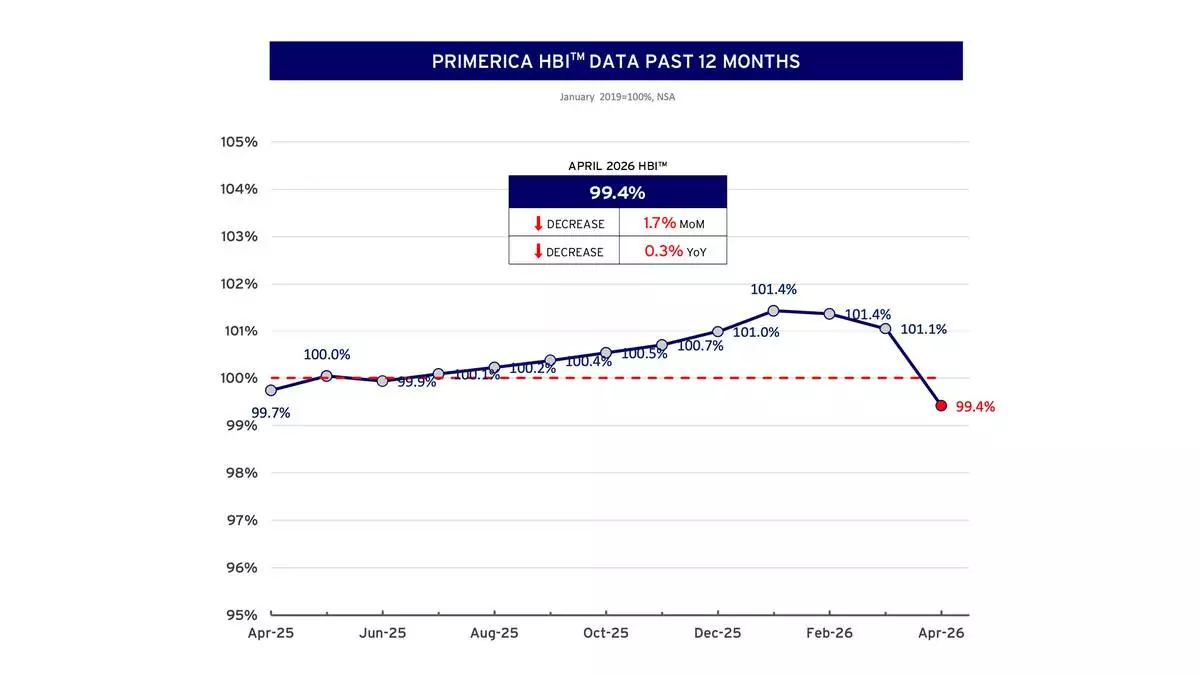
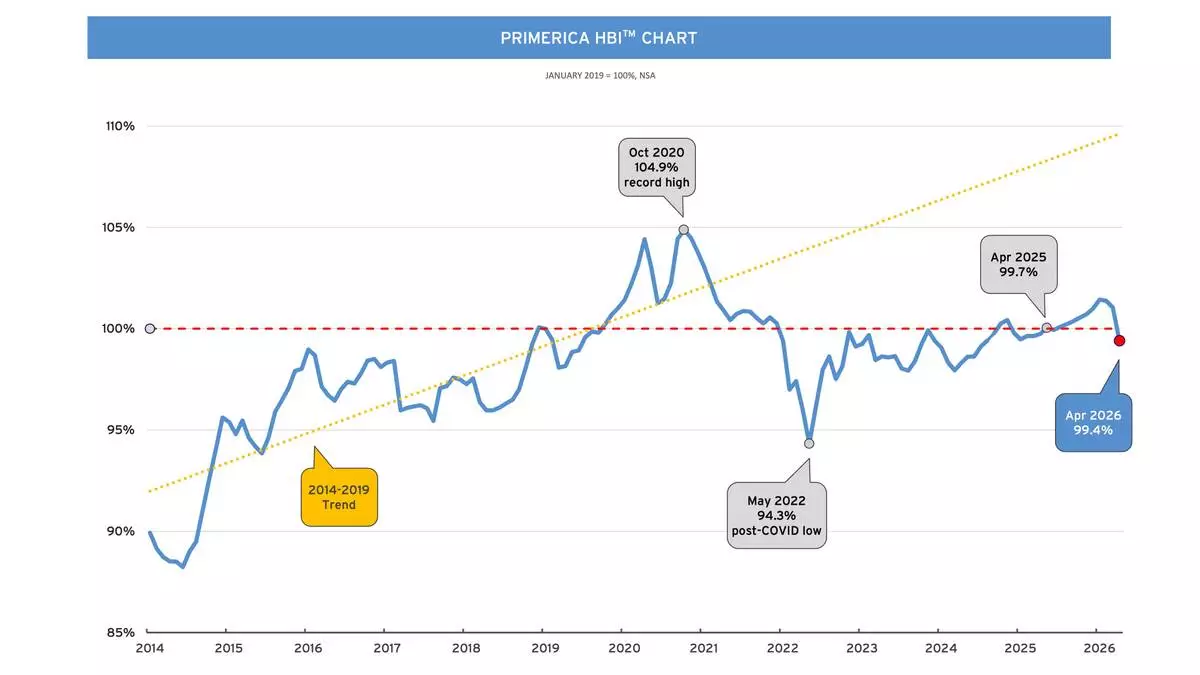
The latest Primerica Household Budget Index™ (HBI™) data, a monthly economic metric that examines how inflation and wage trends impact the ability of middle-income families to afford life’s everyday necessities, is estimated at 99.4% in April, down 1.7% from March and 0.3% from a year ago.
This press release features multimedia. View the full release here: https://www.businesswire.com/news/home/20260527431413/en/
The decline is driven mainly by increasing gas prices, which rose 11% in the past month and 28% year-over-year.
The Consumer Price Index (CPI), which measures inflation for a comprehensive basket of goods for all U.S. households, increased 3.8% in April compared to a year ago. Adjusting the CPI to narrow the impact of inflation to focus specifically on middle-income families and their purchase patterns, inflation rose to 4.4% in April 2026 compared to April 2025. The cost of necessity items as used in the HBI™ metric (food, utilities, gas, auto insurance, and health care) for middle-income Americans is up 5.5% from a year ago.
About the Primerica Household Budget Index™ (HBI™) Data
The Primerica Household Budget Index™ (HBI™) data is constructed monthly on behalf of Primerica by its chief economic consultant Amy Crews Cutts, PhD, CBE ®. The index measures the purchasing power of middle-income families with household incomes from $30,000 to $130,000 and is developed using data from the U.S. Bureau of Labor Statistics, the U.S. Bureau of Census, and the Federal Reserve Bank of Kansas City. The index looks at the cost of necessities including food, gas, auto insurance, utilities, and health care and earned income to track differences in inflation and wage growth.
Primerica’s HBI™ metric was created to fill an information void around the economy’s impact on middle-income families. Metrics like the Consumer Price Index (CPI) measure overall inflation but don’t offer a clear picture of how it impacts middle-income Americans. Middle-income households play a key role in driving consumer spending and the overall economy as they account for over 55% of the U.S. population. The purchasing power of middle-income families are a key barometer of real-time economic trends. Understanding middle-income households’ purchasing power is important because it shows whether they are gaining financial ground or falling behind.
The HBI™ data uses January 2019 as its baseline, with the value set to 100% at that point in time.
Periodically, prior HBI™ values may be modified due to revisions in the CPI series and Consumer Expenditure Survey releases by the U.S. Bureau of Labor Statistics (BLS). Beginning with the December 2024 release of the index, the expenditure weights have been updated to the most recent (Q1 2024) data and auto insurance has been added to the group of necessity items. For more information, visit householdbudgetindex.com.
About Primerica, Inc.
Primerica, Inc. is a leading diversified financial services distribution company serving middle-income households in the United States and Canada. Our licensed representatives educate families on how to prepare for a more secure financial future and help them achieve their financial goals with our term life insurance and third-party mutual funds, managed accounts, annuities, loans and other financial products. We insured over 5.5 million lives and had approximately 3.1 million client investment accounts as of December 31, 2025. Through our life insurance subsidiaries in North America, in 2025 Primerica was the #3 issuer of term life insurance, which we largely reinsure. Primerica stock is included in the S&P MidCap 400 and the Russell 1000 stock indices and is traded on The New York Stock Exchange under the symbol “PRI”. We are headquartered in Duluth, Georgia.
The latest Primerica Household Budget Index™ (HBI™) data, a monthly economic metric that examines how inflation and wage trends impact the ability of middle-income families to afford life’s everyday necessities, is estimated at 99.4% in April, down 1.7% from March and 0.3% from a year ago. The decline is driven mainly by increasing gas prices, which rose 11% in the past month and 28% year-over-year.
The latest Primerica Household Budget Index™ (HBI™) data, a monthly economic metric that examines how inflation and wage trends impact the ability of middle-income families to afford life’s everyday necessities, is estimated at 99.4% in April, down 1.7% from March and 0.3% from a year ago. The decline is driven mainly by increasing gas prices, which rose 11% in the past month and 28% year-over-year.