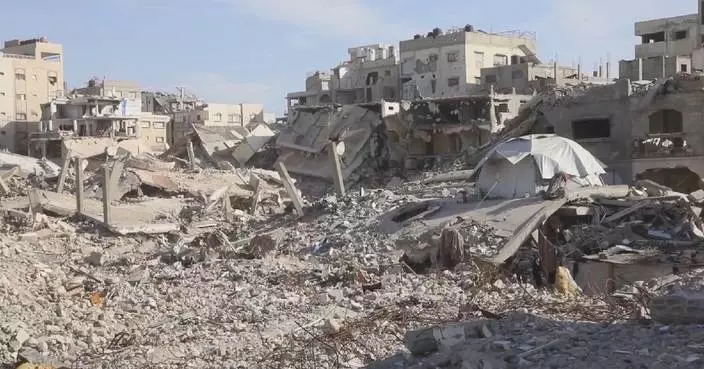
Germany's council of economic advisers cut its 2026 growth forecast on Wednesday, warning that the Middle East war, surging energy prices and persistent U.S. trade protectionism were placing fresh strain on Europe's largest economy after years of stagnation.
The German Council of Economic Experts, a panel of five economists appointed by the German president, said it now expected the economy to expand by just 0.5 percent this year, down 0.4 percentage points from its previous forecast issued last autumn, with the revision driven primarily by the war in the Middle East.
After a prolonged period of weak growth since 2019, the German economy is facing increased pressure to adapt as a result of recent geopolitical developments, the council said in its spring economic outlook.
The war and the resulting sharp rise in crude oil and gas prices, along with U.S. trade policy, were weighing on economic activity and eroding purchasing power through a deterioration in Germany's terms of trade, it said.
The council warned that the main downside risk to the outlook was that the war could drag on longer and cause more severe economic disruption than currently assumed.
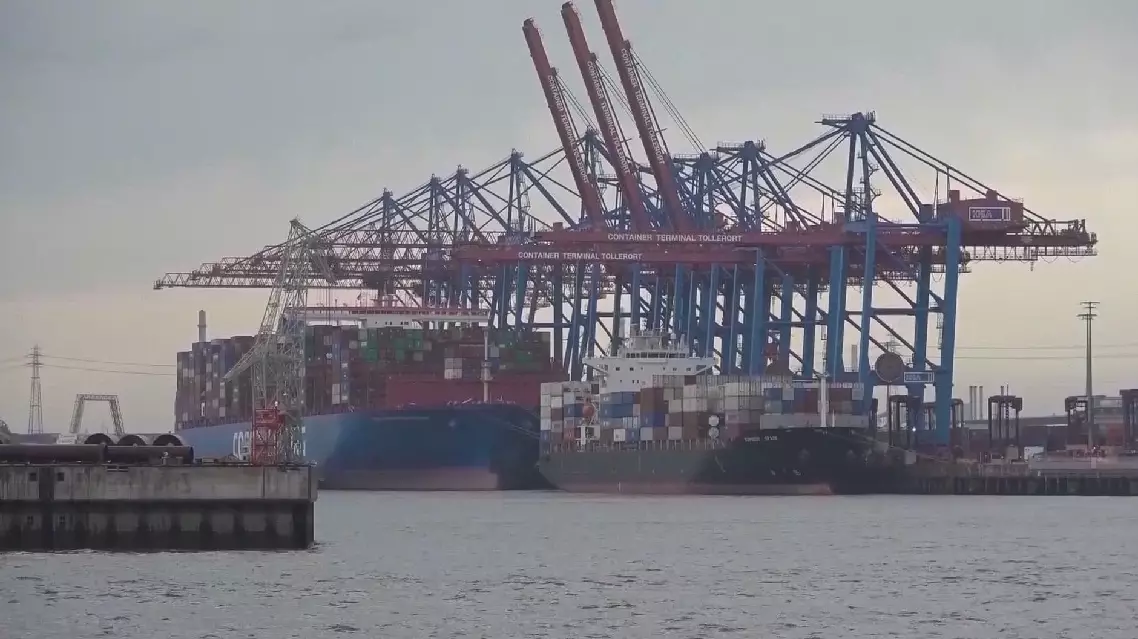
Germany's economy, heavily dependent on global markets and stable supply chains, is facing mounting external risks from energy crises, regional conflicts, and persistent trade frictions.
"Right now, our biggest concern is undoubtedly the supply chain. Germany, being a resource-poor country, relies heavily on imports of raw materials -- including oil and gas. The supply chain is vital; the German economy depends on it. However, as we have learned from the current situation, supply chains are not secure," said Georg-Rene Lubinski, partner of the Frankfurt office of Heussen law firm in Germany.
"I believe the biggest external challenge which we have in Germany today is the tariff system which has been put in place by the United States, first and foremost, that negatively affects global trade. So this is not good for anybody. And many conflicts, [especially] geopolitical conflicts like in Ukraine or in the Middle East with the Strait of Hormuz, I believe, in short term will be another challenge," said Joe Kaeser, Chairman of the Supervisory Board of Siemens Energy AG.
German council of economic experts cuts 2026 growth forecast