GLASGOW, Scotland (AP) — Scotland coach Steve Clarke has signed a new contract before the World Cup that could extend his tenure to a record 11 years.
Clarke’s new four-year deal was finalized on Thursday and runs through the 2030 World Cup and includes the 2028 European Championship that Scotland will co-host with England, Wales and Ireland.
“I am truly honored to lead my squad into our first men’s World Cup in 28 years and I’m proud to continue as head coach,” Clarke said in a statement from the Scottish Football Association.
The World Cup next month when Scotland will play in a group with Brazil, Morocco and Haiti was widely expected until recent weeks to be the 62-year-old Clarke’s farewell.
Qualifying for the World Cup last November — sealed by a hugely emotional 4-2 win over Denmark in Glasgow — restored Clarke’s popularity with fans after the team underperformed at Euro 2024.
The former Chelsea defender hired in 2019 is already Scotland’s most successful ever coach by qualifying for three major tournaments.
Scotland’s longest-serving coach is currently Craig Brown whose eight years in the job until 2001 included taking the Tartan Army to the 1998 World Cup.
In eight previous appearances at the World Cup, Scotland has never advanced from the group stage.
AP World Cup: https://apnews.com/hub/fifa-world-cup

FILE - Scotland players pose for a team photo ahead of the World Cup 2026 group C qualifying soccer match between Greece and Scotland, in Piraeus port, near Athens, Greece, Saturday, Nov. 15, 2025. (AP Photo/Yorgos Karahalis, File)

FILE - Scotland head coach Steve Clarke during the international friendly soccer match between Scotland and Japan in Glasgow, Scotland, Saturday, March 28, 2026. (AP Photo/Scott Heppell, File)
A federal judge has declined to halt President Donald Trump’s executive order creating a federal voter list and limiting mail voting, clearing the way for potential sweeping changes in how American elections are run shortly before this year's midterm elections.
U.S. District Judge Carl Nichols, a Trump appointee in Washington, late Wednesday rejected the request by Democrats and civil rights groups that had argued Trump’s order would likely be found unconstitutional because the states and Congress, not the president, have the power to set election rules. Nichols agreed with the Republican Trump administration's contention that it was too early to block the order because it has yet to be implemented.
Nichols' ruling leaves the door open for further challenges when the Trump administration moves to implement the president's directive. A separate lawsuit seeking to block the executive order is underway in Boston. No matter how rapidly the administration acts, no voting changes are expected during primary elections, which continue into next month.
“The Court recognizes that the Postal Service may ultimately issue a final rule that directly affects Plaintiffs or their members, or that the Government may develop State Citizenship Lists that omit specific individuals due to particularized flaws,” Nichols wrote. “Plaintiffs may, of course, renew their motions if and when those future actions occur. Until then, however, Plaintiffs cannot show that preliminary injunctive relief is warranted.”
The Trump administration has yet to formally issue lists of eligible voters, and those who filed the initial request for a temporary halt said they'd be back if the administration moves in that direction.
“We are ready to resume the fight if and when the administration takes those next steps,” said Juan Proaño, chief executive officer of the League of United Latin American Citizens, one of the organizations that sought the stay from Nichols.
Democratic party organizations that sought the order issued a joint statement with similar promises. “We are confident we will prevail in the end when this illegal and completely unworkable executive order is fully adjudicated,” the statement said.
Abigail Jackson, a White House spokeswoman, said: “Today’s ruling is a decisive victory for the rule of law and deals a blow against the Democrat strategy of suing first and finding legal arguments later."
Trump issued the order in March after a bill he supported to overhaul voting stalled in Congress. The order would have had the federal government create a list of eligible voters and then directed the U.S. Postal Service to deliver mail ballots only to those on the list. Election officials argued it was ripe for abuse and could cause chaos, and the postal union has objected to the idea of mail carriers policing ballots.
Since his 2020 presidential election loss to Democrat Joe Biden, Trump has groundlessly claimed mail voting is rife with fraud and has launched a federal investigation into that year's vote, even though repeated audits and investigations, including ones run by Republicans, found it was free of widespread fraud. Trump also has said he wants to “take over” election administration in Democratic areas.
Democrats and civil rights groups argued it was urgent that Nichols issue a restraining order amid the primary season, with states already gearing up for the fall midterm elections.
This was Trump's second executive order aimed at overhauling elections and voting. His initial election executive order, issued just months after he took office in his second term, has been blocked by multiplefederal judges. That order sought to require documentary proof of citizenship to register to vote, among other changes.
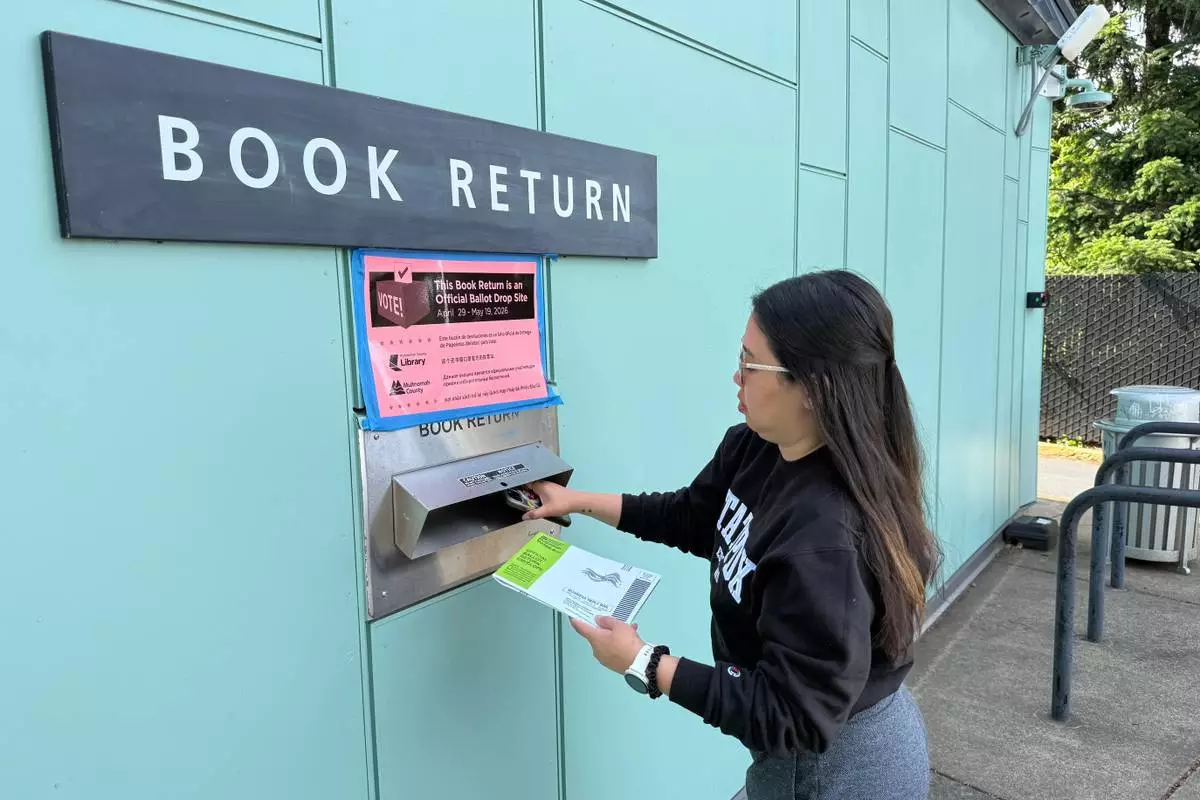
A voter drops off their ballot at a library in Portland, Ore. serving as a ballot dropbox site as Oregon held primary elections on May 19, 2026. (AP Photo/Claire Rush)
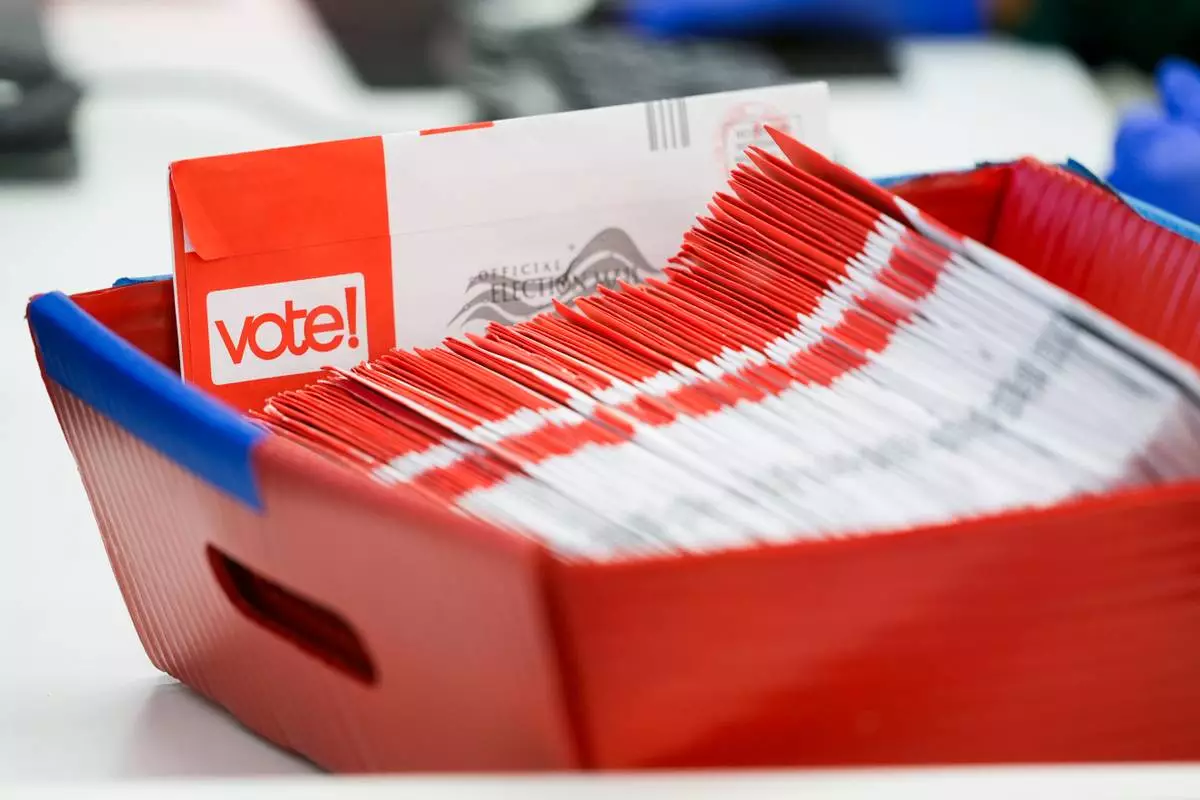
FILE - A tray of mail-in ballots is seen at King County Elections headquarters on Election Day, Nov. 5, 2024, in Renton, Wash. (AP Photo/Lindsey Wasson, File)
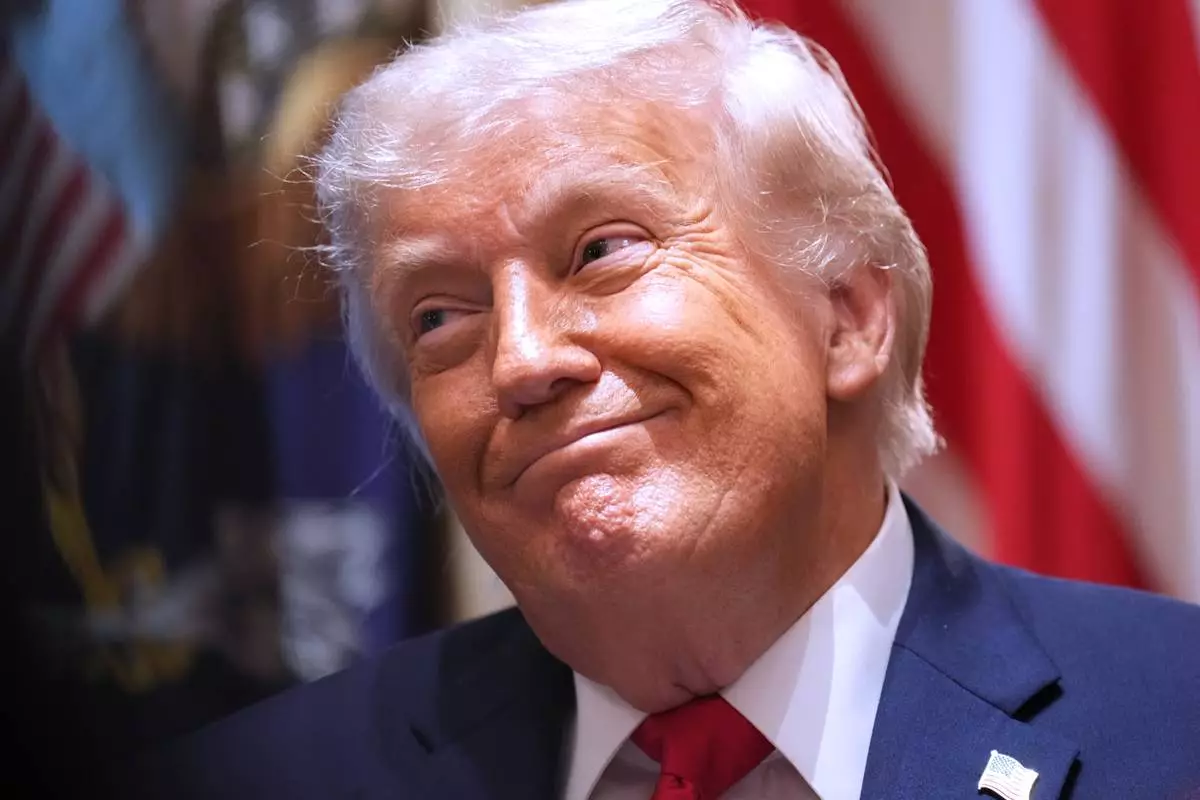
President Donald Trump listens during a Cabinet meeting at the White House, Wednesday, May 27, 2026, in Washington. (AP Photo/Jacquelyn Martin)