CHARLOTTE, N.C. (AP) — Kyle Busch died last week from hemorrhagic shock and disseminated intravascular coagulation after complications from bacterial pneumonia led to sepsis, according to the former NASCAR star's death certificate.
Busch had been experiencing symptoms of bacterial pneumonia for “days to weeks” before sepsis set in, according to the certificate obtained by The Associated Press in Mecklenburg County, North Carolina.
The manner of death was listed as “natural.”
The death certificate also said Busch, who was 41, was cremated in Mooresville, North Carolina, following an autopsy.
His family had announced Busch died after severe pneumonia progressed into sepsis, resulting in rapid and overwhelming complications.
Sepsis is considered a life-threatening medical emergency that occurs when the body has an extreme, overactive response to an infection, causing the immune system to damage its own tissues and organs, according to the Centers for Disease Control and Prevention.
Typically the immune system releases chemicals to fight off pathogens like bacteria, viruses or fungi, but with sepsis the response goes into overdrive. The results can cause widespread inflammation, form microscopic blood clots and make blood vessels leak.
Busch had been plenty busy leading up to his death despite being sick.
He was thought to have had a sinus cold while racing at Watkins Glen on May 10 and radioed in to his team saying that he needed a “shot” from a doctor after the race.
But he continued racing and won the Truck Series race at Dover before finishing 17th in the All-Star race, five days before his death. He also attended the opening of a go-kart track with his 11-year-old son, Brexton, last week.
Busch was preparing for the Coca-Cola 600 at Charlotte Motor Speedway when the family announced he would not be competing due to a “severe illness."
Busch was testing in the Chevrolet racing simulator in Concord on May 20 when he became unresponsive and was taken to a hospital in Charlotte, several people familiar with the situation told the AP. The people spoke on condition of anonymity because those details had not been disclosed by Busch’s team or family.
An unidentified caller on an emergency 911 call placed late that afternoon told the dispatch: “I’ve got an individual that’s (got) shortness of breath, very hot, thinks he’s going to pass out, and is producing a little bit of blood, coughing up some blood.”
The caller said Busch was lying on the bathroom floor inside the complex and told dispatch “he is awake,” according to audio provided by the Cabarrus County Sheriff’s Office. The man gave directions on where emergency responders should go and asked that they turn off any sirens upon arrival.
Busch was taken to a hospital, where he died the following day.
He was a two-time Cup Series champion who won a record 234 races across NASCAR's top three national series.
Most of his success came with Joe Gibbs Racing before he moved on to join Richard Childress Racing.
NASCAR CEO Steve O'Donnell called Busch a certain first-ballot Hall of Famer and said there was some conversation about adding him to this year's class even though the selection process had already been completed.
No public memorial has been announced for Busch.
AP auto racing: https://apnews.com/hub/auto-racing
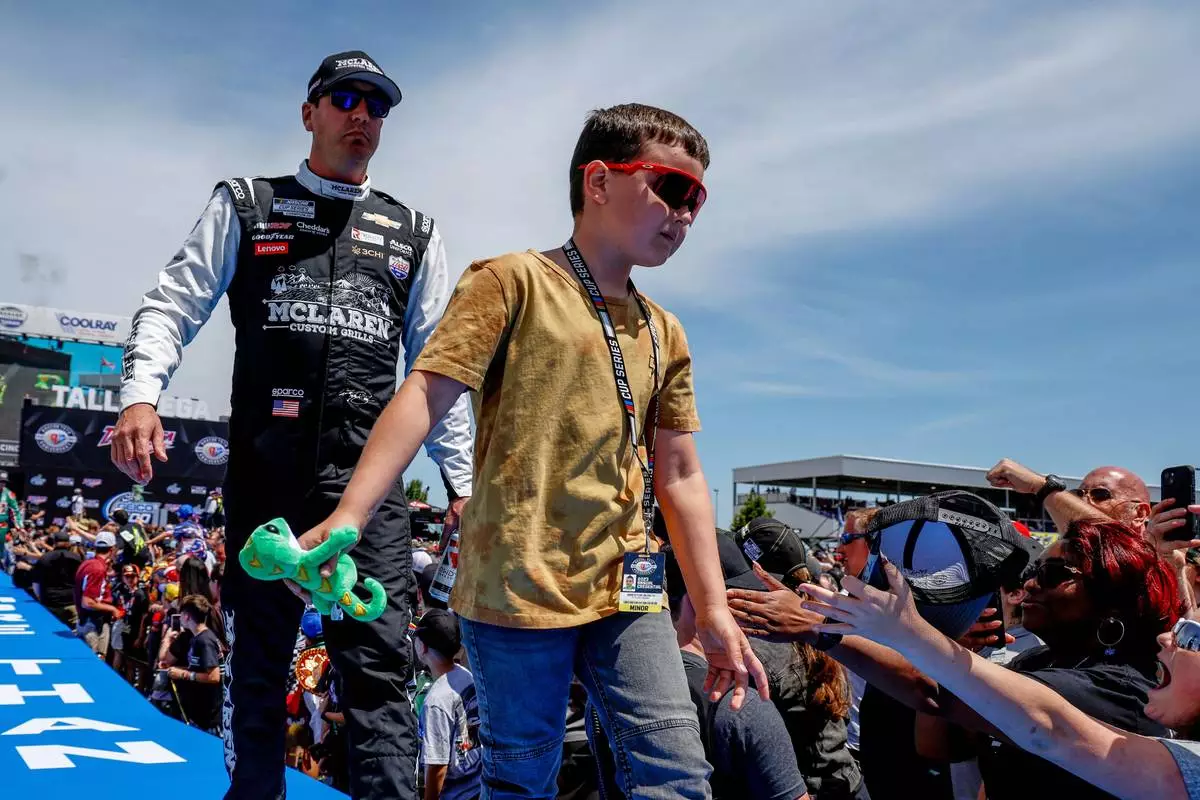
FILE - Kyle Busch, left, and his son greet fans before a NASCAR Cup Series auto race at Talladega Superspeedway, April 23, 2023, in Talladega, Ala. (AP Photo/Butch Dill, File)
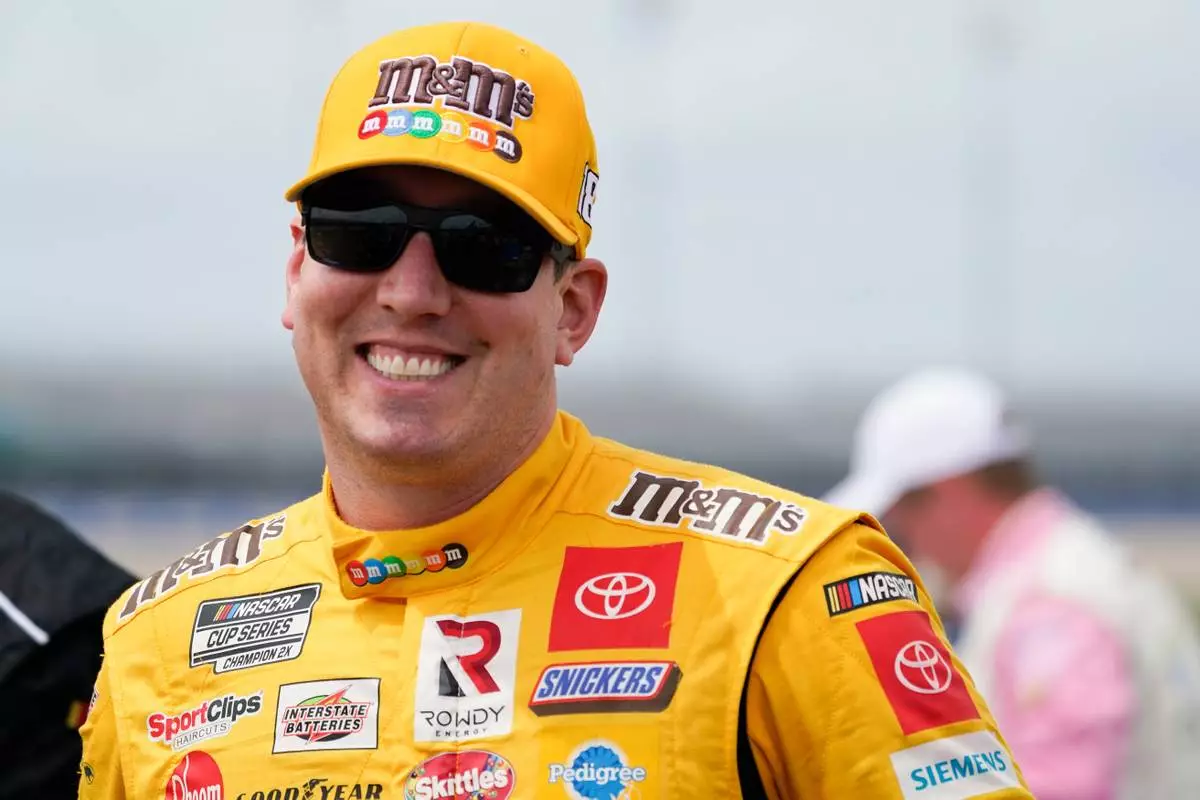
FILE - Kyle Busch waits for the start of a NASCAR Xfinity Series auto race Saturday, June 19, 2021, in Lebanon, Tenn. (AP Photo/Mark Humphrey, File)
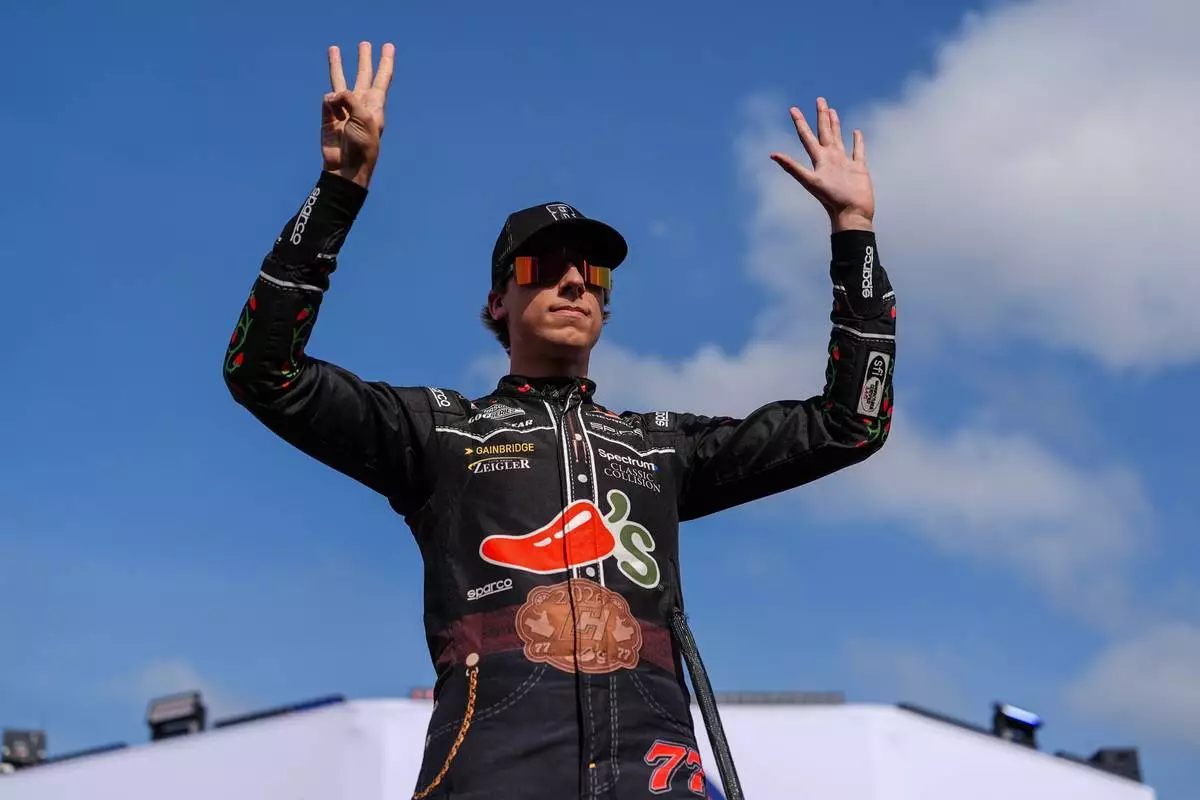
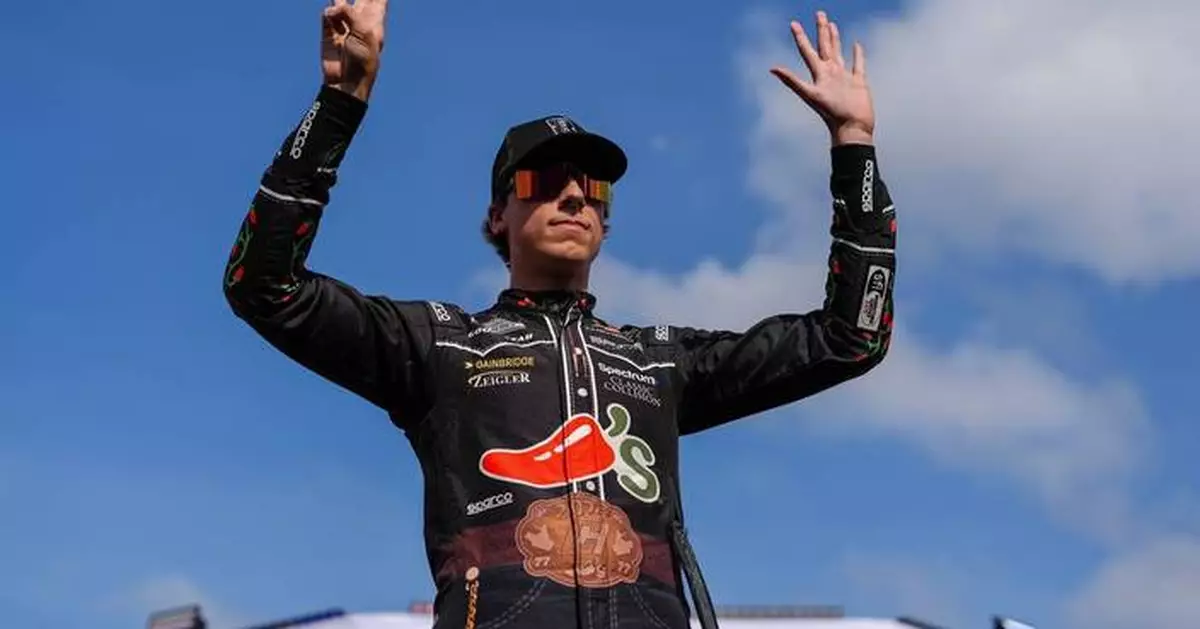
Carson Hocevar holds up eight fingers in honor of late driver Kyle Busch prior to a NASCAR Cup Series auto race, Sunday, May 24, 2026, in Charlotte, N.C. (AP Photo/Matt Kelley)
BATON ROUGE, La. (AP) — Louisiana lawmakers passed a new congressional map Friday designed to pick up a Republican seat while leaving the state with just one of its two majority-Black House districts represented by Democrats.
Approval of the new House map came a month after the U.S. Supreme Court struck down the state’s current map as an illegal racial gerrymander, weakening the landmark 1965 federal Voting Rights Act. That decision intensified a national redistricting battle fueled by President Donald Trump’s efforts to protect the Republicans’ slim House majority in the midterm elections.
Louisiana Republicans had considered drawing a map giving the party a shot at winning all six of the state’s U.S. House seats. But that would have required adding more Black voters to Republican-held districts, potentially backfiring with losses. Some Republicans said a 5-1 map better protects U.S. House Speaker Mike Johnson from facing a difficult reelection.
Republican Gov. Jeff Landry is expected to sign the new map into law.
In the weeks following the Supreme Court’s decision, several other Republican-controlled Southern states have seized upon a weakened federal Voting Rights Act to try to redraw their own congressional districts. It’s the latest flare-up in a heated national redistricting battle heading into the November elections, spurred along by President Donald Trump.
So far, Republicans are winning the redistricting contest. But that doesn’t necessarily mean they will win a narrowly divided U.S. House in November. So far, Republicans think they could gain as many as 14 seats from their redistricting efforts, while Democrats think they could gain six seats from new districts in California and Utah.
In Louisiana, Republicans currently hold four of six congressional seats on a court-ordered map drawn in 2024 to comply with the Voting Rights Act by including a second district with a majority-Black population.
That map, however, was challenged in court, and the Supreme Court responded on April 30 by striking it down as an illegal racial gerrymander.
Landry postponed the state’s U.S. House primary, scheduled for May 16, until later this summer to allow time for Republican lawmakers to draw and pass a new map.
The proposed map redraws Democratic U.S. Rep. Cleo Fields' district, clustering it around predominantly white communities in the Baton Rouge area and southern Louisiana. It also adds part of Baton Rouge to a heavily Democratic, majority-Black district based in New Orleans currently represented by Democratic U.S. Rep. Troy Carter.
More lawsuits were expected over the new map.
Democrats say the proposed map could still constitute a racial gerrymander because it packs Black voters into a single congressional district. Meanwhile, the plaintiffs in the U.S. Supreme Court's decision criticized the Legislature's map for leaving a majority-Black district in place.
Several other Southern states also have acted on redistricting since the Supreme Court's decision.
Florida’s Legislature passed new congressional districts just hours after the ruling, completing a redrawing that was in the works in anticipation of the decision. It could yield Republicans as many as four additional seats in the midterm elections.
Tennessee adopted new U.S. House districts a week after the ruling, carving up a majority-Black district based in Memphis in a Republican attempt to win an additional seat.
In Alabama, Republicans are attempting to pick up another seat by redrawing two districts where Black residents compose a majority or close to it. Democrats hold both seats, and the proposal is mired in a court battle.
South Carolina’s Senate, meanwhile, decided against redistricting, despite pressure from Trump.
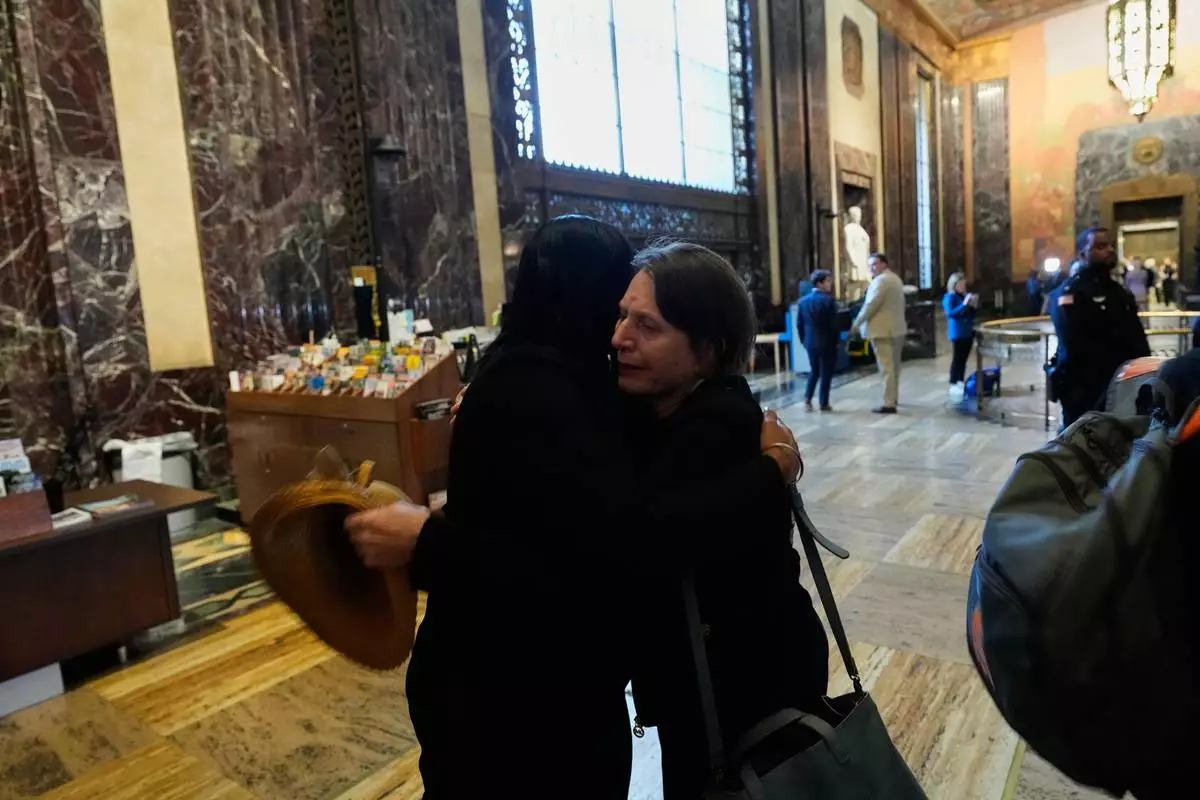
Mary Anne Mushatt, of the League of Women Voters and the Orleans Parish Democratic Committee, right, hugs Rep. Tammy T. Phelps, D-District 3, after a redistricting plan to eliminate a majority-Black congressional district, in response to a U.S. Supreme Court ruling, was passed by the House in Baton Rouge, La., Thursday, May 28, 2026. (AP Photo/Gerald Herbert)
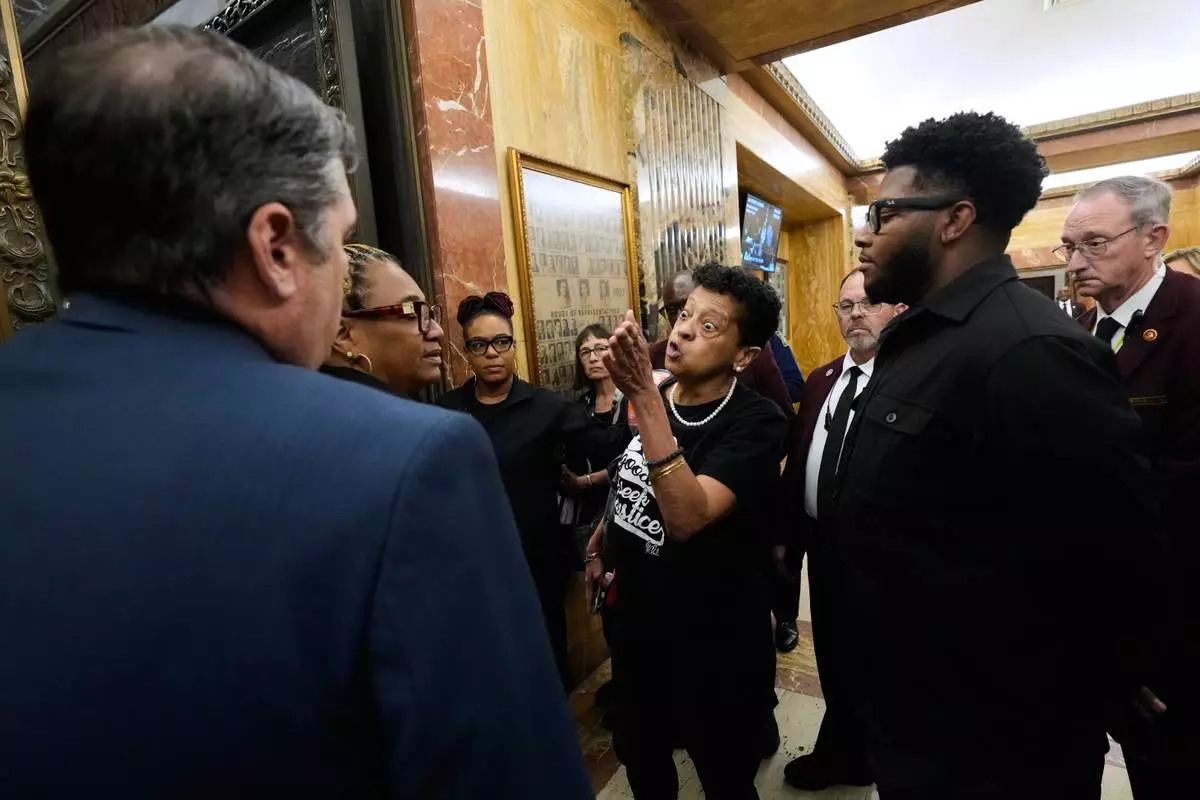
A person opposed to the redistricting plan reacts as she leaves the Louisiana House chambers after the plan to eliminate a majority-Black congressional district, in response to a U.S. Supreme Court ruling, was passed in Baton Rouge, La., Thursday, May 28, 2026. (AP Photo/Gerald Herbert)
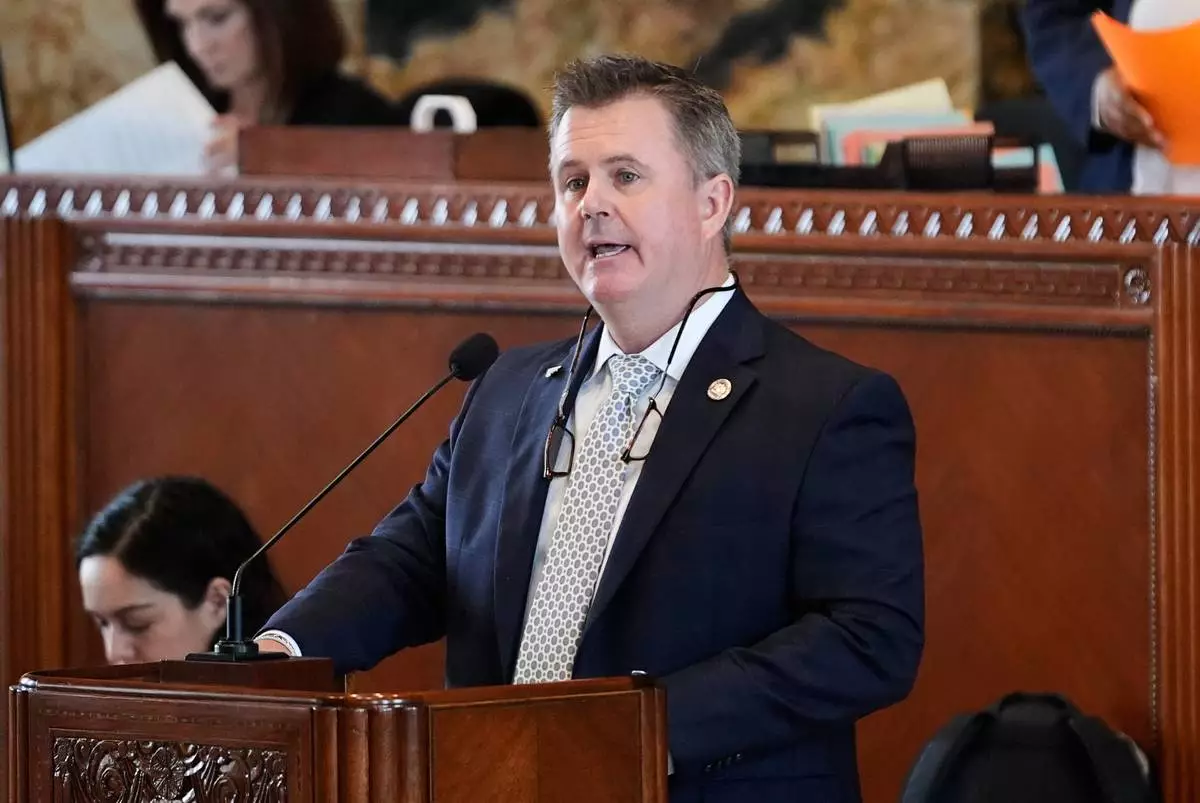
Louisiana Rep. Gerald Beaullieu, IV, R-Dist 48, speaks prior to a Louisiana House vote on a redistricting plan to eliminate a majority-Black congressional district in response to a U.S. Supreme Court ruling, in Baton Rouge, La., Thursday, May 21, 2026. (AP Photo/Gerald Herbert)
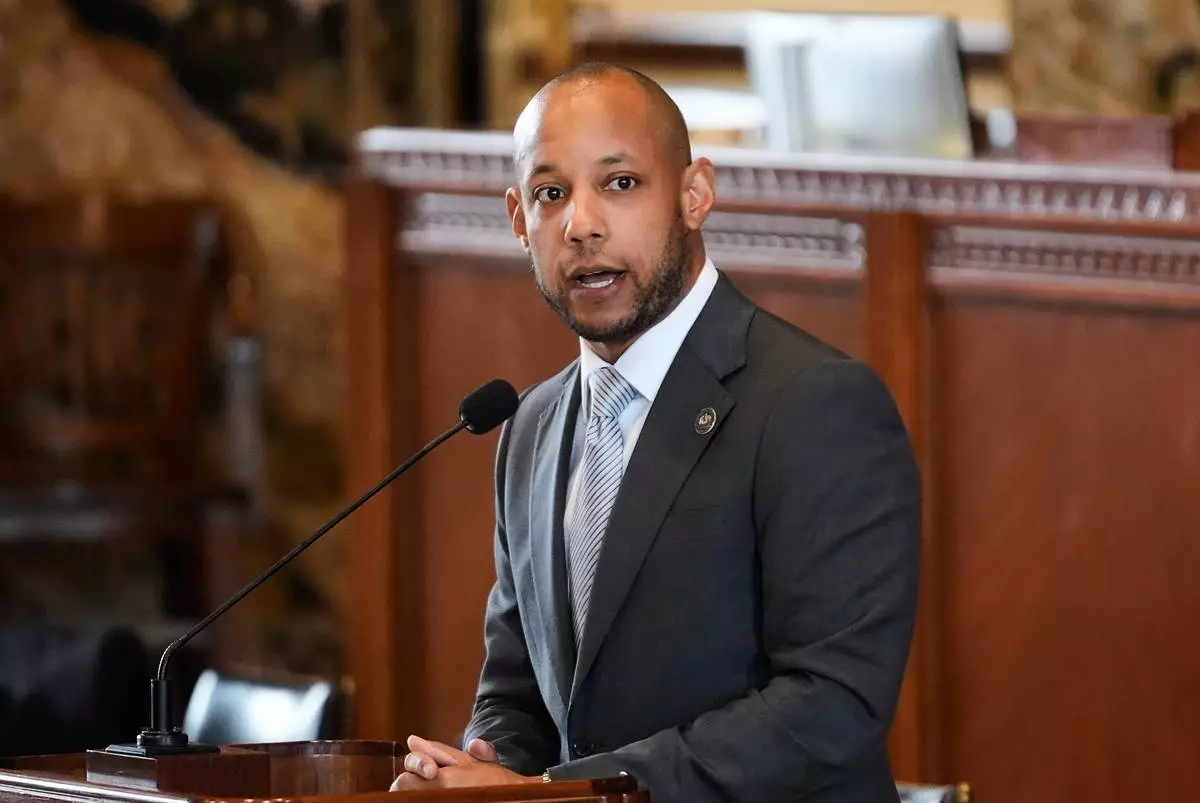
Louisiana Rep. Kyle M. Green, Jr., D-Dist 83, speaks prior to a Louisiana House vote on a redistricting plan to eliminate a majority-Black congressional district in response to a U.S. Supreme Court ruling, in Baton Rouge, La., Thursday, May 21, 2026. (AP Photo/Gerald Herbert)
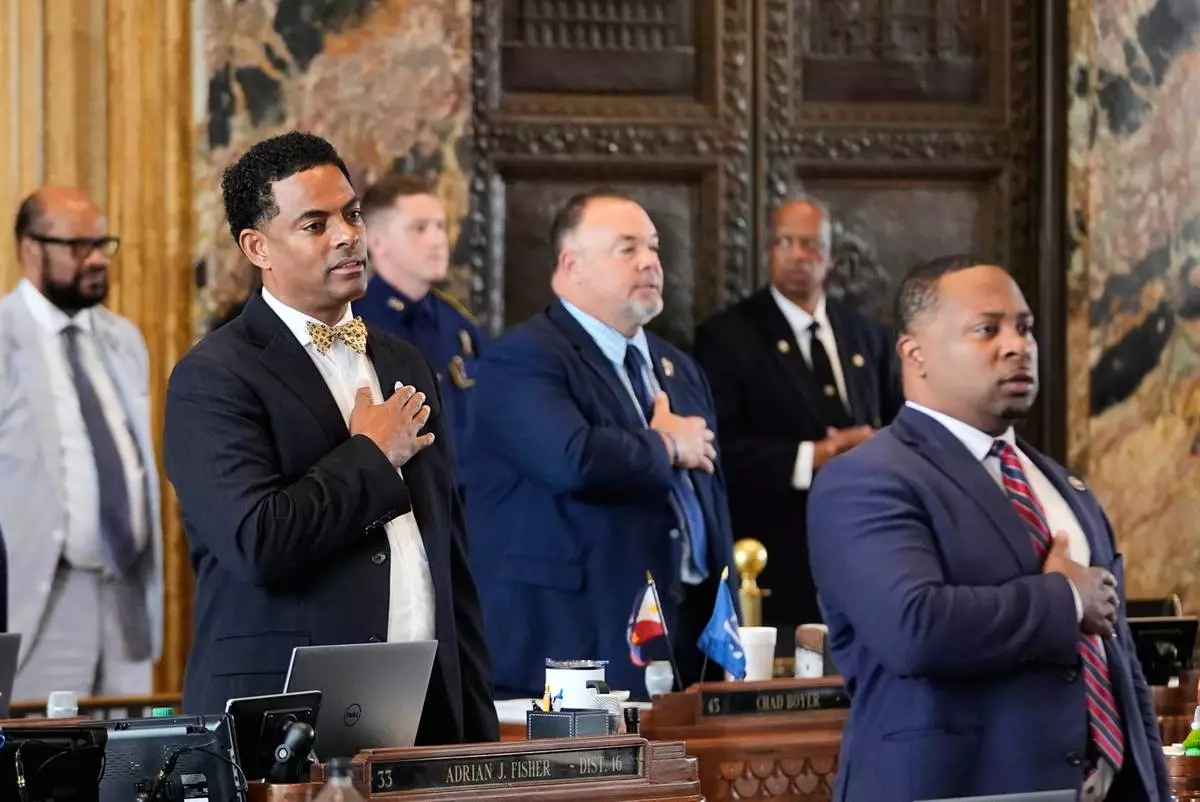
Louisiana Reps. Adrian Fisher, D-Dist 16, left, Chad Michael Boyer, R-Dist 46, and C. Travis Johnson, D-Dist 21, right, recite the pledge of allegiance prior to a house vote on a redistricting plan to eliminate a majority-Black congressional district in response to a U.S. Supreme Court ruling, in Baton Rouge, La., Thursday, May 21, 2026. (AP Photo/Gerald Herbert)