SIDOARJO, Indonesia (AP) — Residents in the East Java province of Indonesia scattered flowers, paid their respects and prayed at the edge of a mud lake on Friday, the 20th anniversary of the eruption of the Lusi mud volcano that inundated villages and killed at least 14 people.
The eruption on May 29, 2006, was likely triggered by commercial gas drilling by a local exploration company, according to scientific research, contradicting an Indonesian government minister at the time who insisted it was a natural disaster.
Click to Gallery
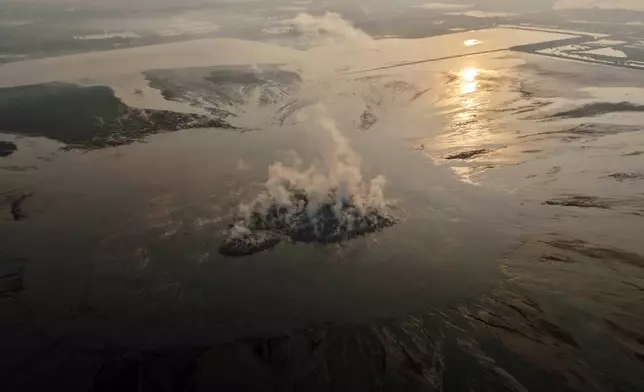
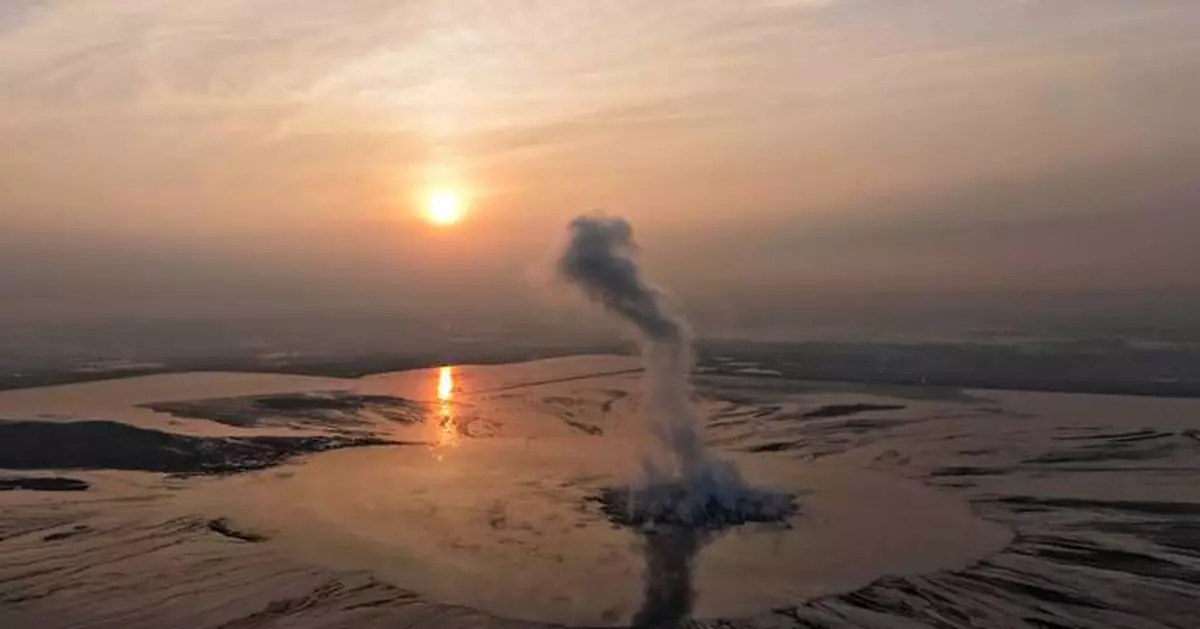
Smoke billows from the crater of the "mud volcano" that was caused by a gas exploration accident in 2006, in Sidoarjo, East Java, Indonesia, Friday, May 29, 2026. (AP Photo/Trisnadi)
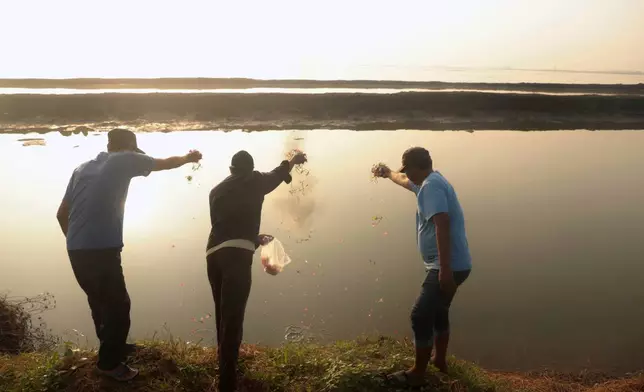
People scatter flowers to mark 20 years since a gas exploration accident triggered a mud flow that inundated more than a dozen villages and permanently displaced tens of thousands of people, in Sidoarjo, East Java, Indonesia, Friday, May 29, 2026. (AP Photo/Trisnadi)
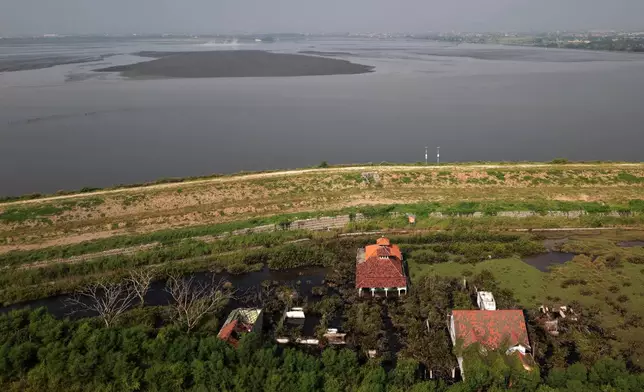
Abandoned houses and mosque are seen near the dyke built to contain hot mud that has been flowing since a gas exploration accident occurred in 2006, in Sidoarjo, East Java, Indonesia, Friday, May 29, 2026. (AP Photo/Trisnadi)
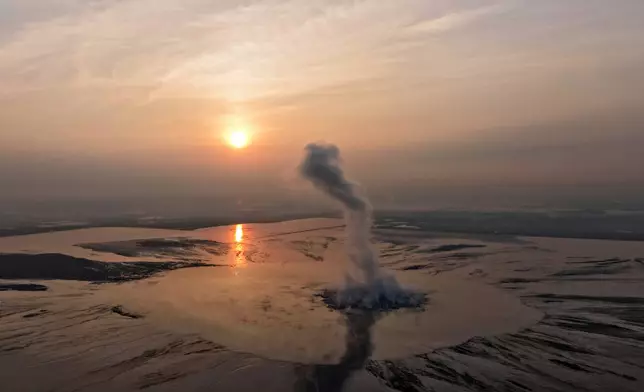
Smoke billows from the crater of the "mud volcano" that was caused by a gas exploration accident in 2006, in Sidoarjo, East Java, Indonesia, Friday, May 29, 2026. (AP Photo/Trisnadi)
Residents gathered to remember those killed, and the homes and neighborhoods they once lived in before boiling mud slowly swallowed them up in the Porong subdistrict in Sidoarjo.
For years, experts have been searching for ways to slow the spread of the sludge. But all measures, including the construction of holding dams, to stop it have failed. The volcano continues to erupt to this day.
The 14 deaths included a worker who was killed in August 2006 when the digger he was using fell off a levee, and the 13 other victims died in November 2006 when an underground gas pipeline beneath one of the holding dams exploded.
Tens of thousands of residents were displaced after losing their homes, land, jobs and even their ancestors’ graves.
One resident, Sastro, 55, lost his house and his former job as a factory worker. The factory where he worked was submerged in mud, along with thousands of other structures within the 572-hectare (more than 1,400-acre) sea of mud.
Twenty years later, he now works as a motorcycle taxi driver, ferrying visitors on daily trips to the site, which has become a tourist destination in East Java.
“As far as I can tell, things have been really tough ever since the Lapindo incident,” said Sastro, who like other Indonesians uses a single name.
Local mining company PT Lapindo Brantas was exploring for gas in the area of the disaster in May 2006.
Indonesia’s president at the time, Susilo Bambang Yudhoyono, ordered the company to pay $420 million in compensation to villagers who lost their homes and to help the government fund its emergency operations.
However, the government subsequently provided emergency financial assistance to compensate the affected victims. While Lapindo Brantas did provide some aid, it was a fraction of the total.
After two decades, white smoke can be seen billowing from the center of the mud lake, indicating that hot mud is still erupting from the vent. Excavators dredging the bottom of the mud pond have become a common sight.
Aerial photographs show the vent as a small dot in the middle of the vast expanse of the mud lake. That dot marks the vent that caused one of the largest and longest-lasting disasters in Indonesia.
The mud flow has affected more than 1,100 hectares (around 2,700 acres) as it submerged 19 villages across three subdistricts.
To this day, many survivors still face issues. They include environmental contamination, health and civil registration problems, and the uncertainty of life left in the wake of the disaster, said Lucky Wahyu Wardana, from the Indonesian Forum for Living Environment, or WALHI, in East Java.
“The Lapindo tragedy must serve as a lesson for the government to stop relying on extractive industries, as the costs of the impact far outweigh the benefits.
“Not only have lives been lost, but children who once lived in the affected areas have lost their future and face health consequences,” Wardana said. “In addition, many parents have lost their sense of history regarding their origins and hometowns.”
Edna Tarigan reported from Jakarta.
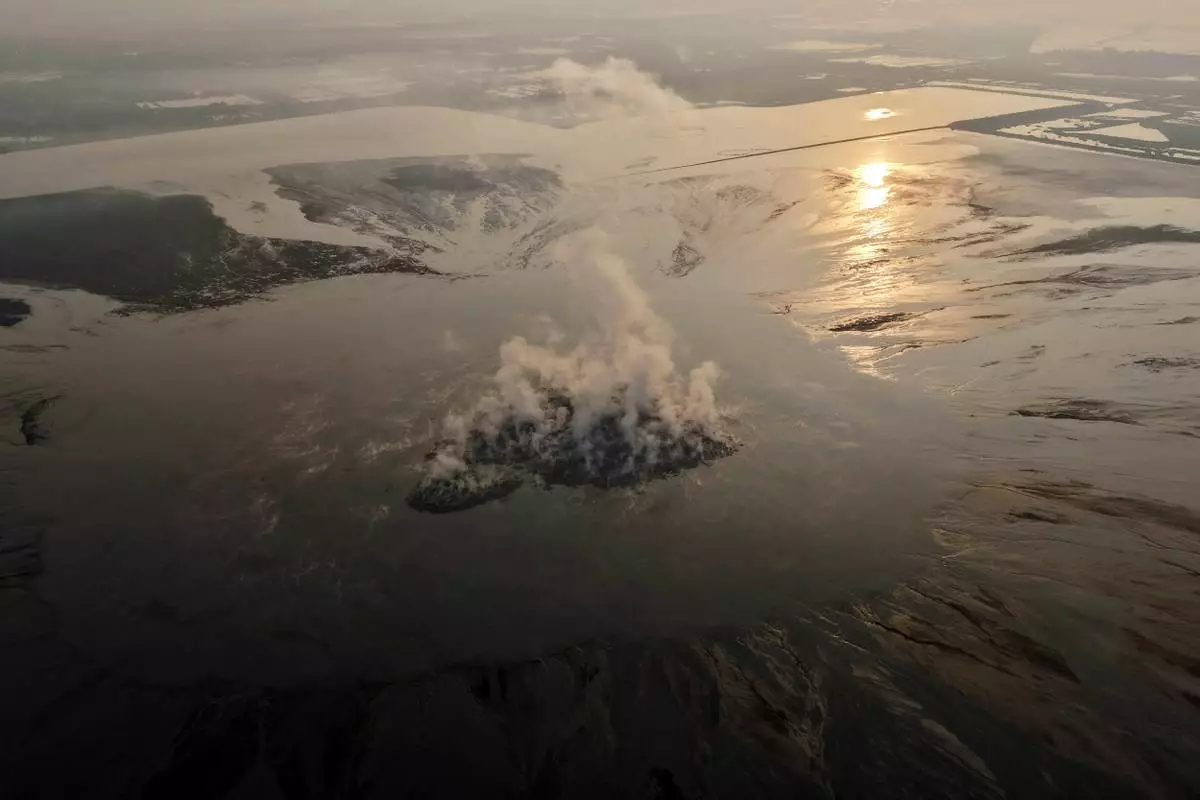
Smoke billows from the crater of the "mud volcano" that was caused by a gas exploration accident in 2006, in Sidoarjo, East Java, Indonesia, Friday, May 29, 2026. (AP Photo/Trisnadi)
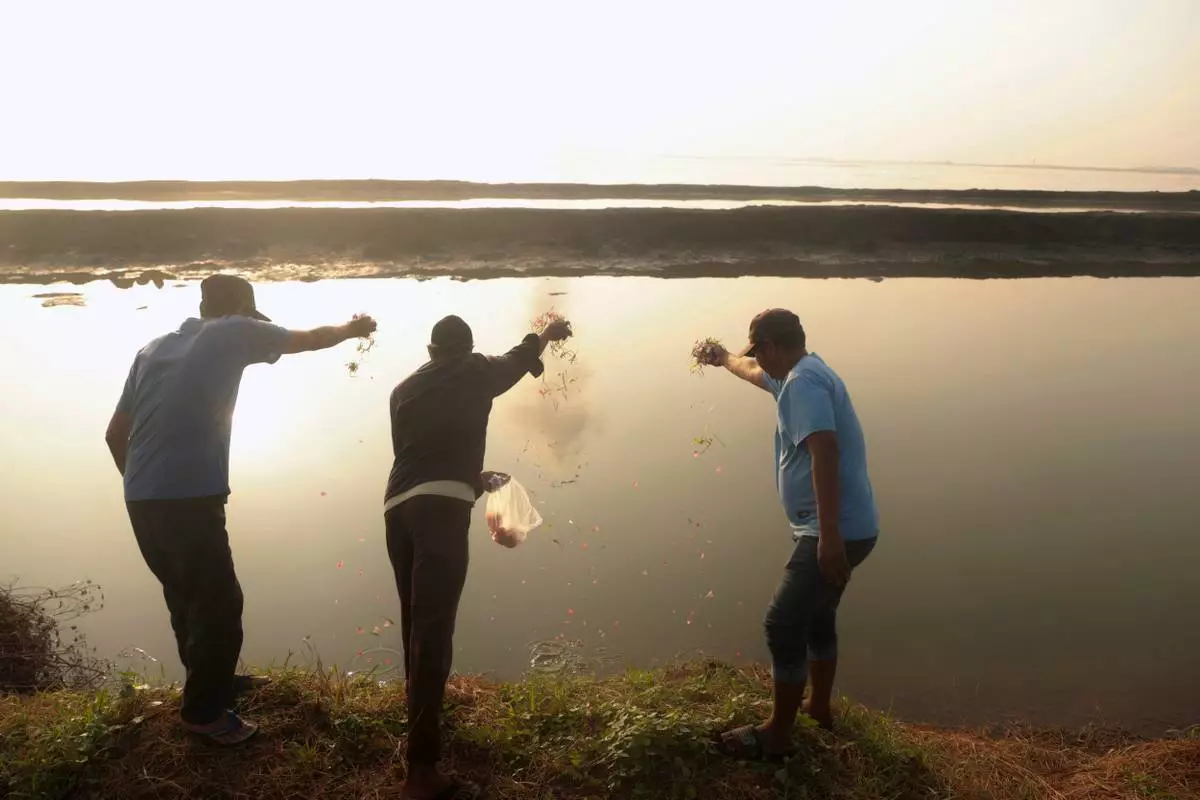
People scatter flowers to mark 20 years since a gas exploration accident triggered a mud flow that inundated more than a dozen villages and permanently displaced tens of thousands of people, in Sidoarjo, East Java, Indonesia, Friday, May 29, 2026. (AP Photo/Trisnadi)
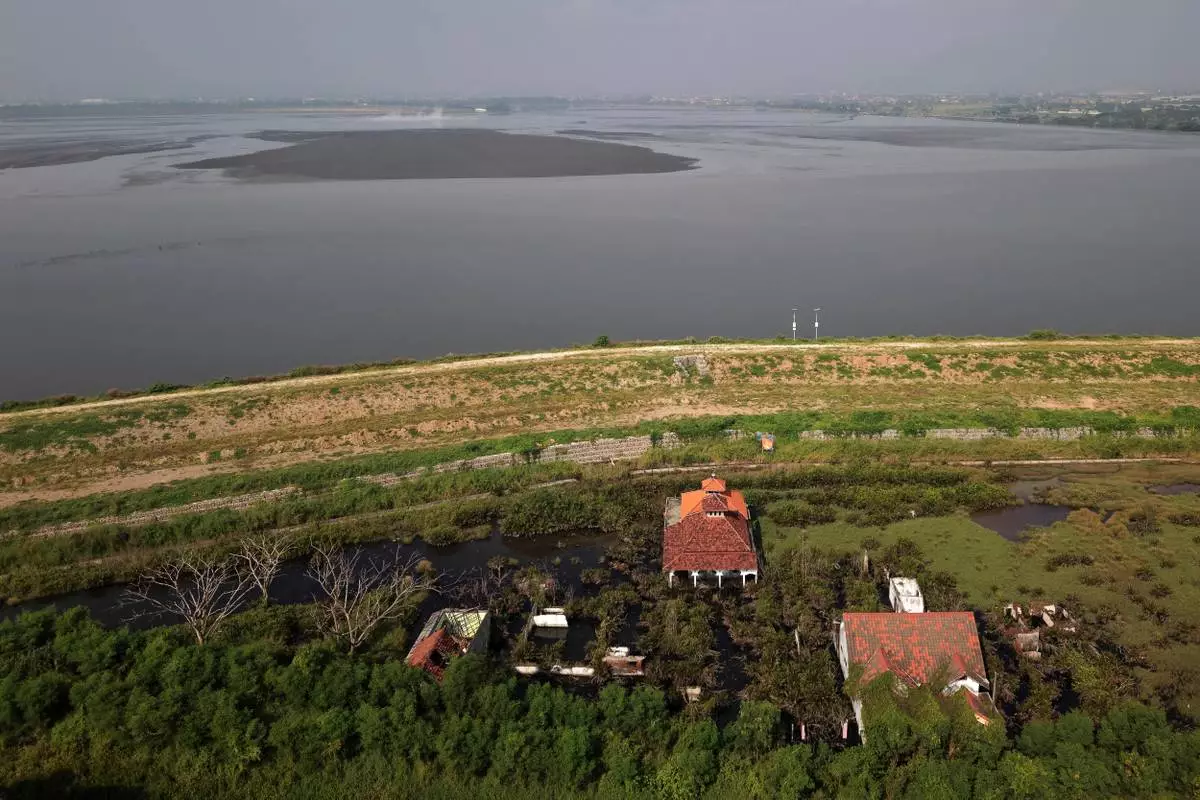
Abandoned houses and mosque are seen near the dyke built to contain hot mud that has been flowing since a gas exploration accident occurred in 2006, in Sidoarjo, East Java, Indonesia, Friday, May 29, 2026. (AP Photo/Trisnadi)
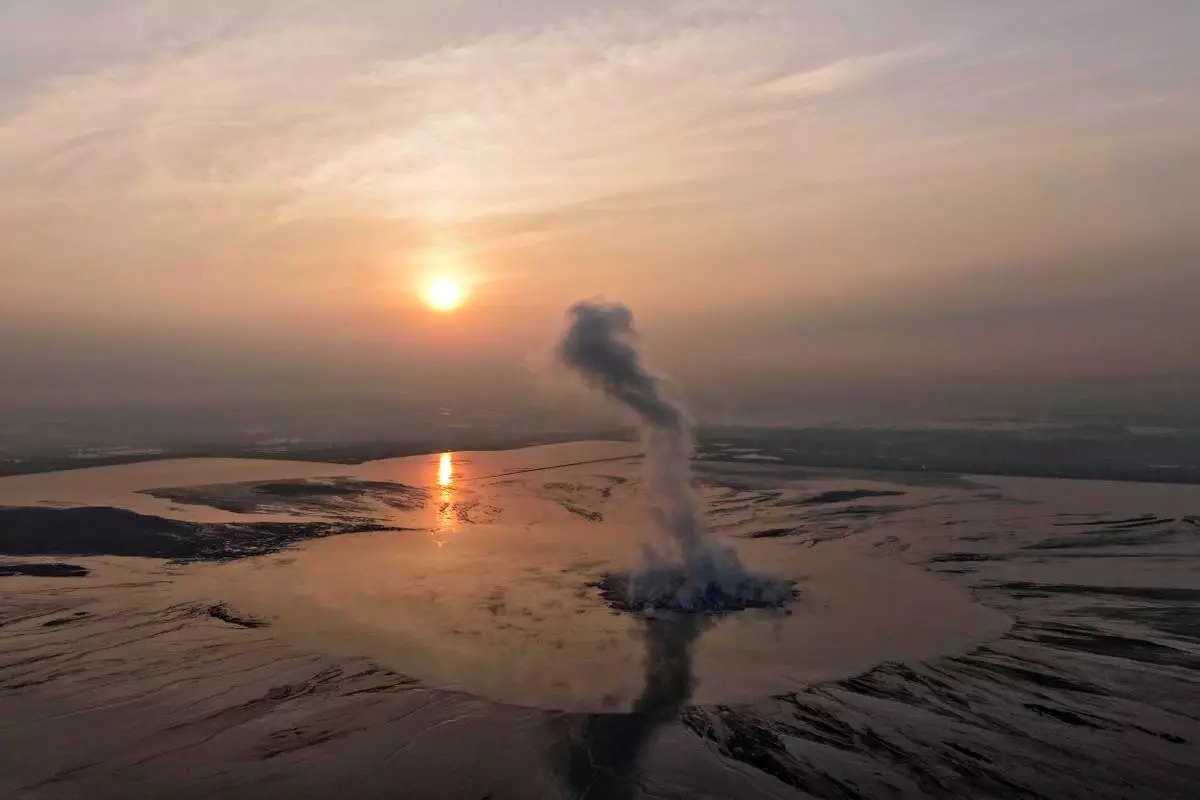
Smoke billows from the crater of the "mud volcano" that was caused by a gas exploration accident in 2006, in Sidoarjo, East Java, Indonesia, Friday, May 29, 2026. (AP Photo/Trisnadi)