Japan's government and central bank spent a record 11.73 trillion yen (around 74 billion U.S. dollars) on currency market intervention between April 28 and May 27, in an effort to support the country's currency amid its steep fall against the U.S. dollar, the finance ministry said on Friday.
The ministry did not disclose the specific dates or how many times the interventions were conducted.
The yen surged to the 155 level against the U.S. dollar from the upper 160 range on April 30, following a yen-buying, dollar-selling operation. The Japanese currency also strengthened sharply on several other occasions during the period.
However, the yen has recently resumed its weakening trend and is trading in the 159 range against the U.S. dollar at the time of reporting.
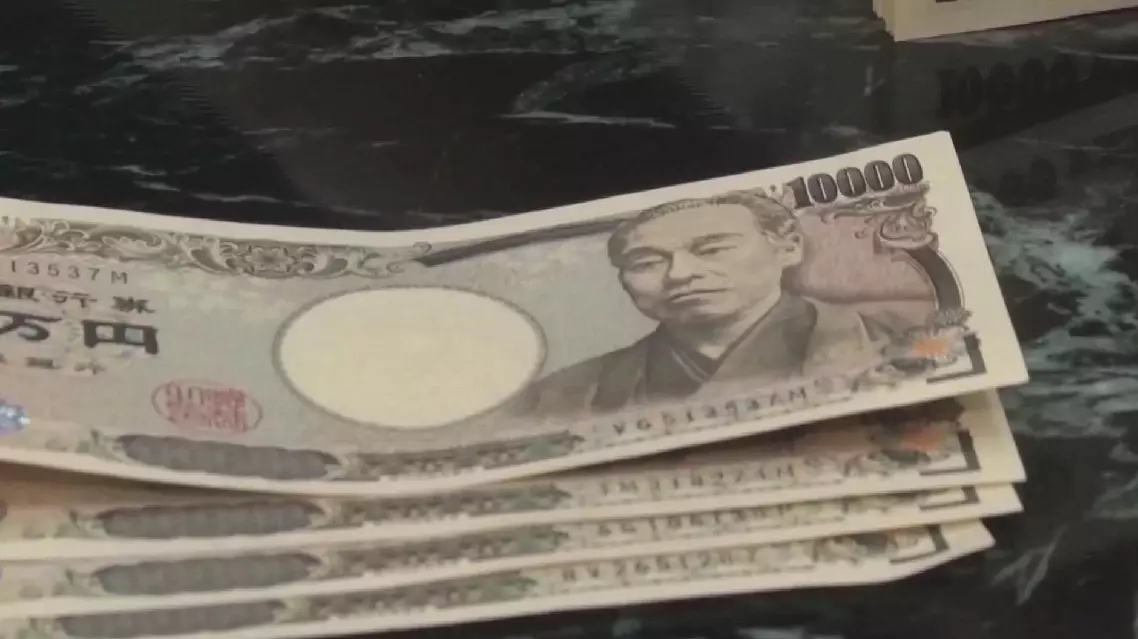
Japan spends record 11.73 trillion yen on foreign exchange intervention in April-May: authorities
Residents near the epicenter of the powerful earthquake that struck Panama on Friday have begun assessing the damage, after the 7.6-magnitude tremor forced many families out of their homes and into temporary shelters.
The quake jolted the country shortly after midday, with its epicenter about 39 km northwest of Tonosi in Los Santos Province. Officials have reported more than 900 homes damaged, along with 419 schools and 21 health facilities, and the government declared a state of emergency on Saturday to mobilize resources and assist communities in need.
The destruction extends beyond modern buildings to the region's colonial heritage. Part of the bell tower of the centuries-old San Atanasio Church collapsed in La Villa de Los Santos, a town in the country's southwest, while traditional homes suffered serious damage.
Among the displaced in La Villa de Los Santos, school worker Jesus Salvador Perez and his family took shelter at a local stadium, where medical workers were providing services in tents.
"The ceiling fell, air-conditioning units came down, and cracks appeared in the walls. It's a two-story building. There will be no school or work tomorrow," said Perez, recalling the moment the earthquake struck.
The timeline for their return remains far from certain. Perez said authorities had asked residents to wait 72 hours while experts inspected their homes and determined whether it was safe to return.
The scale of the response has drawn the country's leadership to the disaster zone, bringing Panamanian President Jose Raul Mulino to the affected area on Saturday. He talked with residents and called for patience as the authorities work to address the needs of affected communities.
The recovery, however, is about more than bricks and mortar, and it was visible at the local stadium, where baseball coach Luis Paredes was trying to help the youngest survivors cope with the disaster.
"We got them a soccer ball so they could play for a while and try to forget that nightmare. But I think it will stay in their memories," said Paredes.
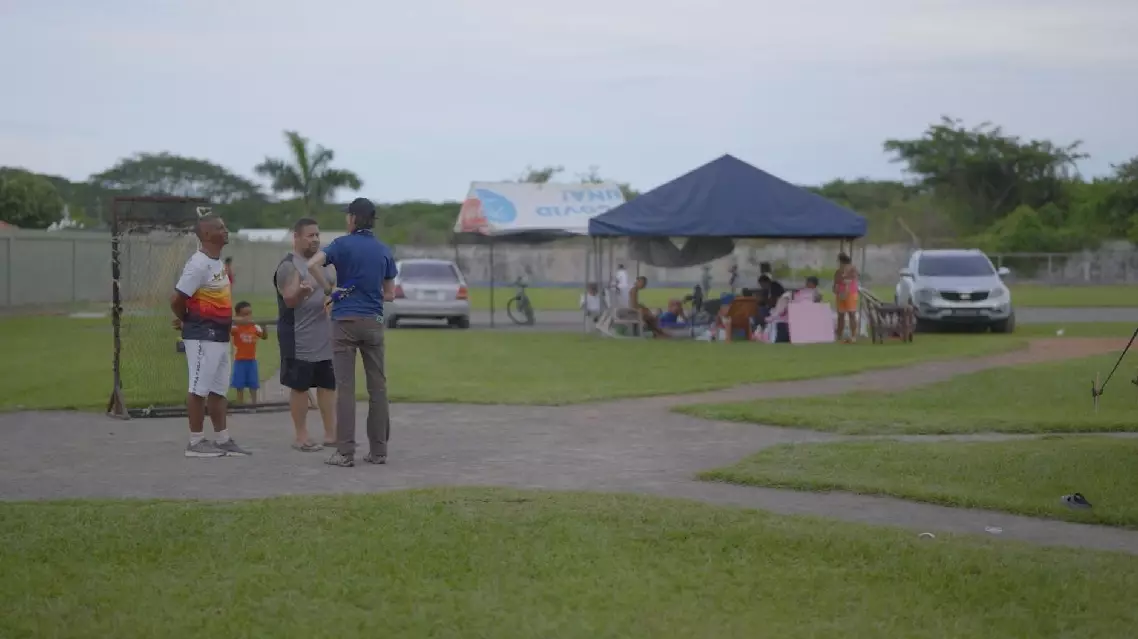
Residents near epicenter of Panama's 7.6-magnitude quake assess damage