Lebanese Prime Minister Nawaf Salam accused Israel on Saturday of pursuing a "scorched-earth policy", saying Lebanon will persist in diplomatic negotiations and strive to reach a new ceasefire agreement as Israel escalates attacks across southern Lebanon. In a televised address, Salam denounced Israel's "dangerous and unprecedented" military escalation in south Lebanon, which he said is no longer limited to specific targets but has completely destroyed towns, villages, and civil infrastructure and led to massive displacement.
This "scorched-earth policy" is a collective punishment of innocent civilians, and will bring neither security nor stability to Israel, he said.
He said Lebanon remains committed to a ceasefire deal that would include a full Israeli withdrawal, the release of prisoners, the return of the displaced, and reconstruction through negotiations. Salam added that decisions on war and peace must remain under state authority and urged national unity to overcome the crisis.
A ceasefire between Israel and Lebanon took effect on April 17. Despite the truce, Israel has continued to carry out near-daily strikes in Lebanon, while Hezbollah has launched attacks on Israeli military positions.
Negotiations between Lebanese and Israeli military delegations in Washington, D.C. failed to reach a ceasefire agreement on Friday as Israel refused to withdraw from the occupied Lebanese territory and insisted on the disarmament of Hezbollah.
Israeli Prime Minister Benjamin Netanyahu on Friday said that Israeli ground forces had crossed the Litani River, beyond the "security zone" it controls in southern Lebanon.
Speaking with commanders during a visit to an armored division, Netanyahu said that the Israeli military is also operating in Beirut and the Beqaa Valley in eastern Lebanon.
Also on Friday, Israeli military chief Eyal Zamir said that the army's objective is to intensify the damage to Hezbollah, push the "threat" away from Israeli civilians, and strengthen the defense of the northern communities, according to a statement issued by the Israel Defense Forces.
He added that Israeli soldiers are advancing in the air and on the ground in Lebanon.
Israeli airstrikes and drone attacks across southern Lebanon late Friday and into Saturday killed at least 15 people and wounded several others, according to Lebanon's Health Ministry.
Lebanon's Public Health Emergency Operations Center said Saturday that the death toll in the country from the conflict since March 2 has risen to 3,371, with 10,129 injured.
When the Israeli military continued its advance in southern Lebanon on Saturday, launching airstrikes on multiple locations, Israel faced a large-scale retaliation from Hezbollah. Starting in the early hours, Hezbollah fired approximately 20 rockets and multiple drones into northern Israel, triggering repeated air raid sirens in several towns. The Israeli military also confirmed that a drone struck a military area.
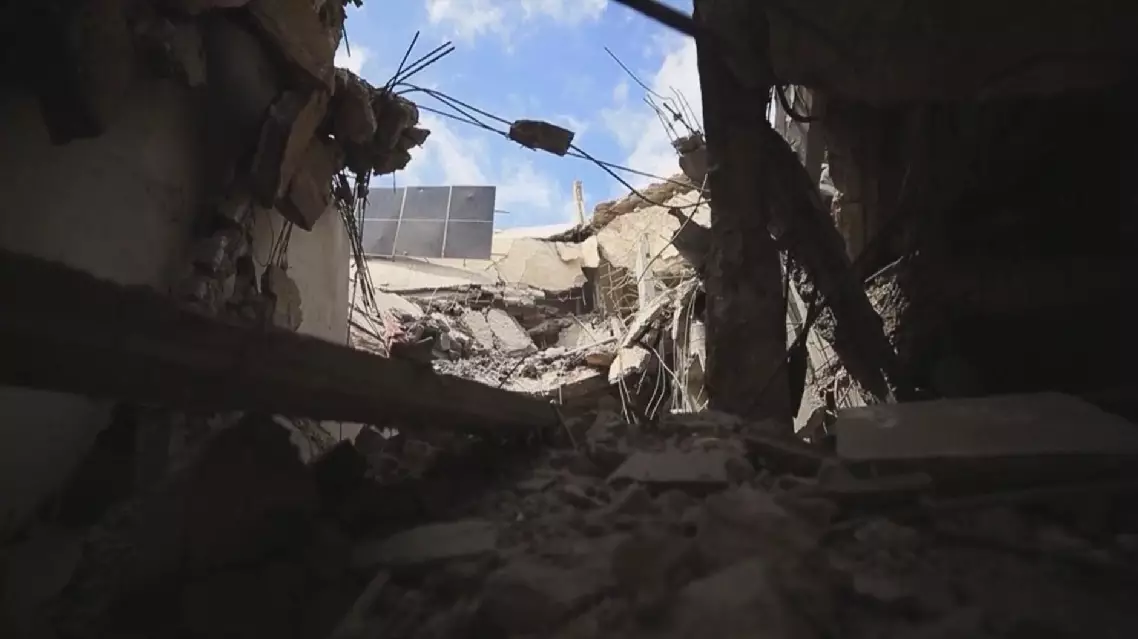
Lebanese PM decries Israel’s "scorched-earth policy" as fresh strikes in south