With a global surge in AI computing and the green energy transition, China is meeting the critical demand for supplying power transformers with high efficiency, empowering the worldwide upgrade of energy infrastructure with speed, reliability and smart technology.
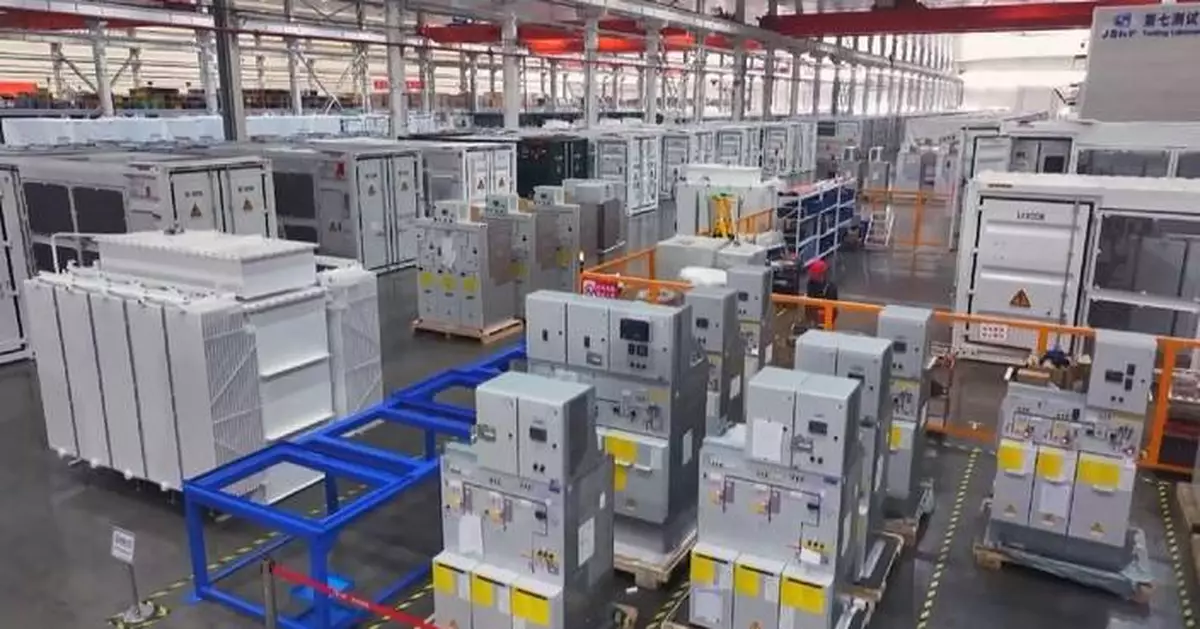
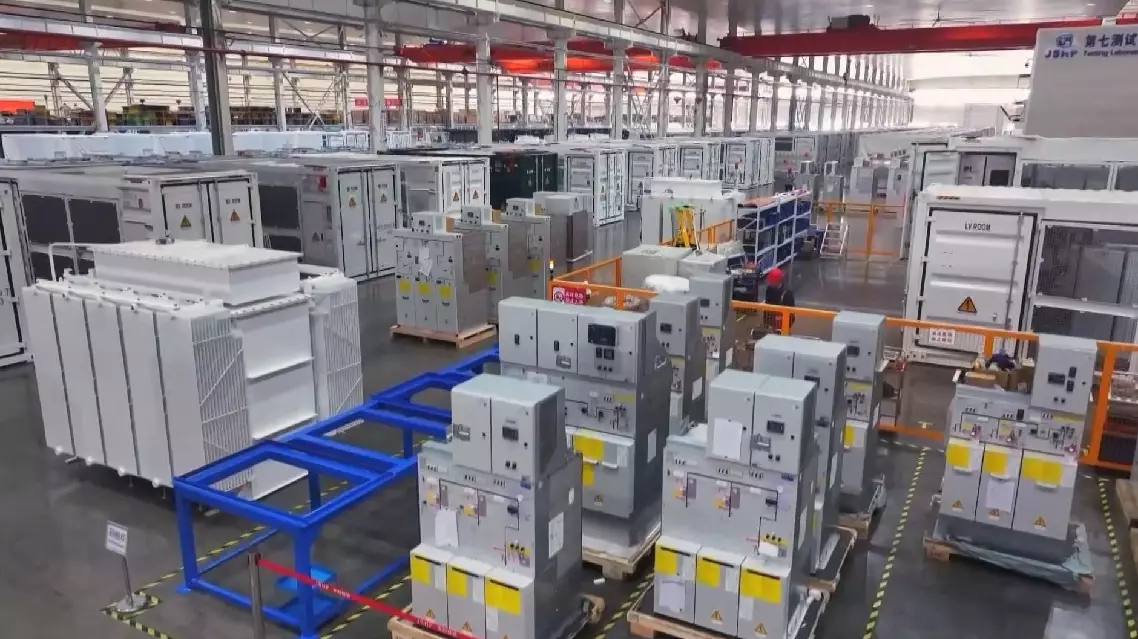
At the heart of this momentum is Changzhou, a city in east China's Jiangsu Province dubbed the "world's capital of transformers". Inside a bustling manufacturing plant, thousands of power transformers, destined for 108 other countries, are undergoing final quality tests before shipment.
"This transformer is a generator step-up transformer for our power station on the west coast of Ireland," said Andrew Grant, an Irish procurer, while inspecting the plant.
"Very fast delivery, but also very competitive on cost and high quality. Other suppliers' delivery times are very long," said Scott Abercrombie, a New Zealand procurer.
What attracts international buyers is the "China speed". A transformer that can take up to two years for delivery elsewhere can be shipped from Changzhou in just four months. This efficiency is made possible because nearly all core components are made locally.
With over 70 transformer export firms in Changzhou, the region has become a powerhouse, contributing significantly to China's commanding 60-percent share of global transformer production.
"We are building a great supply chain synergy that is of a greater efficiency. The synergy consists of four provinces (provincial-level regions), including Shanghai, Zhejiang, Jiangsu, and Anhui. We have become the hub for knowledge creation and innovation. So, we have many top-tier universities. The central government and the local governments are doing a great job by fostering collaboration among different localities, and they can also use the policy tools to provide incentives for entrepreneurship and innovation," said Shi Xiangyu, assistant professor with the Department of Applied Economics of the School of Management at the Fudan University in Shanghai.
Chinese transformer technology is increasingly tailored for the digital age, Shi noted, as modern AI data centers and high-performance computing facilities demand ultra-high-voltage, stable power supplies, which is precisely what advanced Chinese transformers are engineered to deliver.
"Chinese transformers can provide ultra-high-voltage and stable power supply to AI data centers and computing centers. We are very proud to make highly efficient delivery, showing a great professionality and work ethics of Chinese manufacturing firms. China is not only providing high-quality products, but also providing the entire solution to the power supply of the AI industry in the world," Shi said.
Chinese-made transformers power global AI, green energy transition with high efficiency: industry insiders
Colombians are heading to the polls on Sunday to elect their next president. The country's constitution prevents the current President, Gustavo Petro, from running for a second term.
Yet, many see this election as a referendum on the policies of Gustavo Petro, Colombia's first leftist president.
There are 14 candidates on Sunday's ballot, but the polls show it will likely be a tight three-way race.
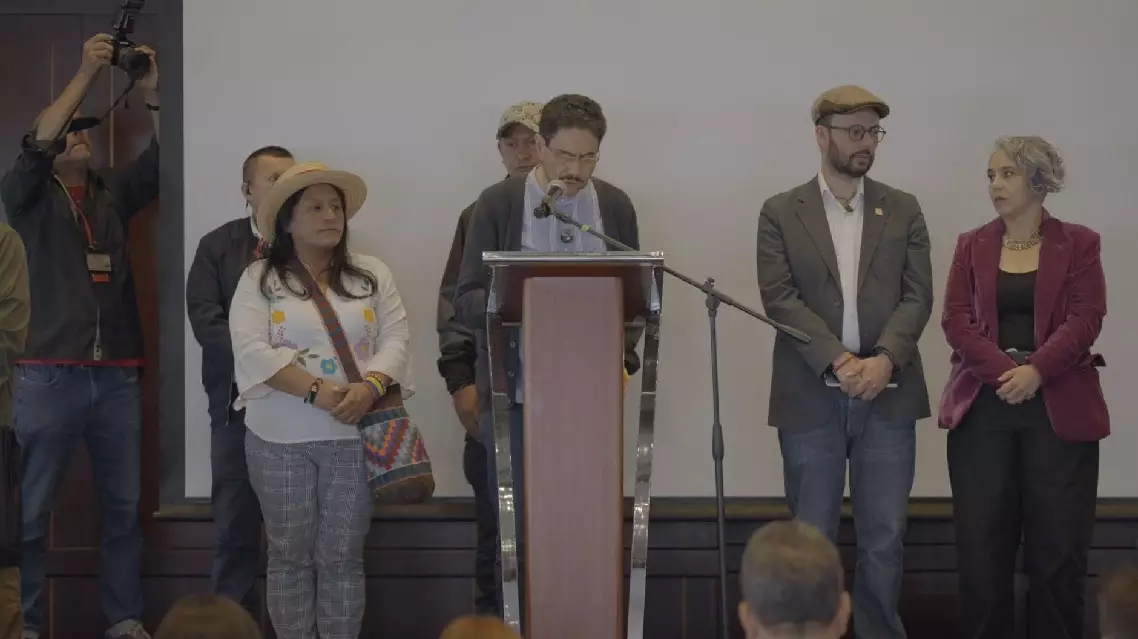
The frontrunner is Ivan Cepeda, a 63-year-old three-term senator, representing President Gustavo Petro's party, the Historic Pact coalition. Cepeda has vowed to defend and deepen Petro's progressive reforms and social justice policies to reduce inequality. He also promises to continue the government's controversial "Total Peace" strategy to negotiate the disarmament of remaining guerrilla groups and criminal gangs.
"True prosperity comes from equality, from access to rights, and from transforming the peripheral and excluded territories of the rural world," Cepeda said at a campaign rally.
Running as a political outsider and independent is Abelardo de la Espriella, a 47-year-old lawyer, nicknamed "The Tiger." He has presented himself as the "authority and order" candidate who will reduce state spending by up to 40 percent in the next four years.
"(First,) we must fight insecurity. Colombia is suffering today from a pandemic of insecurity. Crime is out of control: extortion, cattle theft, smuggling, drug trafficking," he said to his supporters at an election event.
According to polls, the third candidate with strong support is Paloma Valencia. The 48-year-old senator represents the Democratic Center party led by popular former President Alvaro Uribe Velez. Her candidacy is backed by politicians and economists who are concerned with growing levels of public debt. They want to see a return to more conservative fiscal policies.
"I don't want to be a president who governs alone, locked away in glass offices. I want to be a president who stands with citizens, who embraces them, who reaches out to them, who has a team, and who governs to transform Colombia," the candidate said at the campaign event
According to polls earlier in the year, many voters are expressing concerns about unemployment, rising living costs, corruption, and, above all, public security.
The election comes after a turbulent year that the International Committee of the Red Cross has called "the worst humanitarian consequences of armed conflict over the past decade."
"(We arrive at this election in a tense atmosphere - tense) because of the economic situation, because of the security situation, and because of the narratives that have been built around the country's main problems. On top of that, emotions, ideas and social media have all helped raise (the tone,)" said Eduardo Velosa, associate professor from International Studies Javeriana University.
If no candidate receives 50 percent of the vote, a runoff election will be held between the top two finishers on June 21st.
Colombians prepare to choose their next president