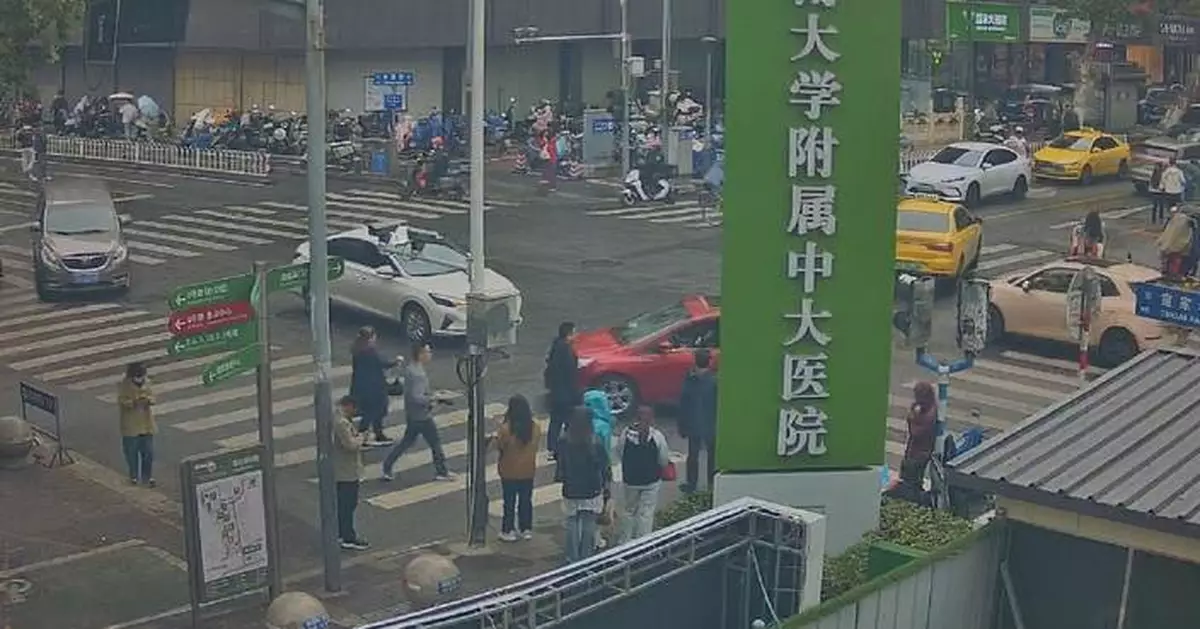
Two Chinese residents who were on the verge of death due to sudden health emergencies have been safe now thanks to quick and coordinated rescue efforts by bystanders and medical workers.
Guo, a 43-year-old man from Nanjing, east China's Jiangsu Province, suddenly felt radiating pain in his back while at work. Sensing the severity of his condition, his colleagues immediately drove him to the nearest hospital.
"I lost consciousness just after the car drove about 300 meters from my workplace," Guo recalled.
Actually, Guo had lost consciousness in the car before arriving at the hospital. Luckily, nurses passing by the hospital's emergency department building during their lunch break noticed what was happening and jumped into action immediately.
After an initial assessment determined that Guo had suffered cardiac arrest, medical staff performed continuous chest compressions and quickly transferred the patient.
Intraoperative angiography revealed that Guo's right coronary artery had 90 percent stenosis in the proximal segment and 80 percent stenosis in the proximal-mid segment which suggested a life-threatening condition.
Thanks to the timely emergency coordination of the hospital's emergency, critical care and cardiovascular teams, his condition stabilized.
"Our extracorporeal membrane oxygenation (ECMO) team rushed to the emergency department. After a quick assessment, we found out that the traditional cardiopulmonary resuscitation (CPR) therapy was unable to restore the patient's spontaneous heart rate. Therefore, we immediately initiated the extracorporeal CPR therapy. After quickly putting the patient on the machine, his spontaneous heart rate quickly returned," said Li Qing, deputy chief physician of the Department of Critical Care Medicine of Zhongda Hospital Affiliated to Southeast University.
Meanwhile in Taiyuan, north China's Shanxi Province, an elderly person living alone called for help from home due to sudden illness.
A community security guard heard the calls and knocked on the door. Receiving no response, he quickly reported the situation to the community office. Community staff immediately went to the scene and simultaneously dialed fire department and medical emergency numbers 119 and 120.
Upon their arrival, firefighters confirmed that the elderly person could not open the door, and they immediately breached the door to enter the room.
After initial diagnosis, medical personnel determined that the elderly person had suffered a stroke, which caused temporary loss of bodily functions. The resident was immediately taken to the hospital for treatment and has so far been pulled out of danger.
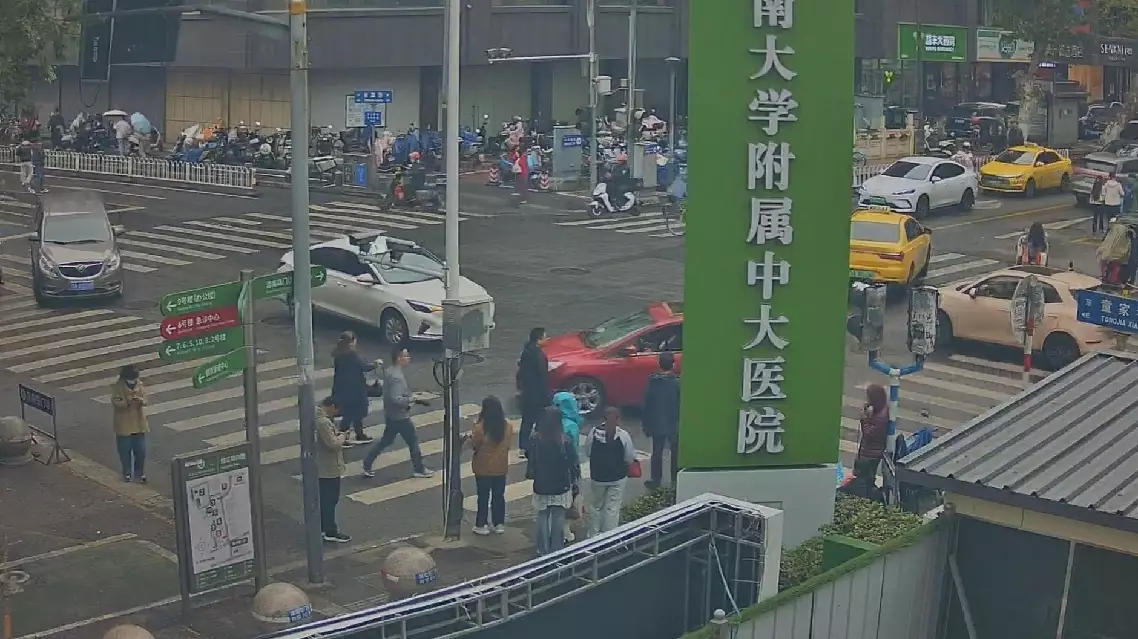
First responders' prompt response saves two lives from lethal medical emergencies in Chinese cities
Colombians are heading to the polls on Sunday to elect their next president. The country's constitution prevents the current President, Gustavo Petro, from running for a second term.
Yet, many see this election as a referendum on the policies of Gustavo Petro, Colombia's first leftist president.
There are 14 candidates on Sunday's ballot, but the polls show it will likely be a tight three-way race.
The frontrunner is Ivan Cepeda, a 63-year-old three-term senator, representing President Gustavo Petro's party, the Historic Pact coalition. Cepeda has vowed to defend and deepen Petro's progressive reforms and social justice policies to reduce inequality. He also promises to continue the government's controversial "Total Peace" strategy to negotiate the disarmament of remaining guerrilla groups and criminal gangs.
"True prosperity comes from equality, from access to rights, and from transforming the peripheral and excluded territories of the rural world," Cepeda said at a campaign rally.
Running as a political outsider and independent is Abelardo de la Espriella, a 47-year-old lawyer, nicknamed "The Tiger." He has presented himself as the "authority and order" candidate who will reduce state spending by up to 40 percent in the next four years.
"(First,) we must fight insecurity. Colombia is suffering today from a pandemic of insecurity. Crime is out of control: extortion, cattle theft, smuggling, drug trafficking," he said to his supporters at an election event.
According to polls, the third candidate with strong support is Paloma Valencia. The 48-year-old senator represents the Democratic Center party led by popular former President Alvaro Uribe Velez. Her candidacy is backed by politicians and economists who are concerned with growing levels of public debt. They want to see a return to more conservative fiscal policies.
"I don't want to be a president who governs alone, locked away in glass offices. I want to be a president who stands with citizens, who embraces them, who reaches out to them, who has a team, and who governs to transform Colombia," the candidate said at the campaign event
According to polls earlier in the year, many voters are expressing concerns about unemployment, rising living costs, corruption, and, above all, public security.
The election comes after a turbulent year that the International Committee of the Red Cross has called "the worst humanitarian consequences of armed conflict over the past decade."
"(We arrive at this election in a tense atmosphere - tense) because of the economic situation, because of the security situation, and because of the narratives that have been built around the country's main problems. On top of that, emotions, ideas and social media have all helped raise (the tone,)" said Eduardo Velosa, associate professor from International Studies Javeriana University.
If no candidate receives 50 percent of the vote, a runoff election will be held between the top two finishers on June 21st.
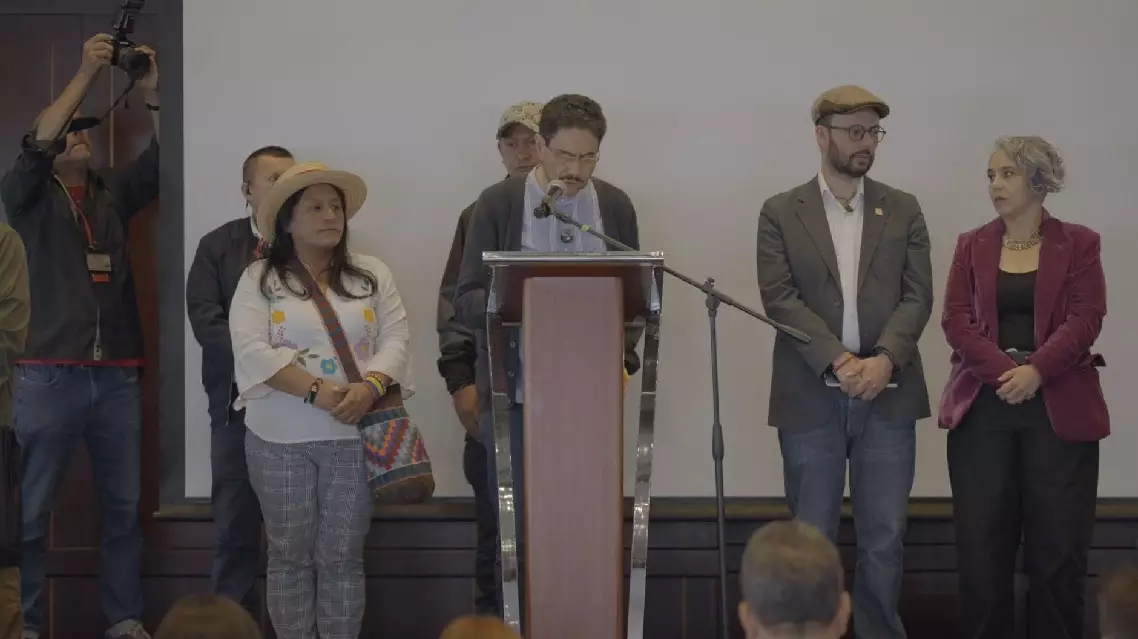
Colombians prepare to choose their next president