China on Monday successfully launched the Long March-12B Y1 carrier rocket into space from the Dongfeng commercial space innovation pilot zone in northwest China.
The rocket blasted off at 16:40 Beijing Time (0840 GMT), sending a group of networking satellites for the Qianfan Constellation into their preset orbits. The mission was declared a complete success.
The mission was the maiden flight of Long March-12B rocket, and marked the 647th flight mission of the Long March carrier rocket series.
The Long March-12B is the first rocket developed by the China Aerospace Science and Technology Corporation Commercial Rocket Co., Ltd., operating under the China Aerospace Science and Technology Corporation.
Designed as a single-core, four-meter-diameter reusable rocket, it is tailored for large commercial missions, including the deployment of China's internet satellite constellation.
The rocket features a two-stage configuration with a full liquid oxygen-kerosene propulsion system. Standing around 72 meters tall with a diameter of 4.37 meters, it has a low Earth orbit (LEO) payload capacity of no less than 20 tons and is capable of adapting to various orbital missions.
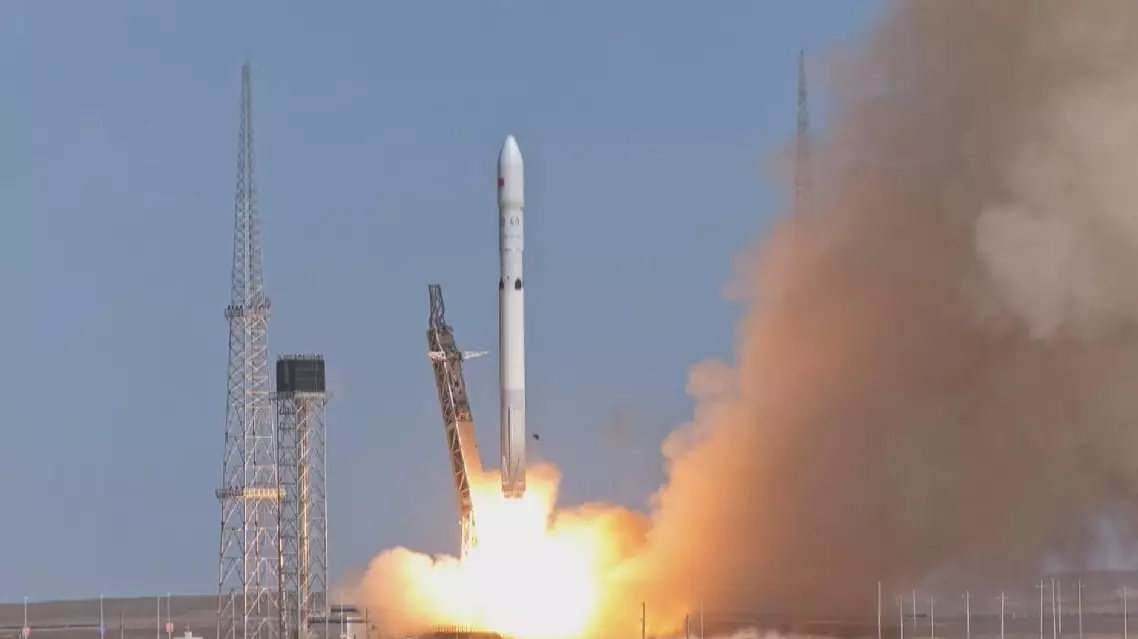
China's reusable rocket Long March-12B completes maiden flight
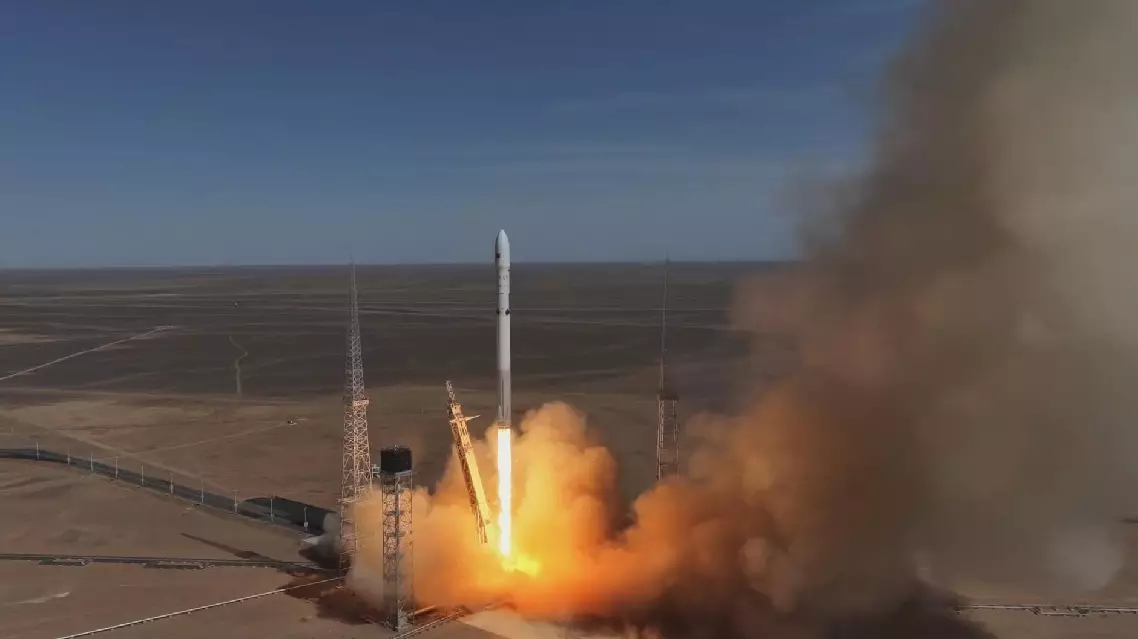
China's reusable rocket Long March-12B completes maiden flight
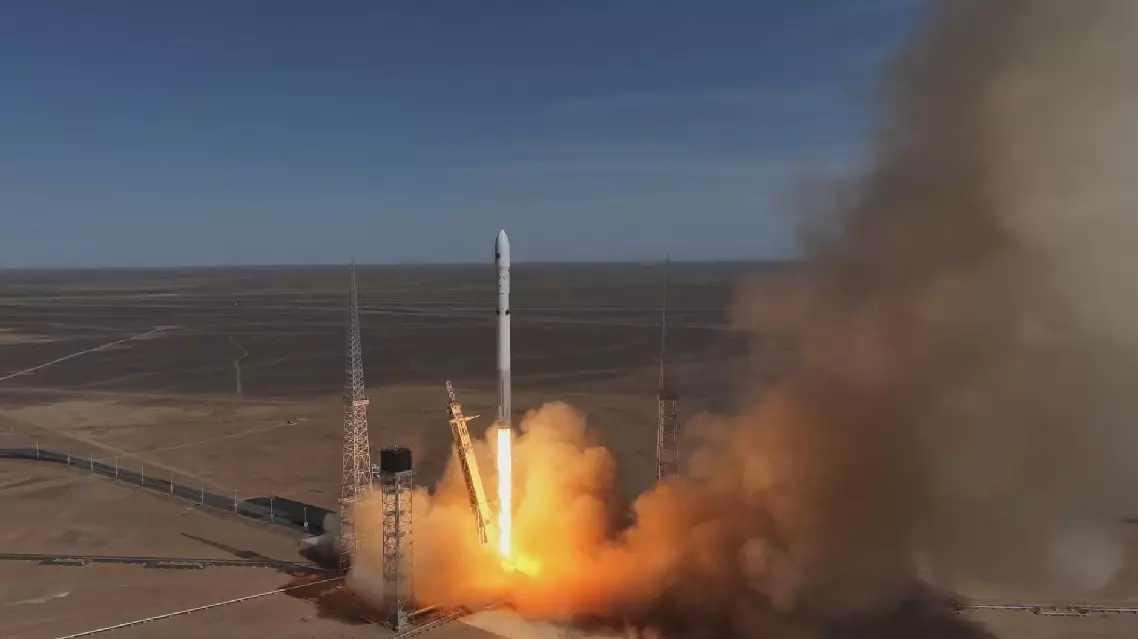
China's reusable rocket Long March-12B completes maiden flight
India's heatwave season has lasted for over 10 days, placing growing pressure on local energy supply as many parts of the country reel under extreme temperatures above 45 degrees Celsius.
The heatwave conditions have intensified over recent years with longer and harsher summers. Indian residents are experiencing temperatures 4-10 degrees Celsius above what is usual for the season, pushing energy demand to a record high.
In Delhi, during the scorching heat of May, peak power demand touched almost 8,500 megawatts, the highest recorded this year.
The India Meteorological Department predicts that maximum temperatures will remain above normal for most regions in the days to come.
Many in the country are now anxiously awaiting the monsoon season, which was supposed to have arrived in south India but is running behind schedule.
The monsoon delivers about 70 percent of annual rains to replenish crucial water sources, with almost half of farmland lacking irrigation and about half the population earning its livelihood from farming. Projections indicate that India will receive its lowest rainfall in 11 years this monsoon season.
Experts said the developing Super El Nino pattern this year, which warms surface temperatures in the Pacific Ocean, is likely to weaken the monsoon, putting millions of farmers at risk.
The low rainfall is expected to weigh on economic growth and increase inflation through higher food prices.
In past El Nino years, below-average rainfall in India sometimes triggered severe droughts that reduced crop yields and led to curbs on grain exports.

Extreme temperatures persist in India, threatening energy supply