Skip to Content Facebook Feature Image

Experts say US targeting of Brazilian gangs is an attempt to sway election there

News

Experts say US targeting of Brazilian gangs is an attempt to sway election there
News

News

Experts say US targeting of Brazilian gangs is an attempt to sway election there

2026-06-02 02:46 Last Updated At:02:51

RIO DE JANEIRO (AP) — The U.S. decision to classify two Brazilian gangs as terrorist organizations is a political one aimed at boosting an ally of President Donald Trump, the son of former Brazilian president Jair Bolsonaro, politicians and analysts say.

The gangs join eight other Latin American organized crime groups designated by the U.S. as foreign terrorist organizations. But unlike the rest, they don't operate in the United States.

The listing of First Capital Command, known as PCC, and Red Command, or CV, followed a visit by presidential hopeful Sen. Flávio Bolsonaro to Washington last week. He said he asked Trump administration officials to extend the designation to them.

Bolsonaro hopes to unseat incumbent President Luiz Inácio Lula da Silva in October’s elections. The U.S. decision shores up the senator’s tough-on-crime credentials while highlighting Bolsonaro's criticism of Lula’s handling of public security.

“The main driver of this decision was politics," to pressure Lula and help Flávio prior to the October election," said Latin America expert Brian Winter, who edits Americas Quarterly, a publication of the New York-based Council of Americas.

Carolina Grillo, a sociology professor at Fluminense Federal University in Rio de Janeiro and an expert on organized crime in Brazil, agreed that the Trump administration's decision was aimed at potentially swaying the elections.

“The supply routes for cocaine entering the United States pass through Colombia, Mexico and Central American countries — not through Brazil,” Grillo said, adding that more than 90% of the cocaine seized in Brazil is destined for European countries.

Lula has protested the U.S. decision, saying that Brazil is taking care of its own issues, as shown by recent arrests and an ongoing investigation into PCC.

“I am very sad today, after the news that the secretary of state of the United States, a certain Marco Rubio, said that our criminals here are terrorists and that the Americans can intervene,” Lula said on Friday. “We will not accept being treated like children. We will not accept being treated as if we were a banana republic.”

Lula's popularity peaked last year after Trump imposed a hike of 50% in tariffs on Brazilian products.

But Creomar de Souza, an analyst with political risk consultancy firm Dharma in Brasilia, said it won't be as easy for Lula to link the latest U.S. decision with national sovereignty.

“First of all, there’s Flávio’s propaganda. He will be able to hit hard against Lula’s Achilles heel, public security," de Souza said. "And this also depends on how the administration explains this to the public. It is not as simple as antagonizing Trump on tariffs.”

Trump has openly supported Latin American leaders who have praised him, such as José Antonio Kast in Chile, Javier Milei in Argentina and Daniel Noboa in Ecuador.

Flávio Bolsonaro, like his father, has advocated for the U.S. under Trump to replace China as Brazil's main trade partner.

“The Trump administration dreamed of having a candidate here to give them leverage in the economy front,” said Carlos Melo, a political science professor at the Insper university in Sao Paulo.

Savarese reported from Sao Paulo.

Follow AP’s coverage of Latin America and the Caribbean at https://apnews.com/hub/latin-america
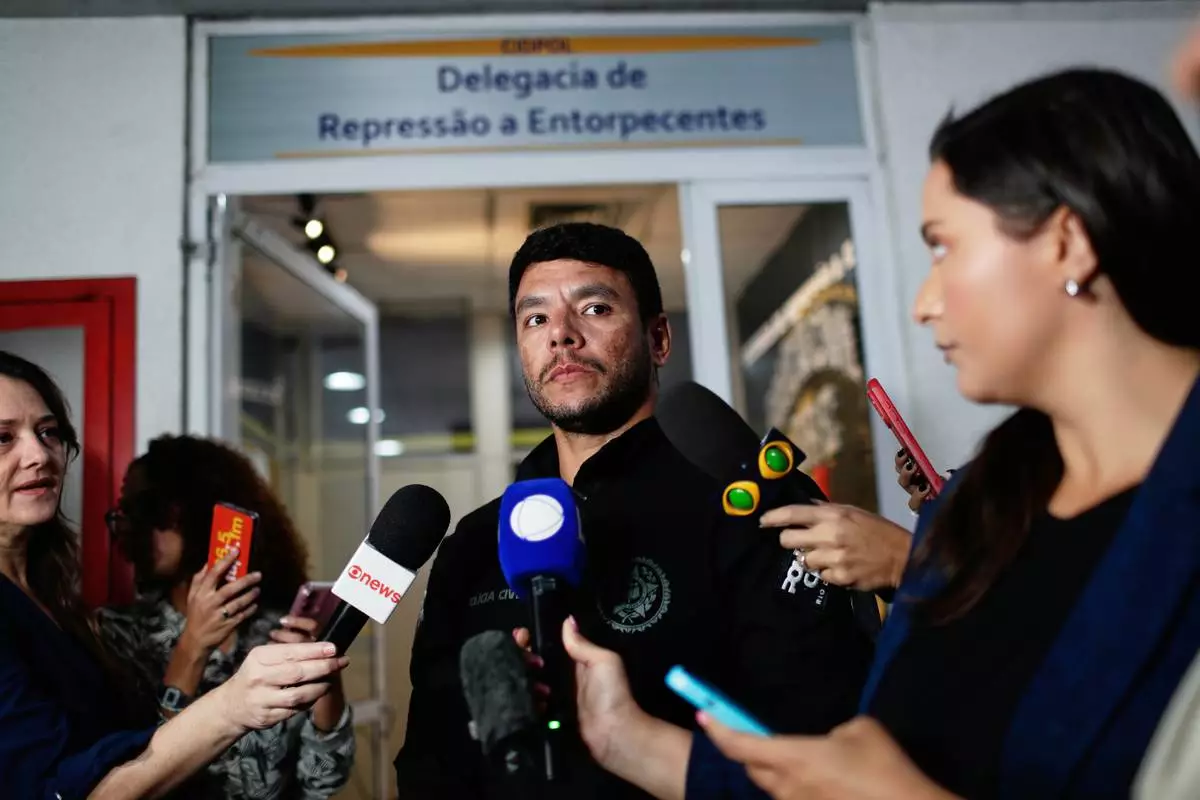
Police officer Moyses Santana speaks with the press about the police operation he led to arrest alleged members of the criminal group Comando Vermelho, or Red Command, after the detainees were brought to the station in Rio de Janeiro, Friday, May 29, 2026. (AP Photo/Bruna Prado)
Police officer Moyses Santana speaks with the press about the police operation he led to arrest alleged members of the criminal group Comando Vermelho, or Red Command, after the detainees were brought to the station in Rio de Janeiro, Friday, May 29, 2026. (AP Photo/Bruna Prado)

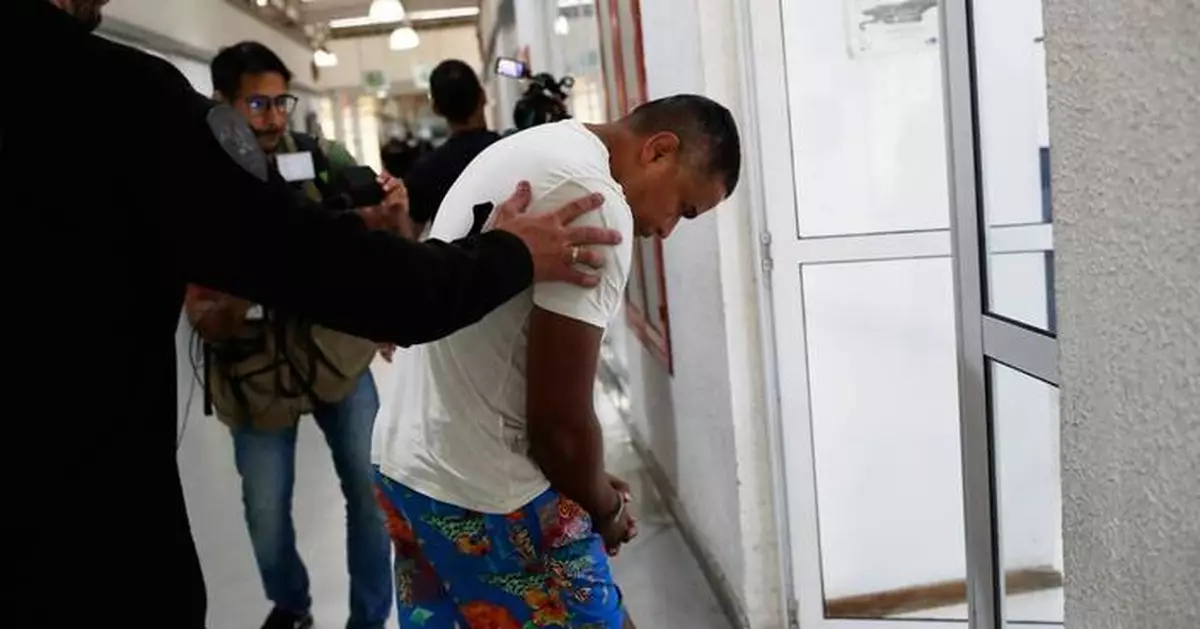
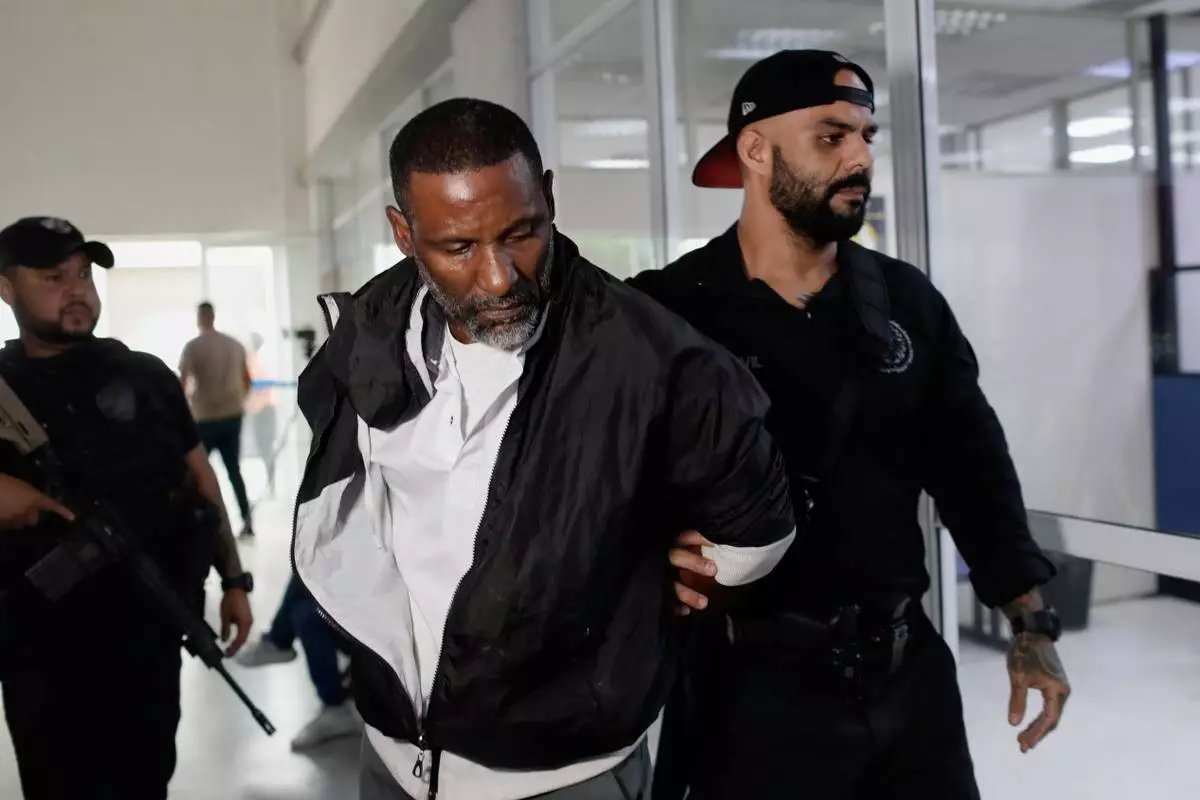
A suspected member of the criminal group Comando Vermelho, or Red Command, is lead in handcuffs by a police officer into a police station in Rio de Janeiro, Friday, May 29, 2026. (AP Photo/Bruna Prado)
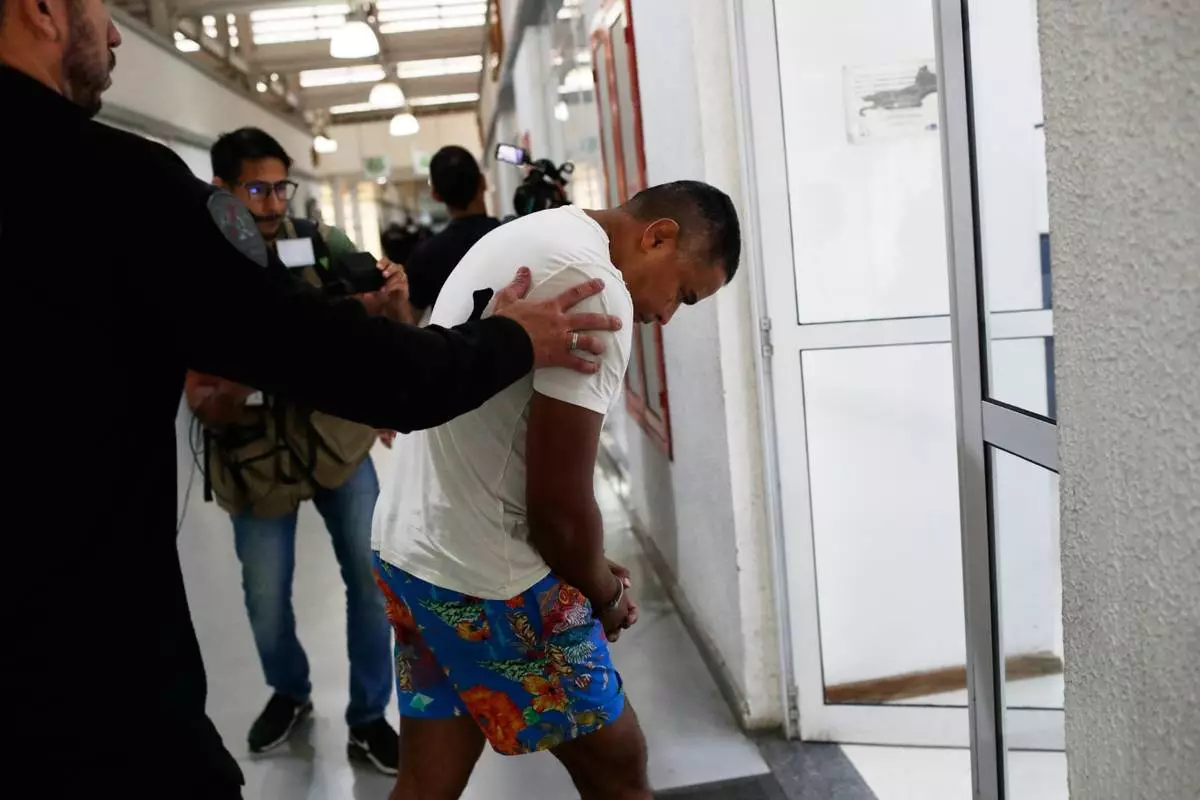
A suspected member of the criminal group Comando Vermelho, or Red Command, is lead in handcuffs by a police officer into a police station in Rio de Janeiro, Friday, May 29, 2026. (AP Photo/Bruna Prado)

A suspected member of the criminal group Comando Vermelho, or Red Command, is lead in handcuffs by a police officer into a police station in Rio de Janeiro, Friday, May 29, 2026. (AP Photo/Bruna Prado)
A suspected member of the criminal group Comando Vermelho, or Red Command, is lead in handcuffs by a police officer into a police station in Rio de Janeiro, Friday, May 29, 2026. (AP Photo/Bruna Prado)
WASHINGTON (AP) — A Pentagon policy illegally banned transgender troops from military service, a divided panel of federal appeal court judges ruled on Monday in another legal setback for President Donald Trump's sweeping agenda.

The majority opinion — by a three-judge panel from the U.S. Court of Appeals for the District of Columbia circuit — held that the Trump administration's policy was designed to exclude people from the military based on their gender identity.

The ban will remain in effect for now. The U.S. Supreme Court let it go through last year as litigation continues to play out, and the appeals court put their own ruling on hold to allow for appeals. It would apply to plaintiffs serving in the miliary, but not those seeking to join. So the military would be able to prevent new transgender people from enlisting.

The appeals court panel's 2-1 decision largely upholds a March 2025 ruling by U.S. District Judge Ana Reyes in Washington, D.C. Reyes concluded that Trump’s executive order to exclude transgender troops from military service likely violates their constitutional rights.

The administration appealed after Reyes issued a preliminary injunction requested by attorneys for several transgender people who are active-duty service members and others seeking to join the military. The appeal court's majority decided that the injunction should be narrowed to the plaintiffs currently serving in the military but not those trying to enlist.

Another lawsuit challenging the ban was filed in Washington state and led to a ruling in favor of the plaintiffs challenging the policy in that case

In January 2025, Trump signed an executive order that claims the sexual identity of transgender service members “conflicts with a soldier’s commitment to an honorable, truthful, and disciplined lifestyle, even in one’s personal life” and is harmful to military readiness.

In response to the order, Defense Secretary Pete Hegseth issued a policy that presumptively disqualifies people with gender dysphoria from military service. Gender dysphoria is the distress that a person feels because their assigned gender and gender identity don’t match. The medical condition has been linked to depression and suicidal thoughts.

The policy “appears to be driven by the bare desire to harm a politically unpopular group: persons who identify as transgender,” Judge Robert Wilkins wrote for the majority. Wilkins was nominated to the court by Democratic President Barack Obama.

In a dissenting opinion, Judge Justin Walker said judges lack the power to second-guess the decision to exclude transgender troops.

“We have neither the expertise nor the authority to decide whether the military can exclude the plaintiffs from its ranks. The Constitution assigns that authority to Congress and the Commander in Chief,” wrote Walker, who was nominated by Trump, a Republican.

Judge Judith Rogers, who was nominated by Democratic President Bill Clinton, joined Wilkins' majority opinion but also partially dissented.

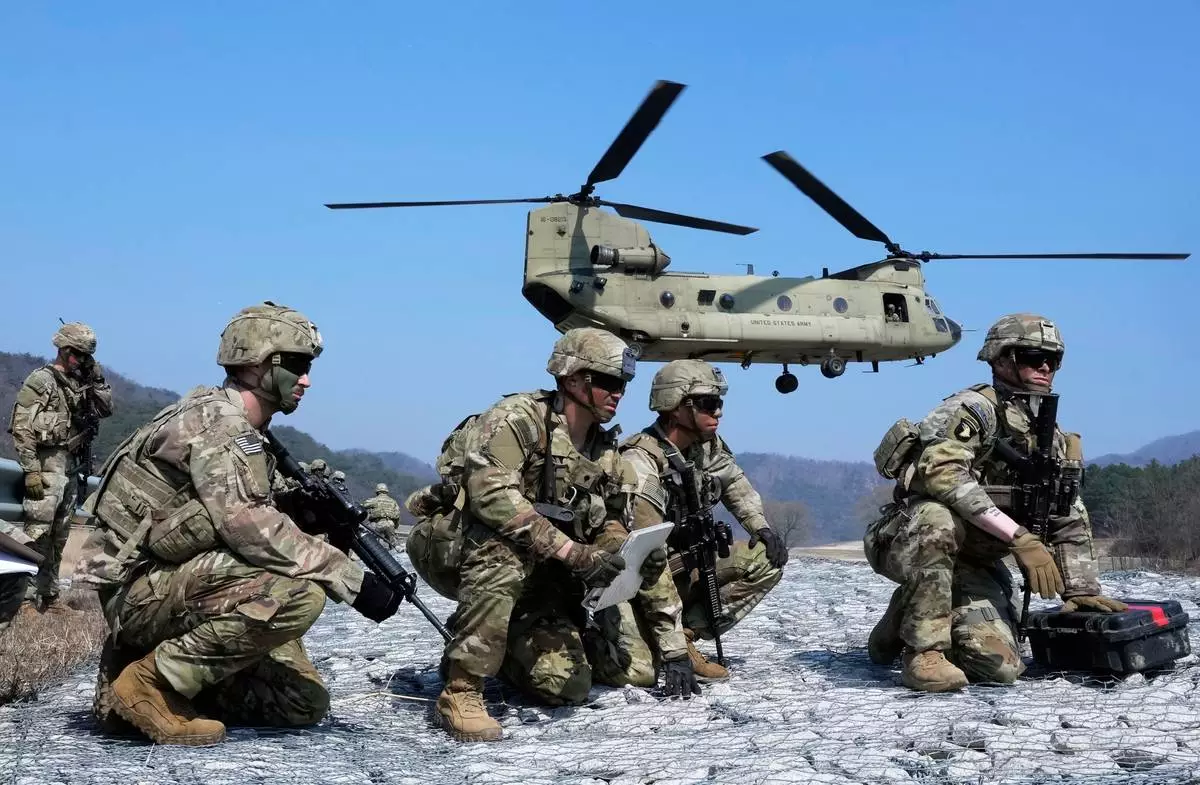
FILE - U.S. Army soldiers wait to board their CH-47 Chinook helicopter during a joint military drill between South Korea and the United States at Rodriguez Live Fire Complex in Pocheon, South Korea, Sunday, March 19, 2023. (AP Photo/Ahn Young-joon, File)

FILE - U.S. Army soldiers wait to board their CH-47 Chinook helicopter during a joint military drill between South Korea and the United States at Rodriguez Live Fire Complex in Pocheon, South Korea, Sunday, March 19, 2023. (AP Photo/Ahn Young-joon, File)

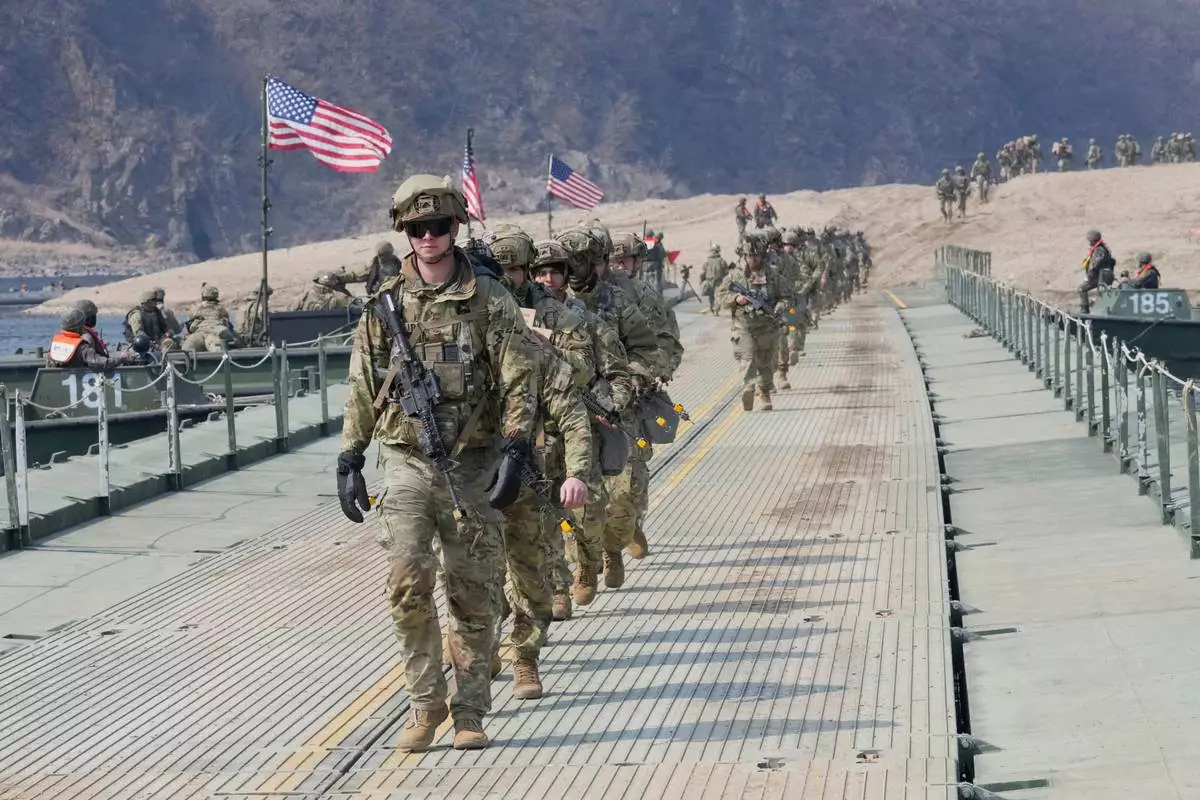
FILE - U.S. Army soldiers cross a floating bridge on the Imjin River during a joint river-crossing exercise between South Korea and the United States as a part of the Freedom Shield military exercise in Yeoncheon, South Korea, March 20, 2025. (AP Photo/Ahn Young-joon, File)

FILE - U.S. Army soldiers cross a floating bridge on the Imjin River during a joint river-crossing exercise between South Korea and the United States as a part of the Freedom Shield military exercise in Yeoncheon, South Korea, March 20, 2025. (AP Photo/Ahn Young-joon, File)

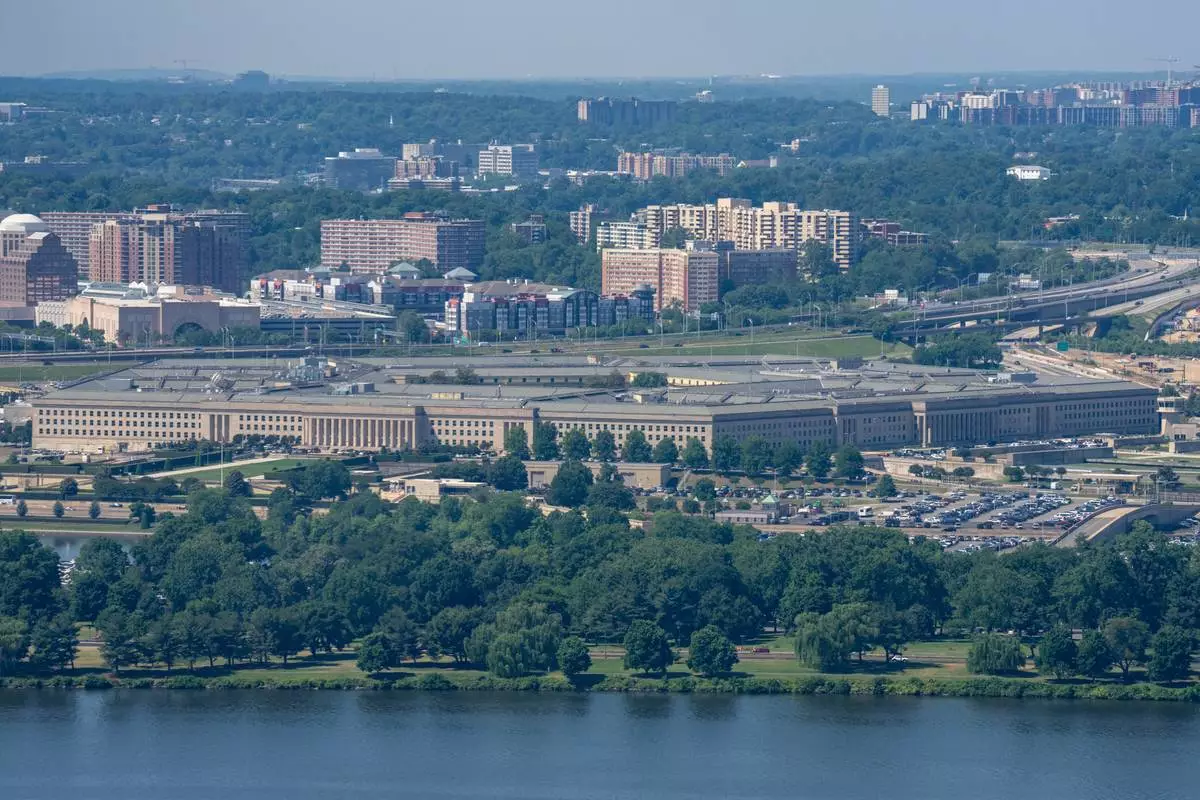
The Pentagon is seen, Tuesday, May 19, 2026, in Washington. (AP Photo/Alex Brandon)

The Pentagon is seen, Tuesday, May 19, 2026, in Washington. (AP Photo/Alex Brandon)

Recommended Articles