China's National Food and Strategic Reserves Administration on Monday released 132 scientific and technological achievements covering grain procurement, allocation, and green storage to reinforce safeguards for the country's food security.
The achievements include green grain storage integration, unmanned grain transport vehicles, inspection robots, and nitrogen-based grain storage technology.
Some advanced grain storage technologies have already been fully applied in central China's Hubei Province, delivering remarkable results.
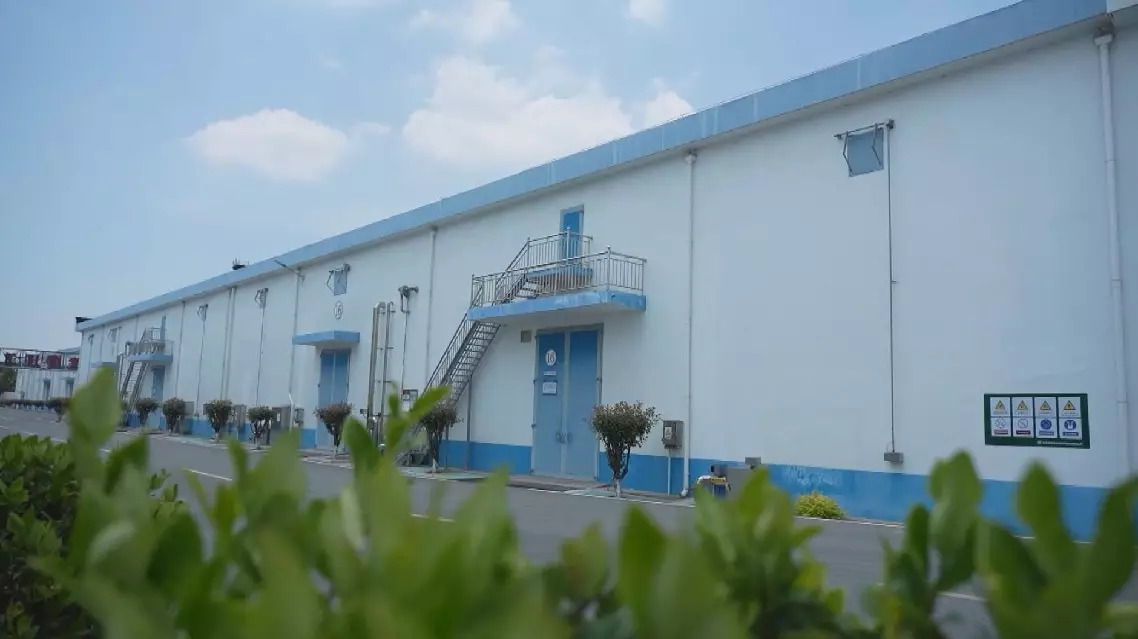
In Xiaogan City of Hubei, a grain storage base of Hubei Reserved Grain and Oil Management Group Co., Ltd. -- which currently stores 50,000 tons of rice and 20,000 tons of wheat -- has had its warehouses retrofitted for airtightness, enabling nitrogen charging for insect control under normal pressure and specific humidity conditions.
"By controlling the temperature and oxygen concentration inside the grain warehouses, we can achieve green pest control, reduce the use of chemical agents, and meet the goals of insect prevention, temperature regulation and quality preservation," said Liu Xiang, head of Xiaogan Reserve Depot Co., Ltd. under Hubei Reserved Grain and Oil Management Group Co., Ltd.
In recent years, China has stepped up efforts in technological research and development as well as the application of research results in grain storage. A host of advanced, practical storage technologies and equipment have already been deployed, providing strong and effective technological support for food security.
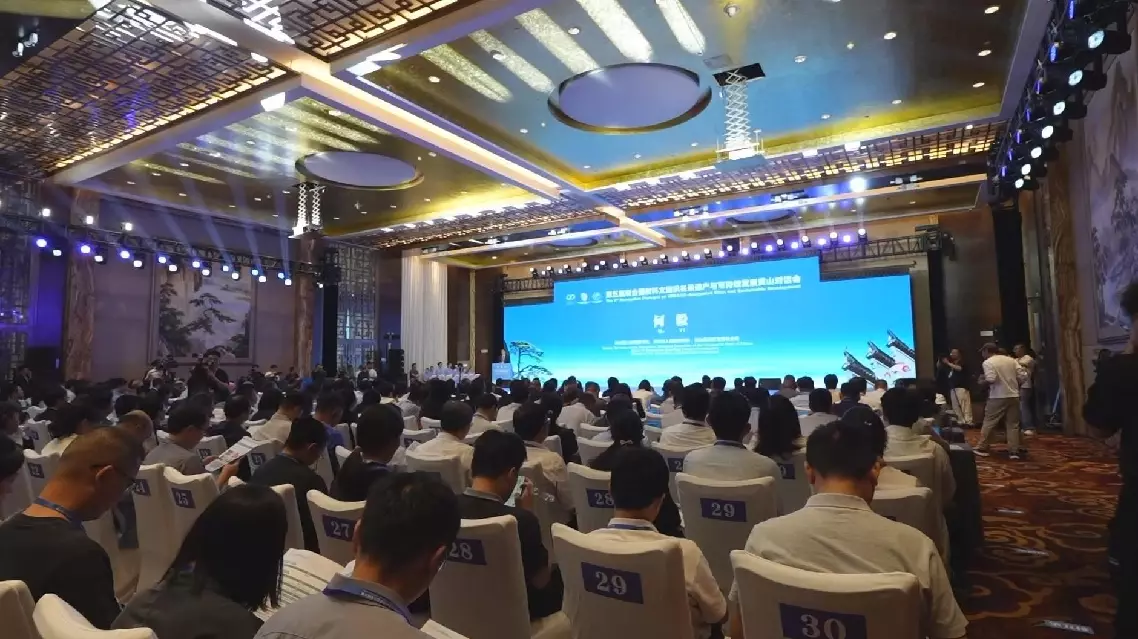
To boost the sharing and exchange of top achievements in grain storage, a national science and technology week on grain and strategic reserves kicked off Monday in Wuhan, the provincial capital city of Hubei.
At the opening ceremony, Han Jizhi, director of the department of safe storage and technology under the National Food and Strategic Reserves Administration, outlined China's technological innovation priorities for grain security during the 15th Five-Year Plan period (2026-2030) for national socioeconomic development.
"During the 15th Five-Year Plan period, our key sci-tech innovation priorities in grain circulation include developing green and low-carbon grain storage, ensuring quality and safety for nutrition and health, reducing grain loss and waste, and promoting agricultural machinery and equipment. At the same time, we aim to foster in-depth integration between enterprises and research institutions in an innovation ecosystem where businesses play a leading role. By unclogging channels for basic research, application development, and commercialization of scientific-technological research achievements in the innovation chain, we can better harness the power of science and technology to safeguard the country's grain reserves," Han said.
China releases over 130 sci-tech achievements on food security