Excitement is rising in Peru ahead of the 2026 FIFA World Cup, with fans flocking to parks and streets to collect and swap stickers in a tradition spanning generations.
Every weekend, crowds of soccer fans gather at Kennedy Park in Lima, Peru's capital. Sitting in small groups, they flip through their World Cup sticker albums, looking for the missing numbers they need before making swaps.
For many Peruvians, collecting World Cup stickers is not just a hobby -- it's a football memory that has been passed down for years.
"I've had this hobby since I was a kid. Now that I'm an adult, I'm still collecting World Cup stickers -- and I've also gotten my daughter into it," said Karl Borjas, a local resident.
On average, Peruvian families spend about 250 U.S. dollars on the stickers. But for die-hard fans, the real costs don't stop there. Buying extra stickers, attending swap meets, and collecting World Cup merchandise often adds up to even more spending.
"We just bought this sticker album -- it's only been on sale for about a week. We started with a big package that cost around 400 soles, or about 120 U.S. dollars. Next, we think we'll need to spend another 500 U.S. dollars or so to complete our collection through buying and swapping," said Henry Bonifacio, another Lima resident.
The 2026 World Cup, which will be co-hosted by the United States, Canada and Mexico, is scheduled to kick off on June 11 and will be the first edition featuring 48 teams instead of 32.
According to local Peruvian media reports, even though Peru's national team did not qualify for this World Cup, the game is still expected to become a major consumption hotspot in the country.
Forecasts show the event will drive about 230 million U.S. dollars in household spending in Peru, with the consumer goods market expected to grow by 10 to 15 percent.
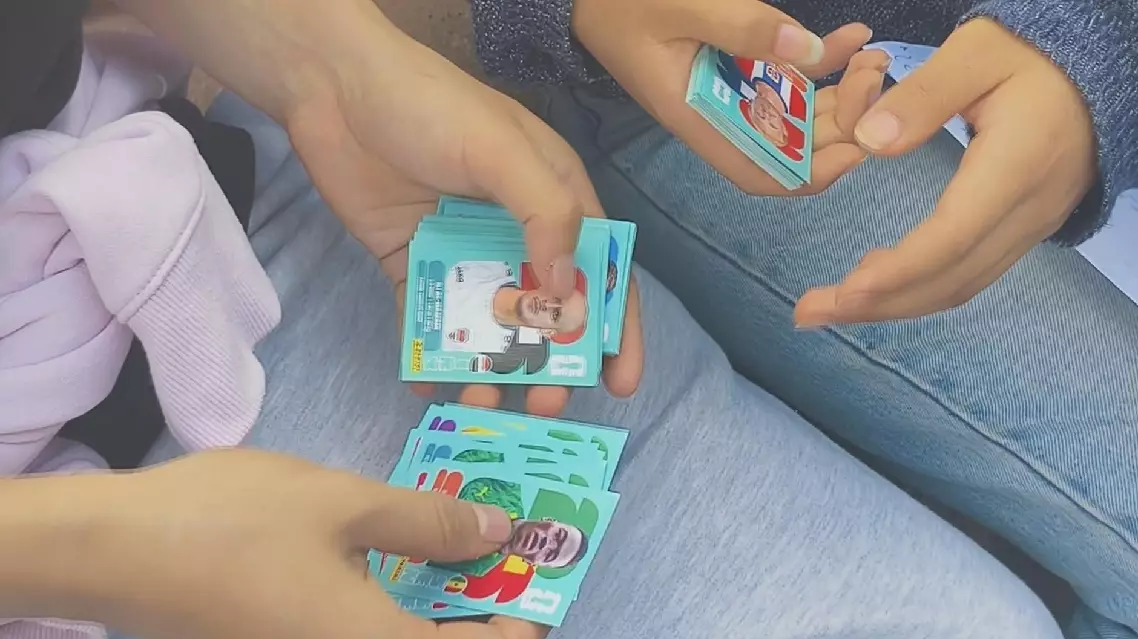
FIFA World Cup stickers craze sweeps Peru