Tensions have been escalated sharply between the United States and Iran after an explosion struck southern Iran's Qeshm Island, which is strategically located near the Strait of Hormuz.
According to Iranian state TV, an explosion occurred in the early morning hours of Wednesday local time in Qeshm Island.
Residents in the Suza and Masan areas on the island reported hearing multiple blasts. Preliminary estimates suggested that a missile may have hit an uninhabited beach area located between Suza and Masan.
On Tuesday evening U.S. Eastern Time, the U.S. Central Command said in a social media post that Iran had launched attacks across the Middle East on Tuesday, and that U.S. forces intercepted several Iranian ballistic missiles and drones.
In response, the U.S. military conducted a "self-defense" airstrike on the Qeshm Island.
In the early hours of Wednesday local time, Iran's Islamic Revolutionary Guard Corps (IRGC) issued a statement claiming that on Tuesday evening, U.S. artillery shells hit an Iranian oil tanker near the Strait of Hormuz, damaging its engine room.
In response to this act of aggression and violation of the rules of the Strait of Hormuz, the IRGC struck the vessel "Panaya" with missiles, which it said belonged to the US and Israel.
The statement also confirmed the IRGC's retaliatory strikes on U.S. air bases in the region and the Fifth Fleet headquarters in Bahrain.
The statement emphasized that Iran had previously warned that any aggression would be met with a different and much harsher response. Tehran reiterated that compromising security in the Strait of Hormuz would come at a heavy cost to U.S. forces.
Iranian officials reiterated the country's high state of readiness.
Iran's Press TV quoted Mohammad Jafar Asadi, deputy inspector of Iran's Khatam al-Anbiya central command center, as saying that Iran has not yet brought its full military power to bear. The country stands ready for any eventuality and will sustain maximum combat readiness, he said.
Separately, Iran's Fars News Agency on Tuesday quoted IRGC spokesman Hossein Mohabi as saying that Iran will maintain the highest level of military alert. If a new military confrontation occurs, the mode of operation, geographical scope of the battlefield, and types of weapons used could be different from the past.
Mohabi said that through past battlefield experience and direct engagements with the enemy, the Iranian military now has a more comprehensive understanding of its adversary. The armed forces' combat readiness is higher than ever, and the IRGC has made thorough preparations for all possible scenarios.
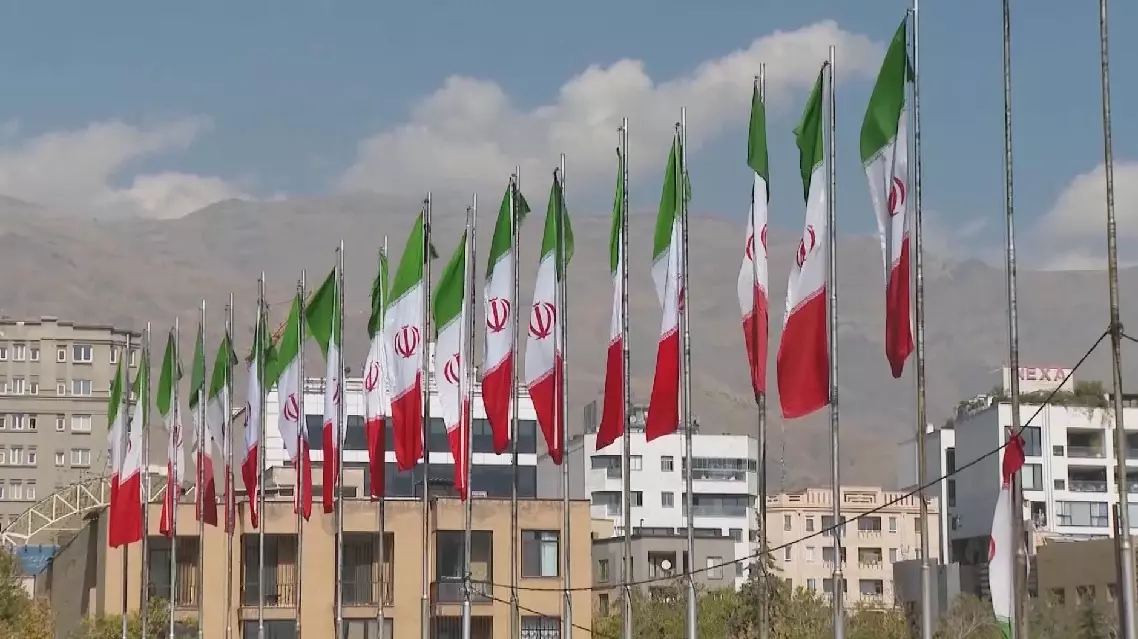
Iran retaliates against US bases, Fifth Fleet headquarters after Qeshm strike
Iran retaliates against US bases, Fifth Fleet headquarters after Qeshm strike