China has issued a plan to accelerate agricultural and rural modernization in the coming years as part of its wider goals during the 15th Five-Year Plan (2026-2030) period, a key blueprint mapping out the country's development priorities through the end of the decade.
The plan, laid out by the State Council, China's cabinet, seeks to accelerate the modernization of agriculture and rural areas to drive Chinese modernization, and has identified key tasks and policy measures for this purpose during the period.
According to the plan, by 2030, the nation's food security will be continuously enhanced; the quality, efficiency and competitiveness of agriculture will be further improved; and the achievements of poverty alleviation will be consolidated and expanded.
The plan aims to significantly enhance the nation's self-reliance and strength in agricultural science and technology, make major strides in transforming agriculture into a modern major industry, and continue to increase farmers' income at a relatively fast pace through 2030.
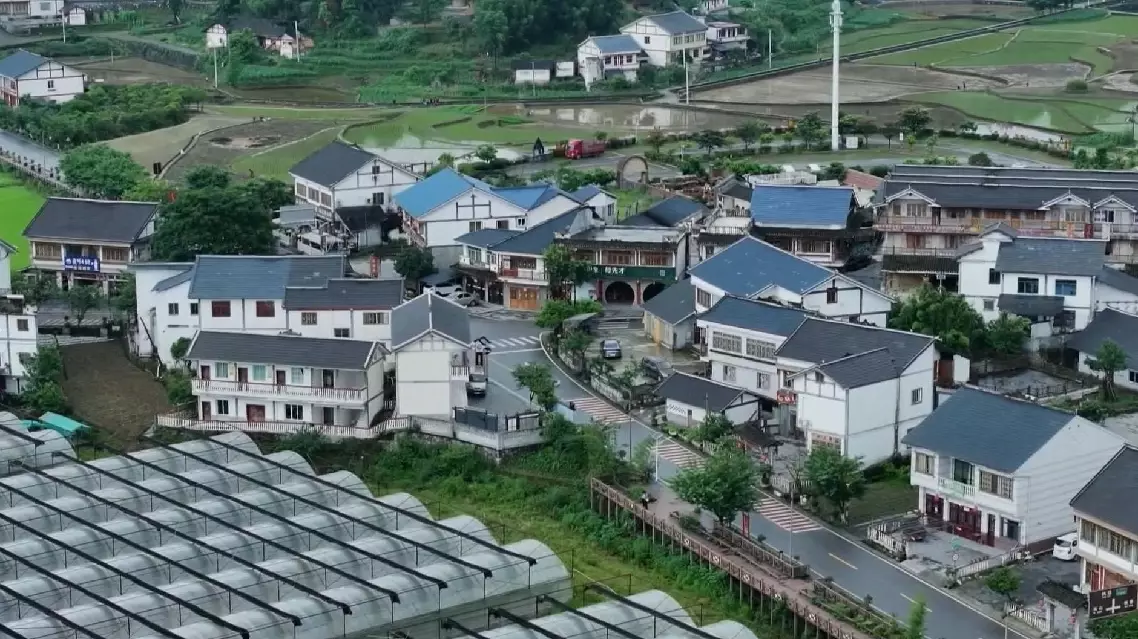
It also proposes accelerated efforts to build a beautiful and harmonious countryside for people to live and work in, calling for new breakthroughs in the integrated development of urban and rural areas and remarkable achievements in the high-quality development of agriculture and rural areas.
Tu Shengwei, a researcher at the Academy of Macroeconomic Research under the National Development and Reform Commission said these efforts aim to address some of the bottlenecks facing rural modernization.
"When considering the various tasks involved in advancing modernization, the modernization of agriculture and rural areas remains a weak link. This plan sends a clear signal that we must accelerate efforts to prioritize addressing this prominent shortfall of agricultural and rural modernization. Anchored in the goal of building a strong agricultural nation, the plan takes into account major changes in the agricultural and rural landscape during the 15th Five-Year Plan period and outlines key tasks and objectives for advancing rural revitalization," he said.
Hu Xiangdong, director-general of the Chinese Academy of Agricultural Sciences' Institute of Agricultural Economics and Development, said the plan sets out specific requirements that will help advance the agricultural sector and ensure rural areas continue to flourish.
"Two bottom lines must be firmly upheld: the first is food security and the second is preventing large-scale relapse or lapse into poverty. Additionally, there are three pillars of modernization: first, building agriculture into a modern large-scale industry; second, ensuring that rural areas are equipped with basic modern living conditions; and third, enabling farmers to lead a prosperous and happy life," he said.
China has undertaken a major campaign to eradicate extreme poverty and successfully lifted nearly 99 million rural residents out of poverty between 2012 and 2020, before establishing a five-year transition period to consolidate these gains.
China issues plan to accelerate agricultural, rural modernization