Acceptance of same-sex marriage and relationships in the U.S. has flattened after more than two decades of steadily increasing support, with an ongoing decline among Republicans, according to a new Gallup poll.
About 65% of U.S. adults believe same-sex marriage should be legal, down slightly from 71% in 2022 and 2023.
Most of the change is due to dropping acceptance among Republicans. In the new survey, which was conducted in May, only 37% of Republicans say same-sex marriage should be legally valid, while 35% say gay and lesbian relations are “morally acceptable.”
The views of Democrats and independents are largely stable in the findings released Wednesday, with most in both groups saying same-sex marriage should be legal and that gay or lesbian relations are moral.
The widening partisan divide is also reflected in policy around LGBTQ+ issues across the U.S., particularly regarding transgender people, and a rising push in some states to ban same-sex marriage.
The downtick in support for same-sex marriage, while slight, is still striking because of how dramatically American views on the issue have shifted over the past few decades.
According to Gallup’s trend data, only 27% of U.S. adults supported legal same-sex marriage in 1996. Since then, support for same-sex marriage rose steadily until a few years ago, when it peaked with around 7 in 10 U.S. adults saying same-sex marriage should be legal.
Opinion about the morality of same-sex relationships followed the same pattern. About 4 in 10 U.S. adults said same-sex relations were morally acceptable in 2001. That increased nearly 30 percentage points over the next two decades.
Over the past few years, Gallup's data has shown signs of a shift in the other direction. In addition to the slight decline on same-sex marriage, the new poll also found that 62% of U.S. adults view gay and lesbian relations as morally acceptable, down from 71% in 2022.
Same-sex marriage has been recognized nationally since a 2015 Supreme Court ruling. That case capped a 12-year run in which court rulings and state laws recognized it in most states.
By last year, there were more than 800,000 married same-sex couples, according to data compiled by the Williams Institute at the University of California Los Angeles School of Law.
The pushback has never stopped, though. A call to overturn the 2015 reached the Supreme Court last year, invoking the words of Justice Clarence Thomas, who has called for undoing it. The court turned away the appeal without comment.
Last year, the Southern Baptist Convention overwhelmingly called for reversing the ruling that led to nationwide marriage recognition and imposing a ban.
Lawmakers in at least 11 states introduced legislation for their current or most recent sessions calling on a ban on same-sex marriage, according to an Associated Press analysis of bills compiled by the legislation tracking service Plural. Most didn't pick up momentum. But the Tennessee House passed a measure to allow private citizens and organizations not to recognize the unions; Idaho's House passed a resolution calling on the Supreme Court to undo the 2015 decision.
A similar number of states have had measures aimed at protecting same-sex marriage introduced recently.
In a sign that views of LGBTQ+ issues may be shifting more broadly, the new Gallup poll found that about 4 in 10 Americans view changing one’s gender as morally acceptable, down from nearly half in 2021.
The rights of transgender people have been a hot-button political issue this decade.
Most Republican-controlled states have adopted laws in the last five years to bar gender-affirming medical treatments for transgender minors, restrict which school bathrooms transgender people may use and bar transgender girls and women from some sports competitions.
Trump has signed executive orders seeking some of the same policies on a federal level.
This week, one of those policies suffered a blow when a court ruled that the military illegally banned transgender troops.
The Gallup poll, conducted May 1-17, was based on telephone interviews with a random sample of 1,001 U.S. adults. The margin of sampling error for adults overall is plus or minus 4 percentage points.
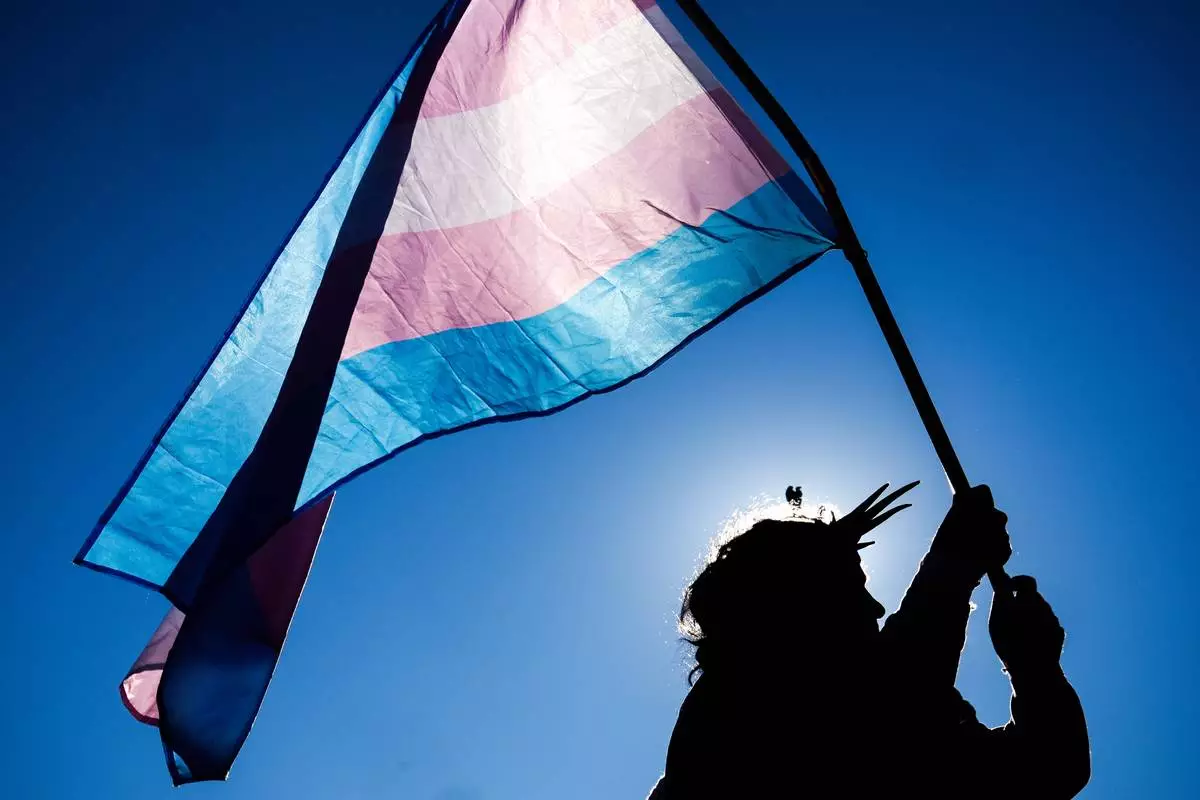
FILE - A protester dressed as the Statue of Liberty waves a transgender pride flag outside the Supreme Court in Washington, on Jan. 13, 2026, as it hears arguments over state laws barring transgender girls and women from playing on school athletic teams. (AP Photo/Julia Demaree Nikhinson, File)
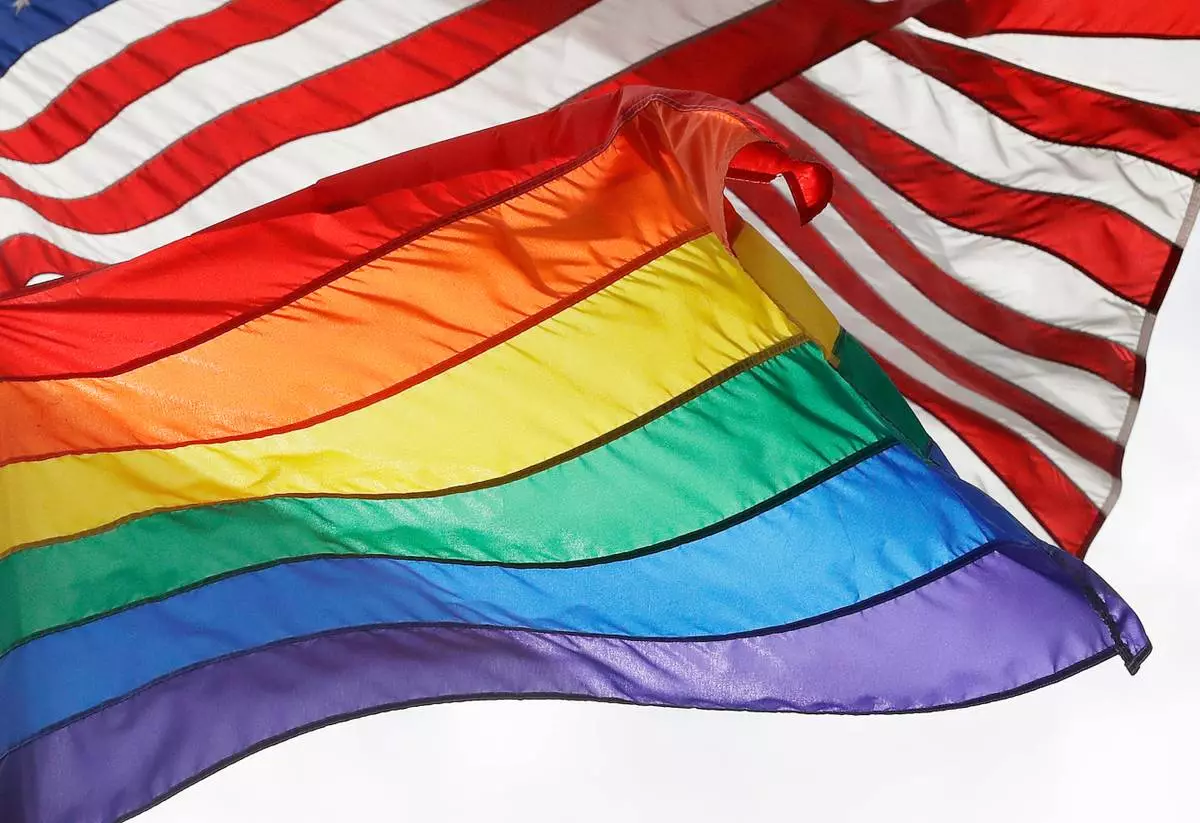
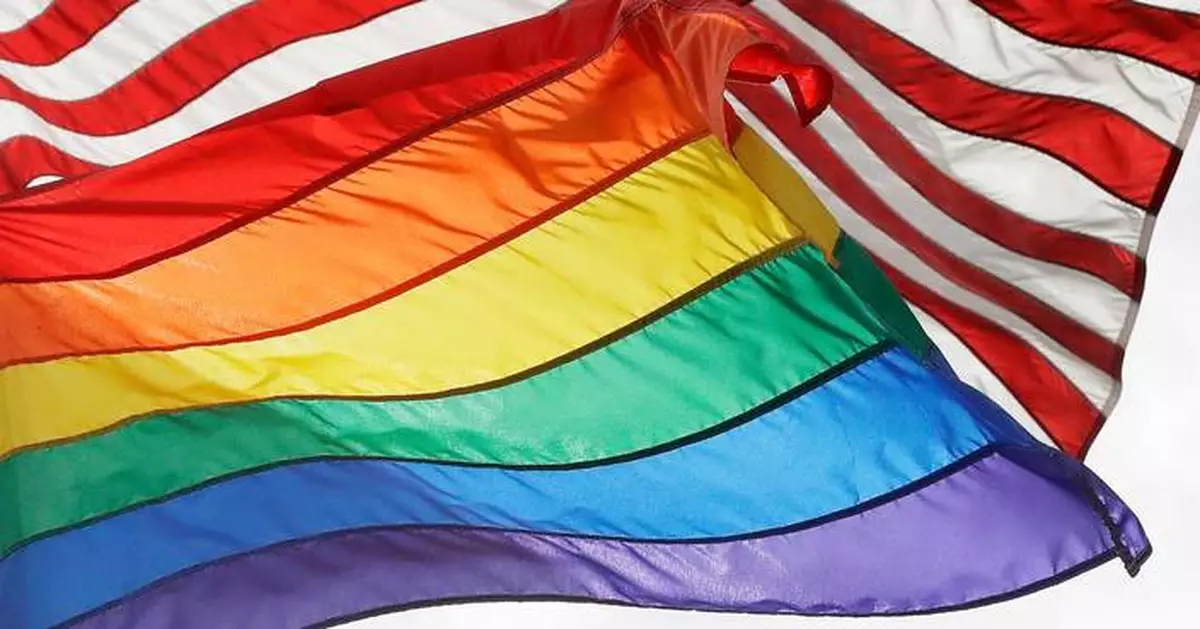
FILE - An LGBTQ+ pride flag flies beneath a U.S. flag at the Stonewall National Monument in New York, on Oct. 11, 2017. (AP Photo/Mark Lennihan, File)
SEOUL, South Korea (AP) — Exit polls suggested that South Korea's ruling liberal party was projected to win a landslide victory in Wednesday's mayoral and other local elections, a result that if confirmed would give President Lee Jae Myung a firmer political mandate to advance his agenda.
A victory by Lee's Democratic Party had been widely expected because its main rival, the conservative People Power Party, remains in disarray after President Yoon Suk Yeol was removed from office and sentenced to life in prison over his martial law debacle in late 2024.
The joint exit polls by South Korea’s three major TV stations — KBS, MBC and SBS — showed the Democratic Party was forecast to win at least 11 of the 16 mayoral and provincial gubernatorial posts up for grabs in Wednesday's elections. The polls suggested the PPP had a clear lead in only one race, while the other four races were too close to call.
“The conservatives’ support base has been fractured and weakened in the wake of Yoon’s impeachment, while the liberals’ support base has grown stronger," said Jeong Han-Wool, director of the Korean People Research Institute. “A win by the ruling party would help provide the Lee government with a considerably stable political foundation."
Thursday will mark one year in office for Lee, who won a snap election triggered after Yoon's ouster. Lee's approval ratings still hover over 60%. He's been credited with what he calls “pragmatic diplomacy” that eased concerns that his rule would hurt ties with the U.S. and Japan. His popularity has also been attributed to a booming stock market and efforts to be more transparent about his decision-making procedures.
Whatever the outcome of Wednesday’s election, Lee’s foreign policy agenda will likely remain unchanged. The Democratic Party would also maintain its majority status at parliament, though 14 new members of the 300-member National Assembly will be chosen in by-elections on Wednesday.
With more allies at mayoral and gubernatorial posts, Lee could pursue his regional policies more easily and effectively, given 14 of the 16 regional leadership posts are currently held by the PPP, said Choi Jin, director of the Seoul-based Institute of Presidential Leadership.
That will help his party's preparations for the 2028 parliamentary elections, Choi said.
The Seoul mayoral election is considered the most important one. Without winning it, experts said the Democratic Party couldn't claim an outright victory in overall elections, no matter how many races it won.
The race pits the Democratic Party’s Chong Won-o, a former Seoul district head who rose after Lee publicly praised his governance last October, against current mayor and political heavyweight Oh Se-hoon with the PPP.
The exit polls showed Chong running ahead of Oh by 5.4 percentage points.
On Tuesday, Oh accused Chong of relying on “the president’s coattails,” while Chong slammed Oh over what he called the mayor’s incompetent and irresponsible governance style.
The PPP is still struggling with internal feuding between reformists who joined the Democratic Party-led push to impeach Yoon and his loyalists who attempted to protect the embattled leader.
Among the candidates running for the parliamentary by-elections is Han Dong-hoon, leader of the reformist faction who was eventually expelled from the PPP. Pre-election surveys show Han, now an independent, holding a slim lead over the Democratic Party’s Ha Jung-woo, a former Lee adviser on artificial intelligence, in a race in Busan, the country’s second biggest city.
Jeong, the institute director, said that a Han victory could help anti-Yoon reformists regroup and emerge as a new force among the struggling conservatives in South Korea. But Choi said Han’s win could worsen a divide in the conservatives because Yoon loyalists would feel a sense of crisis and close ranks further.
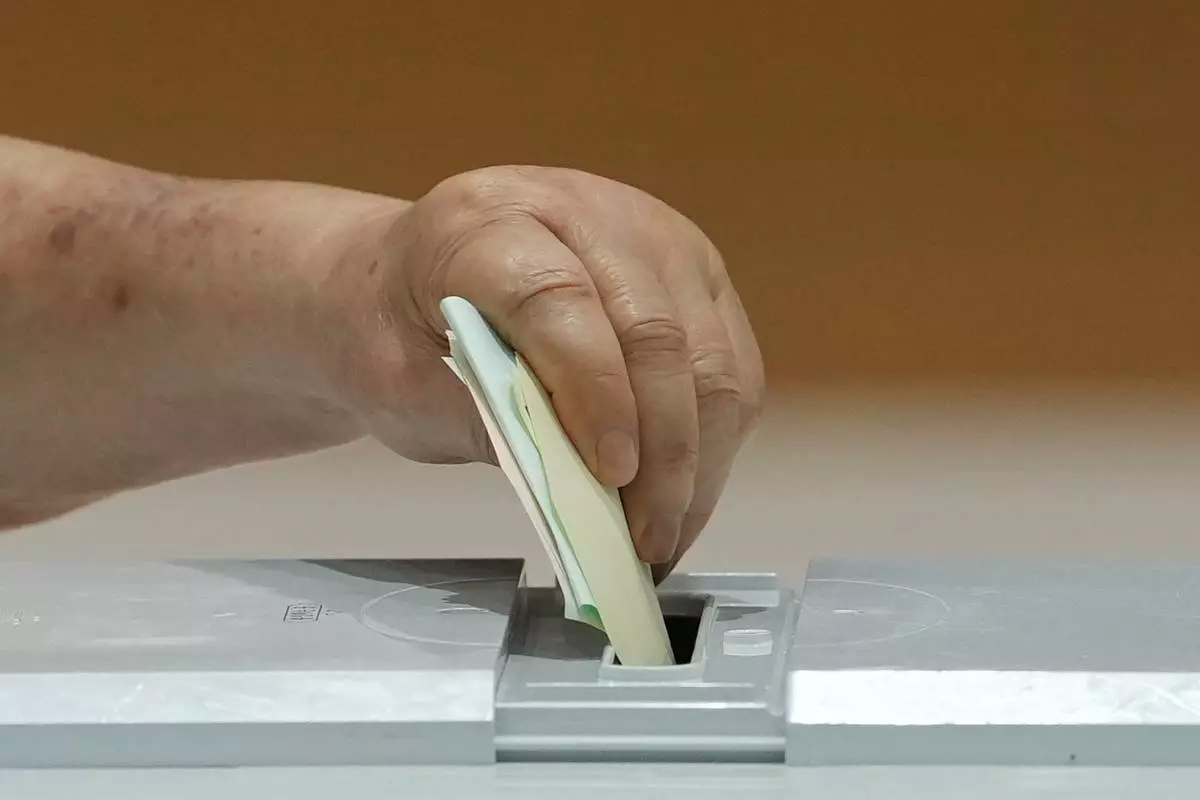
A voter casts his votes for the nationwide simultaneous local elections at a polling station in Seoul, South Korea, Wednesday, June 3, 2026. (AP Photo/Lee Jin-man)
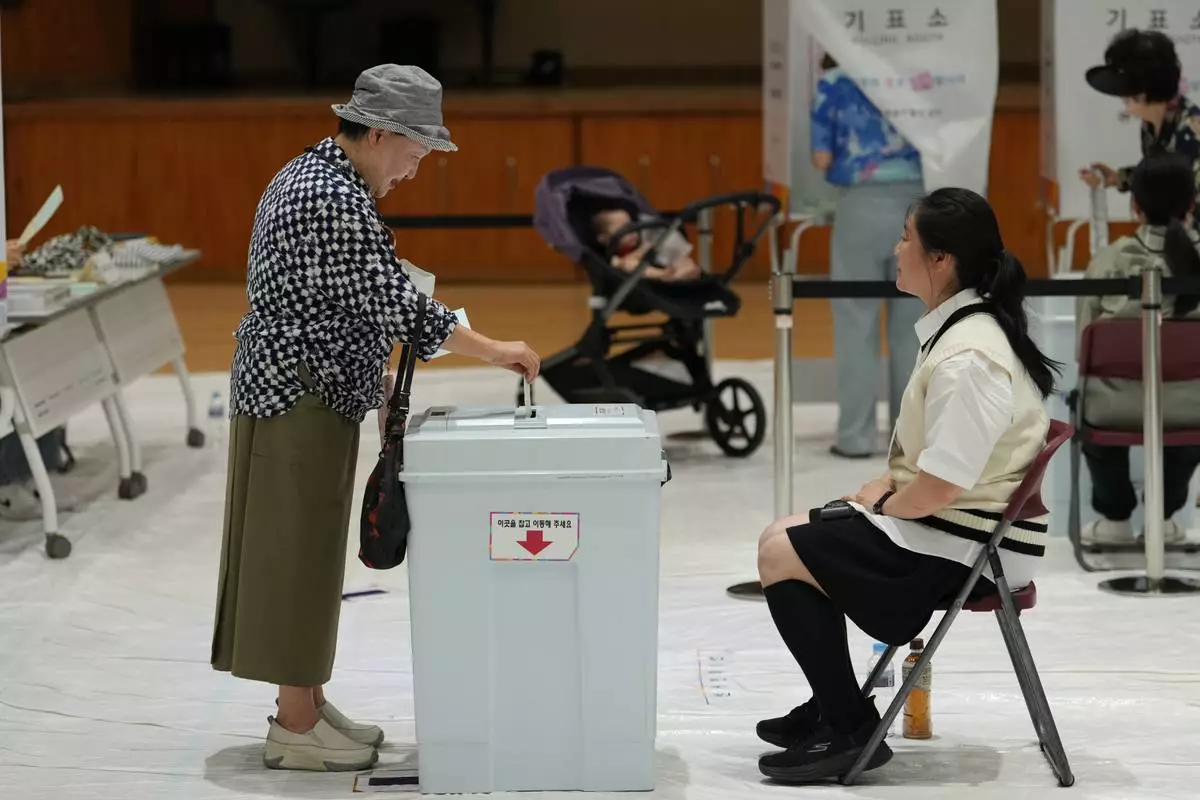
A woman casts her votes for the nationwide simultaneous local elections at a polling station in Seoul, South Korea, Wednesday, June 3, 2026. (AP Photo/Lee Jin-man)
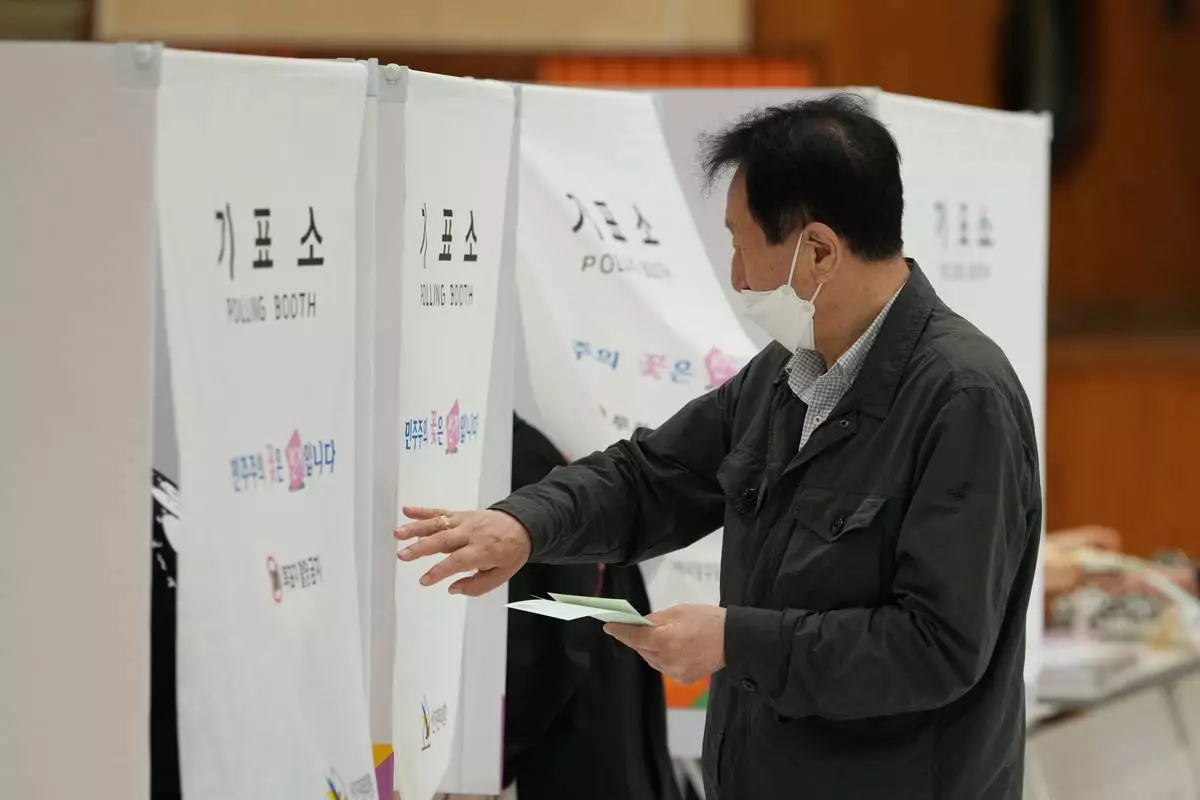
A voter arrives to cast his votes for the nationwide simultaneous local elections at a polling station in Seoul, South Korea, Wednesday, June 3, 2026. (AP Photo/Lee Jin-man)
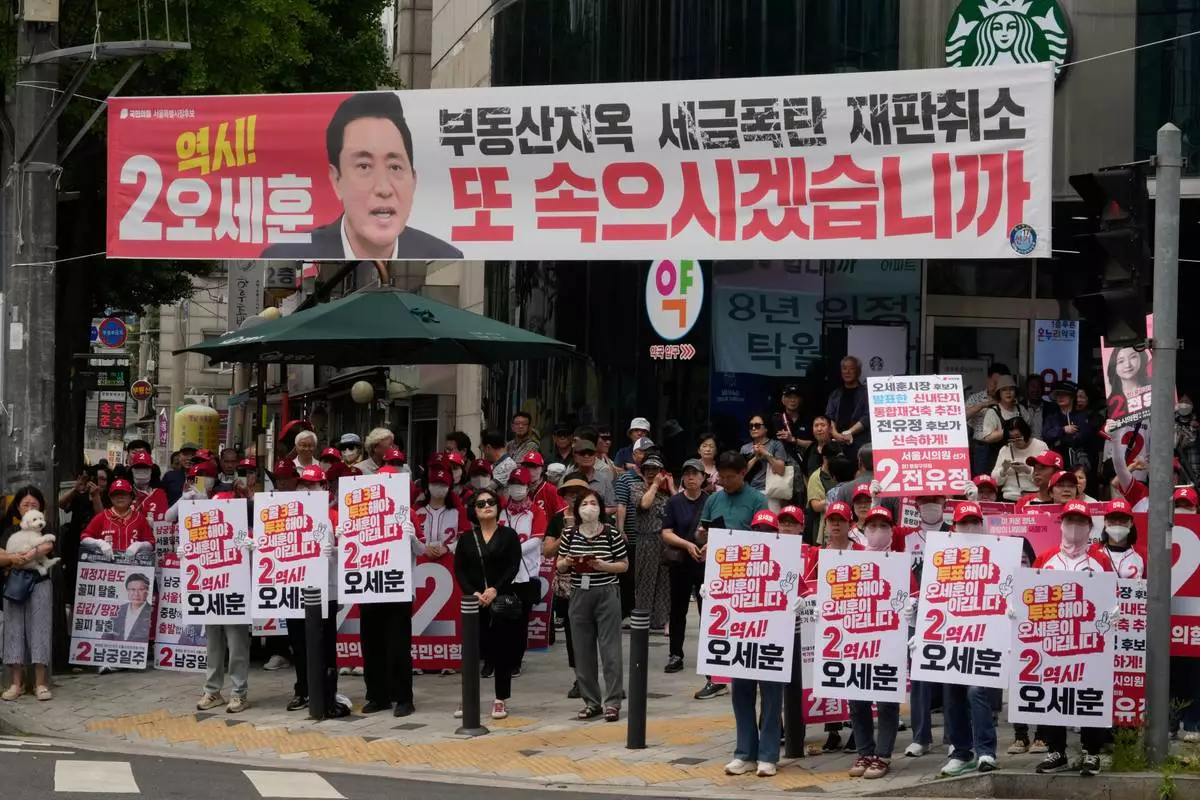
Supporters of Seoul mayoral candidate Oh Se-hoon of the main opposition People Power Party hold signs during an election campaign for June 3 nationwide simultaneous local elections in Seoul, South Korea, Monday, June 1, 2026. (AP Photo/Ahn Young-joon)
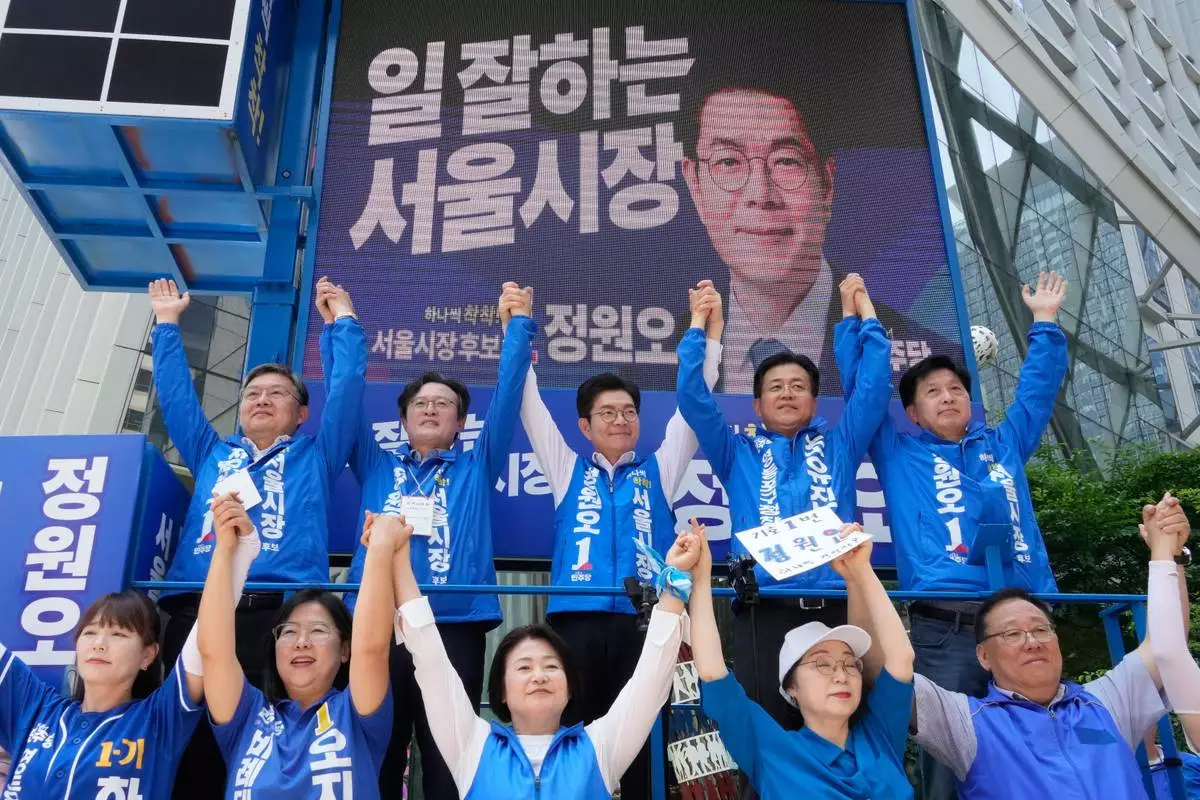
Seoul mayoral candidate Chong Won-o, top center, of the ruling Democratic Party raises his hands with his party members during an election campaign for June 3 nationwide simultaneous local elections in Seoul, South Korea, Tuesday, June 2, 2026. (AP Photo/Ahn Young-joon)
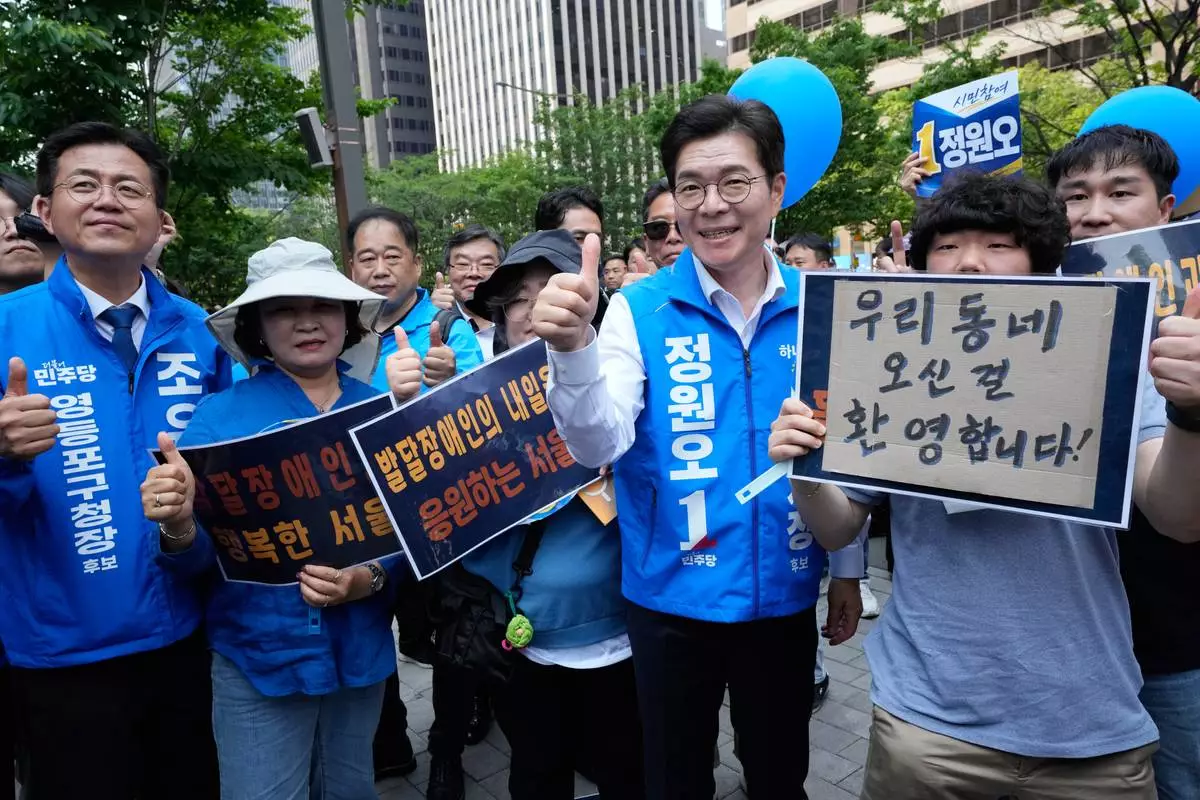
Seoul mayoral candidate Chong Won-o, third from right, of the ruling Democratic Party poses with supporters during an election campaign for June 3 nationwide simultaneous local elections in Seoul, South Korea, Tuesday, June 2, 2026. (AP Photo/Ahn Young-joon)

Seoul mayoral candidate Oh Se-hoon of the main opposition People Power Party speaks during an election campaign for June 3 nationwide simultaneous local elections in Seoul, South Korea, Tuesday, June 2, 2026. (AP Photo/Lee Jin-man)