DH reminds public to take precautions against heat-related illnesses during very hot weather
The Centre for Health Protection (CHP) of the Department of Health (DH) today (June 4) reminded members of the public to take appropriate precautions against heat-related illnesses, such as heat cramps, heat exhaustion and heat stroke, during very hot weather.
In a high-temperature environment, excessive sweating and difficulty in heat dissipation can cause stress to the body. Members of the public should take the following precautions:
- Hydrate in a timely manner to prevent dehydration;
- Wear light-coloured, loose-fitting and breathable clothing to minimise heat absorption and facilitate perspiration and heat dissipation;
- Keep indoor areas well ventilated and maintain appropriate temperature and humidity, e.g. by opening windows or using a fan or air-conditioning;
- Avoid strenuous exercise and prolonged activities such as hiking or trekking;
- Arrange outdoor activities in the morning or the late afternoon, if possible, and bring enough water; and
- Avoid beverages containing caffeine, such as coffee and tea, as well as alcoholic beverages, which may speed up water loss through the urinary system.
In addition, infants and children, the elderly, pregnant women, individuals with chronic illnesses such as heart disease or high blood pressure, overweight people and outdoor/manual workers are more susceptible to heat stroke. These groups should pay special attention to the following:
- Infants and young children: Avoid going outside when the temperature is high. If they must go outside, adults should ensure they stay in places with moderate temperatures and good ventilation or air-conditioning. Infants and young children should never be left unattended in a confined space such as a vehicle;
- The elderly, pregnant women, individuals with chronic illnesses and overweight people: Pay close attention to health conditions and seek help as soon as possible if experiencing any abnormalities in health indicators such as blood pressure, heart rate, etc or if there are fluctuations in health conditions. Avoid going out when the temperature is high. Make sure there is good ventilation, or turn on a fan or air-conditioner to keep an appropriate temperature indoors. High temperatures can also worsen the condition of people with chronic illnesses (such as cardiovascular and respiratory diseases). Therefore, they should have an ample supply of their usual medication and keep in contact with family members, neighbours and the community. People should seek immediate help if they feel unwell.
- Outdoor/manual workers: Reschedule work to cooler hours as far as feasible. If working in a hot environment is unavoidable, provide shade where practicable and use ventilation and heat dissipation equipment. Once work has begun, gradually adjust the pace of work and take breaks in the shade to regain strength.
The DH reminded the public that heat stroke is one of the most common health risks in hot weather. Over the past five years, there have been over 200 hospital admissions due to heat stroke each year in Hong Kong, with two to five fatal cases occurring mainly during the summer months from May to September. Vulnerable groups are more susceptible to heat stroke. Symptoms include dizziness, headache, nausea, shortness of breath or confusion. In severe cases, patients may suffer from convulsions or become unconscious, which can be life-threatening if they are not cooled down and resuscitated in a timely manner.
Members of the public are also advised to pay attention to the latest weather, as well as the real-time and forecasted ultraviolet (UV) index released by the Hong Kong Observatory (HKO). When the UV index is high (6 or above), the public should note the following:
- Avoid direct sunlight exposure to the skin and the eyes;
- Apply broad-spectrum, water-resistant sunscreen liberally, with a sun protection factor (SPF) of at least 30 or higher, when participating in outdoor activities. Reapply every two hours if staying outdoors for long periods, or after swimming, sweating or towelling off;
- While using DEET-containing insect repellents for personal protection against mosquito-borne diseases, apply sunscreen before insect repellent;
- Wear UV-blocking sunglasses;
- Wear loose-fitting clothing with long-sleeves; and
- Wear a wide-brimmed hat or use an umbrella.
If symptoms develop, such as dizziness, headache, nausea, shortness of breath or confusion, rest and seek help immediately, and seek medical advice as soon as possible.
For more health information, the public may visit the CHP's heat stroke page and UV radiation page; the HKO's Dial-a-Weather (1878 200), latest weather report and forecast, UV Index and weather information for hiking and mountaineering; and press releases of the Labour Department on precautions against heat stroke for outdoor workers and their employers when the Heat Stress at Work Warning is in force.
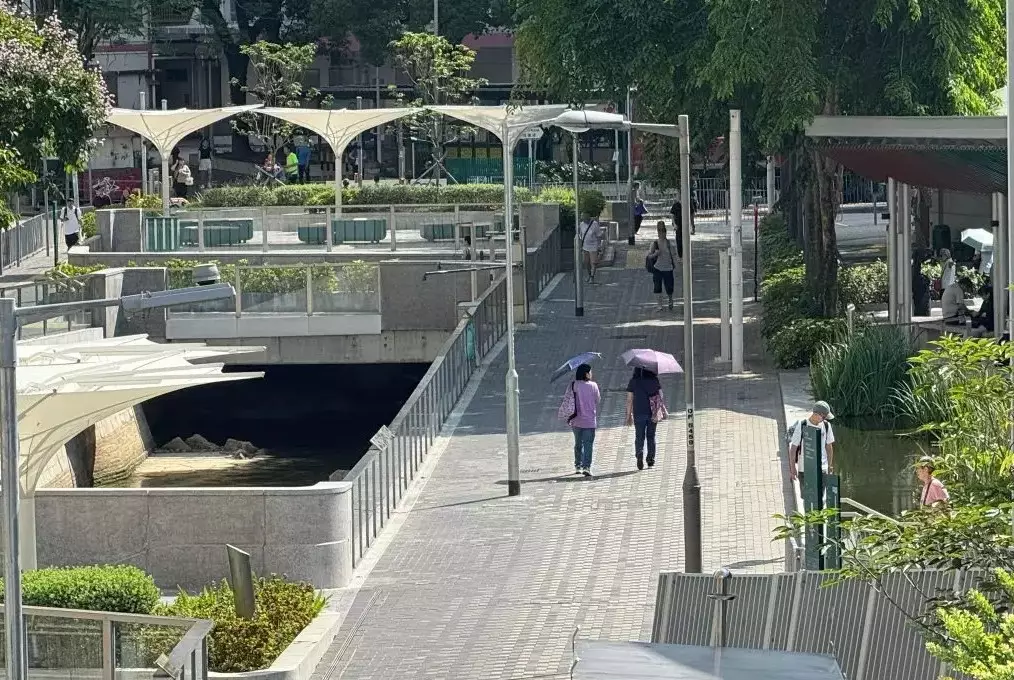
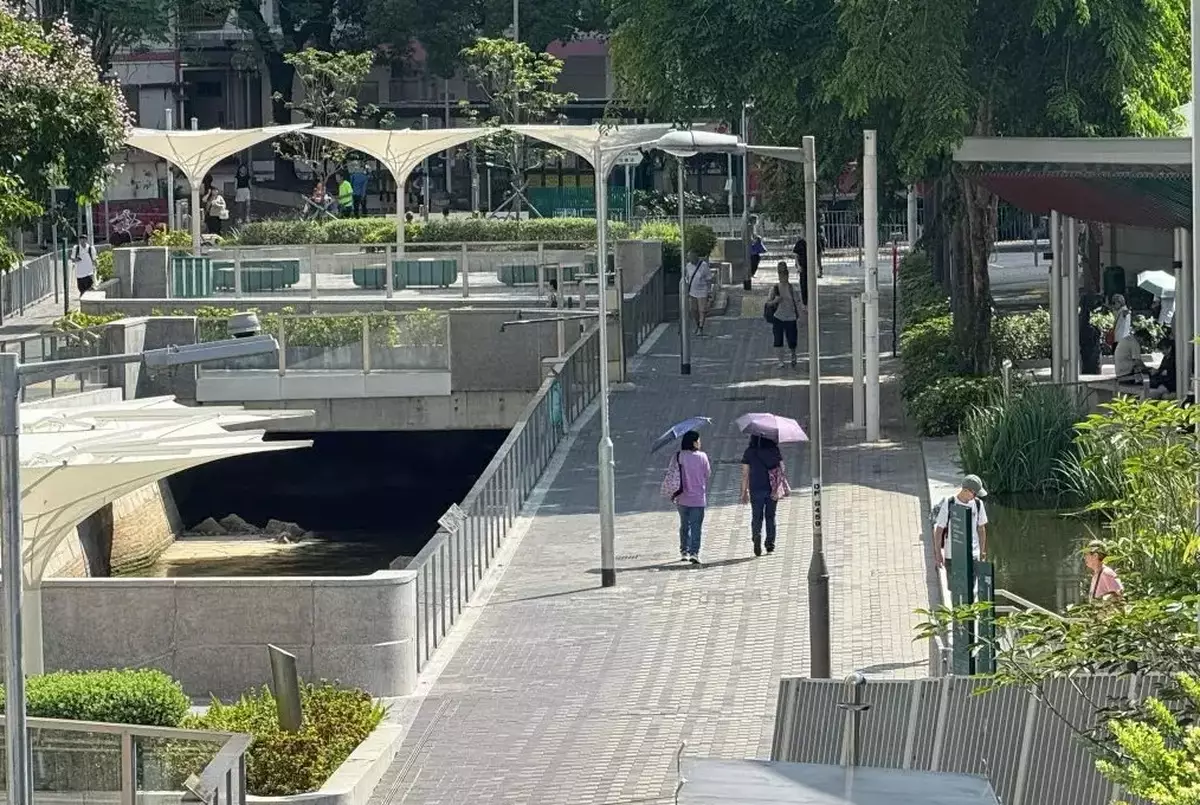
Hot weather in Hong Kong, Photo by Bastille Post
CHP investigates confirmed Mpox case epidemiologically linked to "Hutong"
The Centre for Health Protection (CHP) of the Department of Health (DH) said today (June 5) that it is investigating a confirmed locally acquired Mpox (also known as Monkeypox) case epidemiologically linked to the two cases involving in "Hutong" announced on May 25. The CHP has been closely following up on the investigation, including attempting to contact individuals who visited the premises on or after May 1, providing them with health education and continuing to conduct medical surveillance. The CHP urged the public to be vigilant and avoid close physical contact with persons suspected of contracting Mpox. Meanwhile, high-risk target groups are advised to receive Mpox vaccinations.
Case details
—————
The case involves a 52-year-old male who reported to have high-risk contact at a premises called "Hutong" on Shanghai Street, Mong Kok, on May 2 (during the incubation period). He developed a non-pruritic and painless rash over his genital area on May 21, followed by a fever and sore throat on May 25, and a subsequent rash eruption over his upper limbs, chest, and anal region. The CHP made several attempts to contact the patient between the end of May and the beginning of June, but had failed to reach him. The CHP thus sent him a text message. The patient attended the Yau Ma Tei Male Social Hygiene Clinic on June 4 to seek medical treatment and reported relevant high-risk contact history to the healthcare workers. The CHP subsequently arranged for him to receive isolation treatment at the Yan Chai Hospital. The patient is currently in stable condition. His samples tested positive for Monkeypox virus upon laboratory testing by the Public Health Laboratory Services Branch of the CHP.
According to the information provided by the patient, he has not received Mpox vaccination. The CHP is continuing its epidemiological investigations of the case and endeavouring to contact individuals who had high-risk contact with him. The CHP will report the case to the World Health Organization.
Follow-up on the "Hutong" cases in Mong Kok
———————————————
The CHP continues to follow up on the investigation of the cases in "Hutong", and has now successfully contacted around 300 persons who have visited the premises on or after May 1. No other cases have been identified so far. The CHP has provided them with health education and continued to conduct medical surveillance. The CHP again urges anyone who visited the premises on or after May 1 to call the CHP's designated Mpox telephone hotline (2125 2373), so that the CHP can provide health assessments and advice. The hotline operates daily from 9am to 6pm. As investigations are still ongoing, the premises has been closed temporarily starting from May 26.
Furthermore, the CHP will collaborate with Hong Kong AIDS Foundation to launch an outreach Mpox vaccination activity in the next two weeks at the organisation's service centre in Mong Kok. Eligible high-risk groups (especially men who have sex with men) can make an appointment on the organisation's website.
Since 2022, Hong Kong has recorded a total of 88 Mpox cases (71 local cases and 17 imported cases), including the above-mentioned case. All patients were males. Epidemiological investigations revealed that most cases had history of high-risk sexual behaviour, including having sex with strangers or having sex without wearing condoms.
Mpox vaccine
-----------------
Mpox vaccine can prevent infection and severe disease. The DH provides Mpox vaccination services for highrisk groups. The following high-risk target groups are eligible for Mpox vaccinations on a voluntary basis:
 individuals with high-risk sexual practices, e.g. having multiple sexual partners, sex workers, or having a history of sexually transmitted infection within the past 12 months;
healthcare workersresponsible forcaring forpatients with confirmed Mpox;
laboratory personnel working with zoonotic pox viruses; and
animal care personnel with high risk of exposure in caseof Mpox occurrences in animals in Hong Kong.
individuals with high-risk sexual practices, e.g. having multiple sexual partners, sex workers, or having a history of sexually transmitted infection within the past 12 months;
healthcare workersresponsible forcaring forpatients with confirmed Mpox;
laboratory personnel working with zoonotic pox viruses; and
animal care personnel with high risk of exposure in caseof Mpox occurrences in animals in Hong Kong.
High-risk target groups can receive Mpox walk-in vaccinations at any of the DH's SocHS (namely Chai Wan SocHS, Wan Chai Male SocHS, Wan Chai Female SocHS, Yau Ma Tei Male SocHS, Yau Ma Tei Female SocHS, Yung Fung Shee SocHS, Fanling SocHS and Tuen Mun SocHS) and the DH's Yau Ma Tei Integrated Treatment Centre.
Meanwhile, the DH's Kowloon Bay Integrated Treatment Centre and the Hospital Authority's Special Medical Clinics at Queen Elizabeth Hospital and Princess Margaret Hospital also provide Mpox vaccination services for their clients.
Mpox is not transmitted through respiratory droplets or aerosols in general, and transmission would not occur through social contact. The CHP reminds the public, especially those at higher risks of exposure, to take precautions and avoid close physical contact with persons or animals suspected of infection. They should seek medical attention as soon as possible if they experience relevant symptoms, including rash, fever, chills, swollen lymph nodes, exhaustion, muscle pain, and severe headaches. They should not engage in activities with others that may involve contact with skin rash or body fluids.
For more details, please visit the CHP's page onMpoxandMpox Vaccination Programme.
Source: AI-found images