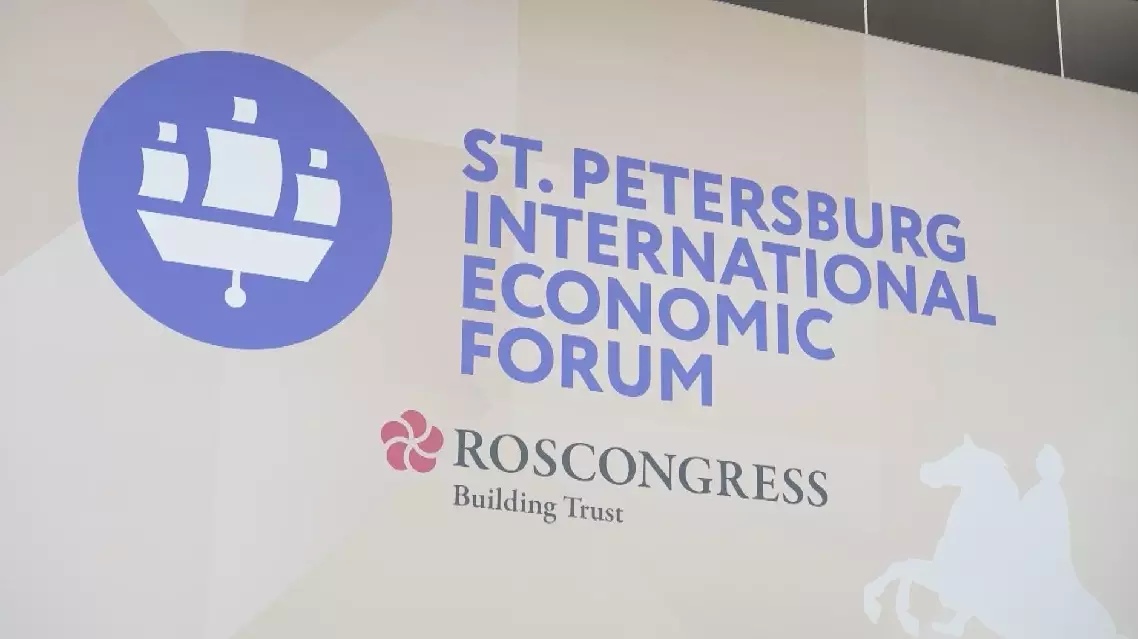
The 29th St. Petersburg International Economic Forum (SPIEF) opened on Wednesday in St. Petersburg, Russia, bringing together about 20,000 representatives from political, business and academic circles from more than 100 countries and territories.
The four-day event, themed "Pragmatic Dialogue: The Path to a Stable Future," focuses on fostering new models of global development amid ongoing transformations in the world economy, according to organizers.
The forum features seven thematic tracks and more than 170 dialogues, speeches and discussion sessions. More than 300 business events are also scheduled, including closed-door consultations, thematic roundtables and business breakfasts.
Multiple cultural events will also be held within the framework of the forum. Olga Galaktionova, director of the State Tretyakov Gallery, said after Russia and China implemented mutual visa exemption policies, the gallery has been welcoming a growing number of Chinese visitors.
"For international visitors, we now offer audio guides not only in English but also in Chinese, which has become extremely popular. Our data showed that the Chinese audio guide is sometimes even more welcomed than the Russian audio guide," said Galaktionova.
Launched in 1997, the St. Petersburg International Economic Forum has grown into one of Russia's most important international economic forums.
Russia's flagship economic forum opens in St. Petersburg
Freight rates for very large crude carriers (VLCCs) have surged to their highest level in about 60 years, driven largely by U.S. and Israeli military strikes against Iran and a severe shortage of vessel supply, according to a recent Bloomberg report.
Bloomberg reported on October 9, citing British shipbroker Simpson Spence Young (SSY), that even after adjusting for inflation, rates have reached the highest level since the first supertankers entered service in the 1960s.
The surge stems from a structural capacity shortage triggered by the situation in the Middle East.
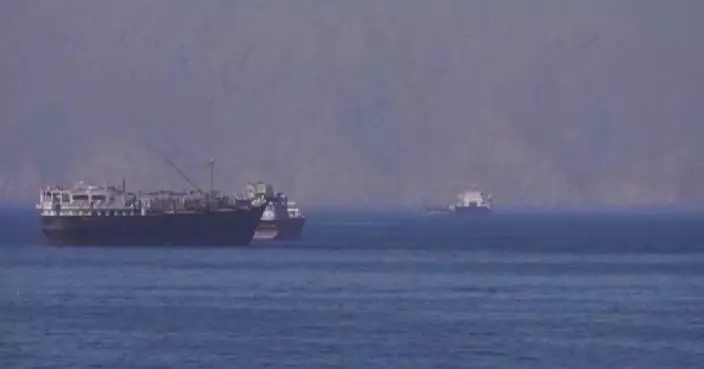
Mounting risks in the Strait of Hormuz have prompted many shipowners to opt for longer alternative routes, sharply tightening effective global capacity.
Although Middle Eastern crude oil exports have since gradually resumed, trade flows have become far more complex than before the conflict.
Oil producers in the region have become increasingly dependent on ship-to-ship transfers at sea, adding about one week to each journey and further extending the global fleet's turnaround cycle.
Uncertainty over the strait's navigability has made the shortage more acute.
According to the report, the freight surge is now rippling through the energy supply chain.
Spanish refiner Repsol reported profit margins of 36 U.S. dollars a barrel in the third quarter, but market analysts estimated those margins narrowed to about 15 U.S. dollars in October, partly because of high tanker costs.
Analysts warned that if freight rates keep going up, refiners could eventually decide to cut production.
Amsterdam-based bank ING said in a report released on October 7 that crude shipments from Saudi Arabia to Netherlands had skyrocketed to more than 35 U.S. dollars a barrel from 2 U.S. dollars in 2025.
Tanker freight rates remain high this month, it noted.

Supertanker freight rates soar to 60-year high: media