Skip to Content Facebook Feature Image

Ahead of papal visit, Spain pushes forward with reparations for church sex abuse victims

News

Ahead of papal visit, Spain pushes forward with reparations for church sex abuse victims
News

News

Ahead of papal visit, Spain pushes forward with reparations for church sex abuse victims

2026-06-04 19:17 Last Updated At:19:20

MADRID (AP) — In the 1970s, in a devoutly Catholic Spain still ruled by dictator Francisco Franco, Paula Alonso-Pimentel was sent for catechism at age 8 to a religious school in the northern city of Valladolid.

There, she says, a Marist priest sexually abused her for a year in the school's vestibule, placing her on his knees and lifting her skirt as students passed in and out. More than 50 years later, she is seeking reparations.

More Images
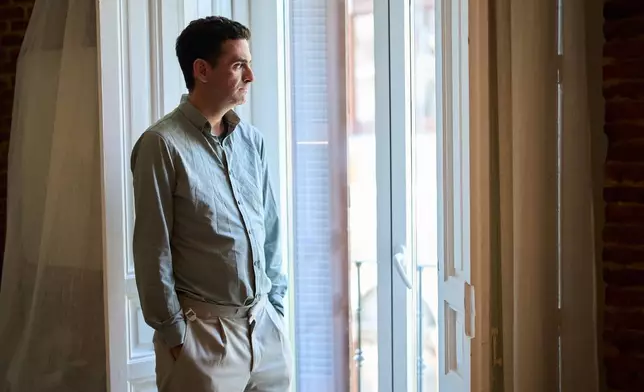
Miguel Hurtado, poses for a portrait after an interview with The Associated Press in Madrid, Spain, Thursday, May 21, 2026. (AP Photo/Bernat Armangue)
Miguel Hurtado, poses for a portrait after an interview with The Associated Press in Madrid, Spain, Thursday, May 21, 2026. (AP Photo/Bernat Armangue)
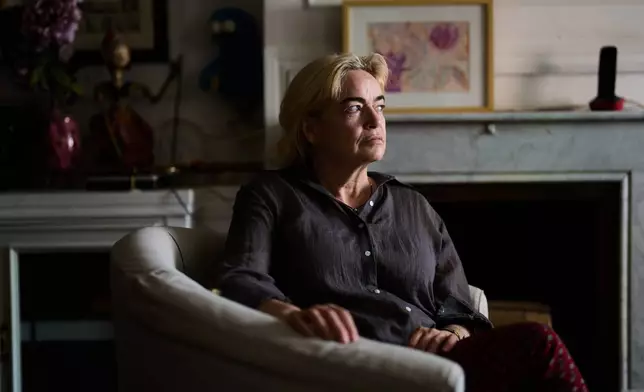
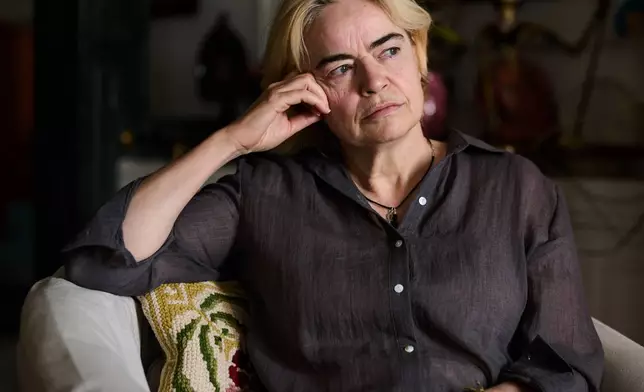
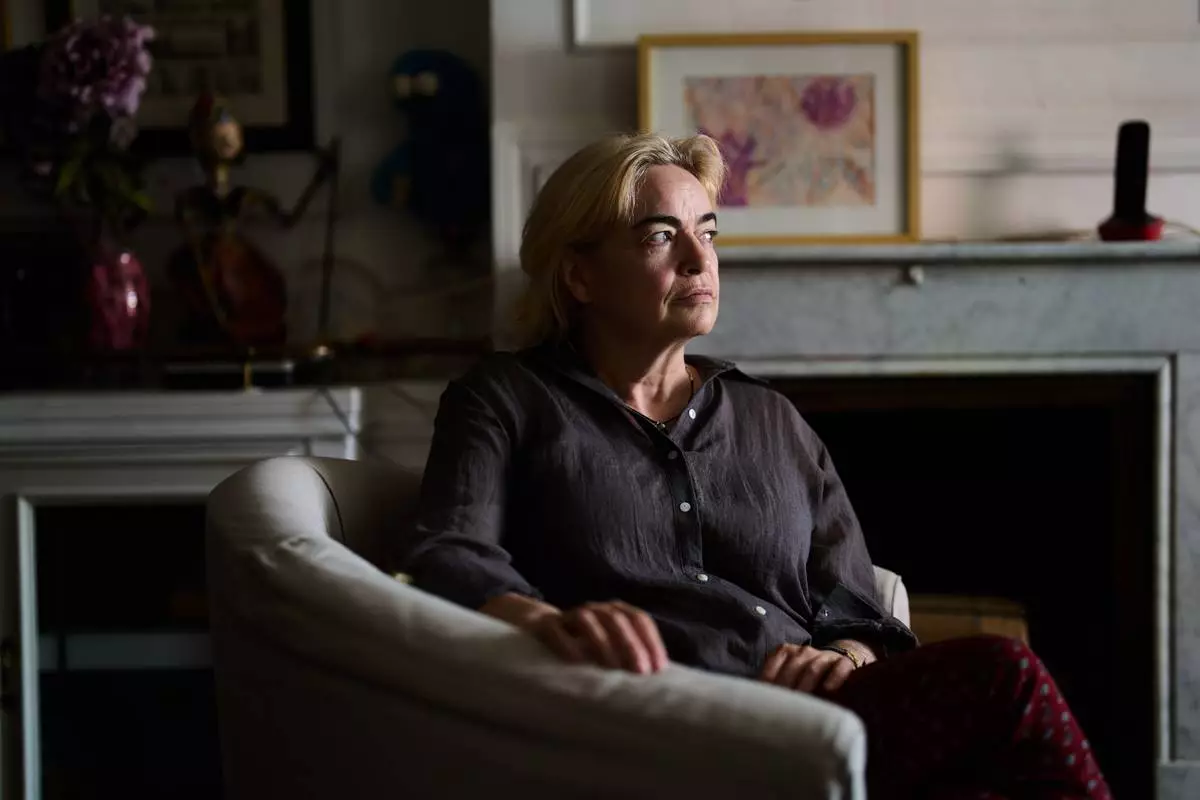
Paula Alonso, poses for a portrait after an interview with The Associated Press in Madrid, Spain, Thursday, May 21, 2026. (AP Photo/Bernat Armangue)

Paula Alonso, poses for a portrait after an interview with The Associated Press in Madrid, Spain, Thursday, May 21, 2026. (AP Photo/Bernat Armangue)

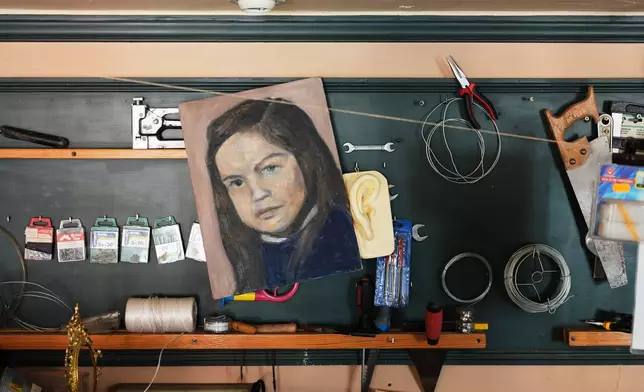
A childhood self-portrait by Paula Alonso hangs in the studio of her apartment in Madrid, Spain, Thursday, May 21, 2026. (AP Photo/Bernat Armangue)
A childhood self-portrait by Paula Alonso hangs in the studio of her apartment in Madrid, Spain, Thursday, May 21, 2026. (AP Photo/Bernat Armangue)

Paula Alonso, poses for a portrait after an interview with The Associated Press in Madrid, Spain, Thursday, May 21, 2026. (AP Photo/Bernat Armangue)

Paula Alonso, poses for a portrait after an interview with The Associated Press in Madrid, Spain, Thursday, May 21, 2026. (AP Photo/Bernat Armangue)

Spain’s long-delayed reckoning with sexual abuse within the Catholic Church entered a new phase this year with the launch of a reparations program for cases like Alonso-Pimentel’s that involve accused clergy members who have died and whose alleged crimes are too old to be prosecuted.

The Spanish bishops conference and Spain's government approved the program months before Pope Leo XIV ’s planned visit starting Saturday to the once overwhelmingly Catholic nation of 50 million people. Notably, it gives the government the final word on payouts. Across the world, clergy sexual abuse and cover-up scandals have rocked Catholic dioceses, damaging the Church’s reputation and challenging the popularity of popes more than three decades after the crisis first erupted publicly in the West.

In Spain, some victims have been reassured; others remain skeptical, arguing that the window for reparations claims is too short and questioning whether it can succeed without enforceable, transparent payments.

The program gives victims a year to apply. So far, 420 people have done so. It follows years of controversy after newspaper El País revealed the scope of alleged abuse amid the church's silence, as well as criticism of the church’s own attempt to compensate victims.

Alonso-Pimentel shares some skepticism, but hopes the abuse she has spent decades trying to overcome will finally be addressed.

“It must cost them, the Church,” she said. “It must cost them because this cannot come for free. They cannot continue doing this without paying a huge price.”

The Associated Press does not identify people who say they have been sexually assaulted unless they come forward publicly, as Alonso-Pimentel has done.

For years, she buried the memories. With time, she spoke about the abuse to friends, partners, psychologists and eventually to others who also said clergy had abused them.

After Pope Francis convened a global summit in 2019 on clerical abuse, Alonso-Pimentel wrote to the Marist order in Valladolid, seeking details about the priest she says abused her. All she received was his name. Following a brief period of communication, she felt mistrustful and cut off contact.

When the Spanish church launched its own extrajudicial program for abuse victims in prescribed cases, she did not apply, deterred by the institution's attitude. Alonso-Pimentel hopes the new church-state model will be more equitable.

“I’m going to submit my report no matter what,” she said, “but I also want to see how they work.”

The new system calls for Spain's ombudsman to review each case through an independent team of experts and propose compensation, whether symbolic, psychological or economic, that the church will then assess.

If no agreement is reached, the case will go to a joint committee with representatives from the church, the ombudsman’s office and victims groups. If that committee can’t agree, the ombudsman has the final word.

With El País' creation in 2018 of a database of clergy sexual abuse cases, Spain began confronting a legacy of abuse by priests and cover-up by generations of bishops and religious superiors. It did so later than other Western countries, including the United States, Ireland and Australia.

As the database grew, so did public outrage, with Spain's ombudsman tasked by Parliament to investigate how widespread the issue was. In 2023, the ombudsman delivered a damning 800-page report estimating there were hundreds of thousands of possible victims of church sexual abuse in Spain over decades — based on a survey of 8,000 people. The report also examined 487 known cases.

Spain’s bishops rejected the estimate, saying its own investigation had uncovered 728 sexual abusers within the church since 1945. Most of the crimes occurred before 1990, the bishops' conference said, and 60% of the alleged perpetrators were now dead.

In 2024, the bishops unilaterally created a system to assist victims on a case-by-case basis. It came months after the Spanish government announced its intention to force the church to compensate victims, accusing the church of minimizing the problem. It said the church's in-house system was ineffective in part because it lacked outside oversight.

For that reason, many victims, including Alonso-Pimentel, said they didn't want to directly approach the church.

You can’t be a judge and a jury in your own case, Alonso-Pimentel said. “It’s as simple as that.”

Earlier this year, the bishops conference said it had paid around 2 million euros ($2.3 million) to victims, but understood some victims' discomfort. It acknowledged the utility of the new state-church model.

“It’s opening a new door for the process that the church has already been developing for the past two years," said Josetxo Vera, the conference's communications director.

The Vatican has grown more explicit about compensating sexual abuse victims. In Leo's first encyclical, he wrote that listening to victims of sexual abuse included “acknowledging the harm done” and “just reparation.”

Even so, Spain's bishops have long denied that clerical abuse is systemic, pointing out that more sexual crimes take place outside the church.

“We believe that, indeed, human nature is flawed, that it has a propensity for evil, and that it needs a great deal of reconciliation and forgiveness. But I can’t say that it’s a systemic issue,” said Vera. “We are part of this society. We share some of its virtues, and we also share some of its vices and crimes.”

Other victims and advocates worry that Spain's new plan still won’t be strong enough. A key concern: there is no scale for reparations based on the severity of the abuse, with the church and government agreeing to evaluate cases on an individual basis. Also, it isn't legally binding.

“I see this protocol actually as being quite fragile," said Anne Barrett Doyle, co-director of Bishop Accountability, a Boston-based nonprofit that researches child abuse by priests and the management of those cases by bishops, religious orders and the Vatican. "It has a very short time frame. It has no matrix to establish minimum awards for various categories of injuries. So will it be fair? Will it be consistent?”

Ahead of Leo's visit, Spanish activist Miguel Hurtado has cited his own abuse case to highlight its potential weaknesses.

More than two decades ago, Hurtado says that a monk named Andreu Soler sexually molested him when he was a 16-year-old Boy Scout in a group led by Soler at the Montserrat Abbey, an 11th-century Benedictine monastery in the mountains outside Barcelona.

Initially, the monastery persuaded his parents not to report the alleged abuse to authorities, Hurtado said. He tried moving on with his life. But as Hurtado observed the reckoning around clerical abuse taking place years later, he went public with his accusations, including to El País.

The Montserrat Abbey, through an independent report in 2019, acknowledged multiple cases of sexual abuse committed by Soler over decades. But Hurtado said it did not assume any responsibility to formally compensate victims “because everything is time-barred, both criminally and civilly."

Questioned by the AP, the monastery declined to comment on Hurtado's case or whether it will cooperate with other cases that could emerge through the new reparations system.

Hurtado said he is disappointed that Leo will visit the monastery despite the abuse allegations, which he has detailed to the Vatican and other church authorities.

He fears the new system could leave many victims in the dark.

“The problem is that it’s built on sand,” Hurtado said.
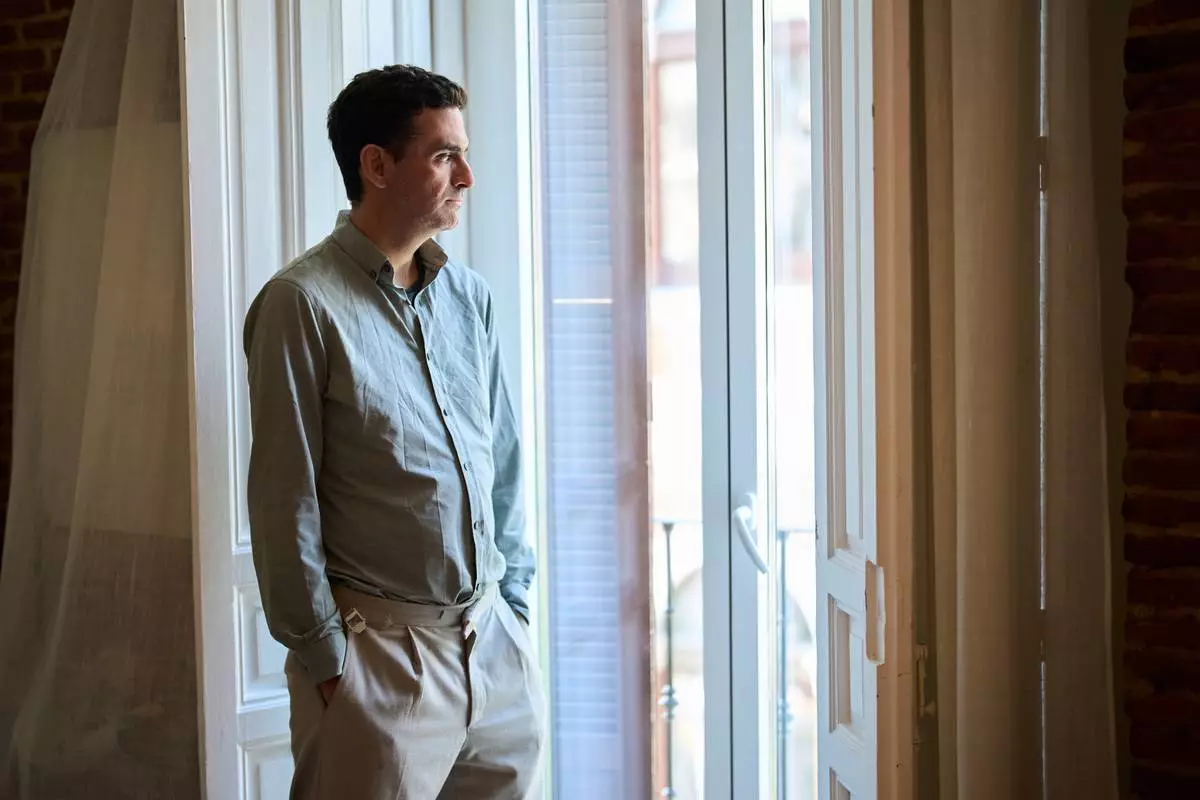
Miguel Hurtado, poses for a portrait after an interview with The Associated Press in Madrid, Spain, Thursday, May 21, 2026. (AP Photo/Bernat Armangue)
Miguel Hurtado, poses for a portrait after an interview with The Associated Press in Madrid, Spain, Thursday, May 21, 2026. (AP Photo/Bernat Armangue)
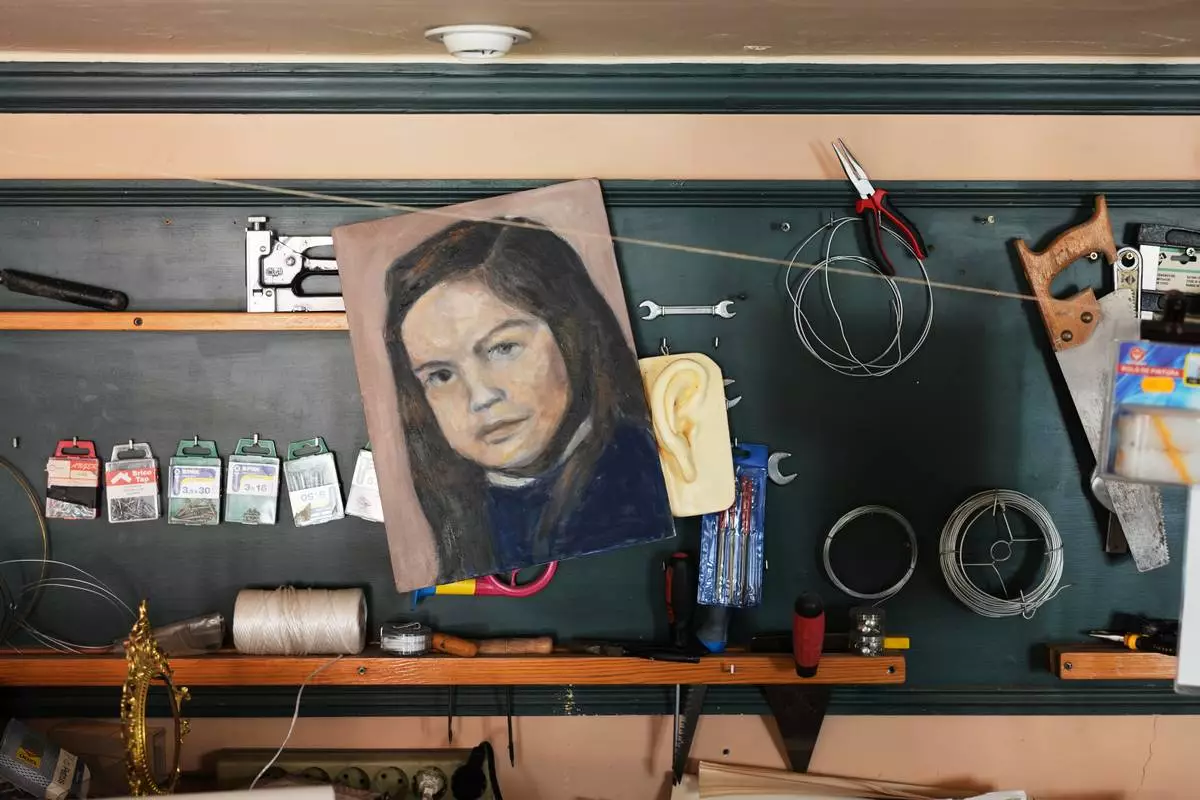
Paula Alonso, poses for a portrait after an interview with The Associated Press in Madrid, Spain, Thursday, May 21, 2026. (AP Photo/Bernat Armangue)

Paula Alonso, poses for a portrait after an interview with The Associated Press in Madrid, Spain, Thursday, May 21, 2026. (AP Photo/Bernat Armangue)

A childhood self-portrait by Paula Alonso hangs in the studio of her apartment in Madrid, Spain, Thursday, May 21, 2026. (AP Photo/Bernat Armangue)
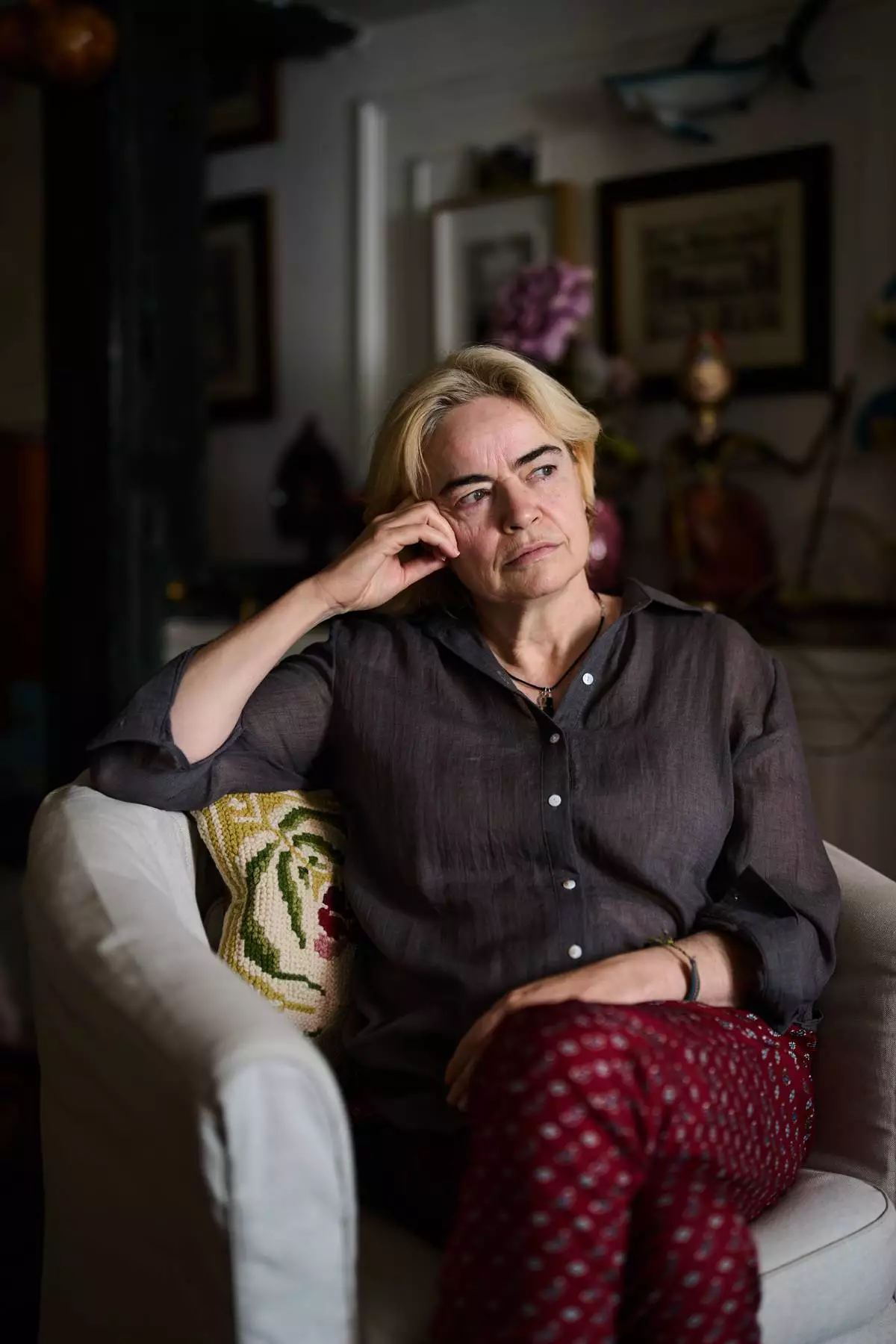
A childhood self-portrait by Paula Alonso hangs in the studio of her apartment in Madrid, Spain, Thursday, May 21, 2026. (AP Photo/Bernat Armangue)

Paula Alonso, poses for a portrait after an interview with The Associated Press in Madrid, Spain, Thursday, May 21, 2026. (AP Photo/Bernat Armangue)

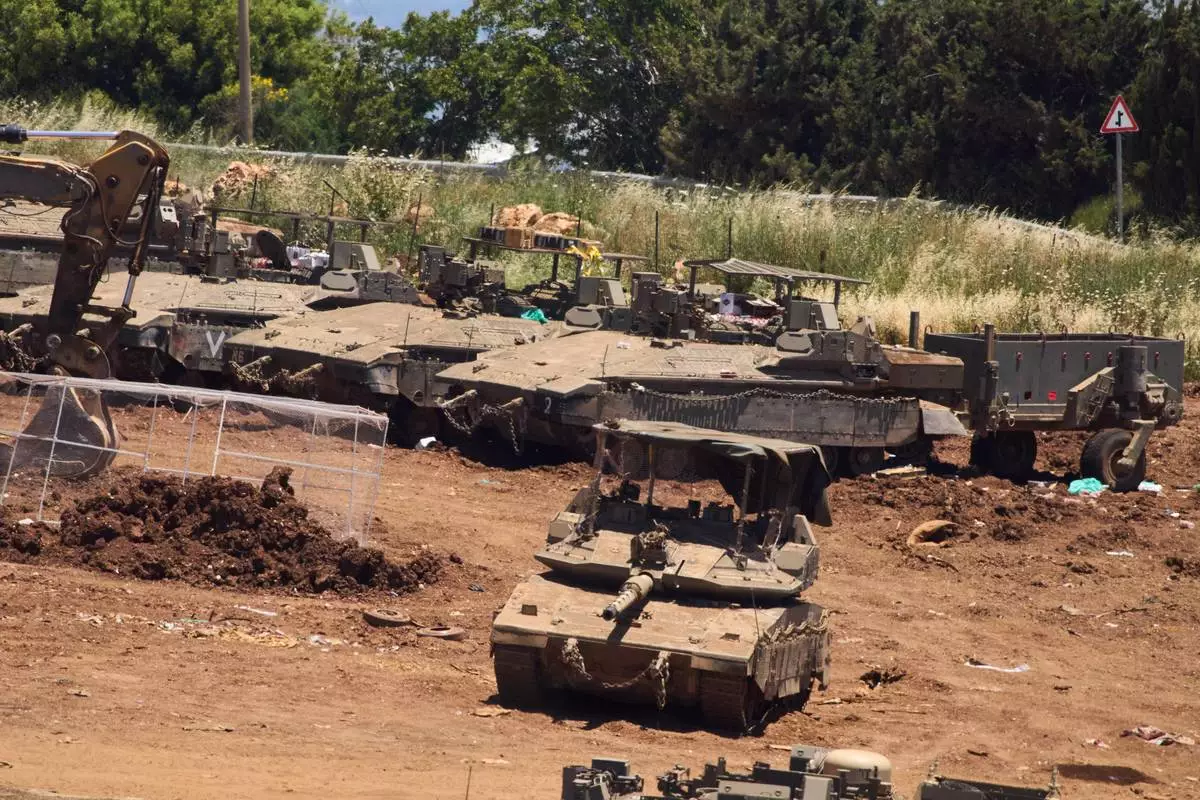
Paula Alonso, poses for a portrait after an interview with The Associated Press in Madrid, Spain, Thursday, May 21, 2026. (AP Photo/Bernat Armangue)
BEIRUT (AP) — Hezbollah on Thursday rejected the latest ceasefire agreement reached between Israel and the Lebanese government, and the militant group demanded a complete Israeli withdrawal from Lebanon as continued fighting there hampered moves to end the Iran war.

The Hezbollah announcement came as Israeli strikes killed at least four people, according to local authorities, and a U.N. peacekeeper was killed in the crossfire.

Hezbollah leader Naim Kassem, in a written statement read on TV, called the negotiations “absurd, humiliating, and insulting.” He said the agreement’s demand that Hezbollah fighters leave southern Lebanon under fire would mean “surrender, defeat and achieving the enemy’s goals.”

“What we are concerned about is an end to the aggression, ceasefire and Israel’s withdrawal,” he said, underscoring that Hezbollah had not made any commitment to stop fighting. “So long as our villages are not safe and are being bombed and destroyed and our people are killed," he said, northern Israel “will not be safe.”

The fighting in Lebanon, where Israeli forces have seized large swaths of the south, threatens efforts to end the Iran war and reopen the Strait of Hormuz, a key transit point for oil and gas. Its closure has jolted the world economy.

Iran has demanded that any lasting truce extend to Lebanon. Israeli Prime Minister Benjamin Netanyahu, who faces elections later this year, wants to press ahead with Israel’s offensive until Hezbollah no longer poses a threat.

U.S. President Donald Trump, who faced a rare rebuke from Congress on Wednesday, has sought to downplay the diplomatic deadlock and the failure of declared ceasefires to end the fighting. He told reporters that in the Middle East, "a ceasefire is when you’re shooting in a more moderate manner.”

A Serbian peacekeeper was killed and two others were wounded when a mortar struck their location near Marjayoun, a Christian-majority town that has seen intense fighting, according to the U.N. mission, known as UNIFIL, and Serbia's Defense Ministry.

Israel later blamed Hezbollah for the firing that killed the U.N. peacekeeper, without offering evidence. Hezbollah and the U.N. did not immediately comment on who launched the shells.

Lebanon’s state-run National News Agency said a drone strike killed a motorcyclist and wounded four people in the village of Maaroub. It said airstrikes on the village of Sohmor in the Bekaa Valley, in eastern Lebanon, killed three people and wounded others. It also reported airstrikes elsewhere in the south.

There was no immediate comment from the Israeli military, which has warned people not to go into parts of southern Lebanon where it says it is striking Hezbollah facilities.

Hezbollah resumed rocket fire days after Israel and the United States launched their surprise Feb. 28 attack on Iran, which backs Hezbollah. Before then, Israel had regularly carried out strikes in Lebanon against what it said were militant targets, often killing civilians, despite an earlier truce reached in 2024.

Lt. Gen. Eyal Zamir, the Israeli military’s chief of staff, acknowledged Thursday that the ongoing war was straining northern Israeli towns living under the threat of Hezbollah fire. He said Israel's operations in Iran and Lebanon had “created a new security reality,” by weaking Iran and Hezbollah “to an unprecedented degree.”

After Hezbollah's rocket and drone attacks resumed, Israeli troops seized around a fifth of Lebanon, pushing further into the country's south than at any time since the end of Israel’s 1982-2000 occupation.

In the southern city of Sidon, residents reacted to Wednesday's ceasefire announcement with skepticism, saying previous agreements had failed to stop the violence.

“Every few days a ceasefire is announced, but people keep getting killed,” said Mayada Hijazi.

“It’s all talk and no action,” said Salah Nassab. “We keep going back to our homes, and then we get displaced again, back and forth. We’re very tired."

More than 3,500 people have been killed in Lebanon, and over 1.2 million have been displaced. The fighting has killed 27 Israeli soldiers and three civilians.

The latest declared ceasefire came about through U.S.-brokered talks between Israel and Lebanon's government, which accuses Hezbollah of dragging the country into war and had made efforts to disarm it before the latest hostilities.

The ceasefire agreement calls for Lebanon's armed forces to take control of security zones in Lebanon from which the militants would be banned.

Lebanese President Joseph Aoun on Thursday called the new agreement "the last chance to enter a final and comprehensive ceasefire.” He said Lebanon was ready to implement Wednesday's deal once he receives responses from relevant factions in Lebanon, including Hezbollah. The United States — and Trump himself — would determine how and when the deal is implemented, Aoun told journalists on Thursday.

The agreement terms Hezbollah “an enemy" of Israel, the U.S. and Lebanon and calls for dismantling it. The government has promised to do so in the past but does not have the capabilities to disarm Hezbollah by force.

The latest agreement did not say when Israel would withdraw from southern Lebanon but said the U.S. would support the Lebanese army as it works to assert control in areas where Hezbollah has long wielded power.

A top Iranian general on Thursday reiterated Tehran's demand for a full ceasefire in Lebanon and called for Israel to pull troops back to where they were when the wider war began. At that time, Israel held five strategic points along the border.

“Supporting the resistance in Lebanon is the duty of all of us, and eliminating Israel from the region is an achievable goal for Muslims,” Esmail Qaani, the head of the paramilitary Revolutionary Guard’s elite Quds Force, was quoted as saying by the semiofficial Fars and Tasnim news agencies.

As diplomatic efforts have repeatedly faltered, Iran and the U.S. have traded fire in and around the Strait of Hormuz, which remains effectively closed. Before the war, around a fifth of the world's oil and gas, as well as large shipments of fertilizer and other goods, passed through the narrow waterway.

The U.S. has targeted what it says are Iranian threats to commercial shipping and its own forces, while Iran has launched missile and drone attacks on Gulf states hosting U.S. troops.

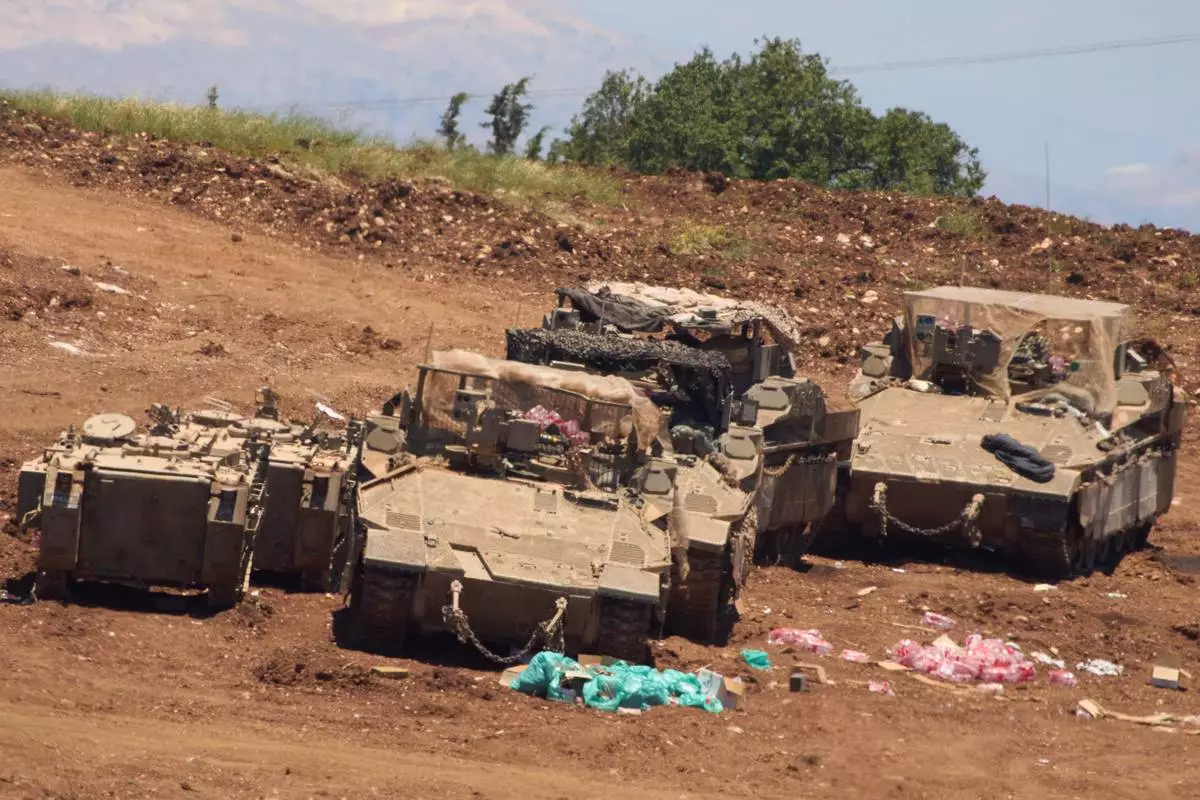
Israeli troops gather on the border with Lebanon in northern Israel, Thursday June 4, 2026. (AP Photo/Ariel Schalit)

Israeli troops gather on the border with Lebanon in northern Israel, Thursday June 4, 2026. (AP Photo/Ariel Schalit)

Israeli troops gather on the border with Lebanon in northern Israel, Thursday June 4, 2026. (AP Photo/Ariel Schalit)

Israeli troops gather on the border with Lebanon in northern Israel, Thursday June 4, 2026. (AP Photo/Ariel Schalit)

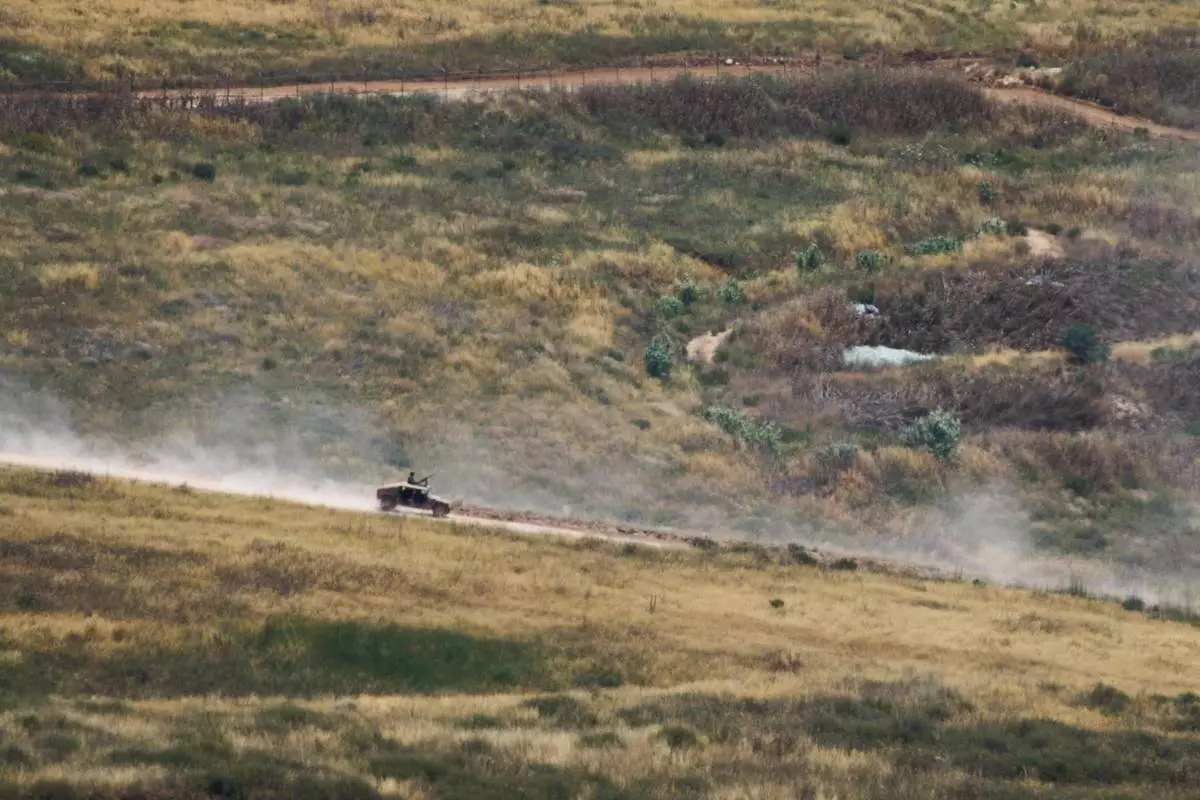
Israeli soldiers drive in southern Lebanon as seen from northern Israel, Thursday June 4, 2026. (AP Photo/Ariel Schalit)

Israeli soldiers drive in southern Lebanon as seen from northern Israel, Thursday June 4, 2026. (AP Photo/Ariel Schalit)

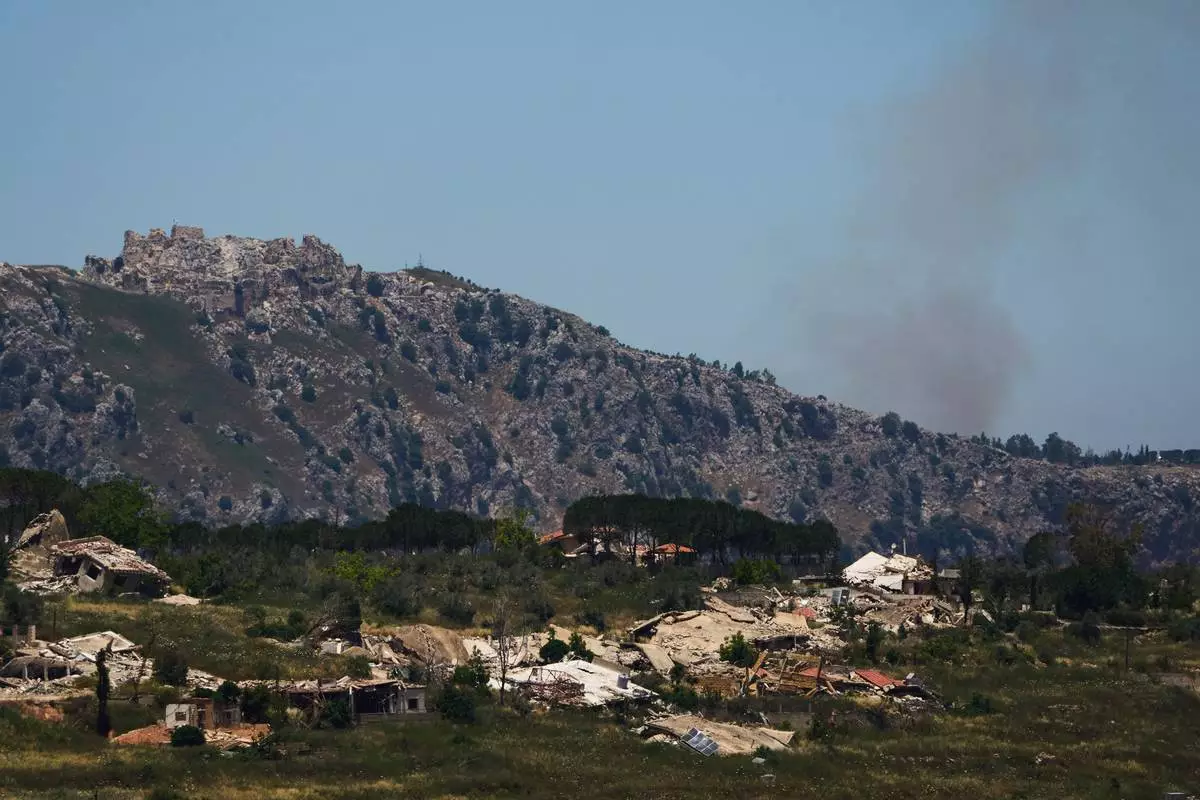
Smoke rises near the Beaufort Castle in southern Lebanon as seen from northern Israel, Thursday June 4, 2026. (AP Photo/Ariel Schalit)

Smoke rises near the Beaufort Castle in southern Lebanon as seen from northern Israel, Thursday June 4, 2026. (AP Photo/Ariel Schalit)

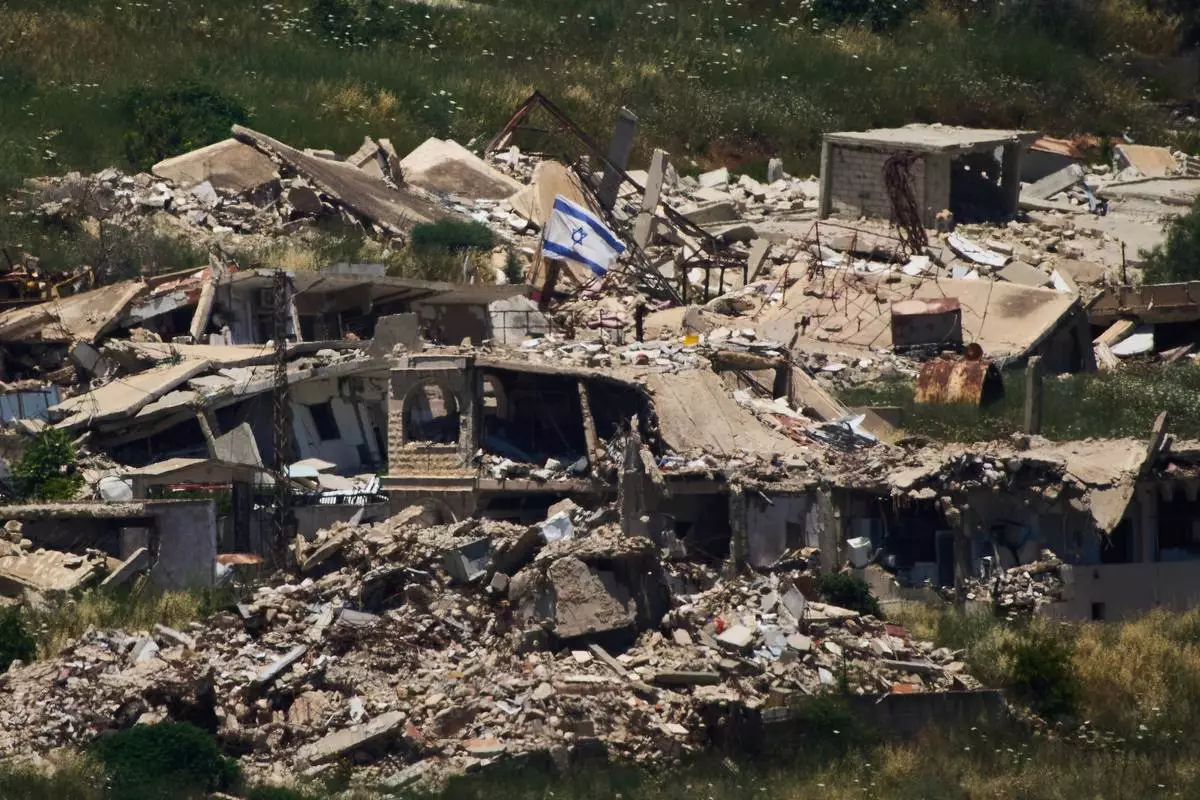
An Israeli flag hangs on a destroyed building in southern Lebanon as seen from northern Israel, Thursday June 4, 2026. (AP Photo/Ariel Schalit)

An Israeli flag hangs on a destroyed building in southern Lebanon as seen from northern Israel, Thursday June 4, 2026. (AP Photo/Ariel Schalit)

Recommended Articles