Skip to Content Facebook Feature Image

5 countries elected non-permanent members to UN Security Council

HotTV

HotTV

HotTV

5 countries elected non-permanent members to UN Security Council

2026-06-04 12:20 Last Updated At:15:27

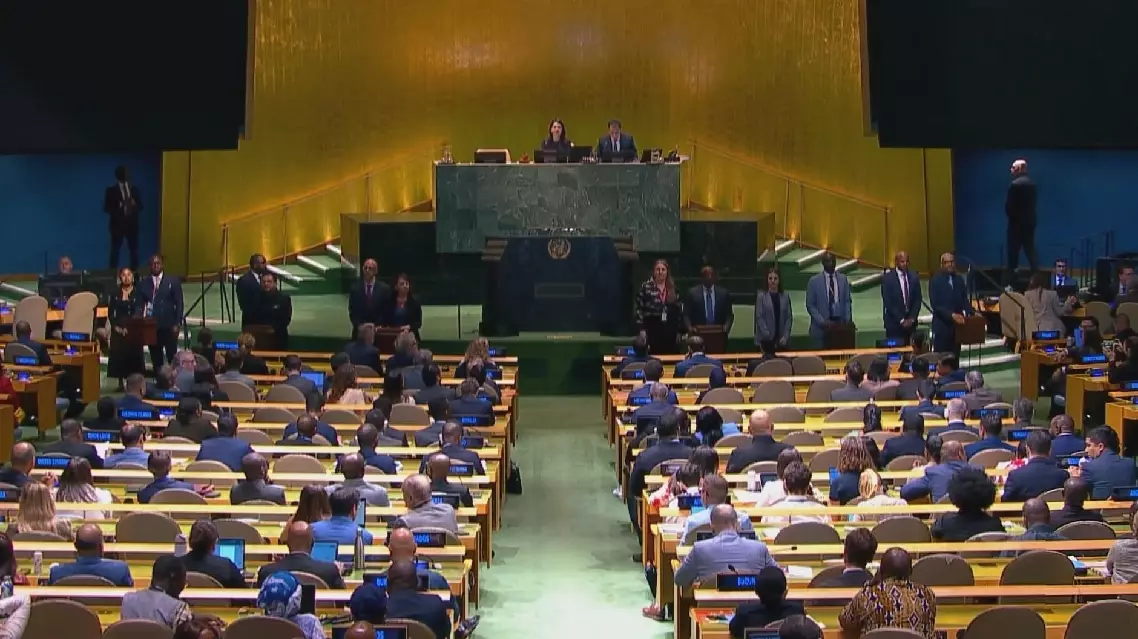
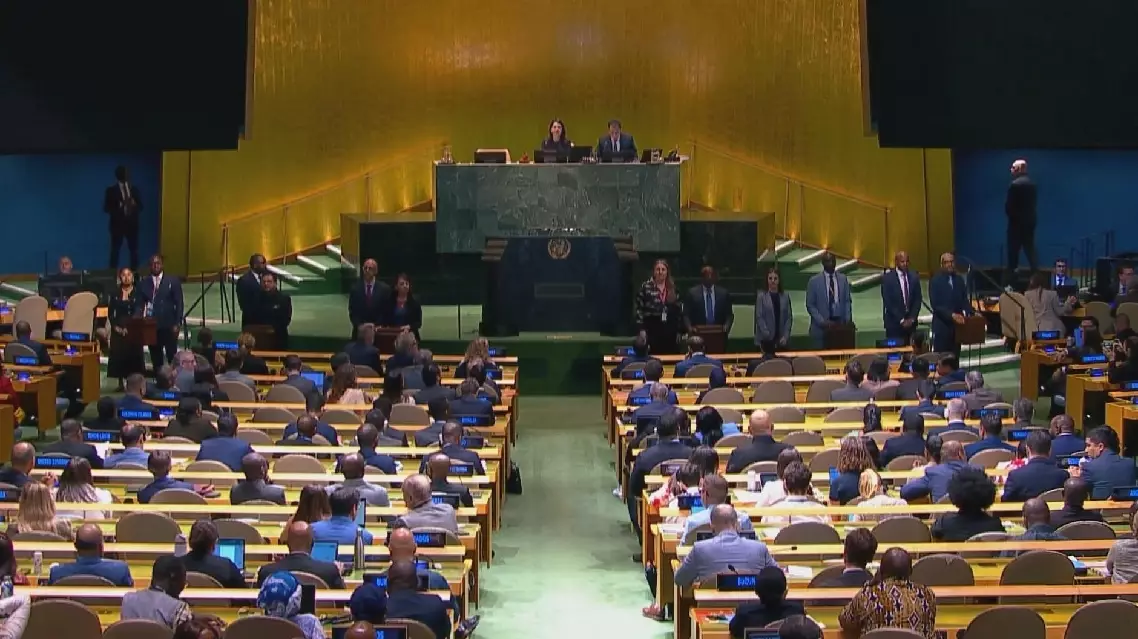
Austria, Kyrgyzstan, Portugal, Trinidad and Tobago, and Zimbabwe were elected non-permanent members of the United Nations Security Council on Wednesday for a two-year term.

The election marked the first time Kyrgyzstan will serve on the Security Council.

The newly elected members will replace the outgoing non-permanent members -- Denmark, Greece, Pakistan, Panama and Somalia -- and assume their seats on Jan. 1, 2027, and serve until Dec. 31, 2028.

A candidate must obtain the support of two-thirds of the UN member states present and voting at the General Assembly session in order to secure a non-permanent seat on the Security Council, regardless of whether the candidacy is contested or not. A minimum of 129 positive votes is required to win a seat if all 193 member states are present and voting. Member states that abstain are considered not voting.

There were seven candidates for the five seats available this year. Austria, Portugal, Trinidad and Tobago, and Zimbabwe were elected in the first round of voting.

Three more rounds of voting were held before Kyrgyzstan defeated the Philippines in a contested race.

The Security Council has 15 members, five of which are permanent: Britain, China, France, Russia and the United States. The 10 non-permanent seats of the council are allocated by geographic region, with five replaced each year.

The five newly elected countries represent the African, Asia-Pacific, Latin American and Caribbean, and Western European and Others groups. The Eastern European group is not contesting this year, as its seat, currently held by Latvia through 2027, comes up for election every other year.

The Security Council is considered the most powerful body of the United Nations. The council, tasked with maintaining international peace and security, can make legally binding decisions and has the power to impose sanctions and authorize the use of force.
Five countries elected non-permanent members to UN Security Council
Five countries elected non-permanent members to UN Security Council

5 countries elected non-permanent members to UN Security Council

5 countries elected non-permanent members to UN Security Council

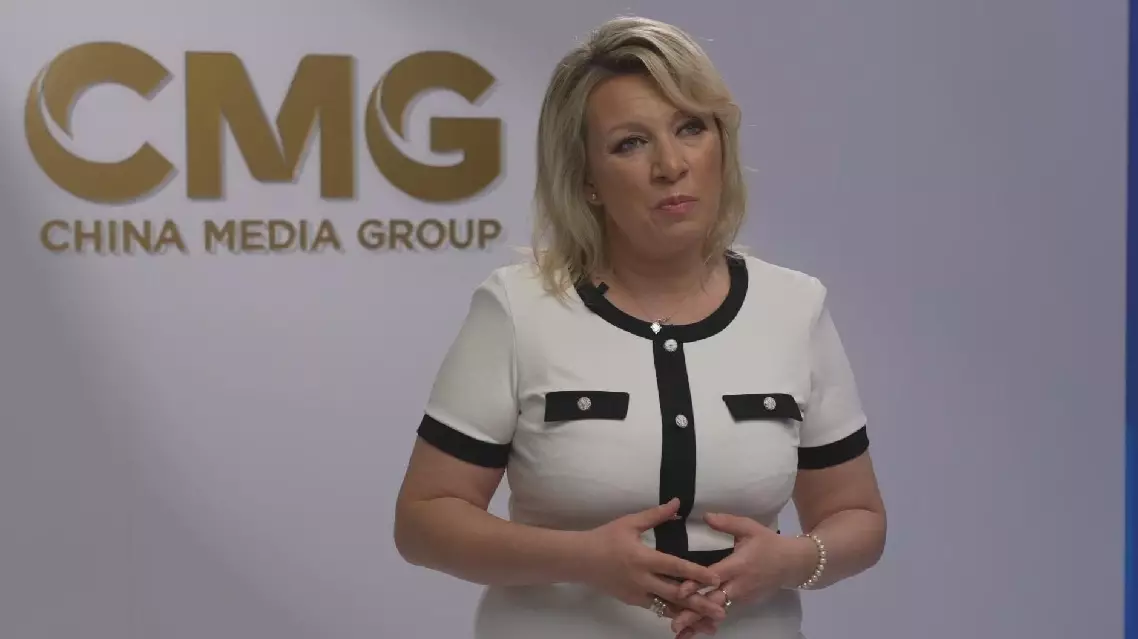
Russia and China's comprehensive strategic coordination has been and will continue to be crucial in maintaining global stability and improving global governance, said Russian Foreign Ministry spokeswoman Maria Zakharova at the ongoing 29th St. Petersburg International Economic Forum in Saint Petersburg, Russia.

Speaking at the China Media Group (CMG) studio on the sidelines of the forum, Makharova said that bilateral ties between Russia and China developed rapidly after the two countries signed the China-Russia Treaty of Good-Neighborliness and Friendly Cooperation 25 years ago.

"Several weeks ago, the Russian president visited the capital of China and held talks with President Xi. We can say that the Treaty [of Good-Neighborliness and Friendly Cooperation between Russia and China] truly works. Entering the 21st century, our relations began to develop on a large scale, intensively, and productively, precisely on the basis of the Treaty. The two countries coordinate their positions both on international platforms and on key strategic issues that matter to both countries and the entire world. China and Russia undoubtedly put the national interests first. But at the same time, both countries understand that all of humanity faces a range of challenges -- challenges that all countries are confronting. And these challenges must be addressed and answered collectively by all nations," she said.

At the invitation of Chinese President Xi Jinping, Russian President Vladimir Putin paid a state visit to China from May 19 to 20, during which the two leaders agreed to further extend the Treaty.

The 29th St. Petersburg International Economic Forum opened on Wednesday, bringing together about 20,000 representatives from political, business and academic circles from more than 100 countries and territories. The four-day event focuses on fostering new models of global development amid ongoing transformations in the world economy, according to organizers.

Russia-China strategic coordination vital for maintaining world stability: Russian spokeswoman

Russia-China strategic coordination vital for maintaining world stability: Russian spokeswoman

Recommended Articles