Skip to Content Facebook Feature Image

Women are the first caregivers in this Ebola outbreak and the most at risk

News

Women are the first caregivers in this Ebola outbreak and the most at risk
News

News

Women are the first caregivers in this Ebola outbreak and the most at risk

2026-06-04 13:15 Last Updated At:13:30

BUNIA, Congo (AP) — Every day for the past week, Aline Kasiwa has fed her sick mother, helped her drink and washed her clothes, all while fearing she could catch the Ebola virus as eastern Congo is plagued by one of the fastest-spreading outbreaks of the disease on record.

“She is the only family I have left. I cannot abandon her,” Kasiwa told The Associated Press, adding that she is too afraid to take her mother to the hospital where an infection could be confirmed. “These days we hear that many people are dying there, even nurses,” she said.

With no protective equipment beyond a cheap face mask, the 28-year-old in Bunia, a city at the heart of the outbreak, symbolizes the women in eastern Congo who are almost always the first caregiver, a role that health workers say is putting them at higher risk of contracting Ebola.

“It’s the woman who gives them a bath, it’s the woman who feeds them, and it’s the woman who’s there to wash the dirty clothes and everything else," said Dr. Furaha Elisabeth, director of the Karibuni Wa Maman gynecology and obstetrics clinic in Bunia.

Bundibugyo, the type of Ebola in this outbreak, has no approved treatment or vaccine. Even health workers have said they don’t have the masks, gloves and other gear to protect themselves.

That leaves some women with impossible choices, especially pregnant ones.

“When you see the way people die — even the nurses who treat us are dying — how can you not be afraid?” said Anny Ekyambo, a 32-year-old in Bunia who said she is too afraid to go to a clinic for checkups, even though she is five months pregnant.

The outbreak was identified weeks late because the rare Bundibugyo type was not tested for at first. Congolese authorities said Wednesday they have confirmed 344 cases, including 60 deaths, and more are suspected. Neighboring Uganda has reported 15 confirmed cases, including one death.

It is not clear how many women have been infected. But history shows that previous Ebola outbreaks have affected women more.

In the first recorded outbreak in the 1970s, women accounted for 56% of deaths, UN Women said. During the 2018-2020 outbreak in Congo, the deadliest in the country's history, women and girls made up about two-thirds of reported cases.

“We will certainly see the same pattern emerge in the current outbreak,” Sofia Calltorp, UN Women’s chief of humanitarian action, said in a statement. “Ebola transmission follows social realities. The virus spreads along the lines of care-giving, domestic labor, front-line health work and burial practices.”

Women in many eastern Congo communities are the ones preparing bodies for burial.

At the Karibuni wa Maman clinic, staff said they had received no personal protective equipment since the outbreak began, despite appeals to health authorities.

Patients showing symptoms are examined at the clinic before being referred to larger treatment centers, exposing doctors and nurses to potential infection with minimal safeguards.

Julienne Lusenge, president of Women’s Solidarity for Inclusive Peace and Development, the aid group running the clinic, said they have sought protective equipment from various partners, receiving only hand sanitizer and a few masks for nurses.

She said the equipment gap also endangers the women caring for sick relatives at home, with most of them unaware that Ebola may be the cause.

“During previous outbreaks, many women died because they were the ones nursing sick family members,” Lusenge said.

Despite new arrivals of aid and better-organized health facilities in recent days, Doctors Without Borders has said the virus continues to spread faster than the response.

“Nobody knows the true scale and severity of this outbreak," Dr. Alan Gonzalez, the medical charity's deputy director of operations, has said in a statement.

The outbreak is unfolding in unforgiving surroundings. Ituri province has poor road networks and underequipped health facilities more than 1,000 kilometers (620 miles) from Congo's capital, Kinshasa.

Attacks by the Allied Democratic Forces, a rebel group allied with the Islamic State group, and a coalition of ethnic militias also have hindered the response. Other cases have been reported in North Kivu and South Kivu provinces where the Rwanda-backed M23 rebel group controls key cities Goma and Bukavu.

Wariness of outsiders after decades of conflict in the remote region is another factor keeping people away from clinics and in women’s care.

Fears of contracting Ebola at a health center have become common.

Ekyambo, the pregnant woman in Bunia, said other women in the community share her fear of going to the clinic.

“I know that there are steps we must follow with the doctors to monitor the pregnancy and the baby, but we have no choice because this epidemic frightens us,” she said.

UN Women has said pregnant women could be more exposed by their frequent contact with health services.

Lusenga, however, warned that staying away from clinics could mean missing crucial prenatal and postnatal care consultations.

“We risk seeing a rise in prenatal and postnatal mortality, for both mothers and children,” she said.

Banchereau reported from Dakar, Senegal.

For more on Africa and development: https://apnews.com/hub/africa-pulse

The Associated Press receives financial support for global health and development coverage in Africa from the Gates Foundation. The AP is solely responsible for all content. Find AP’s standards for working with philanthropies, a list of supporters and funded coverage areas at AP.org.
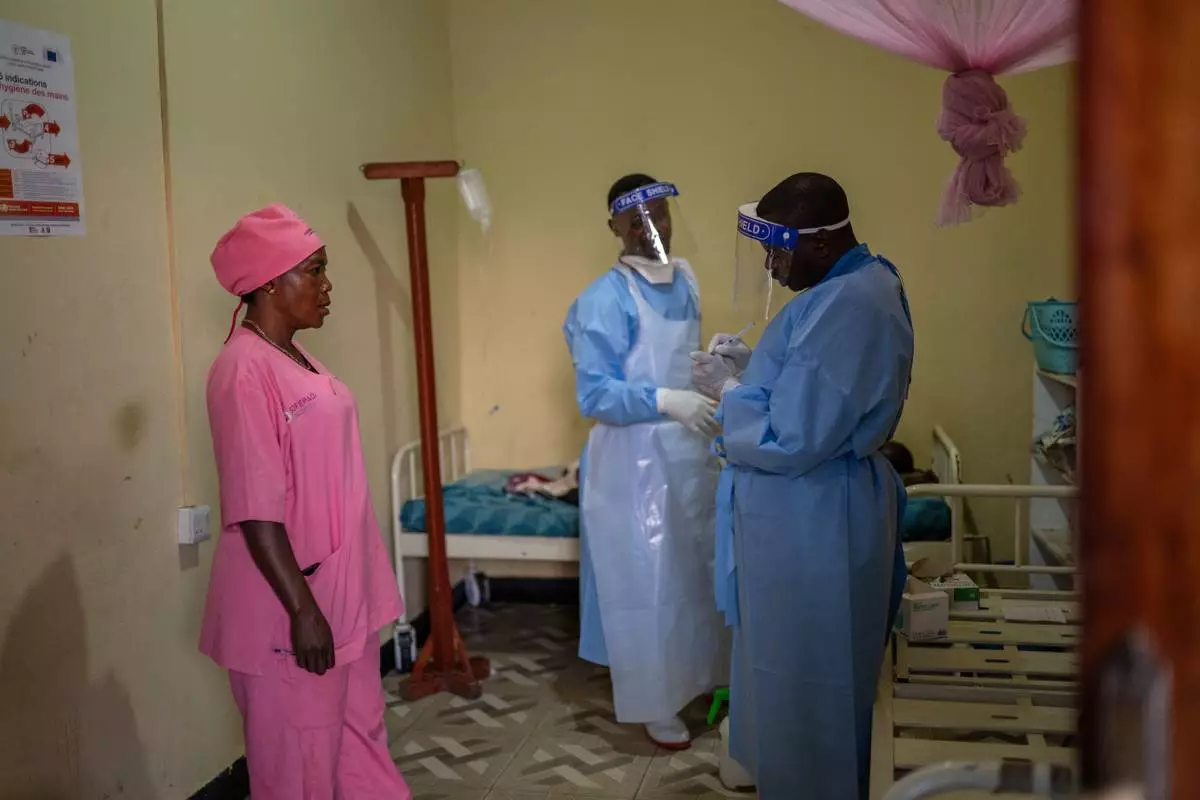
Manza Pantience, left, a midwife at Karibuni wa Mama, supervises health workers who collect patients' samples for Ebola testing at Sofepadi Hospital in Bunia, Congo, Friday, May 29, 2026. (AP Photo/Moses Sawasawa)
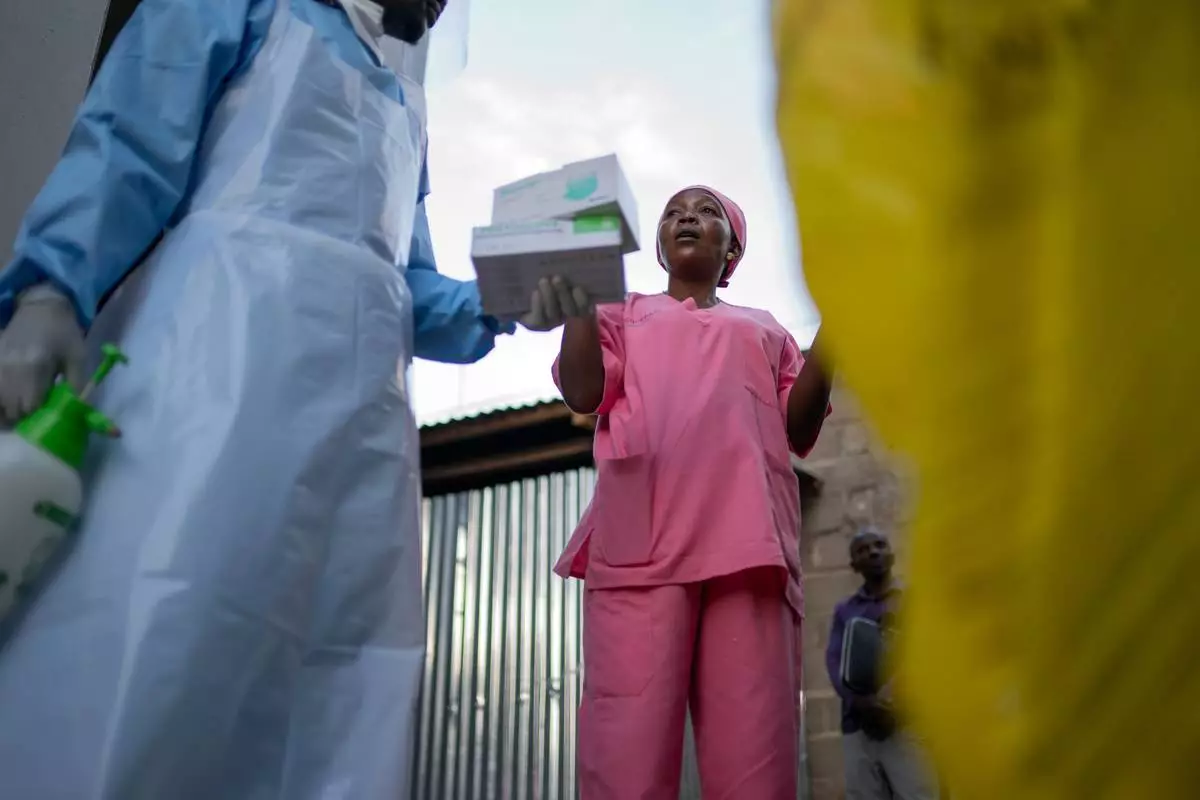
Manza Pantience, left, a midwife at Karibuni wa Mama, supervises health workers who collect patients' samples for Ebola testing at Sofepadi Hospital in Bunia, Congo, Friday, May 29, 2026. (AP Photo/Moses Sawasawa)
Manza Pantience, a midwife at Karibuni wa Mama, supervises health workers who collect patients' samples for Ebola testing at Sofepadi Hospital in Bunia, Congo, Friday, May 29, 2026. (AP Photo/Moses Sawasawa)

Manza Pantience, a midwife at Karibuni wa Mama, supervises health workers who collect patients' samples for Ebola testing at Sofepadi Hospital in Bunia, Congo, Friday, May 29, 2026. (AP Photo/Moses Sawasawa)

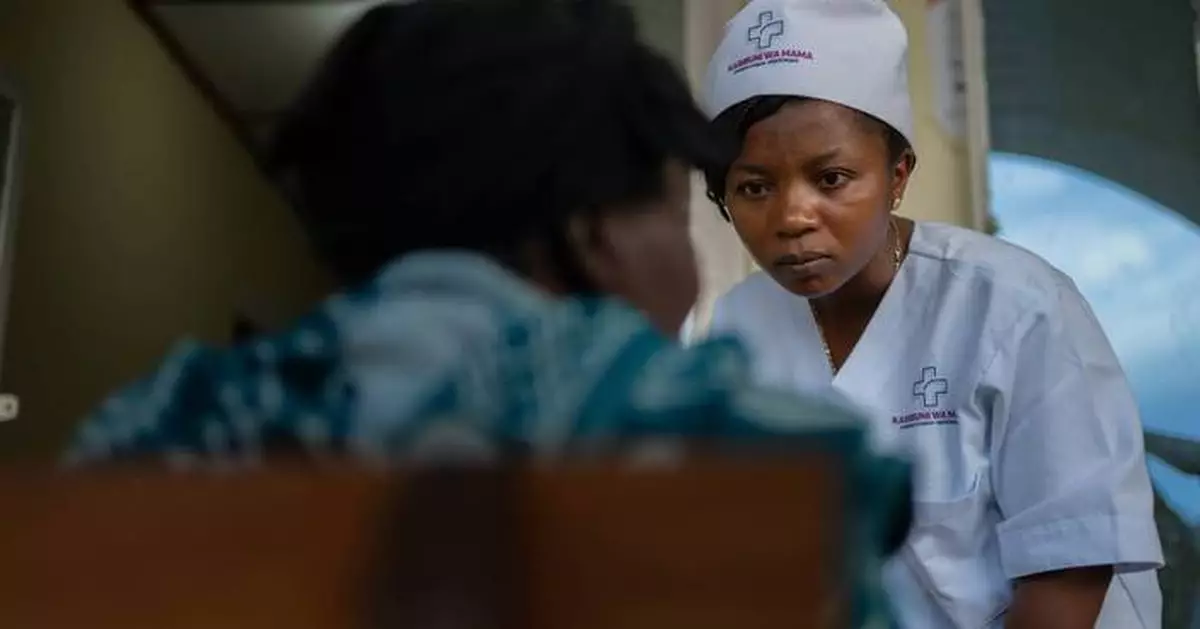
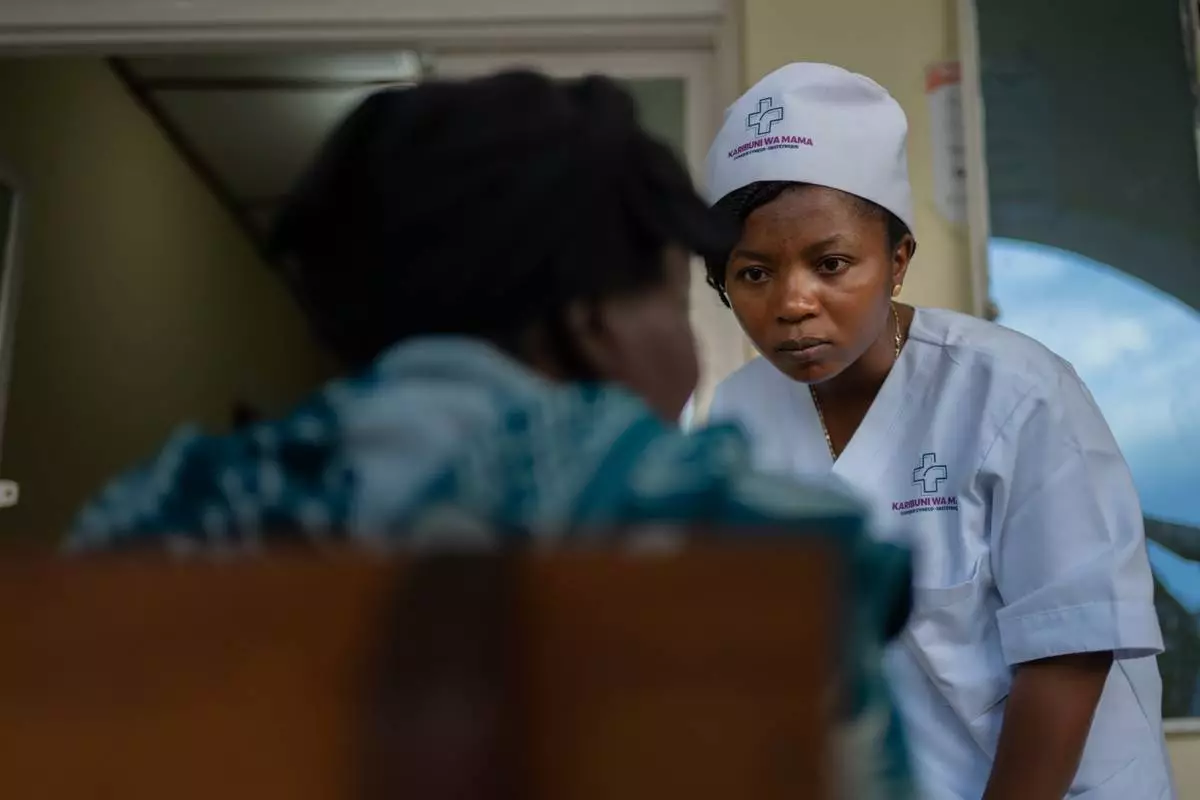
Dr Elizabeth Furaha, medical director of Karibuni wa Mama, speaks with a relative of a patient at Sofepadi Hospital in Bunia, Congo, Friday, May 29, 2026. (AP Photo/Moses Sawasawa)

Dr Elizabeth Furaha, medical director of Karibuni wa Mama, speaks with a relative of a patient at Sofepadi Hospital in Bunia, Congo, Friday, May 29, 2026. (AP Photo/Moses Sawasawa)
MOGADISHU, Somalia (AP) — Supporters of opposition political figures and state security forces fought in armed clashes Thursday that erupted in Somalia's capital Mogadishu on Wednesday evening ahead of a planned anti-government demonstration.

No official casualty figures were immediately available from the violence that prompted calls for restraint from the United Nations and the United States as the government and opposition traded blame for the violence.

Residents reported heavy gunfire and explosions as fighting broke out in several neighborhoods Wednesday.

“We heard heavy weapons fire, and people were fleeing their homes,” said Abdullahi Mohamed, who lives in the city's Howlwadaag district. “Many families left the area looking for safer places.”

Opposition figures say the rally planned for Thursday was intended to protest what they call constitutional violations and efforts by President Hassan Sheikh Mohamud to extend his tenure. The government has rejected those allegations.

Mogadishu police said the violence stemmed from “organized attacks” carried out by armed militias linked to groups pursuing political interests.

“The incidents were not the organization of peaceful public demonstrations, but rather coordinated armed acts that directly threatened the security, order and stability of the capital,” the police said in a statement.

State security forces repelled attacks on their positions and launched investigations to identify those responsible for organizing, financing and carrying out the violence, police said.

Opposition leaders accused security forces of attacking residences linked to former Prime Minister Hassan Ali Khaire and former President Sheikh Sharif Sheikh Ahmed.

“We are under attack,” Khaire said in a statement. “For the second time in less than 24 hours, Hassan Sheikh Mohamud has directed armed forces against our peaceful gatherings.”

Traditional elders, politicians, and community leaders were meeting at Khaire's residence when the attack occurred, he said.

The government disputed that account.

The U.N. expressed alarm over the clashes. Secretary-General António Guterres said the violence resulted in deaths, injuries to civilians, and damage to critical infrastructure.

“The Secretary-General strongly condemns all acts of violence and incitement to violence undertaken for political advantage,” he said in a statement. Guterres also called on all parties to exercise restraint, protect civilians and resolve political differences through dialogue.

The U.S. also voiced concern over the fighting. The U.S. Embassy in Mogadishu described the violence as “reckless” and urged Somali leaders to seek a peaceful resolution.

“Somali leaders on all sides have a responsibility to preserve stability and resolve differences through peaceful means,” the embassy said. “Actions taken in the coming hours and days may have lasting consequences for Somalia’s security, unity, and future.”

Khaire accused Mohamud of deploying state security forces against political opponents and alleged that troops trained and equipped by international partners to fight the al-Shabab extremist group had been used against opposition figures.

The clashes underscore growing political tensions as disputes over the country’s electoral and constitutional direction have increasingly strained relations between the government and opposition leaders. Somalia continues to fight al-Shabab while seeking to strengthen state institutions with support from international partners.

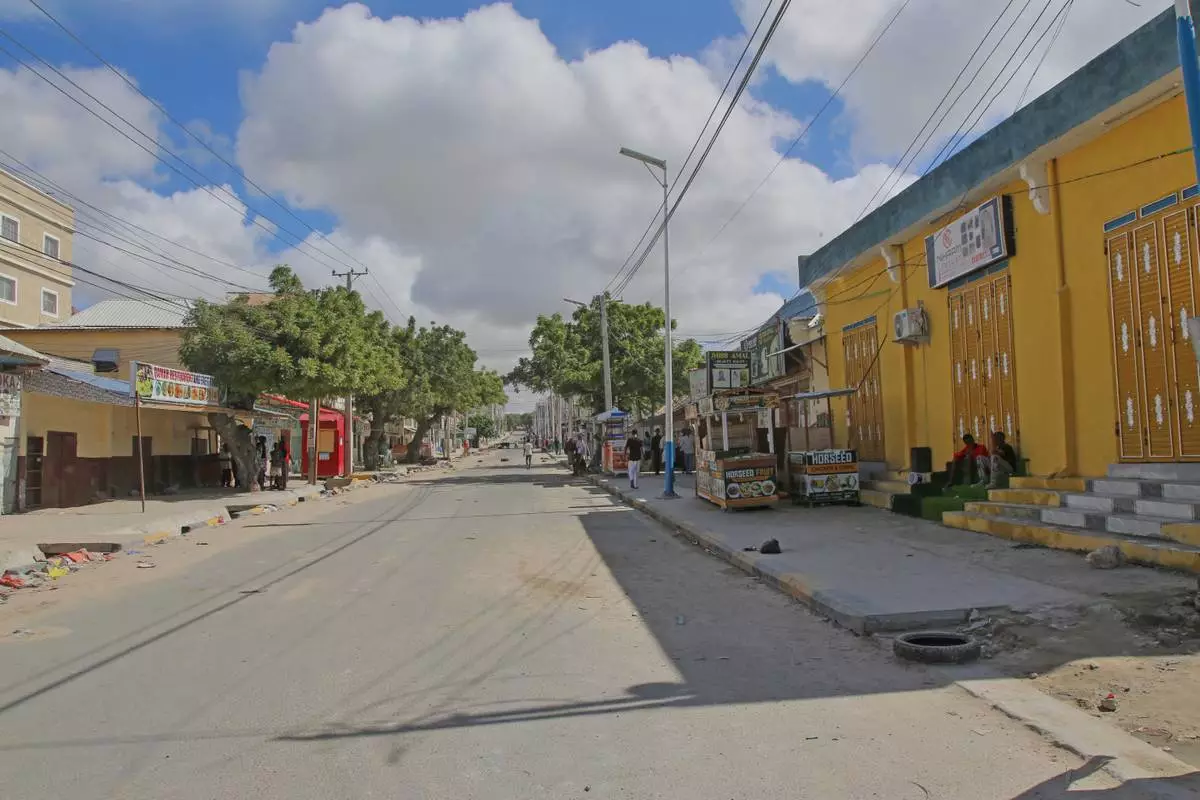
An empty street with closed shops is seen after supporters of opposition political figures and state security forces clashed in Mogadishu, Somalia, Thursday, June 4, 2026. (AP Photo/Farah Abdi Warsameh)

An empty street with closed shops is seen after supporters of opposition political figures and state security forces clashed in Mogadishu, Somalia, Thursday, June 4, 2026. (AP Photo/Farah Abdi Warsameh)

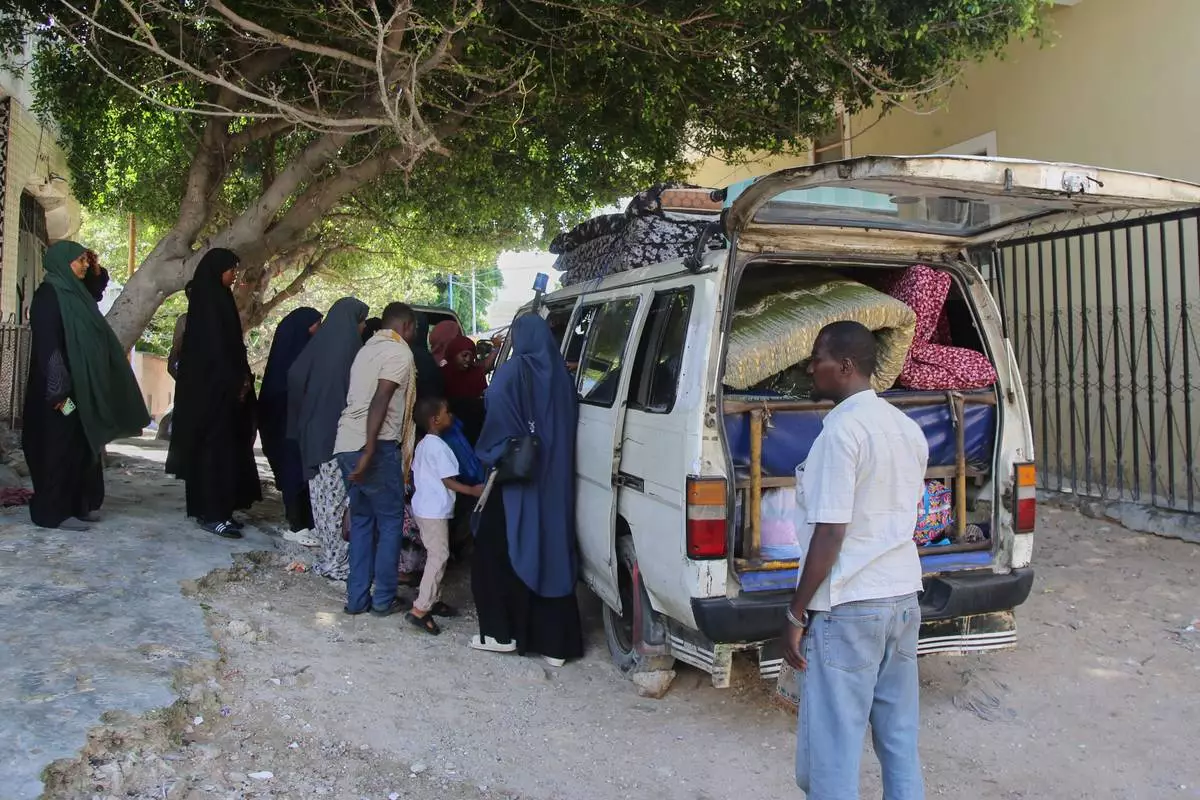
Residents board a vehicle after supporters of opposition political figures and state security forces clashed in Mogadishu, Somalia, Thursday, June 4, 2026. (AP Photo/Farah Abdi Warsameh)

Residents board a vehicle after supporters of opposition political figures and state security forces clashed in Mogadishu, Somalia, Thursday, June 4, 2026. (AP Photo/Farah Abdi Warsameh)

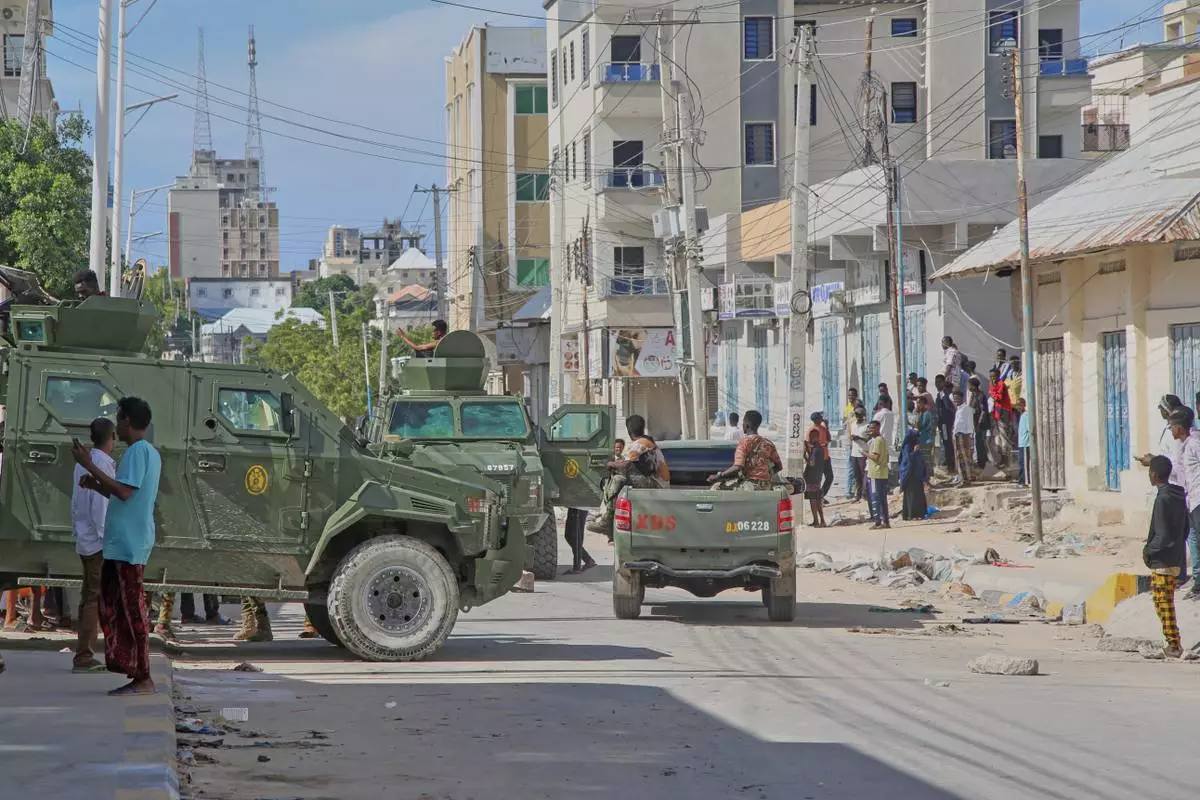
Armored vehicles carrying Somali security forces patrol a street after supporters of opposition political figures and state security forces clashed in Mogadishu, Somalia, Thursday, June 4, 2026. (AP Photo/Farah Abdi Warsameh)

Armored vehicles carrying Somali security forces patrol a street after supporters of opposition political figures and state security forces clashed in Mogadishu, Somalia, Thursday, June 4, 2026. (AP Photo/Farah Abdi Warsameh)

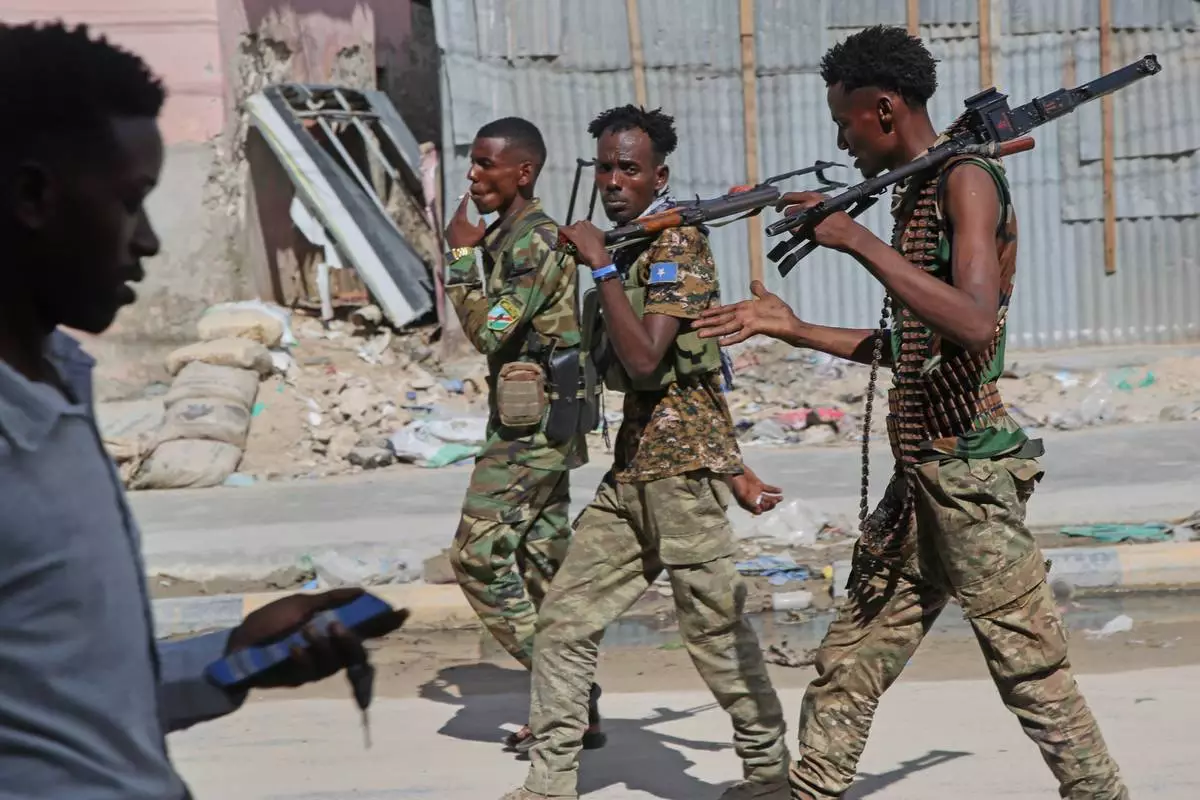
Somali soldiers patrol a street after supporters of opposition political figures and state security forces clashed in Mogadishu, Somalia, Thursday, June 4, 2026. (AP Photo/Farah Abdi Warsameh)

Somali soldiers patrol a street after supporters of opposition political figures and state security forces clashed in Mogadishu, Somalia, Thursday, June 4, 2026. (AP Photo/Farah Abdi Warsameh)

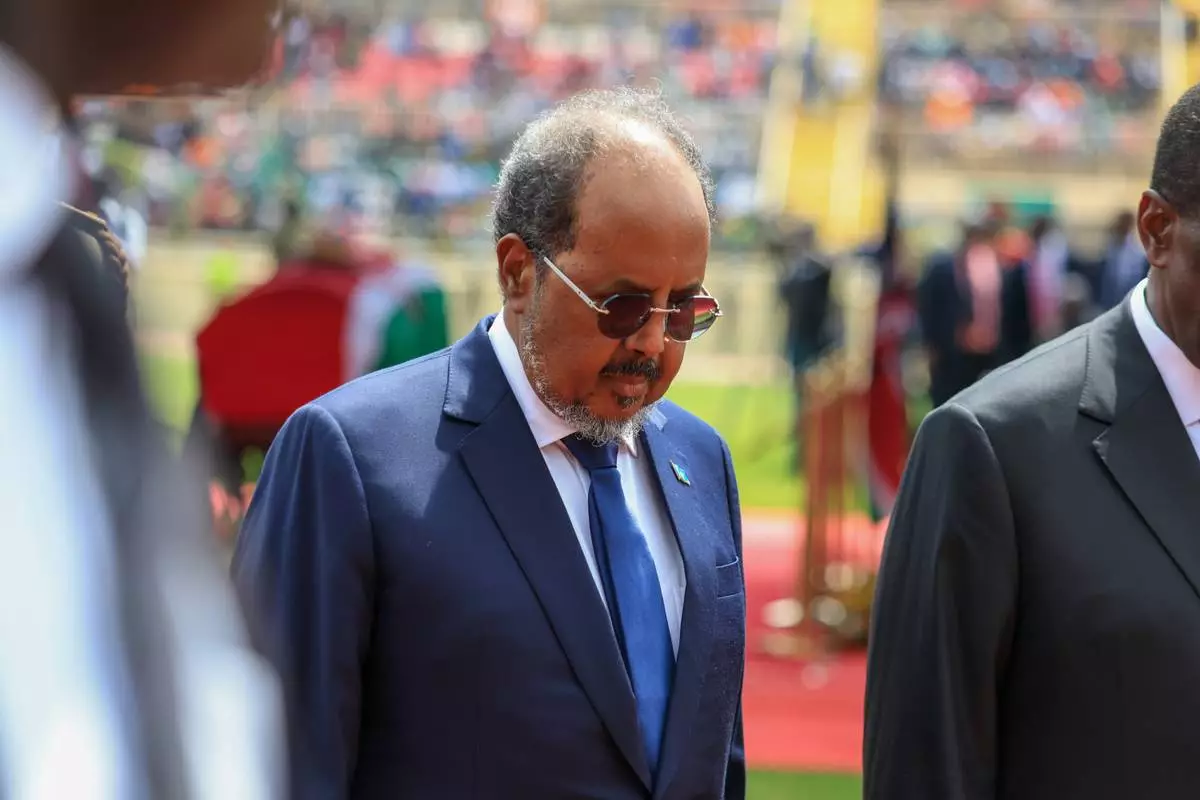
FILE -Somalia's President Hassan Sheikh Mohamud pays his respects at a state funeral for former Kenya Prime Minister Raila Odinga at Nyayo National Stadium in Nairobi, Kenya, Oct. 17, 2025. (AP Photo/Andrew Kasuku, File)

FILE -Somalia's President Hassan Sheikh Mohamud pays his respects at a state funeral for former Kenya Prime Minister Raila Odinga at Nyayo National Stadium in Nairobi, Kenya, Oct. 17, 2025. (AP Photo/Andrew Kasuku, File)

Recommended Articles