KATHMANDU, Nepal (AP) — A Sherpa guide was found crawling to base camp on Mount Everest a week after he went missing and was reunited with his family who had given up hope he would return.
Dawa Sherpa was last seen around May 29 descending the mountain, but he did not reach base camp even though his client did. The pair were among the last climbers on the mountain as the climbing season came to an end and the route was dismantled.
Click to Gallery
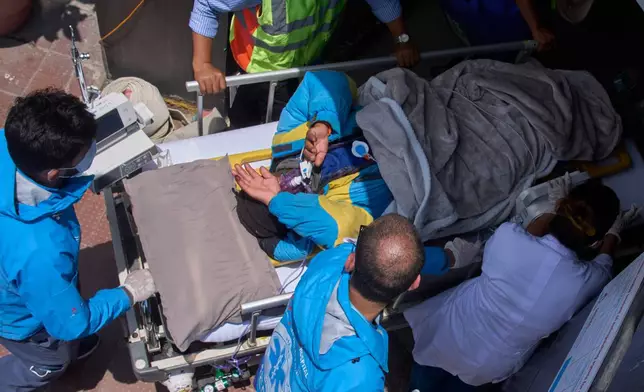
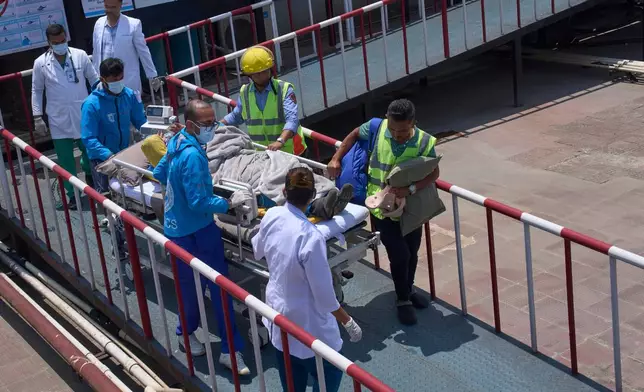
Medics take Dawa Sherpa, a mountain guide who had been missing for several days in the Everest region, for treatment after he arrived at HAMS Hospital in Kathmandu, Nepal, Thursday, June 4, 2026. (AP Photo/Niranjan Shrestha) CORRECTION: Corrects hospital name to HAMS not Grande
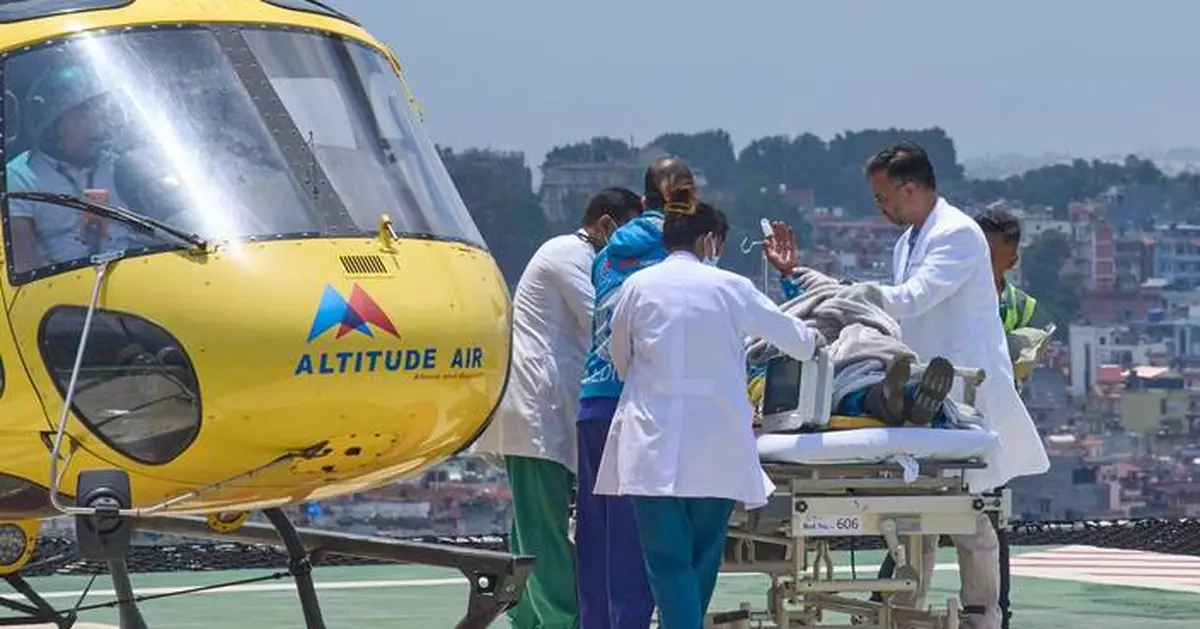
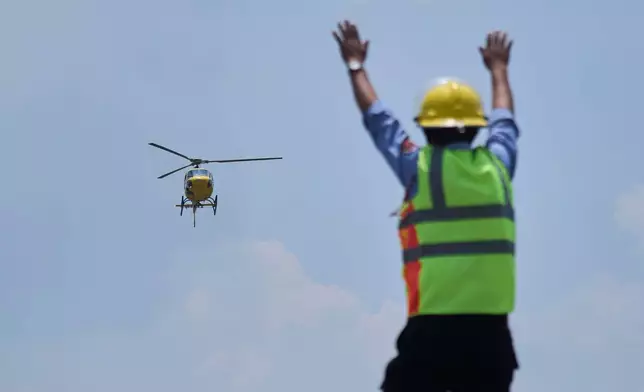
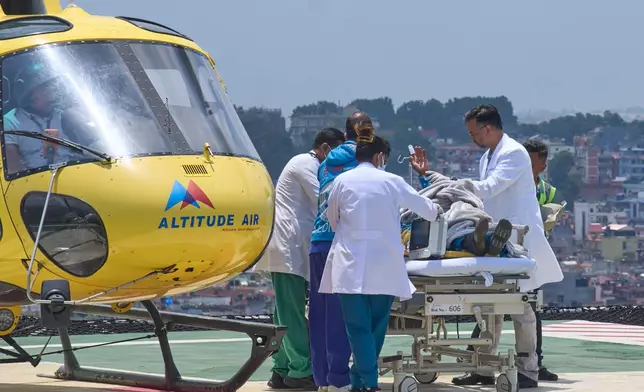
A helicopter carrying Dawa Sherpa, a mountain guide who had been missing for several days in the Everest region, arrives at HAMS Hospital in Kathmandu, Nepal, Thursday, June 4, 2026. (AP Photo/Niranjan Shrestha) CORRECTION: Corrects hospital name to HAMS not Grande
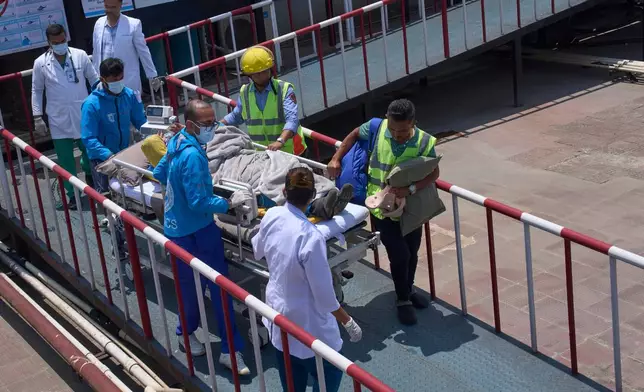
Medics take Dawa Sherpa, a mountain guide who had been missing for several days in the Everest region, for treatment after he arrived at HAMS Hospital in Kathmandu, Nepal, Thursday, June 4, 2026. (AP Photo/Niranjan Shrestha) CORRECTION: Corrects hospital name to HAMS not Grande
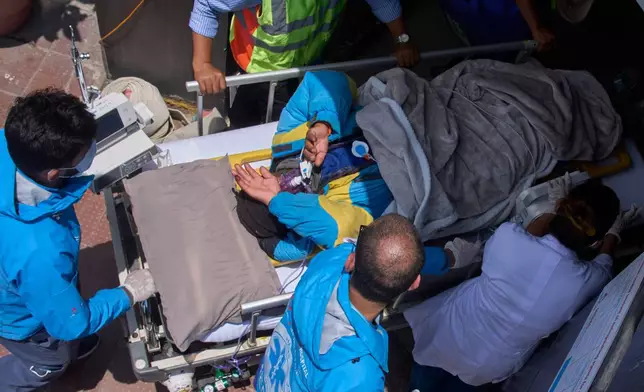
Medics take Dawa Sherpa, a mountain guide who had been missing for several days in the Everest region, for treatment after he arrived at HAMS Hospital in Kathmandu, Nepal, Thursday, June 4, 2026. (AP Photo/Niranjan Shrestha) CORRECTION: Corrects hospital name to HAMS not Grande
Medics take Dawa Sherpa, a mountain guide who had been missing for several days in the Everest region, for treatment after he arrived at Grande Hospital in Kathmandu, Nepal, Thursday, June 4, 2026. (AP Photo/Niranjan Shrestha)
A helicopter carrying Dawa Sherpa, a mountain guide who had been missing for several days in the Everest region, arrives at Grande Hospital in Kathmandu, Nepal, Thursday, June 4, 2026. (AP Photo/Niranjan Shrestha)
Medics take Dawa Sherpa, a mountain guide who had been missing for several days in the Everest region, for treatment after he arrived at Grande Hospital in Kathmandu, Nepal, Thursday, June 4, 2026. (AP Photo/Niranjan Shrestha)
Medics take Dawa Sherpa, a mountain guide who had been missing for several days in the Everest region, for treatment after he arrived at Grande Hospital in Kathmandu, Nepal, Thursday, June 4, 2026. (AP Photo/Niranjan Shrestha)
Dawa was located by a cleaning crew Thursday morning as he was crawling down the snowy slopes around the Khumbu Icefall, just above base camp, said Pemba Sherpa of 8K Expeditions, which coordinated the search.
He was quickly carried down to safety and given food and water. A rescue helicopter flew him to HAMS Hospital in Kathmandu, where his wife and daughter, who already had begun funeral rituals for him, were waiting.
"We first heard that he was still alive on the local news and from a person we know who called with the news that ... he is being brought down," said his wife, Damu Sherpa.
Though Dawa had been missing since last week, there was a delay in organizing a search team. No reasons were given for the delay, but when helicopters were finally sent to look for him, they could not find him.
His family had given up hope. Dawa’s teenage daughter, Mendo Lhamu Sherpa, said they were on the second day of a funeral ritual, which lasts for several days.
“When we first heard about it (the rescue), we could not be sure if that person was indeed our father,” Mendo Lhamu said. “So to be certain we asked for photos to be sent and then only we were sure and very happy.”
The team that spotted him was part of the Sagarmatha Pollution Control Committee, which lays the ladders and ropes on the route at the start of each climbing season and then removes the equipment and cleans up the site after climbers have left.
Dawa was last seen at spot called Yellow Band above the Camp 3, which is located at 7,200 meters (23,622 feet). The base camp is at 5,300 meters (17,388 feet).
Dawa, 52, works for a small Kathmandu-based company called Himalayan Traverse, and he was guiding a Polish climber. He comes from the town of Okhaldhunga, south of Everest.
Nepal's mountaineering community has hailed Dawa's survival as miraculous.
“This is nothing short of a miracle surviving so many days on the mountains facing such harsh condition,” said Ang Tshering Sherpa, a leading figure in the community.
“Sherpas are built tough growing up in the mountains,” Ang Tshering said. “If there was someone else in his place they might not have survived.”
Members of the Sherpa community were mostly yak herders and traders living deep within the Himalayas until Nepal opened its borders in the 1950s. Their stamina and familiarity with the mountains quickly made them sought-after guides and porters, eventually allowing them to dominate the Himalyan climbing business.
More than 1,000 climbers and their guides scaled Everest this May, which was the busiest climbing season ever on the world's highest mountain. It began late because of a massive ice block on the route just above the base camp that took about two weeks to clear.
The 8,849-meter (29,032-foot) high peak was first climbed on May 29, 1953, by New Zealander Edmund Hillary and Sherpa guide Tenzing Norgay.

Medics take Dawa Sherpa, a mountain guide who had been missing for several days in the Everest region, for treatment after he arrived at HAMS Hospital in Kathmandu, Nepal, Thursday, June 4, 2026. (AP Photo/Niranjan Shrestha) CORRECTION: Corrects hospital name to HAMS not Grande

A helicopter carrying Dawa Sherpa, a mountain guide who had been missing for several days in the Everest region, arrives at HAMS Hospital in Kathmandu, Nepal, Thursday, June 4, 2026. (AP Photo/Niranjan Shrestha) CORRECTION: Corrects hospital name to HAMS not Grande

Medics take Dawa Sherpa, a mountain guide who had been missing for several days in the Everest region, for treatment after he arrived at HAMS Hospital in Kathmandu, Nepal, Thursday, June 4, 2026. (AP Photo/Niranjan Shrestha) CORRECTION: Corrects hospital name to HAMS not Grande

Medics take Dawa Sherpa, a mountain guide who had been missing for several days in the Everest region, for treatment after he arrived at HAMS Hospital in Kathmandu, Nepal, Thursday, June 4, 2026. (AP Photo/Niranjan Shrestha) CORRECTION: Corrects hospital name to HAMS not Grande
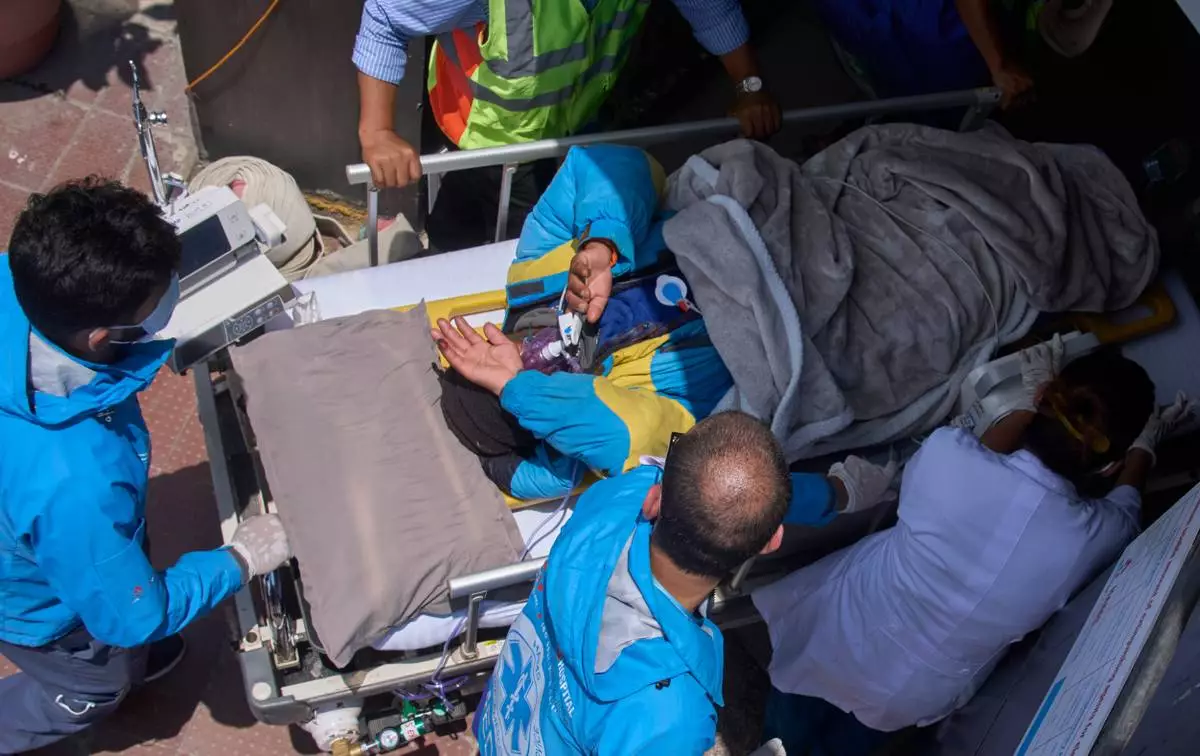
Medics take Dawa Sherpa, a mountain guide who had been missing for several days in the Everest region, for treatment after he arrived at Grande Hospital in Kathmandu, Nepal, Thursday, June 4, 2026. (AP Photo/Niranjan Shrestha)
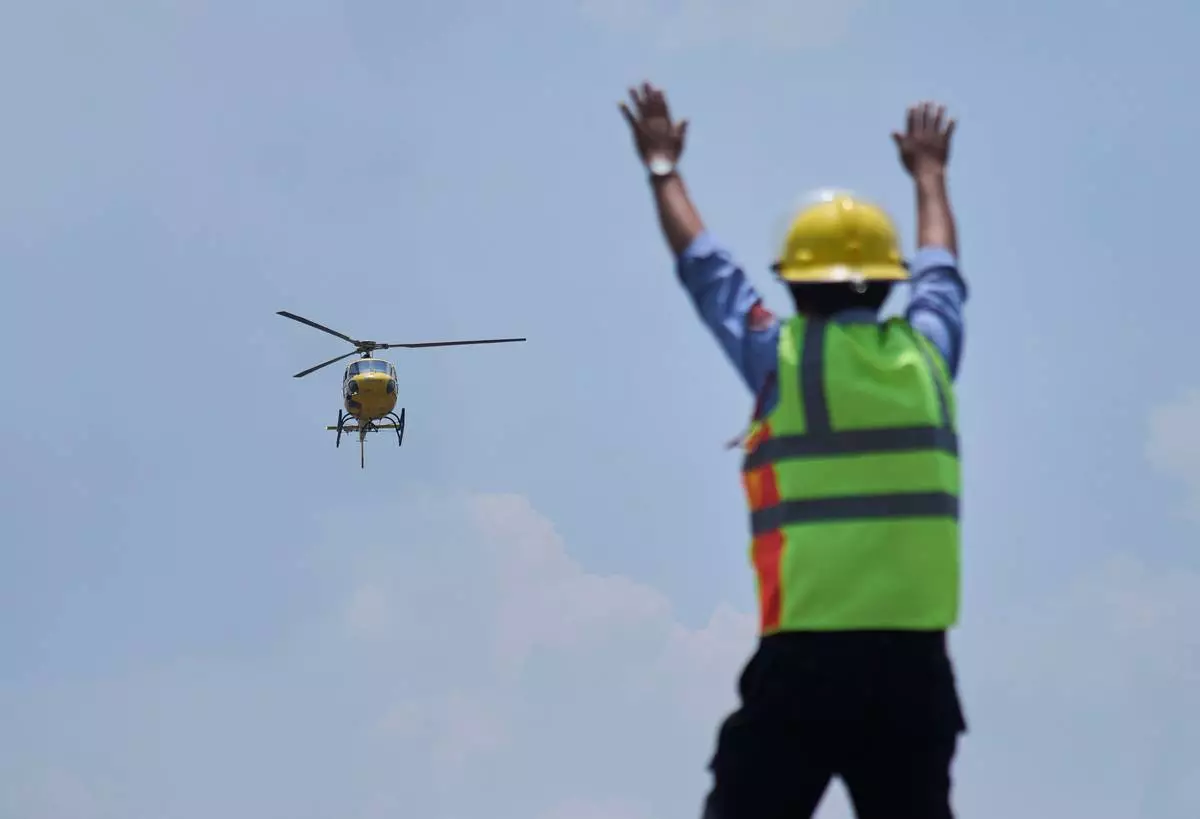
A helicopter carrying Dawa Sherpa, a mountain guide who had been missing for several days in the Everest region, arrives at Grande Hospital in Kathmandu, Nepal, Thursday, June 4, 2026. (AP Photo/Niranjan Shrestha)
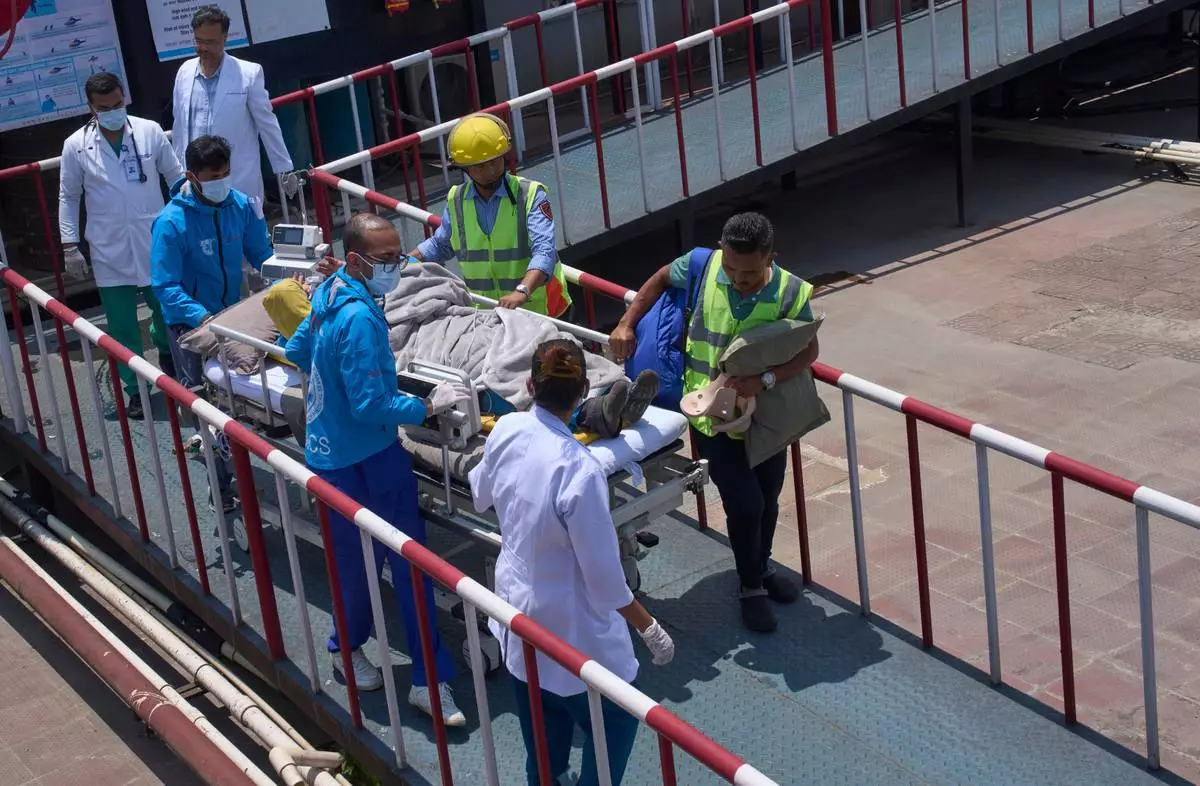
Medics take Dawa Sherpa, a mountain guide who had been missing for several days in the Everest region, for treatment after he arrived at Grande Hospital in Kathmandu, Nepal, Thursday, June 4, 2026. (AP Photo/Niranjan Shrestha)
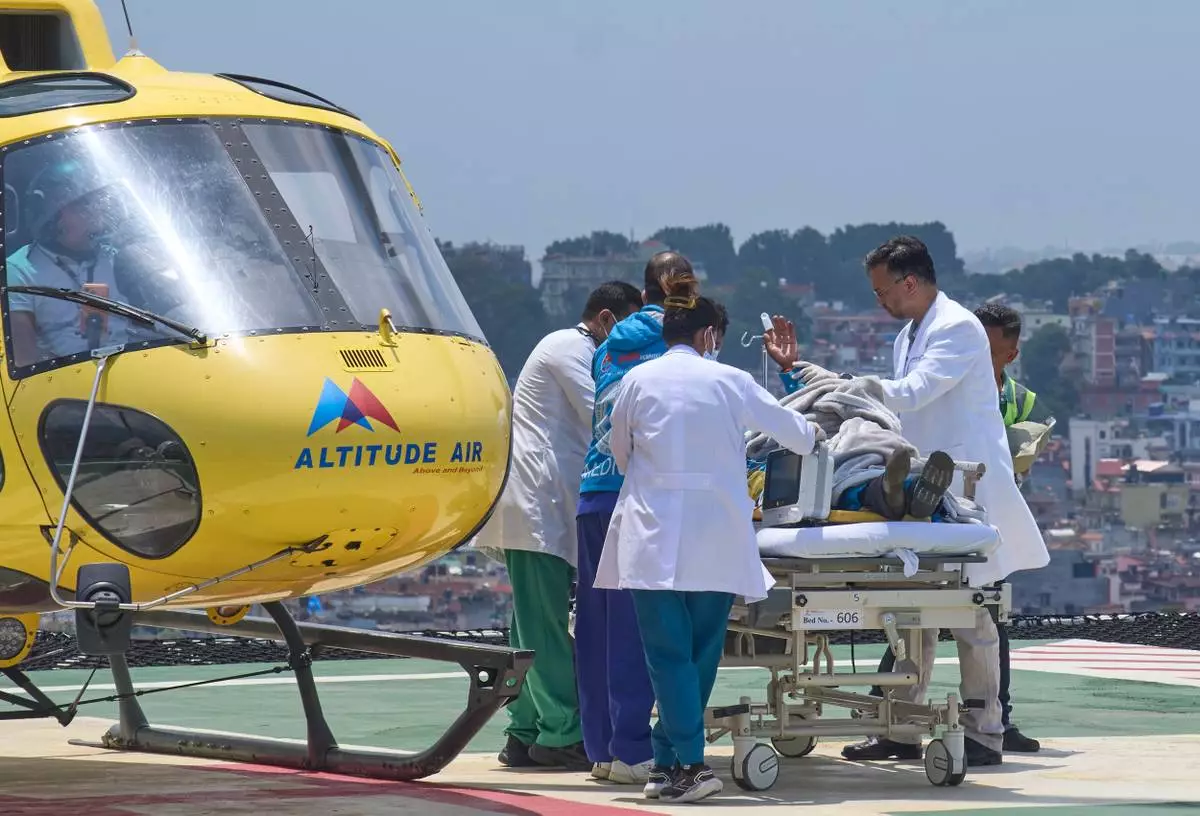
Medics take Dawa Sherpa, a mountain guide who had been missing for several days in the Everest region, for treatment after he arrived at Grande Hospital in Kathmandu, Nepal, Thursday, June 4, 2026. (AP Photo/Niranjan Shrestha)
MADRID (AP) — In the 1970s, in a devoutly Catholic Spain still ruled by dictator Francisco Franco, Paula Alonso-Pimentel was sent for catechism at age 8 to a religious school in the northern city of Valladolid.
There, she says, a Marist priest sexually abused her for a year in the school's vestibule, placing her on his knees and lifting her skirt as students passed in and out. More than 50 years later, she is seeking reparations.
Spain’s long-delayed reckoning with sexual abuse within the Catholic Church entered a new phase this year with the launch of a reparations program for cases like Alonso-Pimentel’s that involve accused clergy members who have died and whose alleged crimes are too old to be prosecuted.
The Spanish bishops conference and Spain's government approved the program months before Pope Leo XIV ’s planned visit starting Saturday to the once overwhelmingly Catholic nation of 50 million people. Notably, it gives the government the final word on payouts. Across the world, clergy sexual abuse and cover-up scandals have rocked Catholic dioceses, damaging the Church’s reputation and challenging the popularity of popes more than three decades after the crisis first erupted publicly in the West.
In Spain, some victims have been reassured; others remain skeptical, arguing that the window for reparations claims is too short and questioning whether it can succeed without enforceable, transparent payments.
The program gives victims a year to apply. So far, 420 people have done so. It follows years of controversy after newspaper El País revealed the scope of alleged abuse amid the church's silence, as well as criticism of the church’s own attempt to compensate victims.
Alonso-Pimentel shares some skepticism, but hopes the abuse she has spent decades trying to overcome will finally be addressed.
“It must cost them, the Church,” she said. “It must cost them because this cannot come for free. They cannot continue doing this without paying a huge price.”
The Associated Press does not identify people who say they have been sexually assaulted unless they come forward publicly, as Alonso-Pimentel has done.
For years, she buried the memories. With time, she spoke about the abuse to friends, partners, psychologists and eventually to others who also said clergy had abused them.
After Pope Francis convened a global summit in 2019 on clerical abuse, Alonso-Pimentel wrote to the Marist order in Valladolid, seeking details about the priest she says abused her. All she received was his name. Following a brief period of communication, she felt mistrustful and cut off contact.
When the Spanish church launched its own extrajudicial program for abuse victims in prescribed cases, she did not apply, deterred by the institution's attitude. Alonso-Pimentel hopes the new church-state model will be more equitable.
“I’m going to submit my report no matter what,” she said, “but I also want to see how they work.”
The new system calls for Spain's ombudsman to review each case through an independent team of experts and propose compensation, whether symbolic, psychological or economic, that the church will then assess.
If no agreement is reached, the case will go to a joint committee with representatives from the church, the ombudsman’s office and victims groups. If that committee can’t agree, the ombudsman has the final word.
With El País' creation in 2018 of a database of clergy sexual abuse cases, Spain began confronting a legacy of abuse by priests and cover-up by generations of bishops and religious superiors. It did so later than other Western countries, including the United States, Ireland and Australia.
As the database grew, so did public outrage, with Spain's ombudsman tasked by Parliament to investigate how widespread the issue was. In 2023, the ombudsman delivered a damning 800-page report estimating there were hundreds of thousands of possible victims of church sexual abuse in Spain over decades — based on a survey of 8,000 people. The report also examined 487 known cases.
Spain’s bishops rejected the estimate, saying its own investigation had uncovered 728 sexual abusers within the church since 1945. Most of the crimes occurred before 1990, the bishops' conference said, and 60% of the alleged perpetrators were now dead.
In 2024, the bishops unilaterally created a system to assist victims on a case-by-case basis. It came months after the Spanish government announced its intention to force the church to compensate victims, accusing the church of minimizing the problem. It said the church's in-house system was ineffective in part because it lacked outside oversight.
For that reason, many victims, including Alonso-Pimentel, said they didn't want to directly approach the church.
You can’t be a judge and a jury in your own case, Alonso-Pimentel said. “It’s as simple as that.”
Earlier this year, the bishops conference said it had paid around 2 million euros ($2.3 million) to victims, but understood some victims' discomfort. It acknowledged the utility of the new state-church model.
“It’s opening a new door for the process that the church has already been developing for the past two years," said Josetxo Vera, the conference's communications director.
The Vatican has grown more explicit about compensating sexual abuse victims. In Leo's first encyclical, he wrote that listening to victims of sexual abuse included “acknowledging the harm done” and “just reparation.”
Even so, Spain's bishops have long denied that clerical abuse is systemic, pointing out that more sexual crimes take place outside the church.
“We believe that, indeed, human nature is flawed, that it has a propensity for evil, and that it needs a great deal of reconciliation and forgiveness. But I can’t say that it’s a systemic issue,” said Vera. “We are part of this society. We share some of its virtues, and we also share some of its vices and crimes.”
Other victims and advocates worry that Spain's new plan still won’t be strong enough. A key concern: there is no scale for reparations based on the severity of the abuse, with the church and government agreeing to evaluate cases on an individual basis. Also, it isn't legally binding.
“I see this protocol actually as being quite fragile," said Anne Barrett Doyle, co-director of Bishop Accountability, a Boston-based nonprofit that researches child abuse by priests and the management of those cases by bishops, religious orders and the Vatican. "It has a very short time frame. It has no matrix to establish minimum awards for various categories of injuries. So will it be fair? Will it be consistent?”
Ahead of Leo's visit, Spanish activist Miguel Hurtado has cited his own abuse case to highlight its potential weaknesses.
More than two decades ago, Hurtado says that a monk named Andreu Soler sexually molested him when he was a 16-year-old Boy Scout in a group led by Soler at the Montserrat Abbey, an 11th-century Benedictine monastery in the mountains outside Barcelona.
Initially, the monastery persuaded his parents not to report the alleged abuse to authorities, Hurtado said. He tried moving on with his life. But as Hurtado observed the reckoning around clerical abuse taking place years later, he went public with his accusations, including to El País.
The Montserrat Abbey, through an independent report in 2019, acknowledged multiple cases of sexual abuse committed by Soler over decades. But Hurtado said it did not assume any responsibility to formally compensate victims “because everything is time-barred, both criminally and civilly."
Questioned by the AP, the monastery declined to comment on Hurtado's case or whether it will cooperate with other cases that could emerge through the new reparations system.
Hurtado said he is disappointed that Leo will visit the monastery despite the abuse allegations, which he has detailed to the Vatican and other church authorities.
He fears the new system could leave many victims in the dark.
“The problem is that it’s built on sand,” Hurtado said.
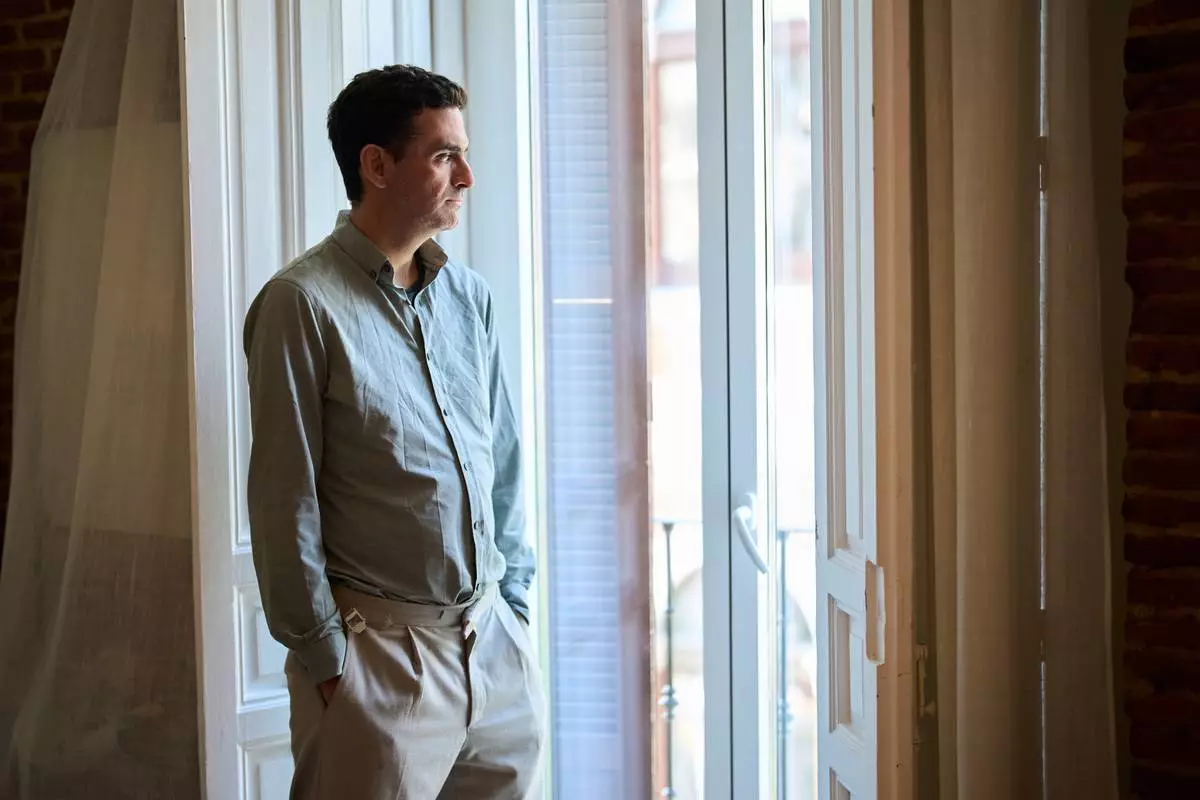
Miguel Hurtado, poses for a portrait after an interview with The Associated Press in Madrid, Spain, Thursday, May 21, 2026. (AP Photo/Bernat Armangue)
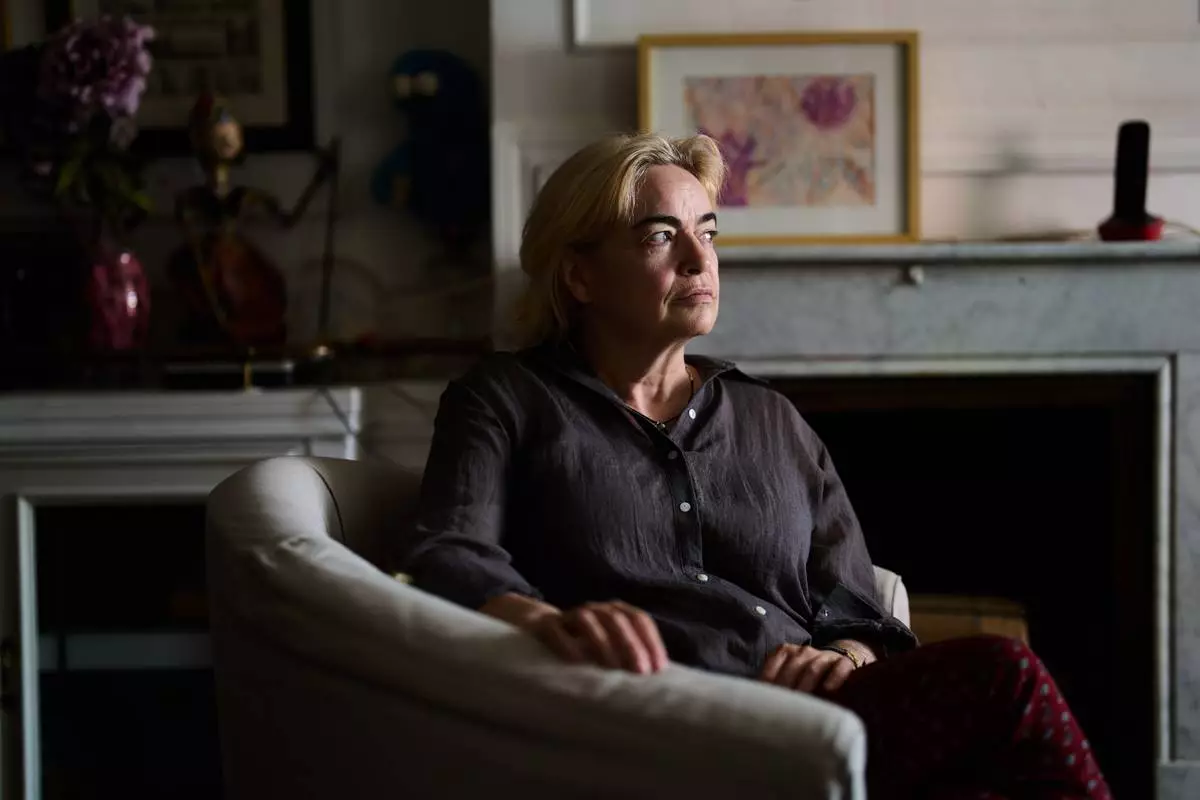
Paula Alonso, poses for a portrait after an interview with The Associated Press in Madrid, Spain, Thursday, May 21, 2026. (AP Photo/Bernat Armangue)
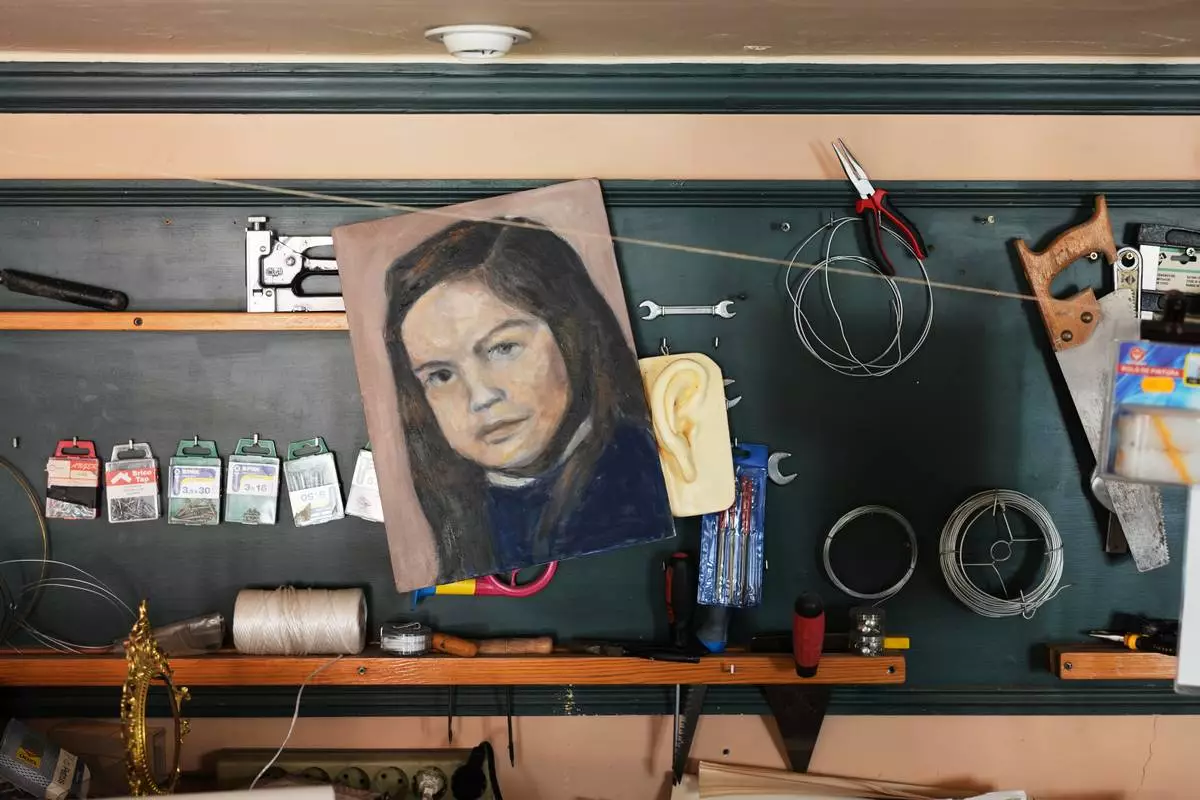
A childhood self-portrait by Paula Alonso hangs in the studio of her apartment in Madrid, Spain, Thursday, May 21, 2026. (AP Photo/Bernat Armangue)
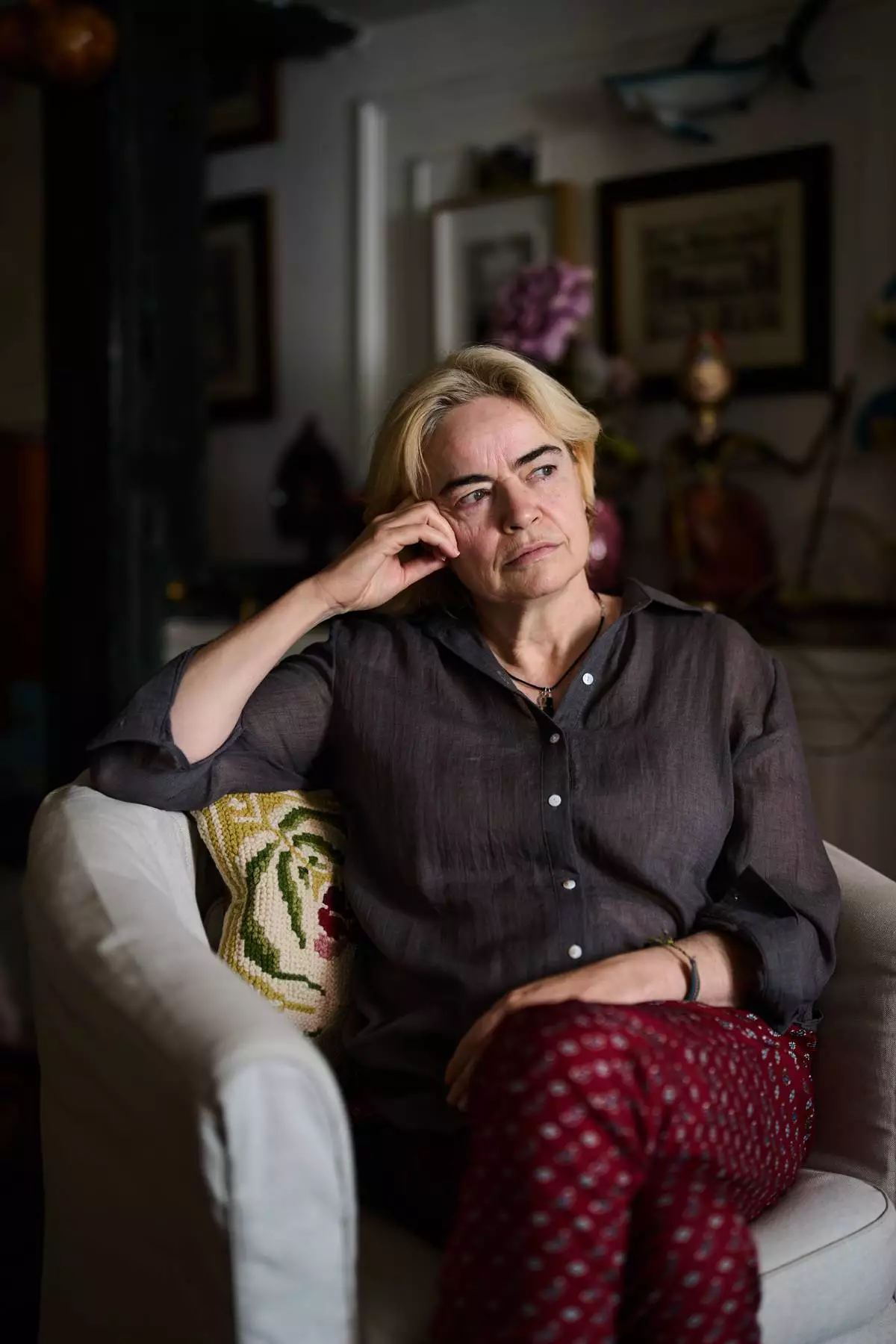
Paula Alonso, poses for a portrait after an interview with The Associated Press in Madrid, Spain, Thursday, May 21, 2026. (AP Photo/Bernat Armangue)