BASEL, Switzerland & ITHACA, N.Y.--(BUSINESS WIRE)--Jun 4, 2026--
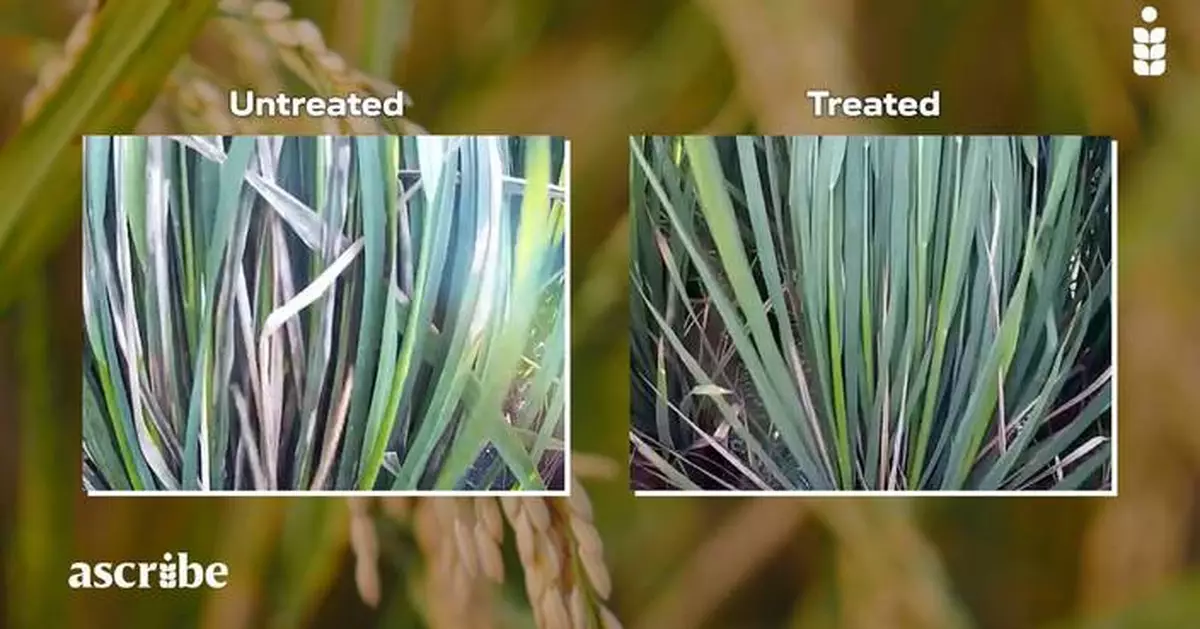
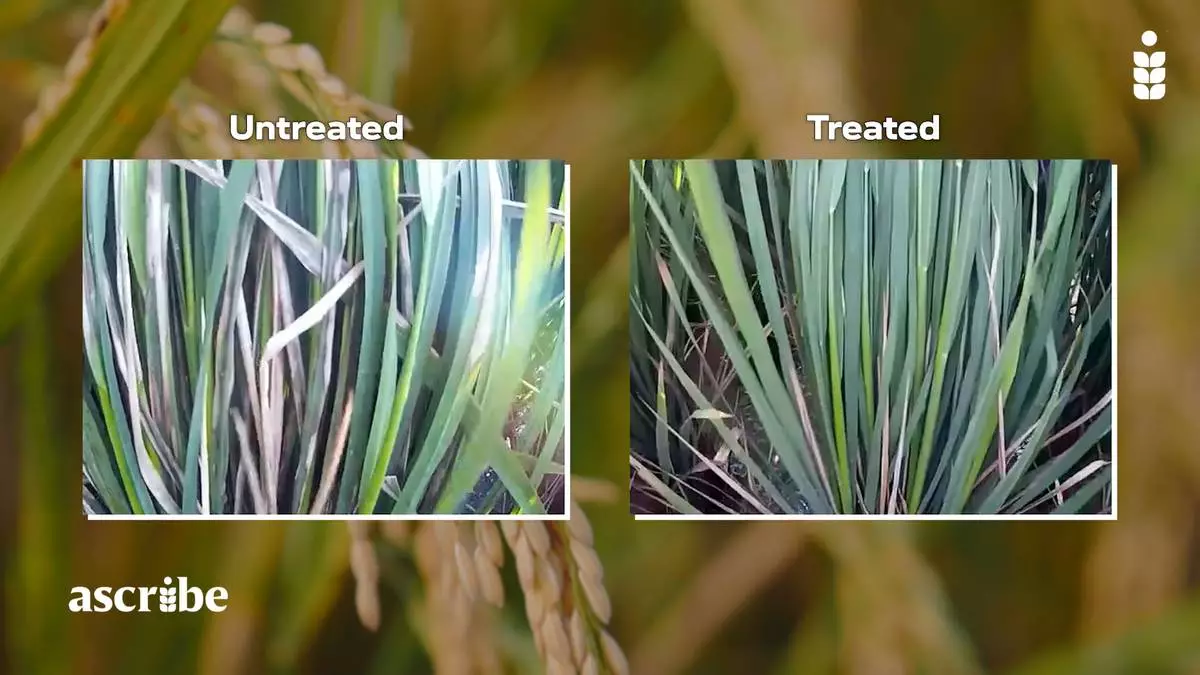
Today, Syngenta, a global leader in agricultural innovation, and Ascribe Bioscience announced the signing of a landmark development and supply agreement for PHYTALIX®, a new biofungicide that has been proven to significantly enhance crop resistance against fungal, bacterial, and viral diseases.
This press release features multimedia. View the full release here: https://www.businesswire.com/news/home/20260603799343/en/
Under the terms of the agreement, Syngenta will have exclusive commercial access to PHYTALIX® for use in rice and other major crops in Southeast Asia with potential expansion in other regions.
This commercial partnership follows four years of validation by Syngenta through extensive trials, where PHYTALIX® delivered strong results thus making the product a valuable tool in integrated pest management (IPM) practices, as for instance against Bacterial Leaf Blight, while supporting consistent and significant yield gains in rice.
PHYTALIX®, based on discoveries made in the Boyce Thompson Institute at Cornell University, mimics plants’ natural processes and enables growers to empower crops like rice, soybeans, corn, and wheat with enhanced resistance to a wide range of pathogens throughout the growing season.
This commercial agreement will bring rice farmers in the region a new sustainable option that bridges the gap between conventional solutions and biocontrols. Rice is a daily staple for nearly half of the world’s population, and demand is rising in the face of climate stress, emerging diseases, and resistances that challenge farmers’ ability to maintain yields.
PHYTALIX® offers high stability, low application rates, and a novel mode of action that controls a broad spectrum of pathogens making it suitable for adoption on farms of all sizes to control complex diseases like Bacterial Leaf Blight in rice.
“The collaboration with Ascribe reflects our commitment to bringing farmers differentiated solutions that help them implement more efficient farming strategies and more modern farming approaches by combined use of conventional and biological products,” said Emilhano Lima, Syngenta’s Global Head Seedcare and Biologicals. "Partnering with other innovators in the industry is crucial to accelerate the delivery of biological solutions to the farmers who need them most," concluded Syngenta’s Lima.
Dr. Jay Farmer, cofounder and CEO of Ascribe, added: "By partnering with Syngenta in Asia, we’re able to bring this innovation out of the lab and into the hands of farmers who need new, sustainable options to manage crop diseases. Syngenta’s partnership represents strong validation of the global potential for PHYTALIX®."
The companies will advance registration activities and market development across the covered Asian markets with the first commercial launches in Asia planned for 2029.
Web Resources
Pictures
About Syngenta
Syngenta is a global leader in agricultural innovation with a presence in more than 90 countries. Syngenta is focused on developing technologies and farming practices that empower farmers, so they can make the transformation required to feed the world’s population while preserving our planet. Its bold scientific discoveries deliver better benefits for farmers and society on a bigger scale than ever before. Guided by its Sustainability Goal, Syngenta is developing new technologies and solutions that support farmers to grow healthier plants in healthier soil with a higher yield. Syngenta Crop Protection is headquartered in Basel, Switzerland; Syngenta Seeds is headquartered in the United States.
Read our stories and follow us on social media.
About Ascribe Bioscience
Ascribe Bioscience is an Ithaca, NY-based agricultural technology company developing natural crop protection solutions. Founded in 2017 based on research from the Boyce Thompson Institute at Cornell University, Ascribe’s flagship biofungicide, Phytalix®, harnesses small molecules from the soil microbiome to create effective, environmentally friendly disease control solutions that help farmers grow more resilient crops and harvest higher yields.
Data protection is important to us. You are receiving this publication on the legal basis of Article 6 para 1 lit. f GDPR (“legitimate interest”). However, if you do not wish to receive further information about Syngenta, just send us a brief informal message and we will no longer process your details for this purpose. You can also find further details in our privacy statement.
Syngenta’s Cautionary Statement Regarding Forward-Looking Statements
This document may contain forward-looking statements, which can be identified by terminology such as “expect,” “would,” “will,” “potential,” “plans,” “prospects,” “estimated,” “aiming,” “on track” and similar expressions. Such statements may be subject to risks and uncertainties that could cause the actual results to differ materially from these statements. For Syngenta, such risks and uncertainties include, amongst others, risks relating to legal proceedings, regulatory approvals, new product development, increasing competition, customer credit risk, general economic and market conditions, refinancing risk, interest rate fluctuations and access to capital markets, compliance and remediation, evolving environmental and sustainability regulations, changes in agricultural policies or subsidy regimes, intellectual property rights, implementation of organizational changes, impairment of intangible assets, consumer perceptions of genetically modified crops and organisms or crop protection chemicals, climatic variations, fluctuations in exchange rates and/or grain prices, supply chain disruptions, (geo)political risks, trade restrictions, sanctions, and export controls, natural disasters, and breaches of data security or other disruptions of information technology. Syngenta assumes no obligation to update forward-looking statements to reflect actual results, changed assumptions or other factors.
©2026 Syngenta. Rosentalstrasse 67, 4058 Basel, Switzerland.
Syngenta and Ascribe Bioscience partner to bring new biofungicide to Asian farmers