13 persons arrested during anti-illegal worker operations
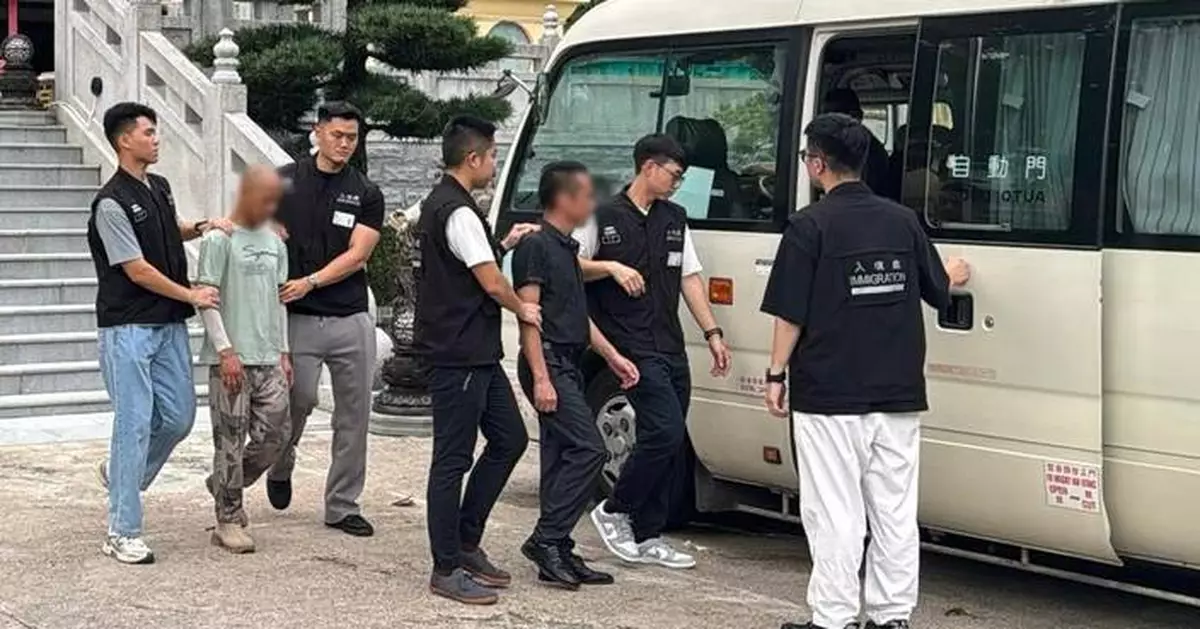
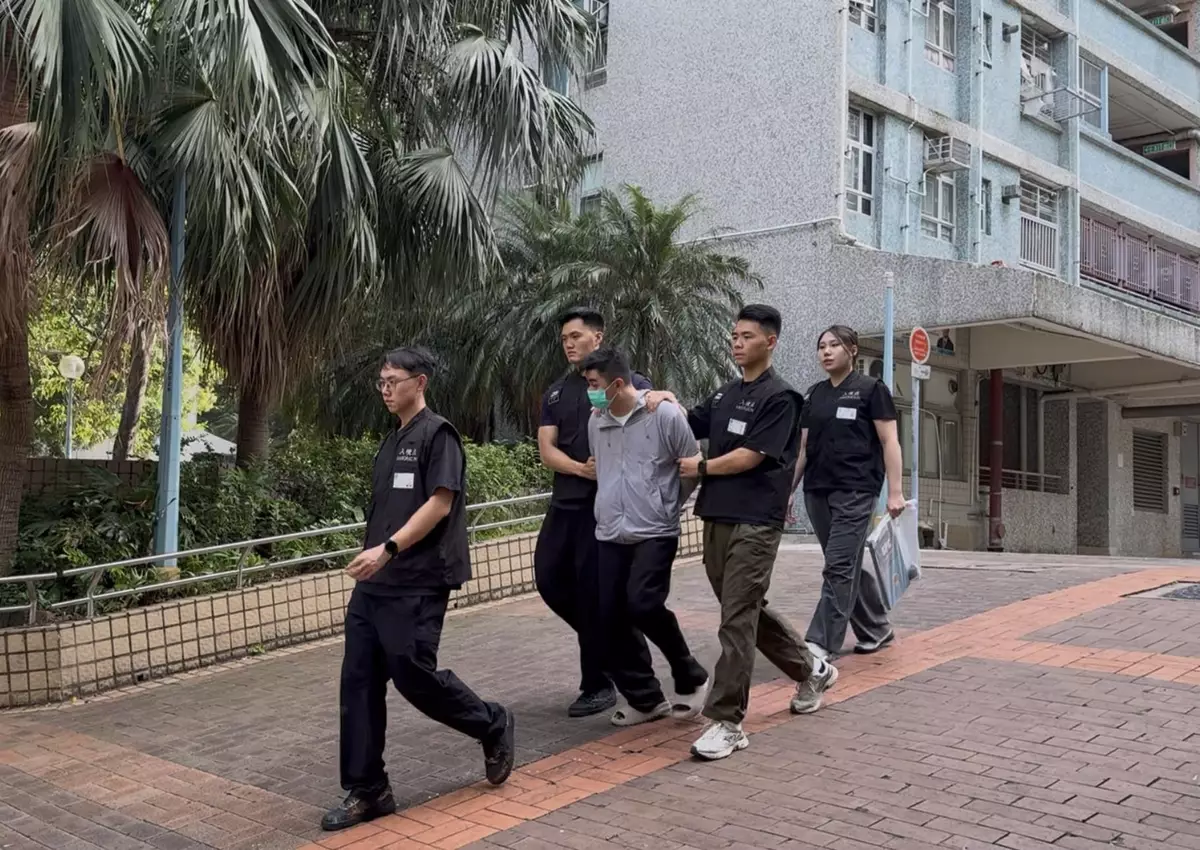
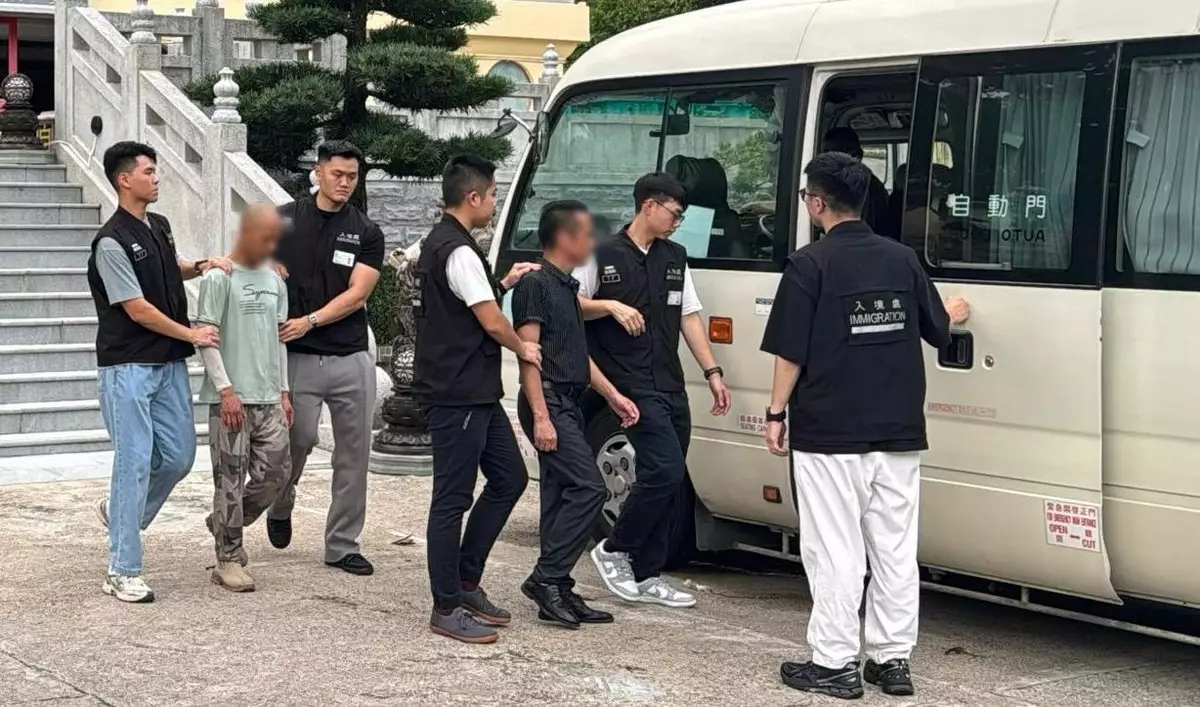
The Immigration Department (ImmD) mounted a series of territory-wide anti-illegal worker operations codenamed "Contribute" from June 2 to yesterday (June 3) to combat illegal renovation workers. A total of 12 suspected illegal workers and one suspected employer were arrested.
ImmD officers found that social media platforms have recently been utilised by suspects to advertise renovation services in Hong Kong. After intelligence analysis and an extensive investigation, ImmD officers identified the suspected persons and initiated an operation. Officers pretended to be customers on a social media platform to enquire about and book the services. The illegal workers were subsequently arrested while providing services in Hong Kong. The four arrested suspected illegal workers were men, aged 33 to 53.
Moreover, ImmD officers, acting on the intelligence, raided multiple target locations including industrial buildings and residential flats under renovation. Eight suspected illegal workers and one suspected employer were arrested. The arrested suspected illegal workers comprised six men and two women, aged 28 to 54. One woman, aged 45, was suspected of employing the illegal workers and was also arrested. An investigation into the suspected employers is ongoing, and the possibility of further arrests is not ruled out.
An ImmD spokesman said, "Any person who contravenes a condition of stay in force in respect of him or her shall be guilty of an offence. Also, visitors are not allowed to take employment in Hong Kong, whether paid or unpaid, without the permission of the Director of Immigration. Offenders are liable to prosecution and upon conviction face a maximum fine of $50,000 and up to two years' imprisonment. Aiders and abettors are also liable to prosecution and penalties."
The spokesman warned, "As stipulated in section 38AA of the Immigration Ordinance, an illegal immigrant, a person who is the subject of a removal order or a deportation order, an overstayer or a person who was refused permission to land is prohibited from taking any employment, whether paid or unpaid, or establishing or joining any business. Offenders are liable upon conviction to a maximum fine of $50,000 and up to three years' imprisonment. As stipulated in section 20(1)(a) of the Immigration Ordinance, the Chief Executive may make a deportation order against an immigrant, prohibiting the immigrant from being in Hong Kong at any time thereafter if the immigrant has been found guilty in Hong Kong of an offence punishable by imprisonment for not less than two years."
The spokesman reiterated that it is a serious offence to employ people who are not lawfully employable. Under the Immigration Ordinance, the maximum penalty for an employer employing a person who is not lawfully employable, i.e. an illegal immigrant, a person who is the subject of a removal order or a deportation order, an overstayer or a person who was refused permission to land, has been significantly increased from a fine of $350,000 and three years' imprisonment to a fine of $500,000 and 10 years' imprisonment to reflect the gravity of such offences. The director, manager, secretary, partner, etc, of the company concerned may also bear criminal liability. The High Court has laid down sentencing guidelines that the employer of an illegal worker should be given an immediate custodial sentence.
According to the court sentencing, employers must take all practicable steps to determine whether a person is lawfully employable prior to employment. Apart from inspecting a prospective employee's identity card, the employer has the explicit duty to make enquiries regarding the person and ensure that the answers would not cast any reasonable doubt concerning the lawful employability of the person. The court will not accept failure to do so as a defence in proceedings. It is also an offence if an employer fails to inspect the job seeker's valid travel document if the job seeker does not have a Hong Kong permanent identity card. Offenders are liable upon conviction to a maximum fine of $150,000 and to imprisonment for one year. In that connection, the spokesman would like to remind all employers not to defy the law by employing illegal workers. The ImmD will continue to take resolute enforcement action to combat such offences.
Under the existing mechanism, the ImmD will, as a standard procedure, conduct an initial screening of vulnerable persons, including illegal workers, illegal immigrants, sex workers and foreign domestic helpers, who are arrested during any operation with a view to ascertaining whether they are trafficking in persons (TIP) and/or forced labour victims. When any TIP and/or forced labour indicator is revealed in the initial screening, the ImmD officers will conduct a full debriefing and identification by using a standardised checklist to ascertain the presence of TIP and/or forced labour elements. Identified TIP and/or forced labour victims will be provided with various forms of support and assistance, including urgent intervention, medical services, counselling, shelter or temporary accommodation and other supporting services. The ImmD calls on TIP and/or forced labour victims to report crimes to the relevant departments immediately.
For reporting illegal employment activities, please call the dedicated hotline 185 185, fax at 2824 1166, email anti_crime@immd.gov.hk, or submit the "Online Reporting of Immigration Offences" form at www.immd.gov.hk.
13 persons arrested during anti-illegal worker operations Source: HKSAR Government Press Releases
13 persons arrested during anti-illegal worker operations Source: HKSAR Government Press Releases
Remarks by CE at media session in Tashkent, Uzbekistan
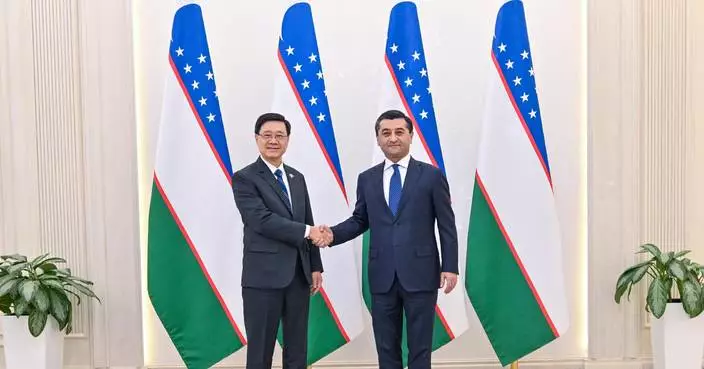
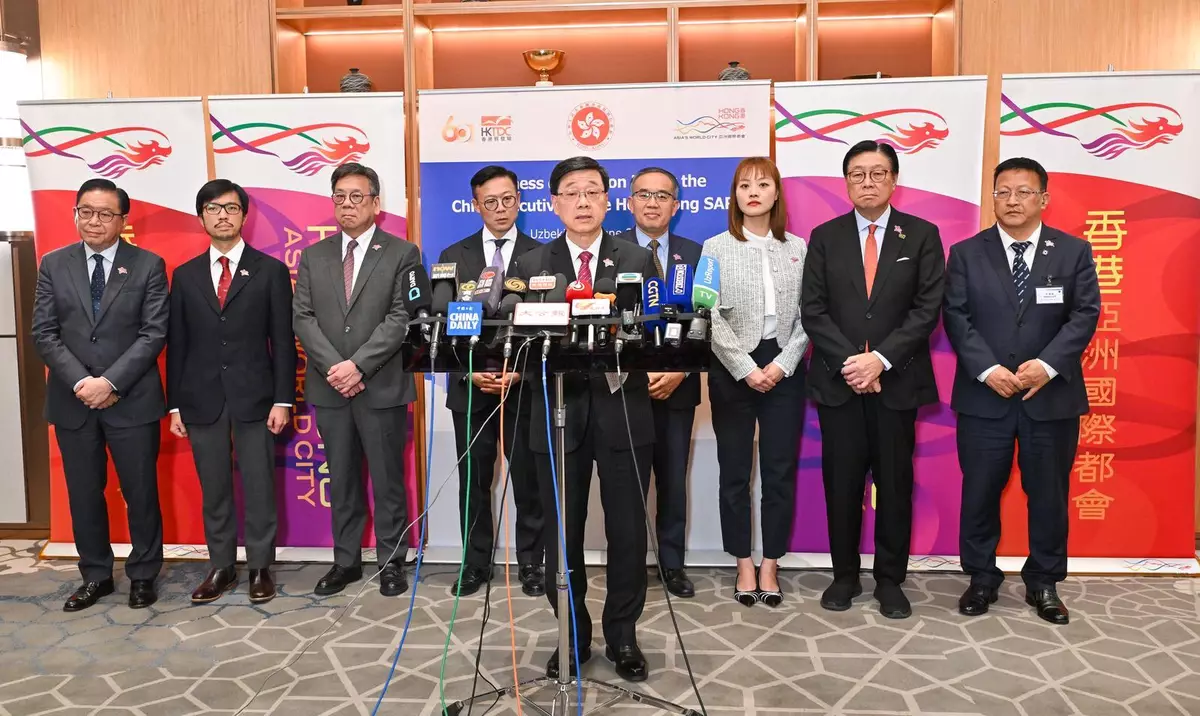
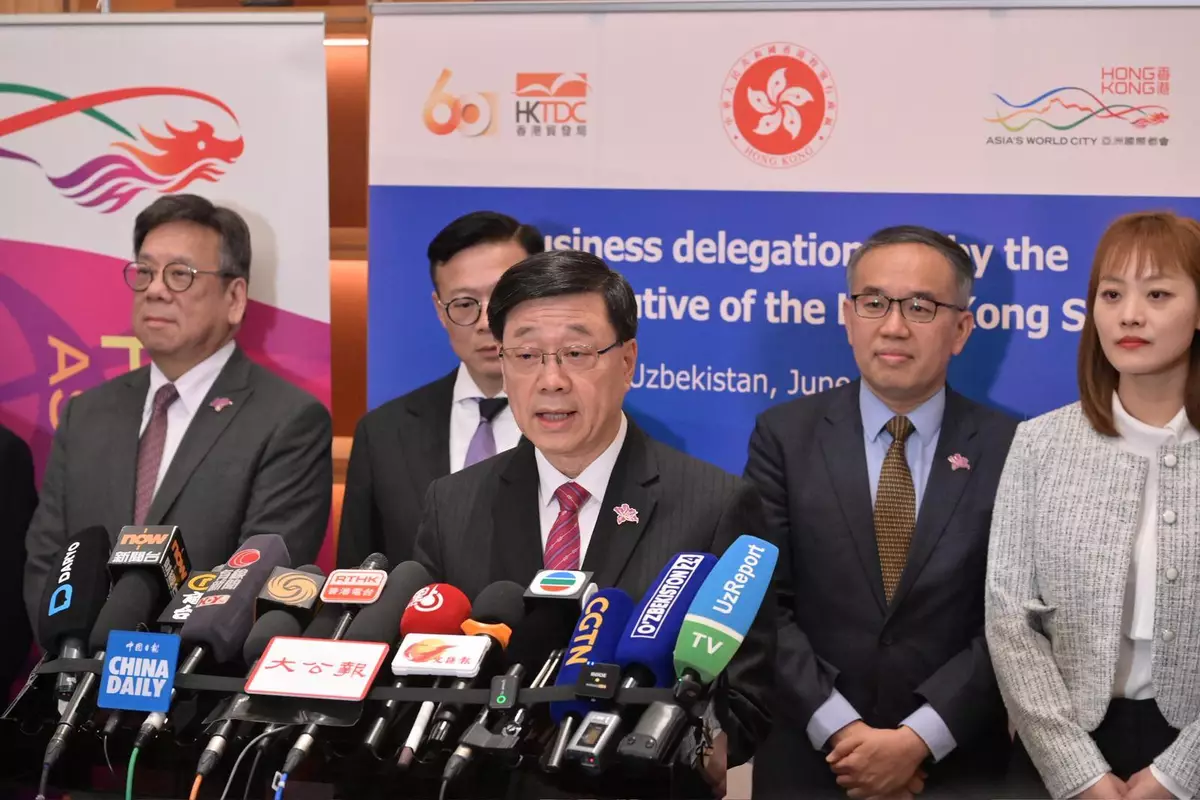
The Chief Executive, Mr John Lee, today (June 4), in Tashkent, Uzbekistan, spoke on the Central Asia visit of the business delegation comprising representatives from Hong Kong and Mainland enterprises. He was accompanied by the Deputy Secretary for Justice, Dr Cheung Kwok-kwan; the Secretary for Financial Services and the Treasury, Mr Christopher Hui; the Secretary for Commerce and Economic Development, Mr Algernon Yau; the Under Secretary for Innovation, Technology and Industry, Ms Lillian Cheong; the Commissioner for Belt and Road, Mr Nicholas Ho; the Chairman of the Hong Kong Trade Development Council, Professor Frederick Ma; Chamber Council Member of the Hong Kong General Chamber of Commerce Mr Jeffrey Lam; and Vice President of Xuzhou Construction Machinery Group Company Limited Dr Hanson Liu. Following are the remarks by Mr Lee:
Reporter: Sir, welcome to Uzbekistan. My first question, Hong Kong is one of the world's leading financial centres, and following today's discussions, what concrete investment and projects or areas of economic (co-operation) between Hong Kong and Uzbekistan in the near future can we expect? And the second question, which sectors of Uzbekistan's economy does the Hong Kong business community currently view as the most promising for investment, and why? And a short question, could you please tell us when the visa-free regime can be expected in the near future? Thank you.
Chief Executive: I will answer your last question first. Both governments are working very hard to implement this 30-day visa-free arrangement. We have overcome the most difficult part; that is, both sides have worked on the details, and yesterday we exchanged the notes verbales on this matter. With the enthusiastic attitude of both governments, I think we can see very early implementation of the arrangement. I will push my colleagues to work harder, and I received the same assurance from my counterparts in the government of Uzbekistan.
In regard to financial co-operation, I am very glad to know about the establishment of an international financial centre in Uzbekistan. Hong Kong has, I think, a lot of experience to share, including capital markets, asset management, green and sustainable finance, as well as the support of professionals to help upgrade and strengthen the financial centre. I see particular potential in co-operation in capital markets, connectivity, asset management, green finance, financial technology, and related professional services. All these help to foster mutual growth between our two places in regard to financial co-operation. I also want to suggest we co-operate in the area of gold trading, because Uzbekistan has a large production of gold and also has a strong gold reserve, and Hong Kong is quickly building a gold trading market. We hope to see more co-operation in this area, and I think this will be a win-win situation for both financial centres. Then, of course, the traditional stock exchange area is an obvious area for the two Exchanges to co-operate in. Already, the Hong Kong Exchange has been in communication with the Tashkent Stock Exchange, and further co-operation will ensure that investors and also market participants will gain even further mutual benefit. One other point I think Hong Kong and Uzbekistan can co-operate in is fintech, because while we develop financial markets and co-operation in this area, nowadays, technology in the financial sector plays an important role, and I think this is an area we can contribute to and bring mutual benefit to both sides.
As regards your question about which sector looks to us as the most prominent sector for co-operation and for mutual development, you are asking a question which will probably involve a long list of sectors. We come here and, as Chairman Fred Ma of the Trade Development Council has indicated, the examples of agreements and co-operation are just so abundant that they range from the service sector to heavy industries such as mining and infrastructure development. I think the sky is the limit. A lot of Belt and Road projects are actively being pursued in Uzbekistan. For example, Uzbekistan sits in the heart of the corridor of Asia and Europe, so logistical development, railway development, and also how we can complement and supplement each other in cargo handling will be an area for a very wide range of co-operation. Of course, the financial side, which you have asked about, is an area of co-operation. Technology is also an important area, because technology is the future of different parts of the world; without technology, we will all fall behind. IT co-operation will be an area we will focus on, and already you can see there have been some agreements signed in this regard. So your question is one which indicates that the answer will be a big one, and I am glad, because that means the visit to Central Asia is a right decision. The opportunities are so many, and the potential is so unlimited.
The last thing I would say is youth development and education. I am very impressed by the President's 2030 strategy, in which human capital development and education are highly emphasised, and this is an area where I think Hong Kong can work together with Uzbekistan, because Hong Kong has achieved some good results in education, with five universities in Hong Kong among the top 100. We have three universities which have been rated as most international. We have scholarships for Belt and Road students. In fact, there are altogether some 6 000 students from Belt and Road countries studying in Hong Kong. Besides the scholarship offered by the Government, universities also offer a wide range of scholarships to students, Uzbekistan students included. So the areas of co-operation are wide. Thank you very much.
(Please also refer to the Chinese portion of the remarks.)
Remarks by CE at media session in Tashkent, Uzbekistan Source: HKSAR Government Press Releases
Remarks by CE at media session in Tashkent, Uzbekistan Source: HKSAR Government Press Releases