Major U.S. stocks closed mixed on Thursday, as investors weighed mixed corporate earnings and labor market signals amid ongoing geopolitical developments.
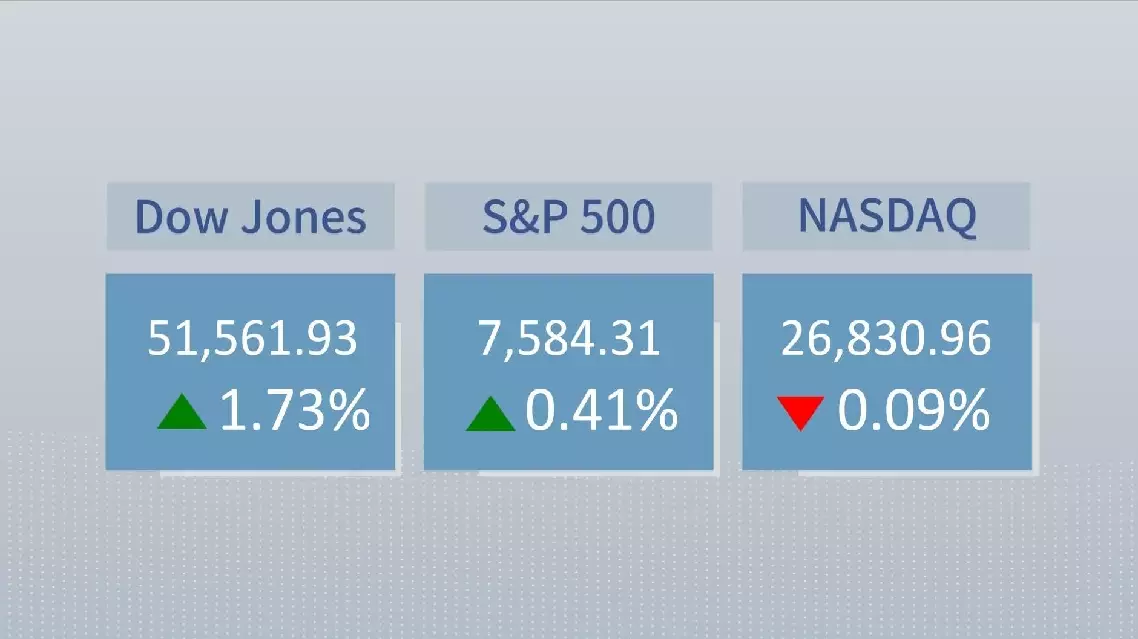
The Dow Jones Industrial Average rose 1.73 percent to 51,561.93. The Standard and Poor's 500 added 0.41 percent to 7,584.31. The Nasdaq Composite Index shed 0.09 percent to 26,830.96.
Nine of the 11 primary Standard and Poor's 500 sectors ended in the green, with health and financials leading the gainers by rising 3.16 percent and 2.68 percent, respectively. Meanwhile, technology and consumer staples led the laggards by dropping 1.43 percent and 0.06 percent, respectively.
Broadcom plunged more than 12.5 percent after issuing a disappointing forecast for AI chip demand, raising fresh concerns about the strength and sustainability of the AI investment boom. Semiconductor stocks, which led the market's rally to record levels, also fell broadly.
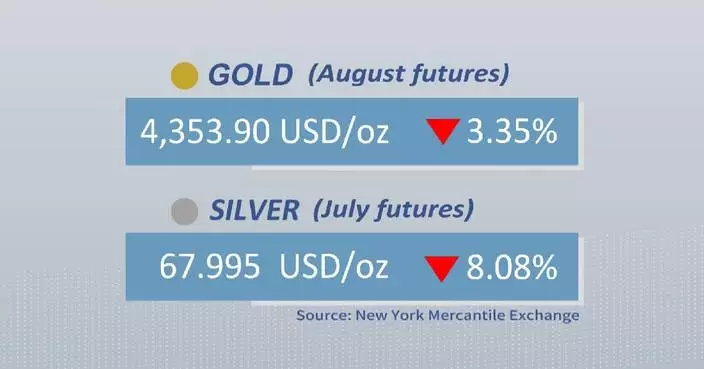
The West Texas Intermediate for July delivery dropped 2.98 U.S. dollars, or 3.1 percent, to settle at 93.04 dollars a barrel on the New York Mercantile Exchange. Brent crude for August delivery lost 2.78 dollars, or 2.84 percent, to settle at 95.03 dollars a barrel on the London ICE Futures Exchange.
Wall Street also digested new labor market data ahead of Friday's May jobs report. Weekly initial jobless claims rose to 225,000 for the week ending May 30, while global outplacement firm Challenger, Gray & Christmas reported an increase in announced job cuts.
U.S. stocks close mixed amid tech pullback
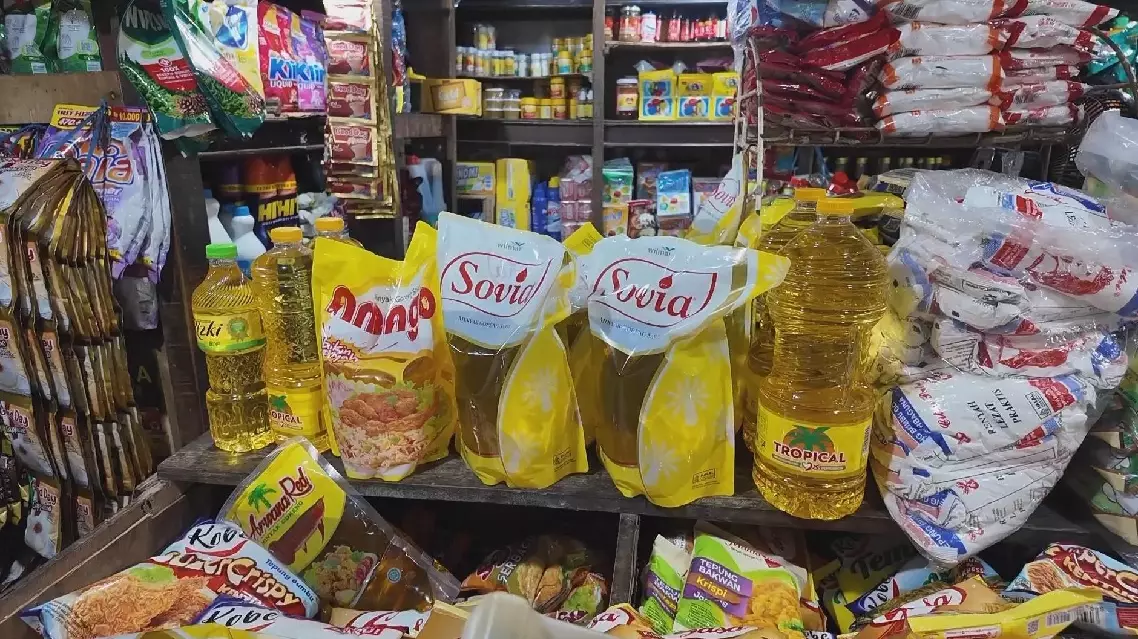
Amid fluctuating global energy prices and Indonesia's recent push to advance its biodiesel production policy, residents in the country are facing mounting pressure from higher prices for cooking oil, driven by tightening supplies.
To reduce fossil fuel reliance and strengthen fiscal resilience amid global uncertainty from the Middle East conflict, the Indonesian government will implement its B50 biodiesel policy on July 1, 2026. This initiative is expected to cut fossil fuel consumption by roughly 4 million kiloliters, representing an estimated economic value of 48 trillion rupiah (around 2.6 billion U.S. dollars).
B50 is an Indonesian biodiesel mandate requiring a 50 percent blend of palm oil-based biofuel with fossil diesel to reduce fuel imports and enhance energy security.
As a result, more of the country's palm oil is to be channeled into biodiesel production, putting further strain on the supply of palm oil used for cooking.
For many Indonesian households, palm oil is a daily cooking staple. Supply-driven price surges have made it increasingly unaffordable, pushing families to change their eating habits.
"I hope prices can return to what they were. Please don't raise them any further -- life is already getting harder, and it's tough to earn a living. Right now, I just have to cut back wherever I can and use less oil for frying," said a consumer.
The food service industry relies heavily on palm oil and has also been severely impacted. As markets anticipate ongoing supply shortages, volatile palm oil prices are already increasing costs for businesses in the sector, many of which are small, independent operations.
"Everything is going up. Our costs keep rising -- we're barely breaking even," said a food stall vendor.
Indonesian residents hit by soaring cooking oil prices