Global demand for oil is expected to remain robust this year, said Haitham Al Ghais, secretary general of the Organization of the Petroleum Exporting Countries (OPEC) on Thursday.
Speaking at the St. Petersburg International Economic Forum in Russia, Al Ghais said there had been no signs sufficient to change existing oil demand forecasts.
He also stressed that investments in the oil industry should not be affected by one-off events occurring anywhere in the world.
In its monthly oil market report released on May 13, OPEC forecast that global oil demand would grow by 1.17 million barrels per day in 2026 compared with 2025, down from its forecast in April.
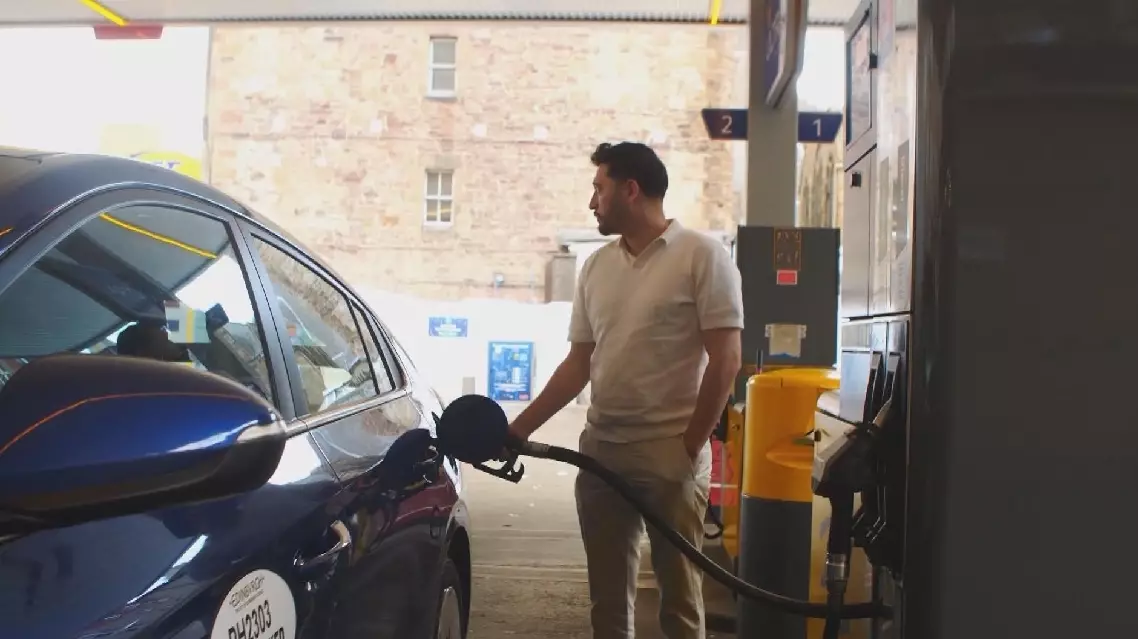
OPEC chief sees robust global oil demand this year

Thailand's rural tradition of elephant stewardship is rapidly vanishing as livelihoods change and younger people pursue opportunities elsewhere, threatening centuries of irreplaceable elephant-care knowledge.
For generations, mahouts in the region have passed on their tradition of closely bonding with the elephants they care for. Taweesuk Lapsan is one of a dwindling number of mahouts who diligently carry on the practice.
Long before the sun rises over the fields, he was already at work, gathering bundles of food for an animal that had been part of his family for generations.
"We've had elephants since our grandparents' and great-grandparents' generations. We've been around elephants our whole lives, so we have a strong connection and experience in raising them. That's how we've been able to live with them like this," the mahout said.
Caring for his elephant was not merely a job, but an inherited way of life. Years of daily coexistence forged an intimate bond defined by an intuitive understanding of subtle movements, sounds, and hesitations that take a lifetime to master.
"We live together like this. It's like a family. We're like family; we always go through things together. Until we breathe our last, it just depends on who lives longer," said Taweesuk.
Mahouts and elephants have been woven into parts of Thailand's cultural landscape, from rural livelihoods and traditional practices. However, the tradition has been upended by the collapse of the commercial logging industry and the rapid expansion of tourism.
As fewer young people follow in their families' footsteps, conservationists warned that an intricate system of animal care, refined over centuries, faces gradual extinction.
"When a mahout disappears, they are replaced by people who simply come in to take care of the elephants, essentially, elephant keepers. There are differences in terms of the bond between the keeper and the elephant, the cultural aspects, and the passing down of knowledge and traditions from one generation to the next. So we are concerned about the quality," said Parntep Ratanakorn, Secretary General of the Asian Elephant Foundation of Thailand.
Taweesuk said that his daughters may choose paths far removed from the stables, a decision he fully respects. As the practice fades, experts warn the loss extends far beyond a vanishing cultural heritage, threatening the daily welfare safety nets upon which captive elephants rely.
Thailand's centuries-old elephant care tradition face extinction as livelihoods change