Skip to Content Facebook Feature Image

Fishermen prepared for the longest red snapper season in recent memory. A court order stopped it

News

Fishermen prepared for the longest red snapper season in recent memory. A court order stopped it
News

News

Fishermen prepared for the longest red snapper season in recent memory. A court order stopped it

2026-06-05 21:18 Last Updated At:21:20

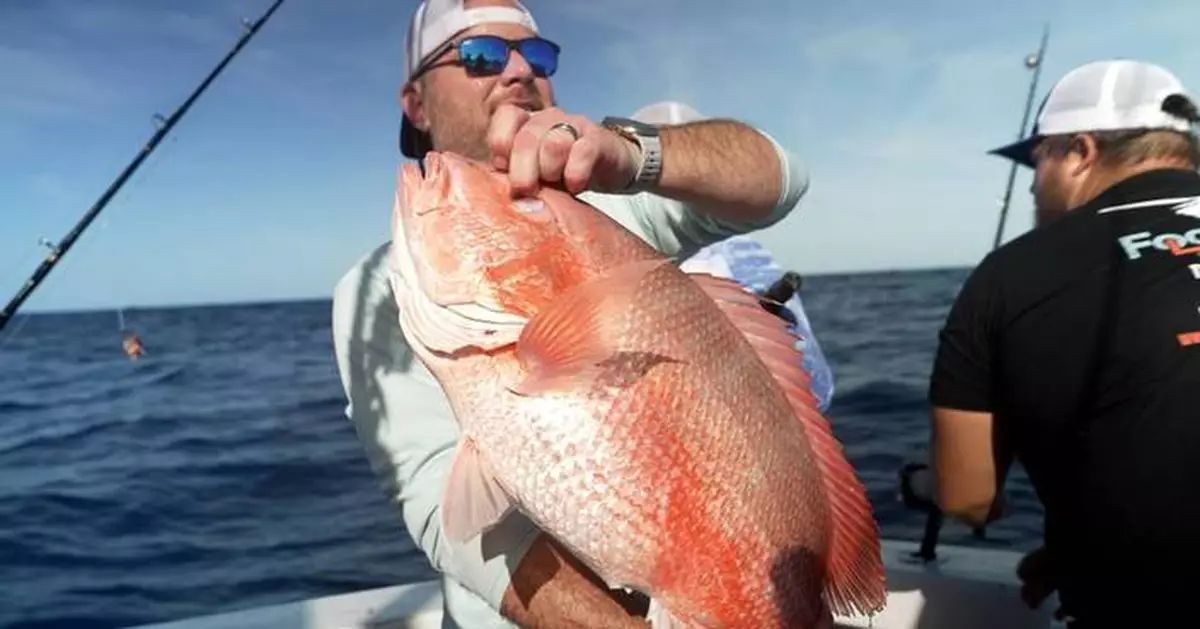
ST. AUGUSTINE, Fla. (AP) — Miles from shore, Chris Kemp pumps and reels as he battles a fish 150 feet below. Eventually, it gives up, and the 10-pound red snapper is hauled aboard the Jodie Lynn II.

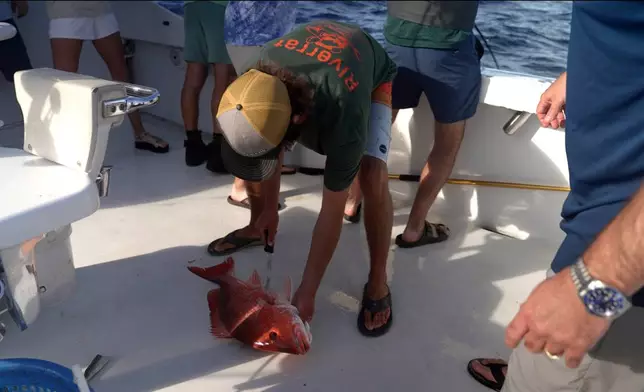
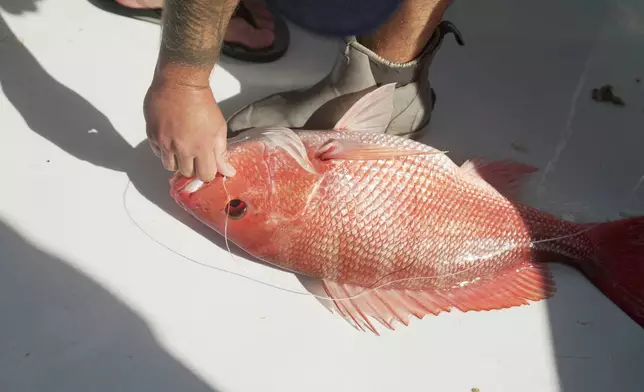
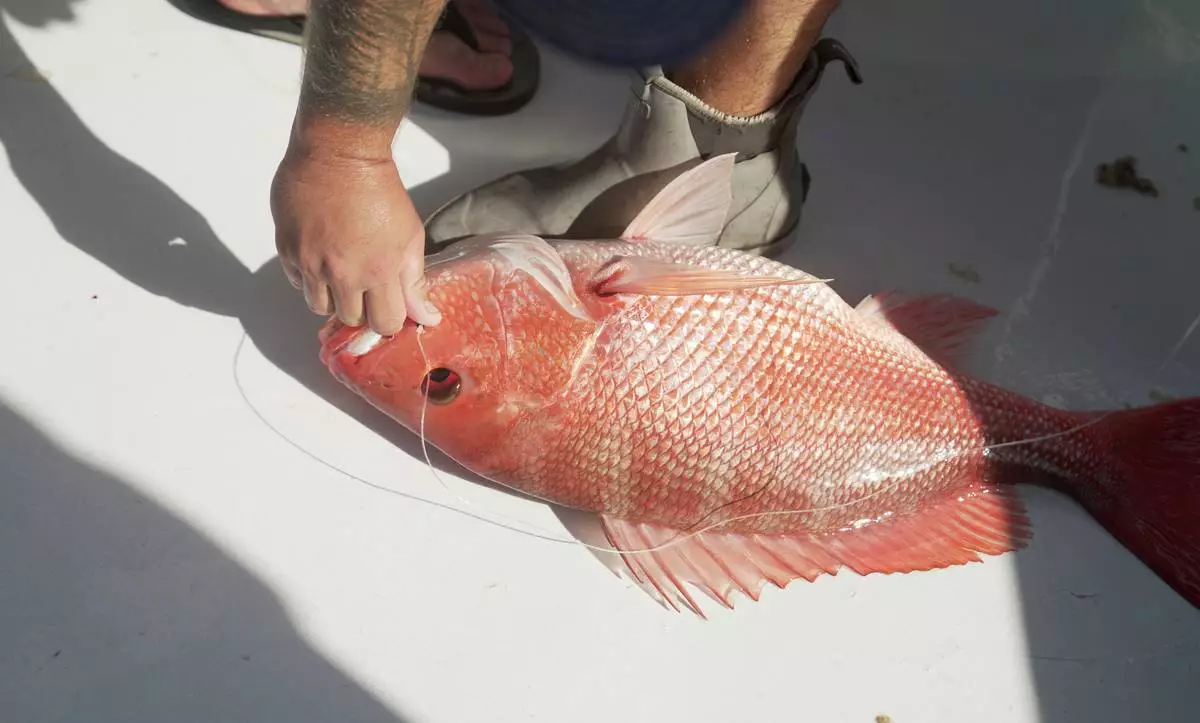
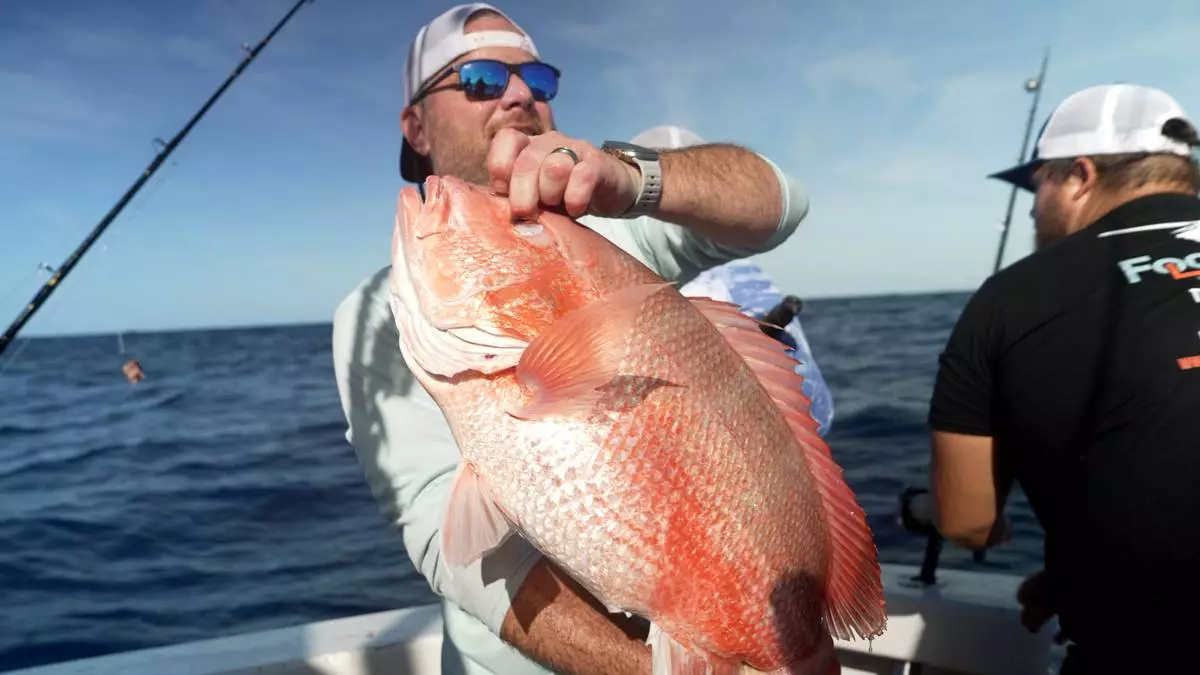
There’s barely time to rejoice. As Kemp raises his trophy for a picture, the charter boat’s captain rushes over and then drives a knifelike tool into the fish’s gas-filled bladder. The procedure, required by federal law, is intended to improve the fish’s chances of survival after release.

More Images
Captain Tyler Usina uses a technique to vent a red snapper caught on the charter boat Jodie Lynn II, before it is released back into the water miles off the coast of St. Augustine, Fla., on May 22, 2026. (AP Photo/Shelby Lum)
Captain Tyler Usina uses a technique to vent a red snapper caught on the charter boat Jodie Lynn II, before it is released back into the water miles off the coast of St. Augustine, Fla., on May 22, 2026. (AP Photo/Shelby Lum)

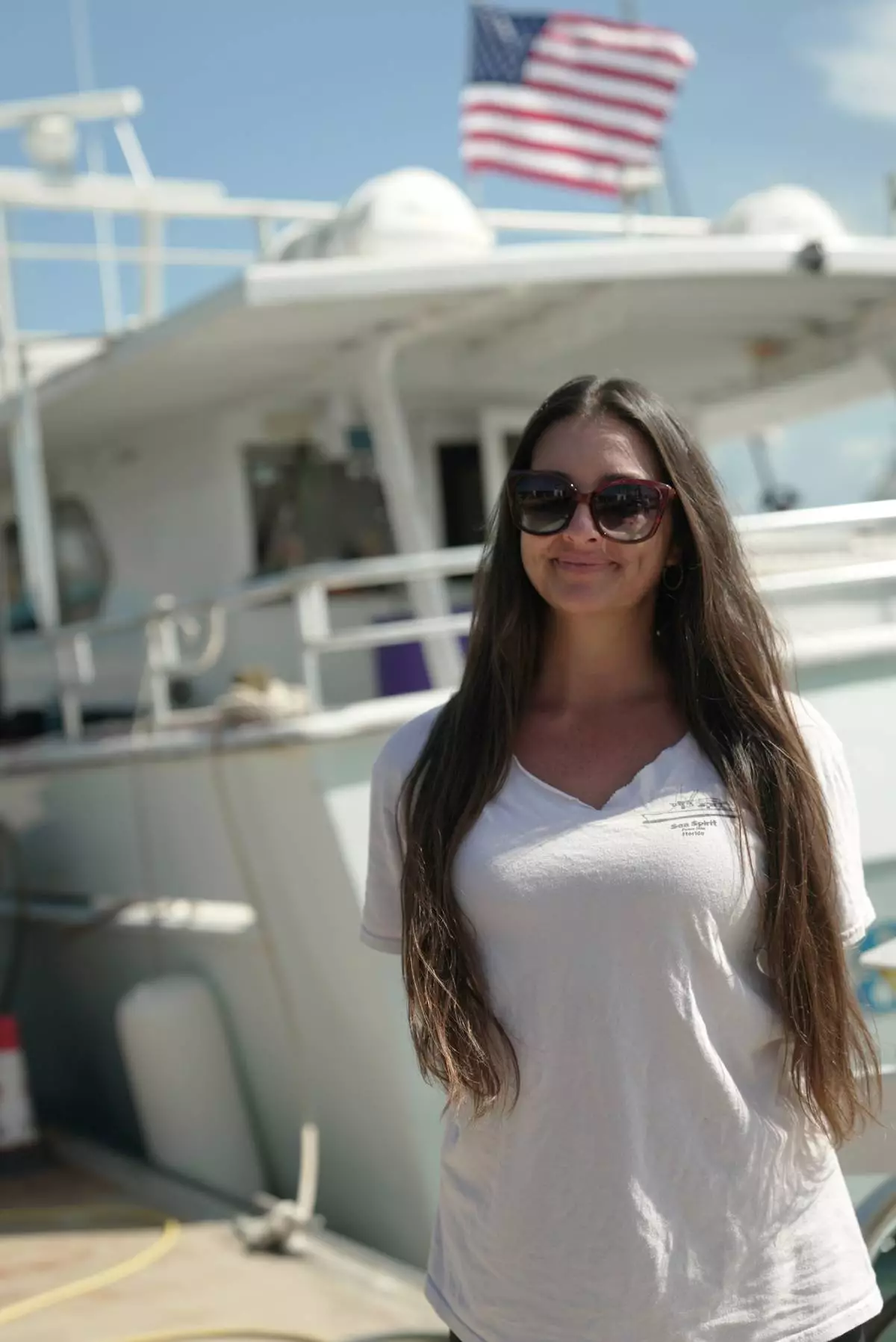
Haley Stephens, who with her husband operates the Sea Spirit, a group charter boat in Ponce Inlet, Fla., on May 21, 2026. (AP Photo/Shelby Lum)
Haley Stephens, who with her husband operates the Sea Spirit, a group charter boat in Ponce Inlet, Fla., on May 21, 2026. (AP Photo/Shelby Lum)

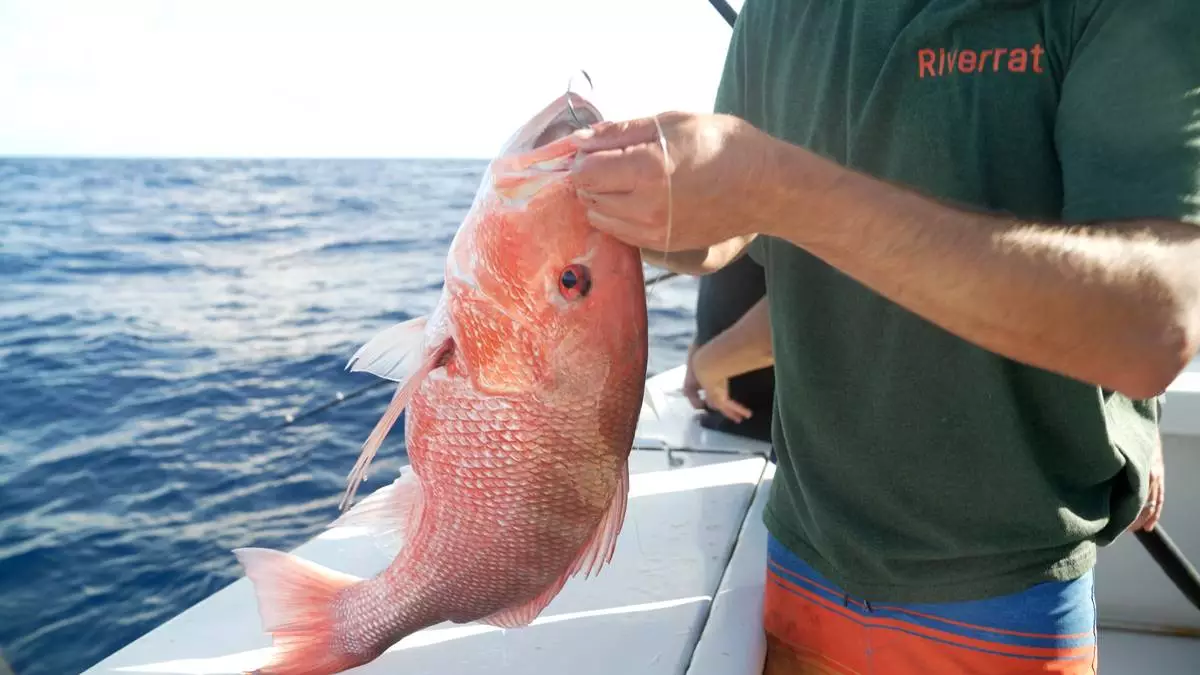
A red snapper caught on the charter boat Jodie Lynn II, before it is released back into the water miles off the coast of St. Augustine, Fla., on May 22, 2026. (AP Photo/Shelby Lum)
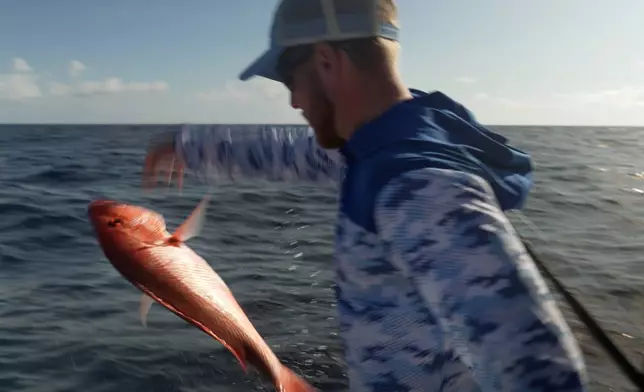
A red snapper caught on the charter boat Jodie Lynn II, before it is released back into the water miles off the coast of St. Augustine, Fla., on May 22, 2026. (AP Photo/Shelby Lum)
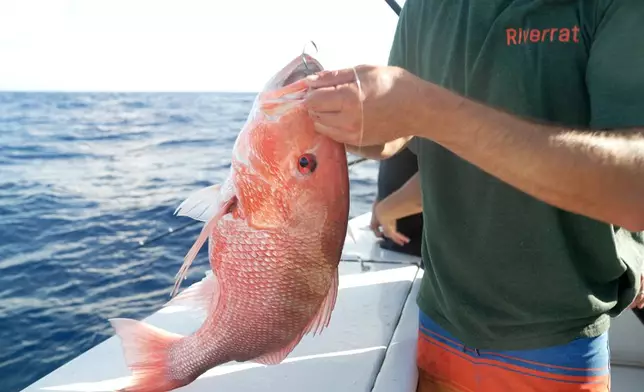
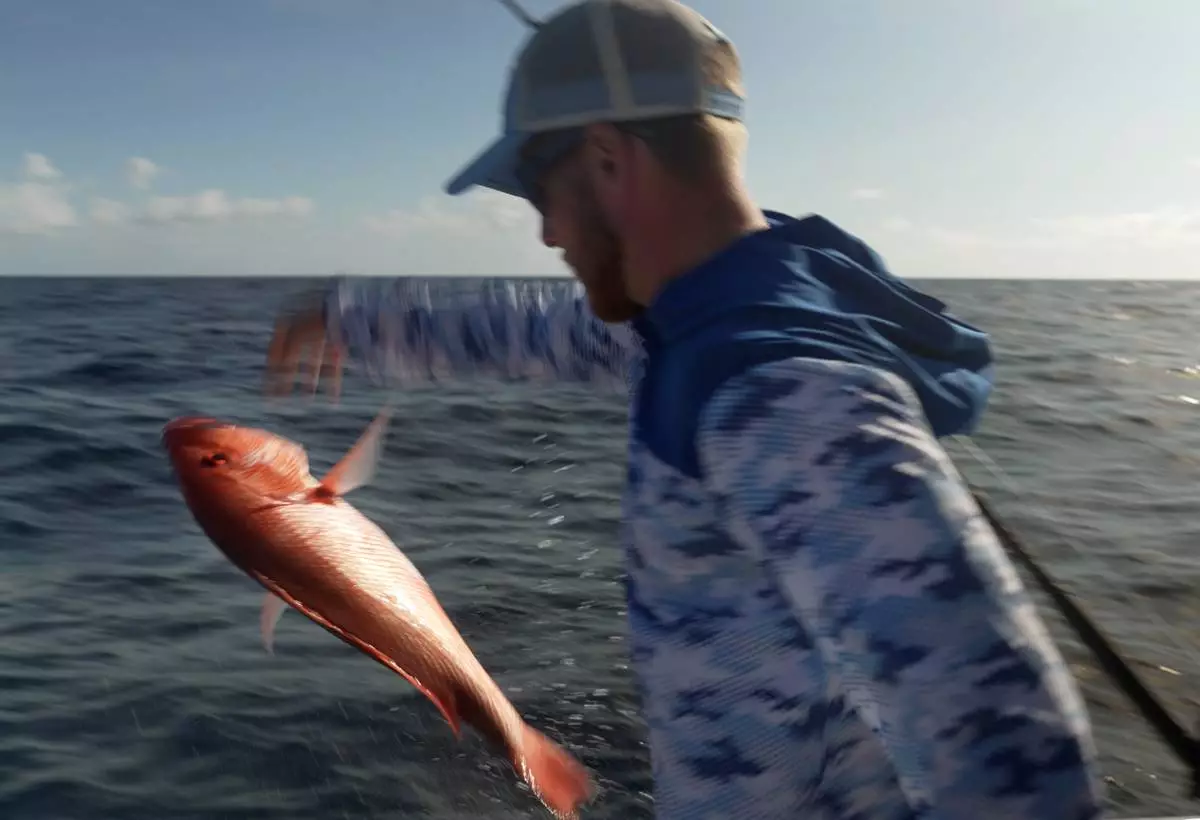
A red snapper caught on the charter boat Jodie Lynn II is released back into the water miles off the coast of St. Augustine, Fla., on May 22, 2026. (AP Photo/Shelby Lum)
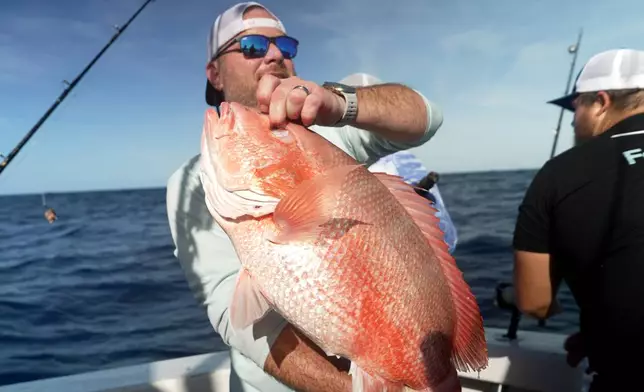
A red snapper caught on the charter boat Jodie Lynn II is released back into the water miles off the coast of St. Augustine, Fla., on May 22, 2026. (AP Photo/Shelby Lum)

The hook is taken out of a red snapper caught on the charter boat Jodie Lynn II, before releasing it back into the water miles off the coast of St. Augustine, Fla., on May 22, 2026. (AP Photo/Shelby Lum)

The hook is taken out of a red snapper caught on the charter boat Jodie Lynn II, before releasing it back into the water miles off the coast of St. Augustine, Fla., on May 22, 2026. (AP Photo/Shelby Lum)

Chris Kemp holds up a red snapper he caught on the charter boat Jodie Lynn II, before releasing it back into the water miles off the coast of St. Augustine, Fla., on May 22, 2026. (AP Photo/Shelby Lum)

Chris Kemp holds up a red snapper he caught on the charter boat Jodie Lynn II, before releasing it back into the water miles off the coast of St. Augustine, Fla., on May 22, 2026. (AP Photo/Shelby Lum)

“Send it overboard,” orders the captain. And with that, Kemp's hopes of bringing the fish home to eat was lost.

Recreational fishermen like Kemp are pitched against commercial fishermen and environmentalists in a legal dispute that has halted what was expected to be the longest snapper season in years, reflecting broader tensions over the Trump administration's efforts to loosen fishing rules and deregulate the seas.

As part of those efforts, the National Oceanic and Atmospheric Administration in May exempted states from some restrictions under the Magnuson-Stevens Act, the landmark law that guides fisheries management. But the decision was halted at the last minute by a federal judge in Washington who blocked the plan.

The Atlantic red snapper is known for both its fighting ability and popularity at the dinner table. After decades of overfishing, regulators in 2010 restricted recreational fishing to only a handful of days each year — when not banned altogether.

Starting last year, Florida Gov. Ron DeSantis led a charge with officials in Georgia, North Carolina and South Carolina to take over management of the recreational Atlantic snapper fishery, casting the effort as guaranteeing anglers’ “God-given right to fish.”

In May, NOAA issued special permits exempting the states from some legal requirements to protect fish. Instead of imposing wholesale fishing bans on bottom fishing each winter, as NOAA had proposed last year, the agency set up an Atlantic snapper season in four states ranging from 39 to 62 days, allowing anglers to keep one fish per day.

“We were excited,” said Kemp, who booked a charter to coincide with the season’s opening day.

The conflict landed in court just before the season was about to begin May 22, and U.S. District Judge Rudolph Contreras issued an injunction based in part on environmental concerns. He relied on estimates from the nonprofit Ocean Conservancy suggesting recreational catches could reach up to 485,000 in Florida alone during the expanded season — 20 times the number of landed catch allowed.

Kemp learned about the judge's order from a text message sent by a friend while driving to the marina.

“Originally we thought it was a joke, given the severity,” said Kemp.

The ruling sparked immediate backlash. Florida wildlife officials denounced the decision as the work of a “rogue federal judge,” while some fishermen involved in the lawsuit reported receiving threats after DeSantis falsely accused them of trying to commandeer the quota all for themselves.

One of the plaintiffs, North Carolina fisherman Jeff Oden, said commercial fishermen are struggling to survive amid rising costs and competition from imported seafood. He worries that expanded recreational harvests could leave too few snapper available when the commercial season begins later this year.

“We’re vanishing,” Oden said. “You as a consumer, you’re the loser.”

The dispute stems in part from disagreements over the health of the fishery. NOAA estimates that roughly one-quarter of released red snapper die, despite techniques designed to improve their survival like puncturing the bladder to reduce gases that build up in their bladder when pulled up, hindering them from returning to the ocean’s depths where they live.

Yet many fishermen argue the stock is thriving. Kemp’s group hooked about a dozen fish within 40 minutes of arriving to a reef off Florida’s coast.

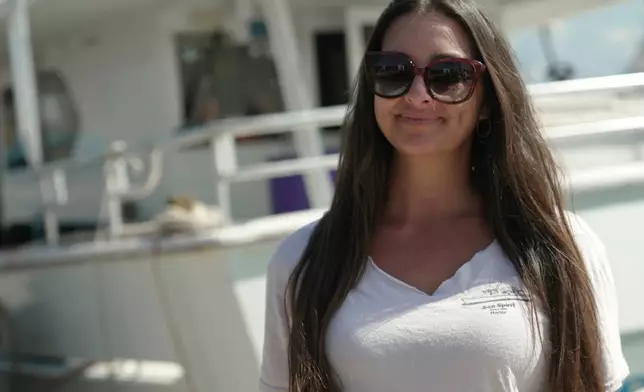
“To be completely honest, we have never seen an unhealthy stock,” said Haley Stephens, who with her husband operates the Sea Spirit, a charter boat in Ponce Inlet, Florida.

Scientists counter that the abundance of younger fish is misleading and point to biological sampling that indicates most fish being caught haven’t reached the peak of their reproductive maturity.

“It’s tricky because this is a rebuilding fish stock,” said Meredith Moore, a program director at Ocean Conservancy. “So people out in the water are seeing more of the fish than they have seen in a long time, and so that gives them the sense that everything is great.”

NOAA declined to comment on the snapper dispute, citing ongoing litigation. However, it said that it is working with fisheries managers across the country “to better prioritize work around existing resources, explore efficiencies, and streamline operations” in accordance with the “Restoring American Seafood Competitiveness” executive order signed last year by President Donald Trump.

The judge, in his ruling, faulted Florida and the other states for declining to provide their own harvest projections. Officials, however, argued that existing federal estimates were unreliable and would eventually be replaced with improved state-collected data.

Oden said he understands the frustrations of recreational anglers but believes everyone must share the burden of conservation.

“There’s only so many fish to go around,” he said.

Wieffering reported from Washington. Serginho Roosblad contributed from Washington.

—-

The Associated Press receives financial support from multiple private foundations. AP is solely responsible for all content. Find AP’s standards for working with philanthropies, a list of supporters and funded coverage areas at AP.org.
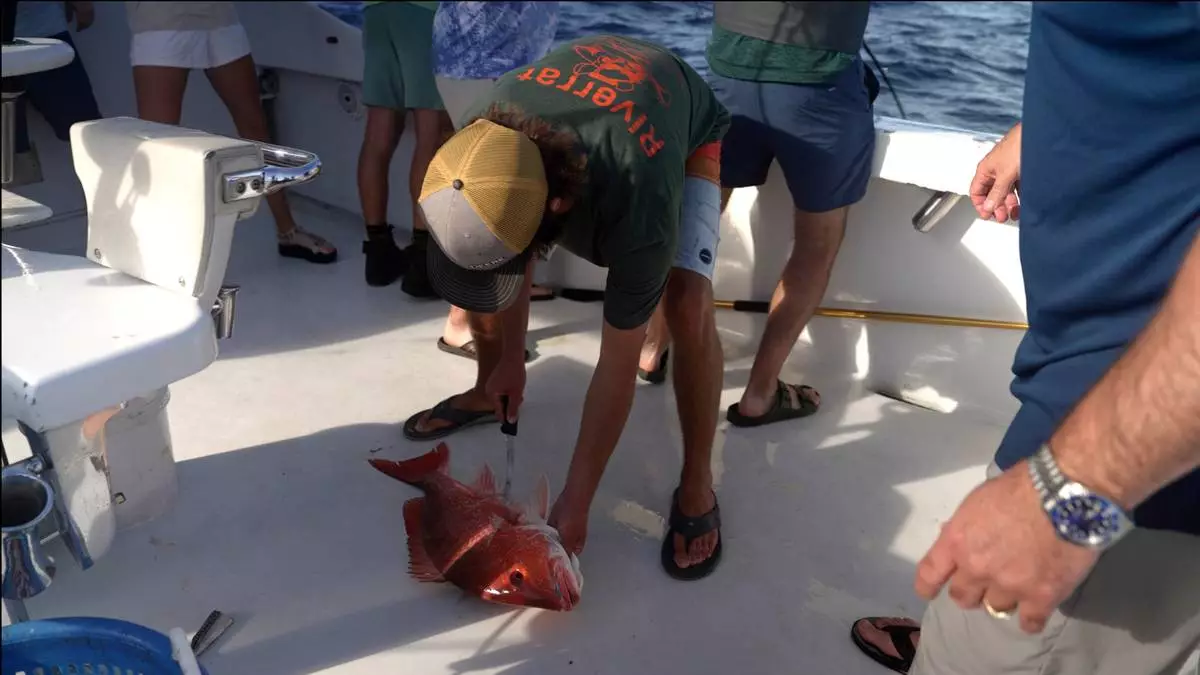
Captain Tyler Usina uses a technique to vent a red snapper caught on the charter boat Jodie Lynn II, before it is released back into the water miles off the coast of St. Augustine, Fla., on May 22, 2026. (AP Photo/Shelby Lum)
Captain Tyler Usina uses a technique to vent a red snapper caught on the charter boat Jodie Lynn II, before it is released back into the water miles off the coast of St. Augustine, Fla., on May 22, 2026. (AP Photo/Shelby Lum)

Haley Stephens, who with her husband operates the Sea Spirit, a group charter boat in Ponce Inlet, Fla., on May 21, 2026. (AP Photo/Shelby Lum)
Haley Stephens, who with her husband operates the Sea Spirit, a group charter boat in Ponce Inlet, Fla., on May 21, 2026. (AP Photo/Shelby Lum)

A red snapper caught on the charter boat Jodie Lynn II, before it is released back into the water miles off the coast of St. Augustine, Fla., on May 22, 2026. (AP Photo/Shelby Lum)
A red snapper caught on the charter boat Jodie Lynn II, before it is released back into the water miles off the coast of St. Augustine, Fla., on May 22, 2026. (AP Photo/Shelby Lum)
A red snapper caught on the charter boat Jodie Lynn II is released back into the water miles off the coast of St. Augustine, Fla., on May 22, 2026. (AP Photo/Shelby Lum)
A red snapper caught on the charter boat Jodie Lynn II is released back into the water miles off the coast of St. Augustine, Fla., on May 22, 2026. (AP Photo/Shelby Lum)

The hook is taken out of a red snapper caught on the charter boat Jodie Lynn II, before releasing it back into the water miles off the coast of St. Augustine, Fla., on May 22, 2026. (AP Photo/Shelby Lum)
The hook is taken out of a red snapper caught on the charter boat Jodie Lynn II, before releasing it back into the water miles off the coast of St. Augustine, Fla., on May 22, 2026. (AP Photo/Shelby Lum)

Chris Kemp holds up a red snapper he caught on the charter boat Jodie Lynn II, before releasing it back into the water miles off the coast of St. Augustine, Fla., on May 22, 2026. (AP Photo/Shelby Lum)
Chris Kemp holds up a red snapper he caught on the charter boat Jodie Lynn II, before releasing it back into the water miles off the coast of St. Augustine, Fla., on May 22, 2026. (AP Photo/Shelby Lum)

The U.S. stock market had its worst day since October Friday as a sell-off in big technology companies weighed down the broader market and a strong jobs report boosted expectations that the Federal Reserve will be forced to hike interest rates at some point this year.

The S&P 500 sank 2.6%, its biggest one-day drop since October 10, when the Trump administration threatened to impose a 100% tariff on imported goods from China. The losses helped push the benchmark index to its first losing week in the last 10.

The Dow Jones Industrial Average fell 1.4%, while the Nasdaq composite slumped 4.2%.

Tech stocks dragged the broader market lower as companies that had powered the S&P 500 to a series of records the past two months saw losses. Nvidia fell 6.2%, Broadcom dropped 7.9% and Micron Technology slid 13.3% for the biggest loss among stocks in the S&P 500.

Shares in Meta fell 5.5% following a published report that the social media giant may seek to do a new stock offering to raise funds for spending on AI infrastructure.

Stocks within the S&P 500 were not far from being evenly split between gainers and losers. But, many of the bigger tech stocks have pricey values that tend to give them outsized influence on the broader market.

Meanwhile, bond yields jumped after a report showed the U.S. added a surprising 172,000 jobs in May, according to the Labor Department. It is the latest report showing that employment remains solid, despite the squeeze inflation is putting on businesses and consumers.

The latest reading on employment comes two weeks before Kevin Warsh heads his first policy meeting as chair of the Fed. Policymakers are widely expected to keep rates steady at the June 16-17 meeting despite pressure from President Donald Trump to lower borrowing costs. Longer-term, the market sees a better than 60% chance the Fed will push rates higher by the end of the year, according to CME FedWatch, and little to no chance of a cut.

“Any hopes of a Fed rate cut have effectively been eliminated with this morning’s strong jobs report,” said Ronald Temple, chief market strategist at Lazard, in a research note.

The yield on the 10-year Treasury rose to 4.54% from 4.50% just before the report was released. The yield on the 2-year Treasury, which more closely tracks the Fed’s actions, jumped to 4.16% from 4.04% just prior to the report.

The Fed has been holding interest rates steady as it tries to gauge the ongoing impact from rising inflation. Prices were already ticking higher from the impact of tariffs. The U.S. war with Iran has essentially blocked crude oil shipments from moving through the Strait of Hormuz.

The price of Brent crude, the international standard, fell 2% to settle at $93.09. It was about $70 per barrel before the war. The surge in oil prices prompted a jump in fuel prices. That has fueled a broader rise in inflation as prices for anything being shipped move higher and threaten to slow economic growth.

A measure of inflation preferred by the Fed showed that prices rose 3.8% overall in April. That marked the biggest increase in two years.

Wall Street has been anticipating that negotiations to end the war will eventually be successful. American and Iranian negotiators reached a tentative deal last week to extend their ceasefire, but the agreement has not been finalized.

The latest round of corporate earnings is coming to a close. Lululemon slumped 8.6% after trimming its revenue and profit forecasts.

Most reports from companies have been surprisingly good and helped Wall Street on its record run. Encouraging profits and forecasts helped overshadow lingering worries about the direction of the economy amid tariffs and high energy costs because of the U.S. war with Iran.

With earnings now in the background, analysts have been warning that the tech companies benefiting from interest in artificial intelligence may have become too expensive. That could result in a slowdown for a market that has posted a solid gain in 2026, with the S&P 500 up 7.9% for the year.

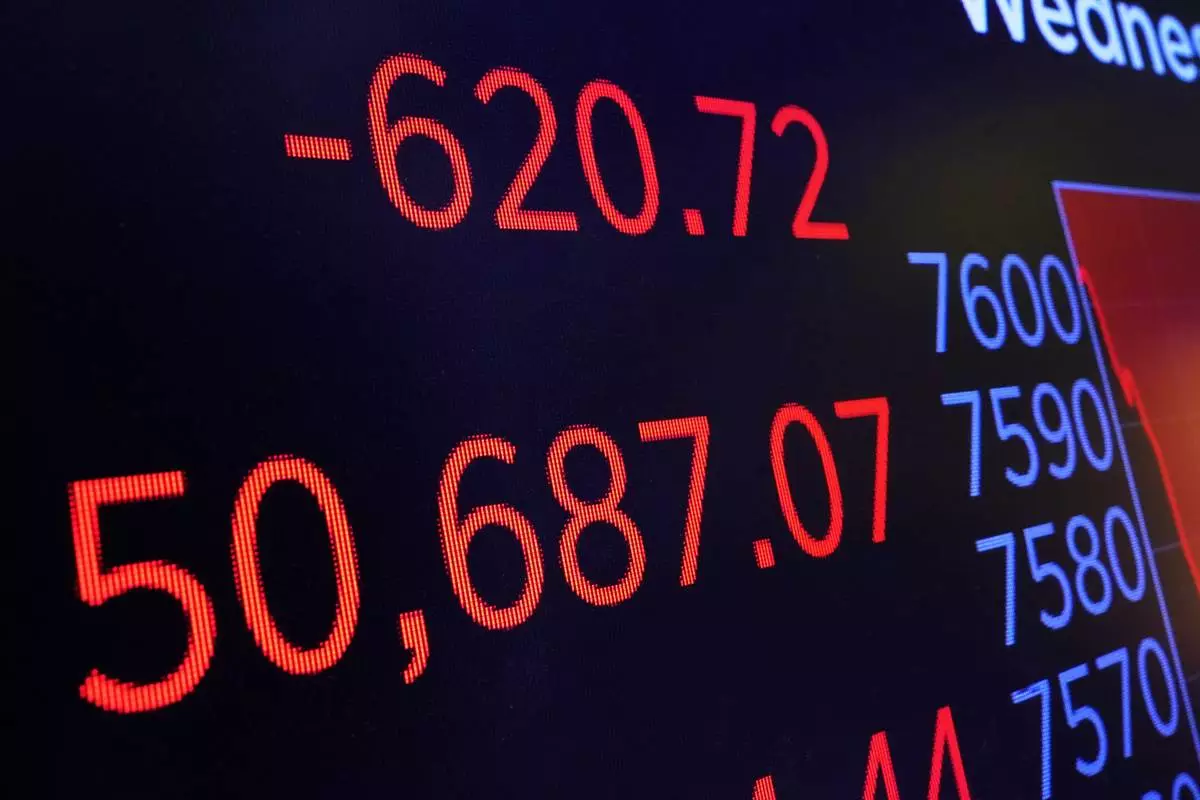
All told, the S&P 500 fell 200.57 points to 7,383.74 on Friday. The Dow dropped 695.15 points to 50,866.78, and the Nasdaq lost 1,121.53 points to close at 25,709.43.

Markets were mixed in Europe after markets in Asia fell.

AP Business Writers Chan Ho-him and Matt Ott contributed to this report.

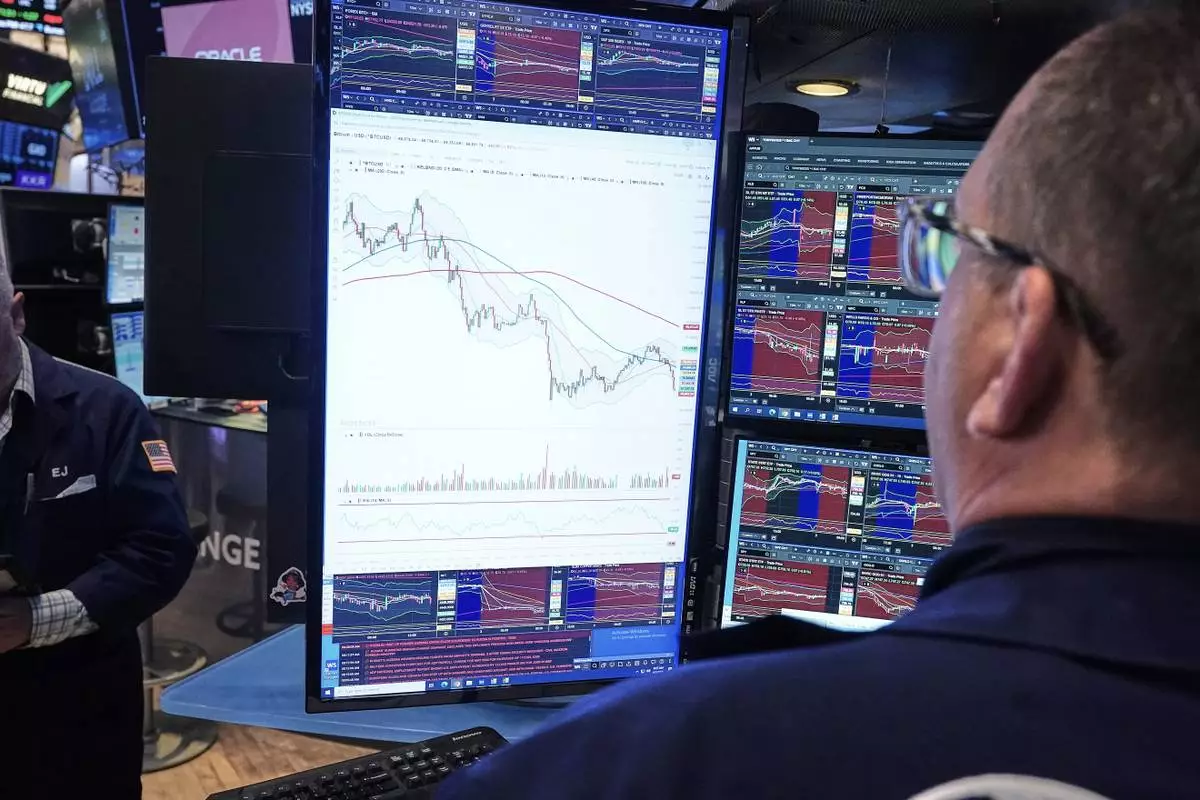
Specialist John McNierney, left, and trader William Lawrence work on the floor of the New York Stock Exchange, Wednesday, June 3, 2026. (AP Photo/Richard Drew)

Specialist John McNierney, left, and trader William Lawrence work on the floor of the New York Stock Exchange, Wednesday, June 3, 2026. (AP Photo/Richard Drew)

Specialist Anthony Matesic works at his post on the floor of the New York Stock Exchange, Wednesday, June 3, 2026. (AP Photo/Richard Drew)

Specialist Anthony Matesic works at his post on the floor of the New York Stock Exchange, Wednesday, June 3, 2026. (AP Photo/Richard Drew)

A trio of traders work on the floor of the New York Stock Exchange, Wednesday, June 3, 2026. (AP Photo/Richard Drew)

A trio of traders work on the floor of the New York Stock Exchange, Wednesday, June 3, 2026. (AP Photo/Richard Drew)

A board above the trading floor of the New York Stock Exchange displays the closing number for the Dow Jones industrial average, Wednesday, June 3, 2026. (AP Photo/Richard Drew)

A board above the trading floor of the New York Stock Exchange displays the closing number for the Dow Jones industrial average, Wednesday, June 3, 2026. (AP Photo/Richard Drew)

A board above the trading floor of the New York Stock Exchange displays the closing number for the Dow Jones industrial average, Wednesday, June 3, 2026. (AP Photo/Richard Drew)

A board above the trading floor of the New York Stock Exchange displays the closing number for the Dow Jones industrial average, Wednesday, June 3, 2026. (AP Photo/Richard Drew)

Currency traders pass by a screen showing the Korea Composite Stock Price Index (KOSPI) and the foreign exchange rate between U.S. dollar and South Korean won at the foreign exchange dealing room of the Hana Bank headquarters in Seoul, South Korea, Friday, June 5, 2026. (AP Photo/Ahn Young-joon)

Currency traders pass by a screen showing the Korea Composite Stock Price Index (KOSPI) and the foreign exchange rate between U.S. dollar and South Korean won at the foreign exchange dealing room of the Hana Bank headquarters in Seoul, South Korea, Friday, June 5, 2026. (AP Photo/Ahn Young-joon)

A screen shows South Korean companies's stock prices related to Nvidia CEO Jensen Huang, who is scheduled to visit South Korea at the foreign exchange dealing room of the Hana Bank headquarters in Seoul, South Korea, Friday, June 5, 2026. (AP Photo/Ahn Young-joon)

A screen shows South Korean companies's stock prices related to Nvidia CEO Jensen Huang, who is scheduled to visit South Korea at the foreign exchange dealing room of the Hana Bank headquarters in Seoul, South Korea, Friday, June 5, 2026. (AP Photo/Ahn Young-joon)

Currency traders watch monitors near a screen showing the Korea Composite Stock Price Index (KOSPI) and the foreign exchange rate between U.S. dollar and South Korean won at the foreign exchange dealing room of the Hana Bank headquarters in Seoul, South Korea, Friday, June 5, 2026. (AP Photo/Ahn Young-joon)

Currency traders watch monitors near a screen showing the Korea Composite Stock Price Index (KOSPI) and the foreign exchange rate between U.S. dollar and South Korean won at the foreign exchange dealing room of the Hana Bank headquarters in Seoul, South Korea, Friday, June 5, 2026. (AP Photo/Ahn Young-joon)

Recommended Articles