JUNEAU, Alaska (AP) — Two corporations bid on a handful of leases during the latest oil and gas lease sale in Alaska's Arctic National Wildlife Refuge on Friday, a showing critics described as tepid but one that further opens the door to possible development in the pristine region.
The Alaska Industrial Development and Export Authority, a state corporation that already has leases in the refuge's coastal plain, had the winning bid on three tracts and Hex Energy LLC on two, the U.S. Bureau of Land Management announced. The tracts cover about 72,000 acres. Nearly 690,000 acres had been offered. Winning bids totaled $3.7 million.
The federal agency's state director, Kevin Pendergast, said a “new era of active leasing and exploration is just beginning to unfold.”
While there is no active drilling underway, the Alaska Industrial Development and Export Authority’s board last month authorized additional spending for efforts including a seismic survey program aimed at locating oil formations, as well as lease purchases in this latest sale. A message seeking comment from Hex Energy was not immediately returned.
Opponents of drilling in the refuge's coastal plain have pointed to a lack of industry interest in the prior two sales held there and ongoing changes in Alaska’s arctic region due to climate change as proof the region should be off-limits to drilling. There is pending litigation over the leasing program, dating to President Donald Trump’s first term.
The Gwich'in consider the coastal plain sacred because the caribou herd they rely upon calve there. The Gwich'in people's reliance on the coastal plain “will be irreversibly damaged if it is disturbed,” Karlas Norman, first chief of the Venetie Village Council, said in a statement. "Even though we saw minimal bids, we will not rest until this sacred place is permanently protected for our children and for generations yet to come.”
But supporters of development see the coastal plain, which is roughly the size of Delaware, as a potential untapped resource that could boost U.S. oil production and generate new revenue and jobs. Voice of the Arctic Iñupiat, an advocacy group whose members include leaders from Alaska Native communities on the North Slope, hailed the sale a success.
A statement from the group said the sale represented "the culmination of decades of advocacy by North Slope Iñupiat leaders, in particular leaders from Kaktovik, for their right to self-determination on their homelands, including responsible exploration and development.” Kaktovik is the only community within the refuge.
“The Trump-Vance administration is doing the right thing by advancing policies, including those that permitted the sale, supported by our community," Kaktovik Mayor Nathan Gordon Jr. said in the statement.
The Trump administration has taken a keen interest in Alaska, and his tax and spending bill passed by Congress last year included provisions mandating lease sales in three regions of the state. In addition to the refuge's coastal plain, leases have also been offered in the National Petroleum Reserve-Alaska and in Cook Inlet, an aging basin that has provided natural gas for Alaska's most populous region for decades.
There were no takers in the Cook Inlet auction in March. But there were hundreds of bids, including from major oil companies, for what was the first sale since 2019 in the National Petroleum Reserve-Alaska — despite pending litigation challenging the leasing program. The Trump administration has moved to open more lands to drilling in the reserve and rolled back protections there. The petroleum reserve is where ConocoPhillips Alaska is developing the large Willow oil project.
On Alaska's vast, petroleum-rich North Slope, the major oil fields of Prudhoe Bay and Kuparuk lie between the National Petroleum Reserve-Alaska and the Arctic National Wildlife Refuge.
Bill Groffy, principal deputy director of the Bureau of Land Management, in an interview said Alaska has “some major resources.”
“The ability to go and utilize those resources is something the president wants us to look at, and the secretary wants us to looks at,” he said, referring to U.S. Interior Secretary Doug Burgum.
The arctic refuge's coastal plain could contain 4.25 billion to 11.8 billion barrels of recoverable oil, according to U.S. Geological Survey estimates, but there is limited information about the amount and quality of oil.
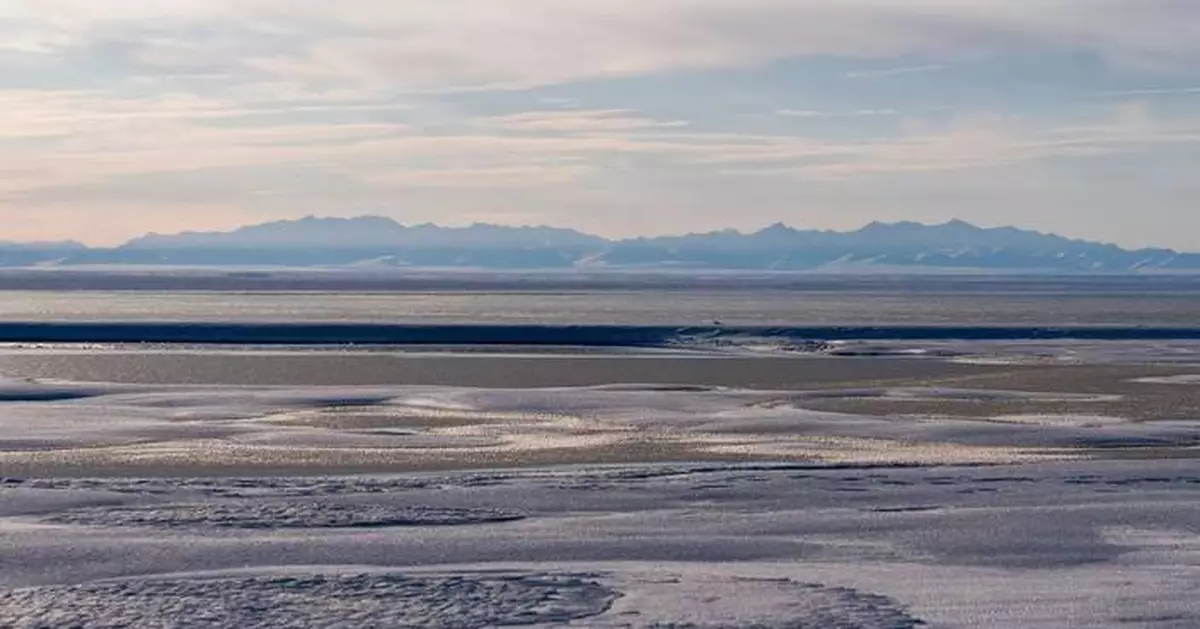
The coastal plain, bordering the Beaufort Sea in northeast Alaska, features rolling hills and tundra and provides habitat for wildlife including musk oxen and migratory birds.
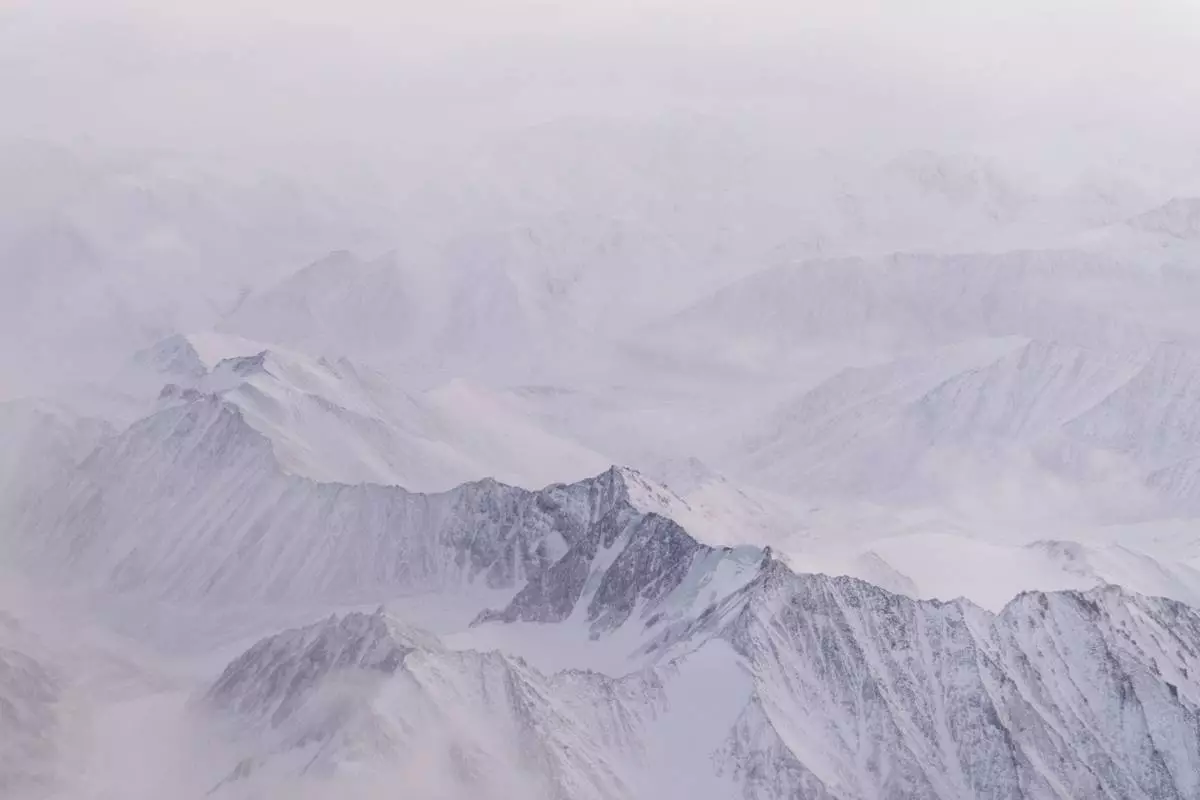
FILE - Snow covers the mountains of the Brooks Range in the Arctic National Wildlife Refuge, Oct. 14, 2024, near Kaktovik, Alaska. (AP Photo/Lindsey Wasson, File)
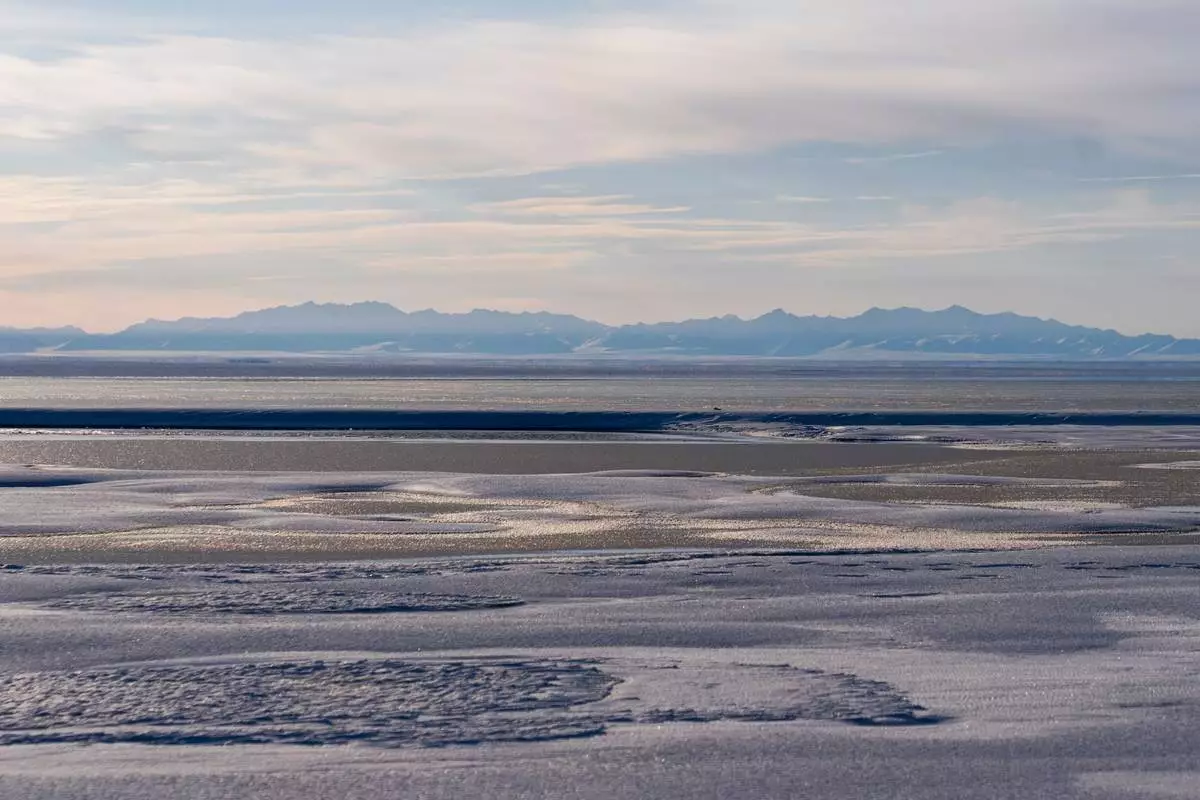
FILE - The Kaktovik Lagoon and the Brooks Range mountains of the Arctic National Wildlife Refuge are seen in Kaktovik, Alaska, Oct. 15, 2024. (AP Photo/Lindsey Wasson, File)