Russia reported on Saturday that its forces have taken control of the settlement of Shevchenko in eastern Ukraine's Kharkov region, while Ukraine on the same day claimed strikes against multiple Russian targets.
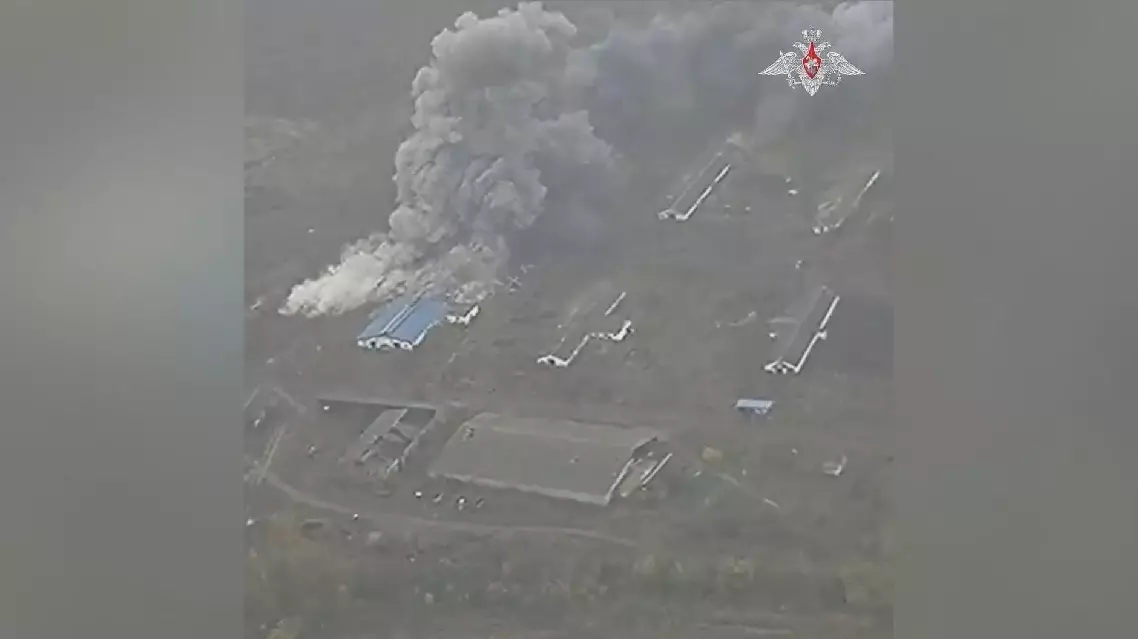
The Russian Ministry of Defense said in its daily report that its troops gained control of Ukraine's settlement of Shevchenko and struck 153 areas across Ukraine, targeting facilities for the production, storage, and sites for launching long-range drones, fuel, transport and port infrastructure used by Ukrainian forces, and temporary deployment points of the Ukrainian armed forces and foreign mercenaries.
Also according to the ministry, Russia's air defense systems shot down or destroyed 13 guided aerial bombs, four HIMARS rockets, and 911 fixed-wing drones.
Russian air defense forces downed 339 Ukrainian fixed-wing unmanned aerial vehicles (UAVs) over a 13-hour period, the Russian Defense Ministry said in a statement on Saturday.
The drones were shot down over more than a dozen regions including the Moscow region, as well as over the waters of the Black Sea, it added.
On the same day, the General Staff of the Armed Forces of Ukraine said that Ukrainian forces had struck targets including Russian troop concentration areas, drone control points, and artillery systems.
Also on Saturday, Ukrainian President Volodymyr Zelensky said that Ukrainian drones had reached Russia's St. Petersburg, striking a Russian naval arsenal and the military base in Kronstadt. In addition, Ukrainian drones hit an oil storage facility in southern Russia's Krasnodar region.
He said that Ukrainian forces had carried out drone strikes on multiple locations inside Russia, targeting arsenals, military bases, and oil storage facilities.
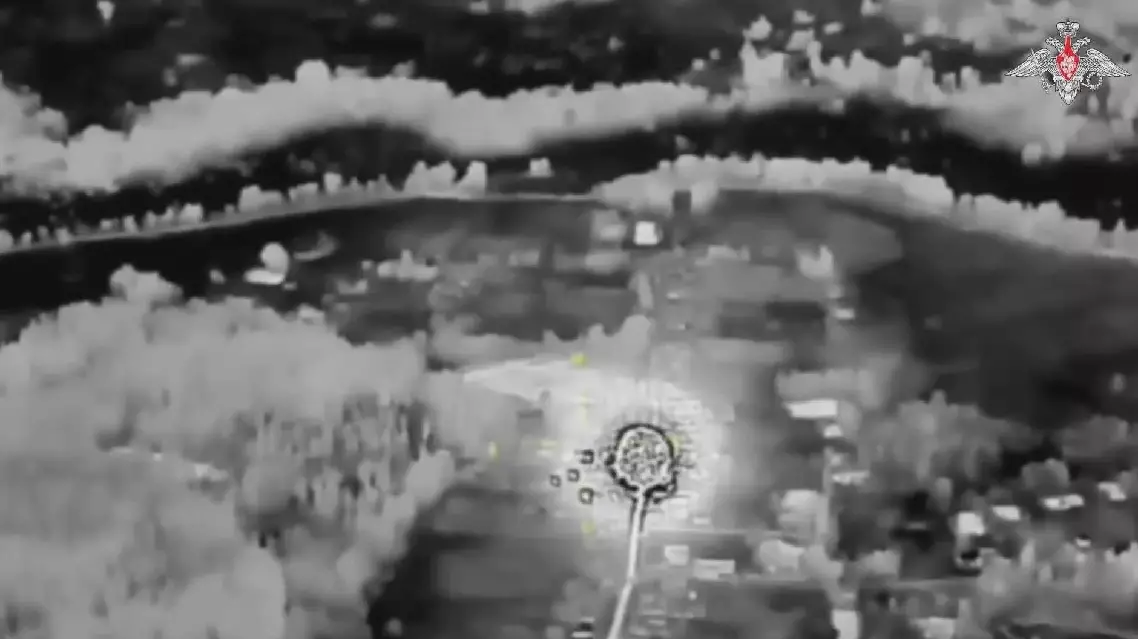
Russia claims taking control of Ukrainian settlement, Ukraine reports striking multiple Russian targets
Russia said Sunday that its forces had hit Ukrainian military facilities, while Ukraine said on the same day that it shot down or neutralized 152 Russian drones and launched an attack on a Russian oil terminal.
In a daily report, the Russian Defense Ministry said that over the past 24 hours, the Russian forces struck Ukrainian transport infrastructure, depots for military-technical supplies, and facilities for drone assembly, storage and launch.
The ministry also said that the Russian forces conducted a precision strike on a large dry-cargo ship and destroyed an enemy uncrewed vessel in the Black Sea.
Meanwhile, St. Petersburg Governor Alexander Beglov said the city had been hit by a large-scale drone attack, leaving one person dead and five others injured.
The Ukrainian Air Force said it had shot down or neutralized 152 Russian drones between 18:00 Saturday and 08:00 Sunday. Ukrainian defense firm Fire Point also reported that Ukrainian forces had used drones to strike an oil terminal, an oil depot and a data center in St. Petersburg. Fires broke out at the oil depot and the terminal, while the data center sustained severe damage.
Meanwhile, Ukrainian President Volodymyr Zelenskyy said Russian forces had attacked electrical substations in several regions, including Vinnytsia and Zhytomyr, on Saturday night.
Zelenskyy also said he held a phone call with U.S. special envoys Steve Witkoff and Jared Kushner to discuss the outcomes of a meeting between Ukrainian and U.S. representatives held on Oct. 9 in Florida, as well as next steps.
He said the two sides had also discussed the possible provision of Patriot air defense systems to Ukraine. Zelenskyy added that the Russia-Ukraine conflict must end, emphasizing that the U.S. position is crucial to the process.
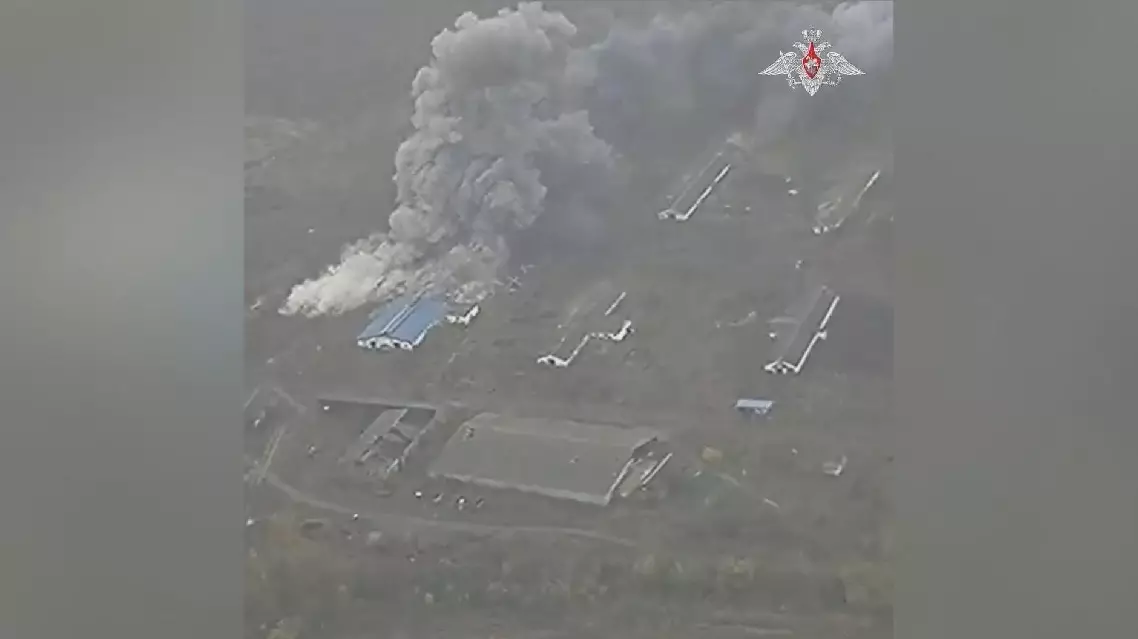
Russia reports strikes on Ukrainian facilities, Ukraine says it hit Russian oil terminal
Russia reports strikes on Ukrainian facilities, Ukraine says it hit Russian oil terminal