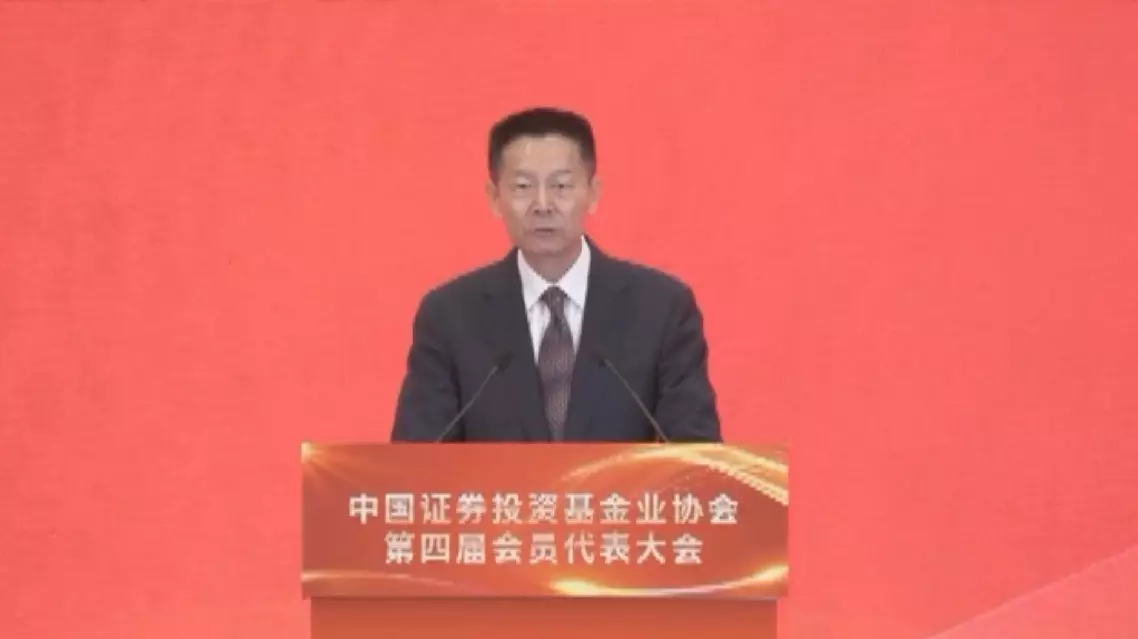
China Securities Regulatory Commission's (CSRC) chairman Wu Qing vowed to further improve the supervision of program trading on Saturday, as China's public funds are shifting focus from scale expansion to delivering better returns for investors.
Addressing the third council meeting of the Asset Management Association of China (AMAC), Wu noted that the fund industry is playing a vital role in supporting a multi-tiered capital market, helping investors manage their assets, and driving the growth of the real economy.
According to the latest AMAC data, the total assets managed by the fund industry reached 85.29 trillion yuan as of the end of April. This includes 39.36 trillion yuan in public funds, 7.85 trillion yuan in private securities funds, 15.33 trillion yuan in private equity and venture capital funds, 12.85 trillion yuan in private asset management business, and 2.39 trillion yuan in asset-backed securities.
"Public funds are continuously adjusting their development philosophy. They are strengthening governance standards, reinforcing the alignment of interests with investors, and implementing reforms such as lowering overall fee rates, standardizing performance benchmarks, and optimizing performance evaluations. It is undergoing a major shift from a focus on scale to a focus on returns," Wu said.
In the private fund sector, more than 20,000 institutions have been phased out. Over the past five years, private equity and venture capital funds have provided 5.25 trillion yuan in innovation capital to unlisted companies, an amount equal to 90 percent of domestic equity financing during the same period.
On program trading, Wu said that regulators have already introduced a series of rules, including transaction reporting requirements, enhanced monitoring systems and stricter oversight of abnormal trading.
"We will conduct further in-depth research and continue to improve the institutional arrangements for program trading regulation. We will place greater emphasis on fairness and standardization, strengthen targeted supervision, effectively prevent the abuse of technological advantages, and resolutely crack down on illegal activities such as market manipulation and disruption of market order," he said.
China securities regulator calls for fairer program trading as public funds focus more on return
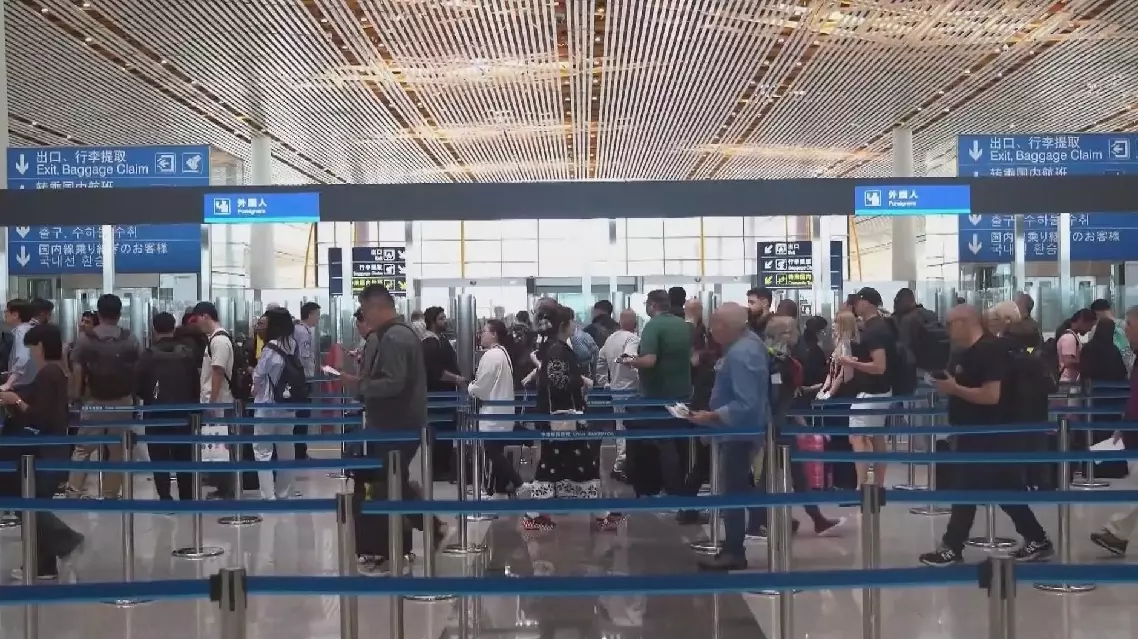
China’s summer tourism boom is drawing overseas visitors in record numbers, with travelers flocking to provinces from Xizang’s glacier landscapes to Shaanxi’s Terracotta Warriors and Dunhuang’s desert heritage.
In the first half of 2026, more than 22 million foreign nationals entered China, up 20.4 percent year on year, with about three-quarters of them benefiting from visa-free policies.
European nations have emerged as a major source of travelers, accounting for 30 percent of the top 20 international source countries. Travel bookings from Europe surged 275 percent compared with the same period last year. Western European countries, including Britain, France and Germany, make up nearly 42 percent of European arrivals, with bookings from these markets rising by almost 150 percent year on year.
During a recent field visit, ambassadors to China highlighted the country’s summer tourism boom, sharing firsthand impressions of diverse provinces and the hospitality that is drawing more overseas visitors.
"I would encourage visitors to visit as many provinces as they can to get to know different aspects of China. But if I may say so, one thing that all the provinces that I have visited have in common is the hospitality," said Koula Sophianou, Ambassador of the Republic of Cyprus to China.
"Every province is totally different from another one. I believe that all tourists can find places that they are interested in. From the beautiful landscapes, for example, in Xizang, that region that is very famous for its glaciers, to the seaside. For the tourists that are more interested in Chinese history and culture, Shaanxi Province and Xi'an [are home to the] Terracotta Warriors. And there is also beautiful Dunhuang in the northern part of China," said Maja Stefanovic, Ambassador of the Republic of Serbia to China.
Beyond scenic attractions, Shenzhen’s Huaqiang Electronics World — one of the world’s largest electronics trading hubs — is drawing a rising number of overseas tourists seeking anti‑heat products. Merchants are rolling out customized items to meet the needs of buyers from different countries.
"These fans can spray mist and deliver extra cooling. This one comes with an ice-making function. Foreign buyers usually pick up 10 to 20 pieces. Some are for personal use, and the rest as gifts for friends," said merchant Chen Shuiping.
China’s summer tourism boom draws record overseas visitors