Movie fans have voiced high expectation for the 28th Shanghai International Film Festival, which will run from June 12 to 21 and stage over 400 selected movies.
This year's film festival will span 47 cinemas across Shanghai and five cities in the Yangtze River Delta, staging over 420 films in more than 1,500 screenings.
A total of 250,000 tickets were sold online just 15 minutes after sales began, with three hottest sections covering 4K restoration, global award-winning films, and Asian masterpieces.
"I've been watching for 20 years. To truly enjoy a film, you should watch it at a film festival," said movie fan Xia Zuxiang.
"I planned to buy around 20 sessions and I've managed to get them all," said Wang Chenwei, another festival attendee.
In addition to popular screening sections, this year's event has also specially arranged a domestic film section, which features 15 classic and emerging Chinese films that showcase China's geographical features and cultural diversity.
"This year, we have specially planned a film festival section called 'Grand Landscape: A Cinematic Portrait of China', which is divided into three sections to showcase aspirations for, feelings for and beauty of our landscape. The section will use 15 diverse domestic films to celebrate the 105th anniversary of the founding of the Communist Party of China," said Chen Guo, managing director of Shanghai International Film and TV Events Center.
This year's film festival will also stage a special exhibition showcasing more than 500 precious artifacts to display the development of the Shanghai International Film Festival and the Shanghai TV Festival over the past decades.
In addition, cultural and creative pop-up stores have geared up for partnerships with the festival and are expected to launch nearly 60 related products during the event.
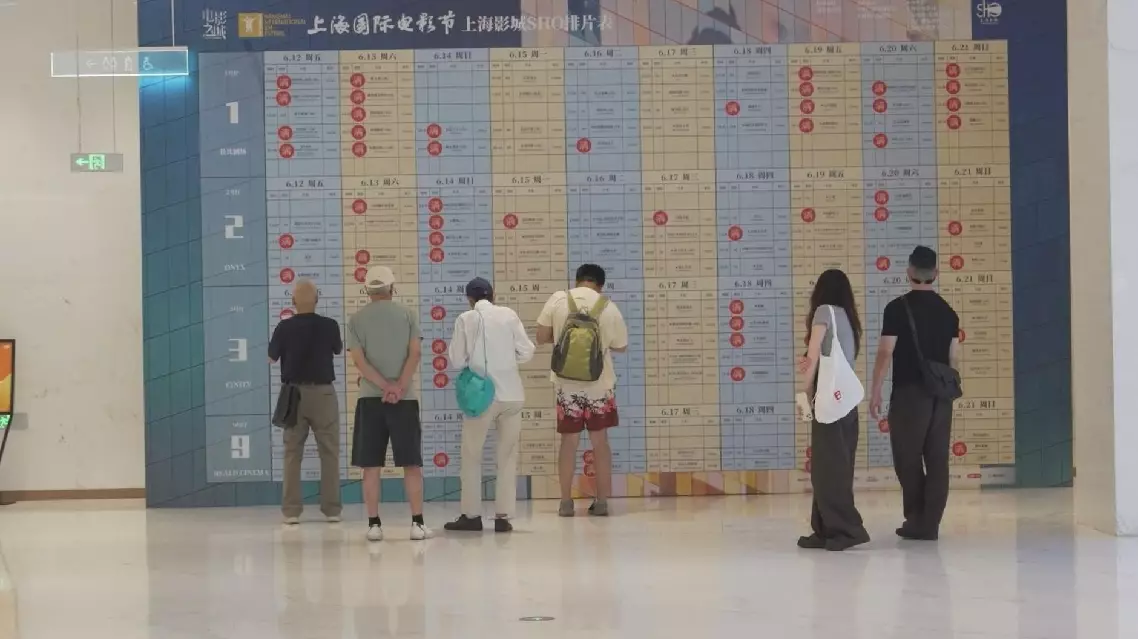
Moviegoers express great anticipation for upcoming Shanghai International Film Festival
In the first half of this year, the vitality of business entities in China and the high-end development of the industrial structure have been further improved, delivering solid achievements in high-quality development, an official with the State Taxation Administration (STA) said on Tuesday.
Hu Jinglin, the STA commissioner, told a press conference that the number of tax-paying business entities has increased during the period. "Tax data showed that the vitality of business entities in China has further improved from January to June. The number of active tax-paying business entities that are operating normally in China rose 20.2 percent year on year and the number of tax declaration companies gained 10 percent year on year," said Hu.
Hu noted that high-tech and digital economy industries saw a surge in sales revenue during the same period.
"The high-end development of the industrial structure has been further advanced. The sales revenue of high-tech industries and core digital economy industries increased 15 percent and 8.7 percent year on year, respectively. And their share of the total enterprise sales revenue expanded 1.7 percentage points and 1.1 percentage points year on year, respectively. At the same time, the profits of high-tech manufacturing enterprises and digital product service enterprises surged 29.2 percent and 64.4 percent year on year, respectively," said the official.
China's foreign investment inflows and foreign trade exports continued to demonstrate strong resilience in the six months, Hu added.
"The stability of [China's] opening up to the world has been further enhanced. The number of foreign-funded tax-paying entities rose 10.9 percent year on year. The total profit declared by foreign-funded enterprises increased 4.5 percent year on year. The number of export tax rebates processed by the tax authorities for enterprises gained 7.7 percent year on year. These figures indicate that China's introduction of foreign investment and foreign trade exports continue to maintain strong resilience," he said.
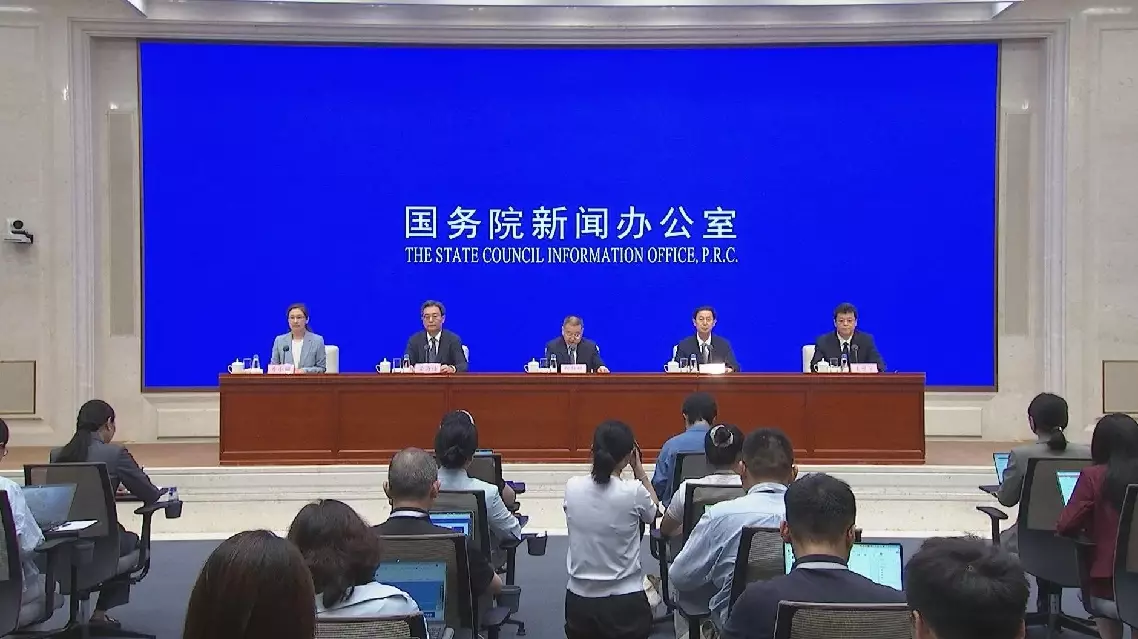
China's business vitality further enhanced in H1