SANTOS, Brazil (AP) — As the FIFA World Cup approaches, the image of one of Brazil's most recognizable footballers lives on in Santos, the one-time home of Edson Arantes do Nascimento, far better known as Pelé.
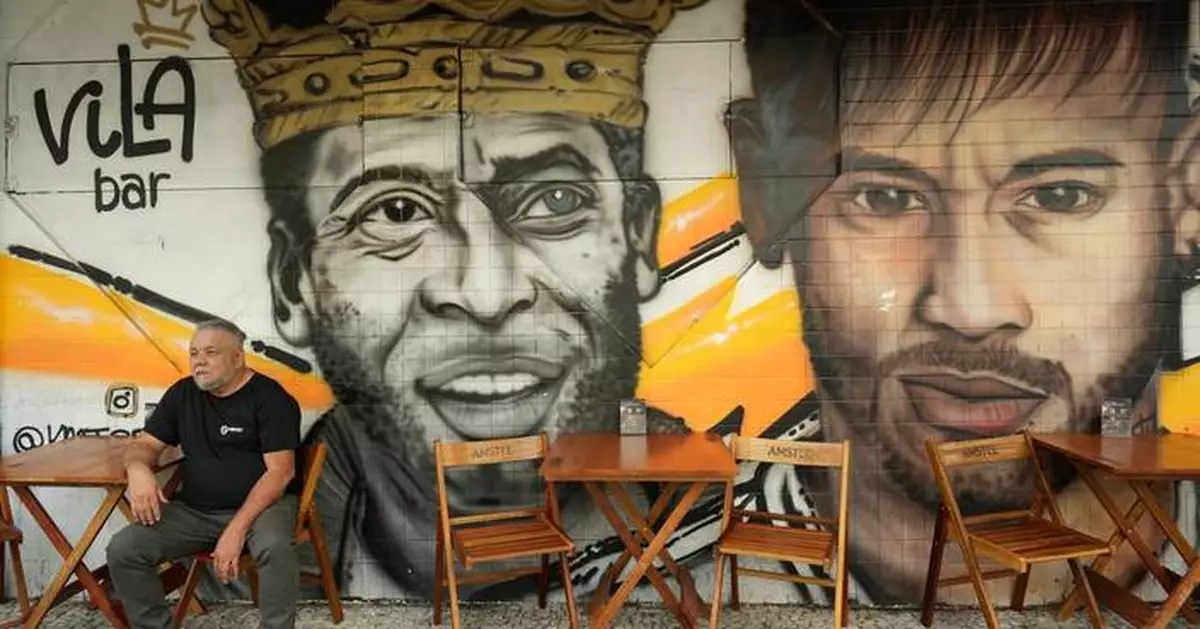
Tourists like Mario Álvarez Gamiño, a 67-year-old retired salesperson from Mexico, flock to Santos to see anything that connects the Brazilian port city to the man. The soccer legend's legacy is everywhere — in vibrant murals by street artist Eduardo Kobra, among the memorabilia of his beloved club and even on posters glued to local lampposts.
Click to Gallery
People visit the Pele Museum in Santos, Brazil, Thursday, May 28, 2026. (AP Photo/Andre Penner)
Children visit the Pele Museum in Santos, Brazil, Thursday, May 28, 2026. (AP Photo/Andre Penner)
Santos fans walk past a mural of late football legend Pele, right, and Neymar outside Vila Belmiro Stadium in Santos, Brazil, Thursday, May 28, 2026. (AP Photo/Andre Penner)
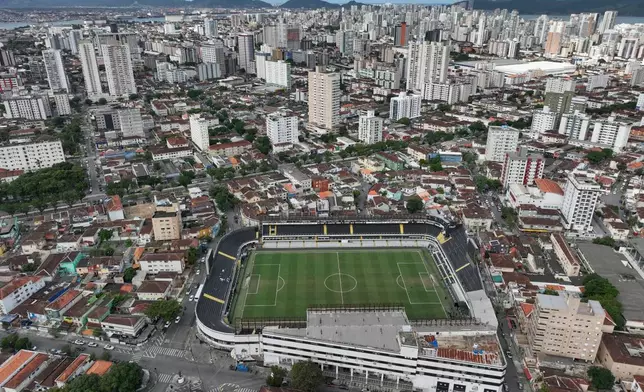
Santos' Vila Belmiro stadium sits in Santos, Brazil, Thursday, May 28, 2026. (AP Photo/Andre Penner)
A man sits in front of a mural of late football legend Pele and Neymar at a restaurant in Santos, Brazil, Thursday, May 28, 2026. (AP Photo/Andre Penner)
“His legacy is fundamental. His life will always be an example to follow,” Álvarez said. “At the moment we have Cristiano Ronaldo ... but he lacks something that Pelé had, which is humility. ... He was really a genius.”
Pelé, who died in 2022 at age 82, played at Santos Futebol Clube for most of his career, from 1956 to 1974. He also played for Brazil's team in the World Cup — including three wins in 1958, 1962 and 1970.
Santos is also home to the Pelé Museum, where fans can learn more about Pelé's life and see various memorabilia, including jerseys and trophies.
“When you tell a foreigner you’re from Santos, the first thing they say is ‘Pelé’. That’s why we at the museum have a great responsibility: to carry the name of Pelé and the city of Santos,” said museum director Paulo Monteiro. "After his death, we now have a greater and more difficult mission, which is to keep his legacy active and alive.”
Many of the more than 400,000 residents of Santos never had the chance to see Pelé in action, but they want the legacy to live on.
Among them is bar owner Anderson Albino.
“As local business owners, we see how much international media comes here and how that draws huge numbers of visitors,” Albino said. “For those of us from the city, it’s a privilege that Pelé played for Santos.”
Savarese reported from Sao Paulo.
AP World Cup: https://apnews.com/hub/fifa-world-cup

People visit the Pele Museum in Santos, Brazil, Thursday, May 28, 2026. (AP Photo/Andre Penner)

Children visit the Pele Museum in Santos, Brazil, Thursday, May 28, 2026. (AP Photo/Andre Penner)

Santos fans walk past a mural of late football legend Pele, right, and Neymar outside Vila Belmiro Stadium in Santos, Brazil, Thursday, May 28, 2026. (AP Photo/Andre Penner)
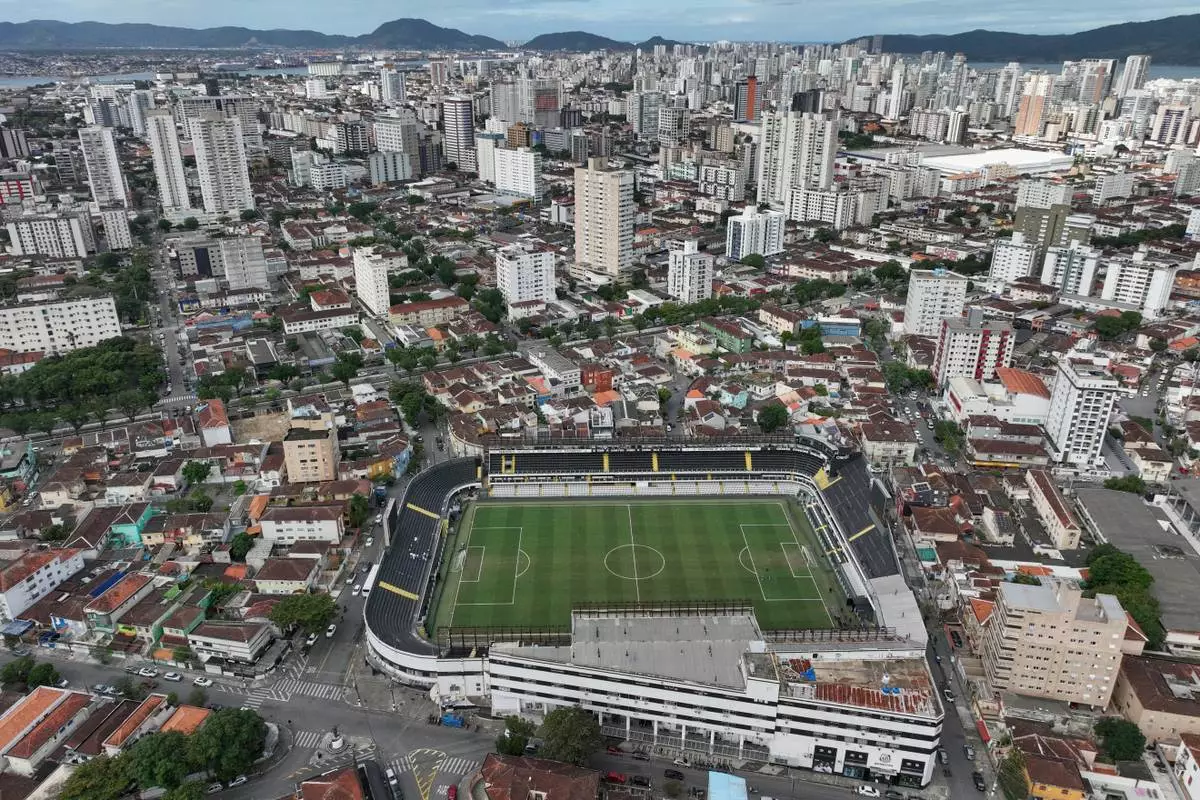
Santos' Vila Belmiro stadium sits in Santos, Brazil, Thursday, May 28, 2026. (AP Photo/Andre Penner)
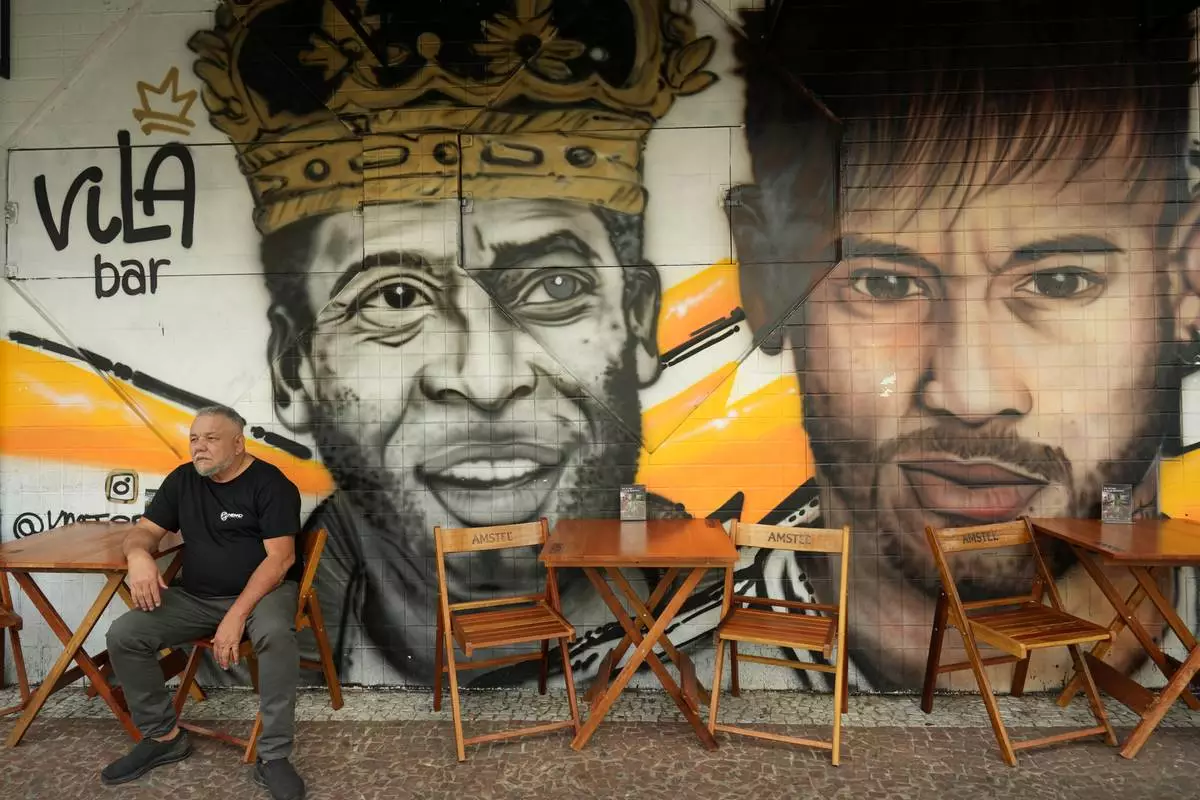
A man sits in front of a mural of late football legend Pele and Neymar at a restaurant in Santos, Brazil, Thursday, May 28, 2026. (AP Photo/Andre Penner)
WASHINGTON (AP) — Iran has launched multiple ballistic missiles at American forces in the Middle East, shattering a brief pause in fighting as mediators tried to get both sides back to negotiations, the U.S. military said on Tuesday.
All Iranian missiles were successfully intercepted, U.S. Central Command said on social media, adding that U.S. forces “remain vigilant and at a high state of readiness.”
THIS IS A BREAKING NEWS UPDATE. AP’s earlier story follows below.
CAIRO (AP) — Saudi Arabia said Tuesday that it shot down drones fired by Iran-backed militias in Iraq for a second day, while Iran-backed Houthi rebels in Yemen claimed to have forced a Saudi oil tanker to turn around as part of their self-styled blockade of the kingdom.
The attacks underscored lingering tensions despite a period of calm between the United States and Iran, neither of which has announced attacks for days following weeks of escalation over the Strait of Hormuz.
The Saudi Defense Ministry said in a statement that air defenses intercepted and destroyed several drones that had attempted to target petroleum facilities in the nation's eastern region. It said the attacks were “once again launched from Iraqi territory and carried out by Iran-affiliated terrorist militias.”
Iraqi Prime Minister Ali al-Zaidi ordered security agencies to investigate after the Saudis alleged a similar attack on Monday. The Iraqi military said in a statement that Iraq is committed to “preventing Iraqi territory from being used as a route or launching point for any attack targeting brotherly or friendly countries.”
The Iraqi militias have denied any role in the drone attacks. The Islamic Resistance in Iraq, an umbrella group of Iran-backed armed groups, called the Saudi claims “fabrications" and implied that Monday's attacks were carried out by the Houthis, who had themselves claimed to have attacked Saudi oil facilities.
Meanwhile, the Houthis claim to have fired missiles at the Saudi oil tanker NCC Ghazal, forcing it to turn back. Last week, they announced a blockade of Saudi shipping, putting another key Middle Eastern waterway — through the Bab el-Mandeb strait leading to the Red Sea — at risk.
The United Kingdom Maritime Trade Operations Center said a tanker reported hearing explosions while traveling in the southern Red Sea. It did not name the tanker but said the crew and vessel were safe.
The rebels fired on at least one Saudi tanker in the Red Sea last week.
Iran and the U.S. paused their fighting over the weekend, though tensions remain high even as officials said mediators achieved progress in getting the two sides back to negotiations.
Iran said Tuesday that U.S. strikes during an earlier period of escalation destroyed an airport and a marine control tower, and caused damage to 12 bridges and two tunnels, among other infrastructure.
The U.S. military said at the time that it had struck numerous military targets in response to Iranian attacks on ships in the Strait of Hormuz. Iran retaliated with missile and drone attacks on Arab countries hosting U.S. forces.
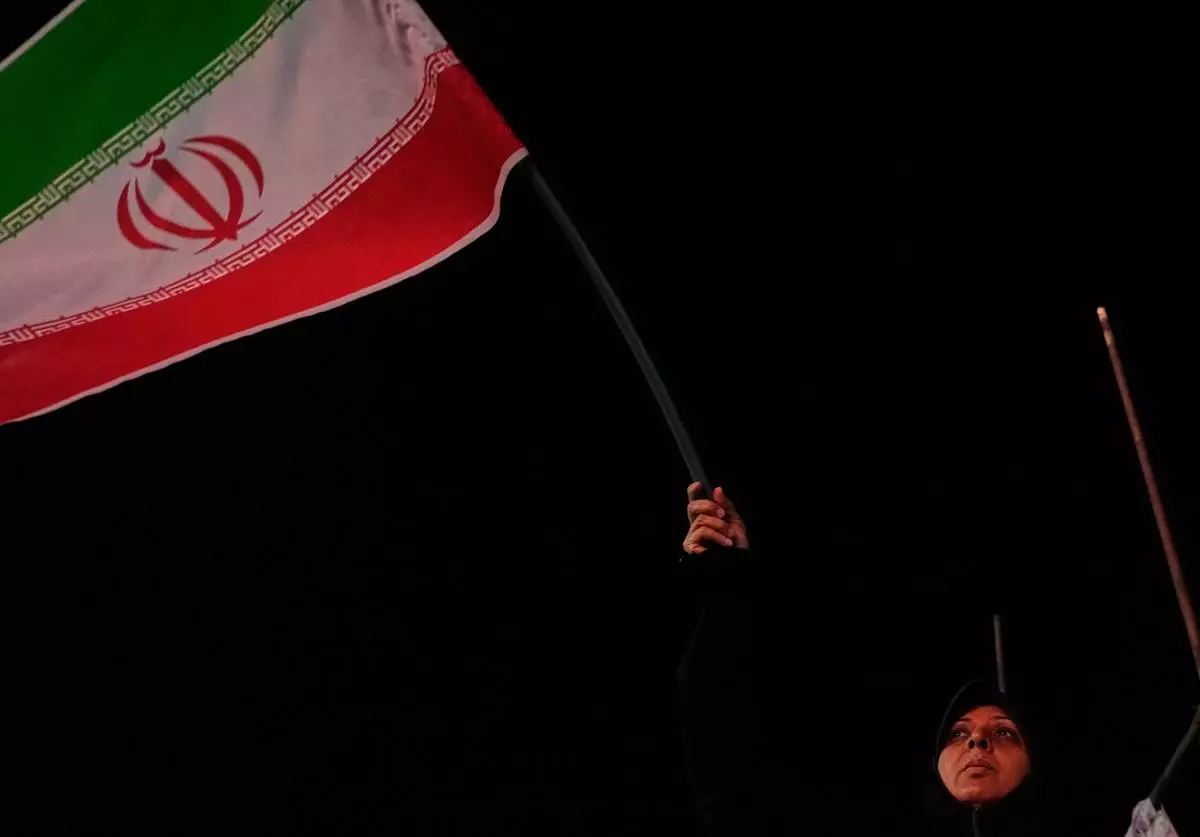
An Iranian pro-government demonstrator waves her country's flag in a gathering at a square in Tehran, Iran, Tuesday, July 28, 2026. (AP Photo/Vahid Salemi)
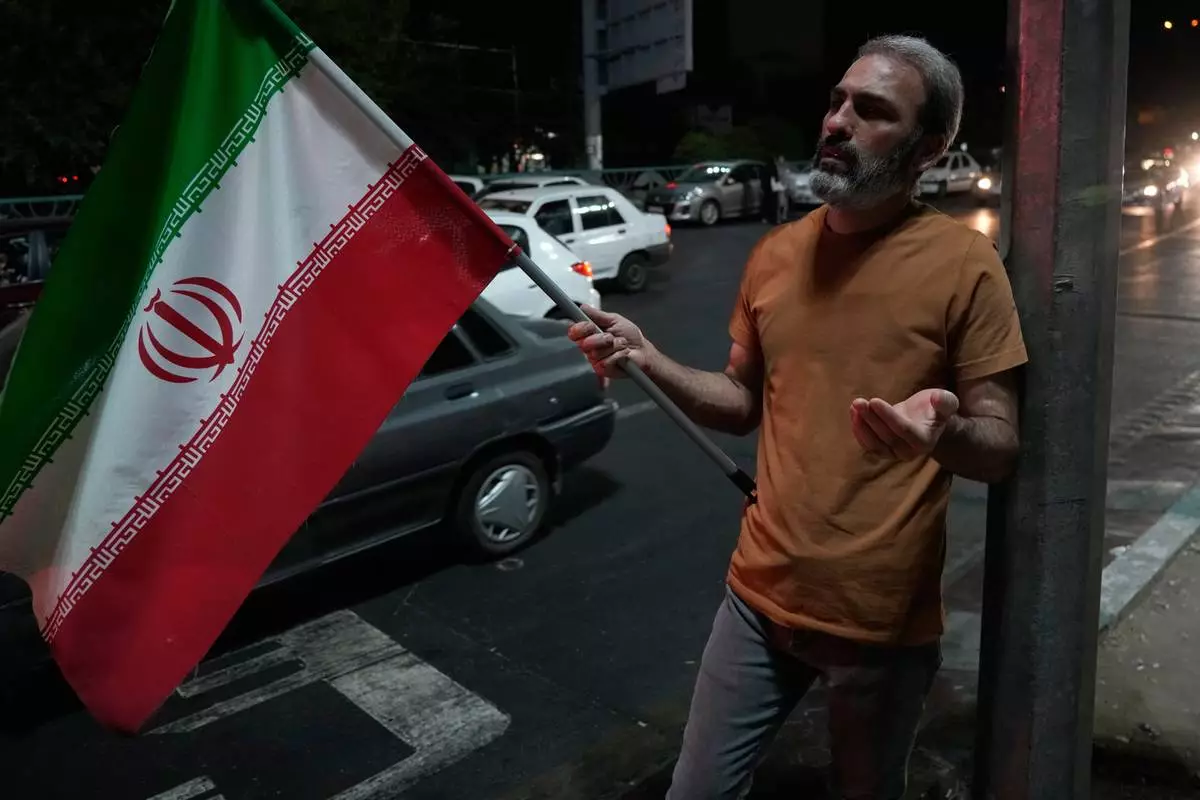
A demonstrator prays as he holds an Iranian flag in a pro-government gathering at a square in Tehran, Iran, Tuesday, July 28, 2026. (AP Photo/Vahid Salemi)
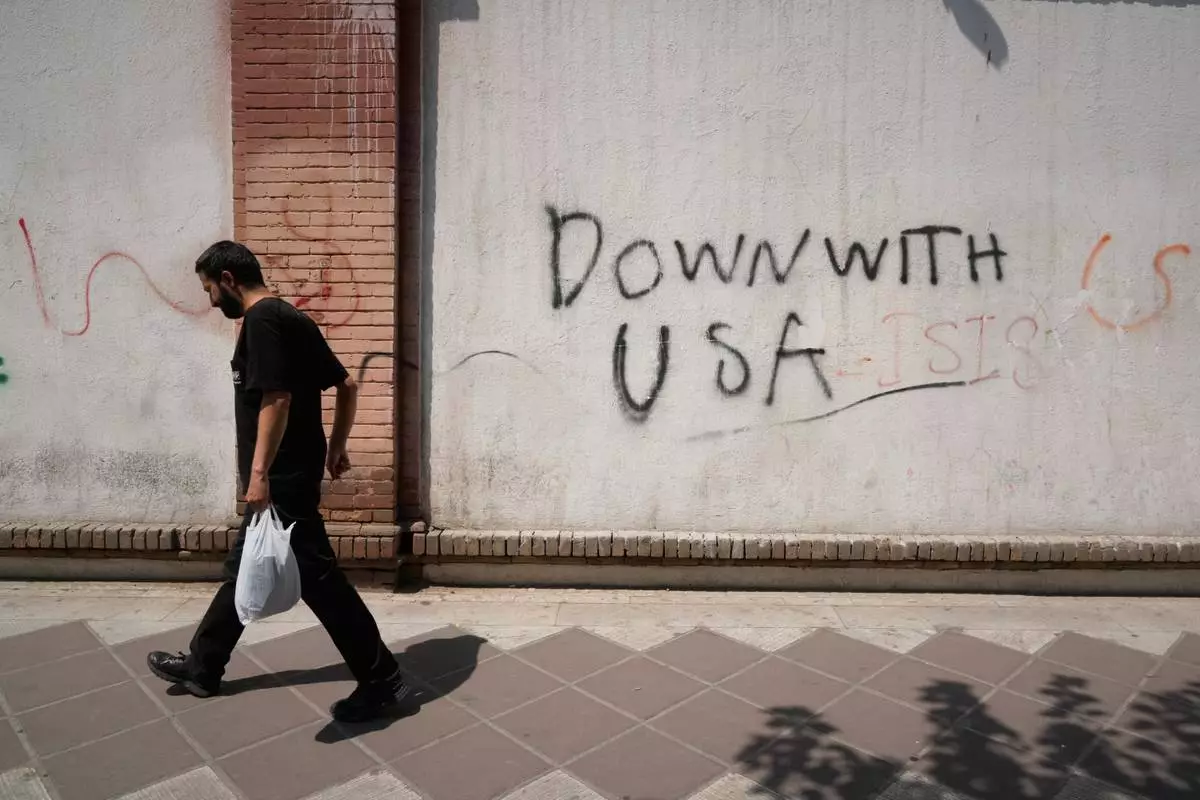
A man walks past anti-U.S. graffiti on the wall of the British Embassy in Tehran, Iran, Monday, July 27, 2026. (AP Photo/Vahid Salemi)
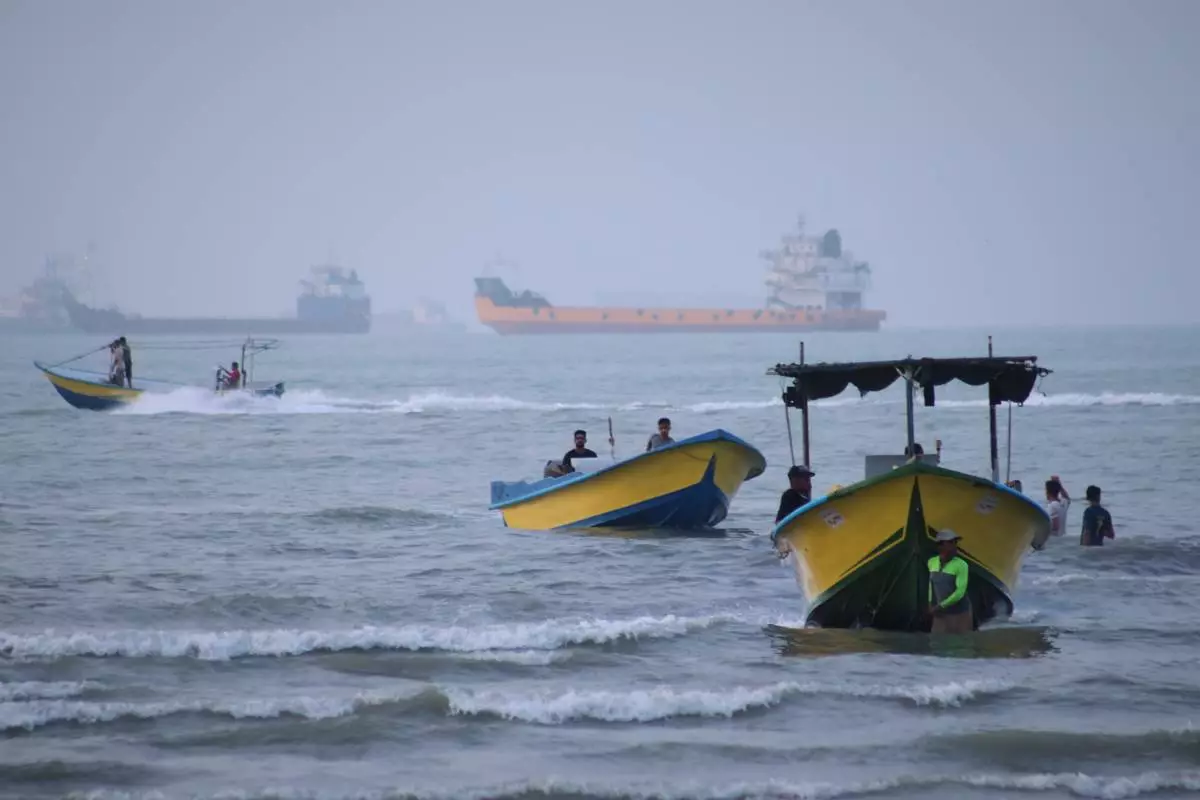
Small boats line the shore as cargo ships and other commercial vessels appear anchored in the Strait of Hormuz off Bandar Abbas, Iran, Monday, July 27, 2026. (Razieh Poudat/ISNA via AP)
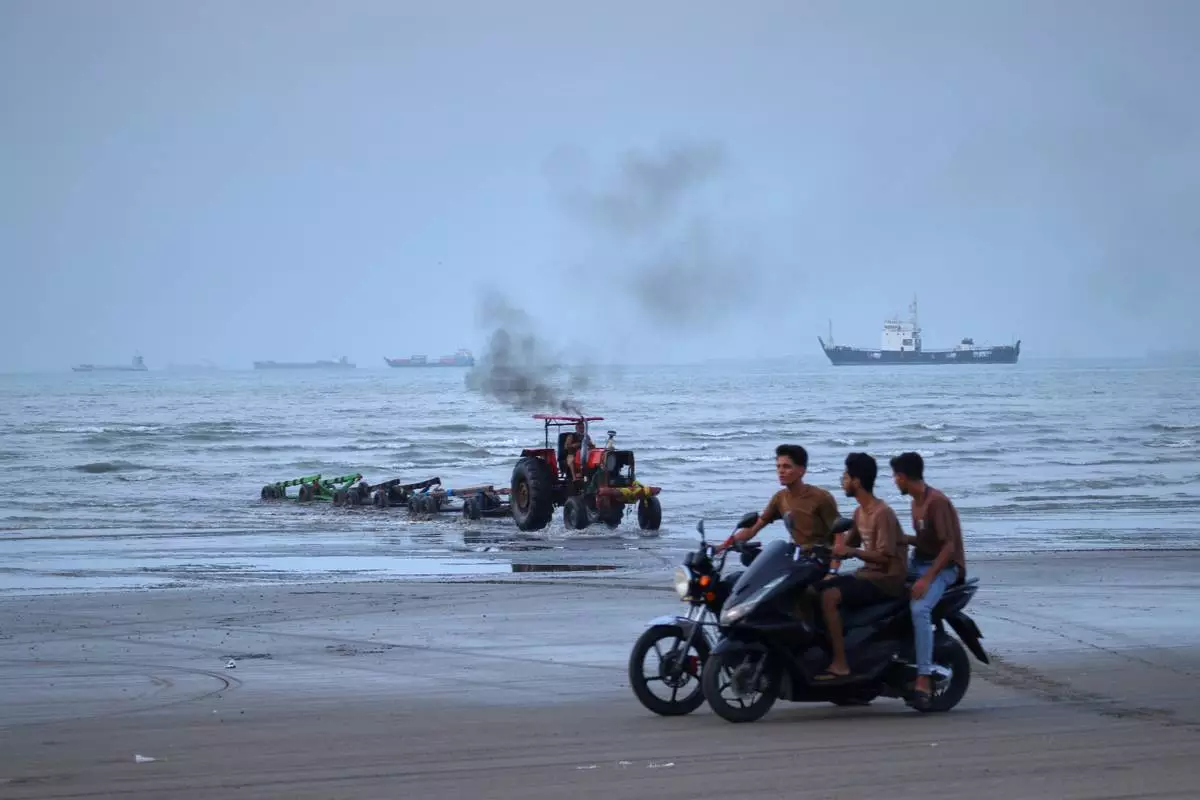
Young men ride motorcycles along the shore as a tractor pulls equipment from the water and commercial vessels appear anchored in the Strait of Hormuz off Bandar Abbas, Iran, Monday, July 27, 2026. (Razieh Poudat/ISNA via AP)