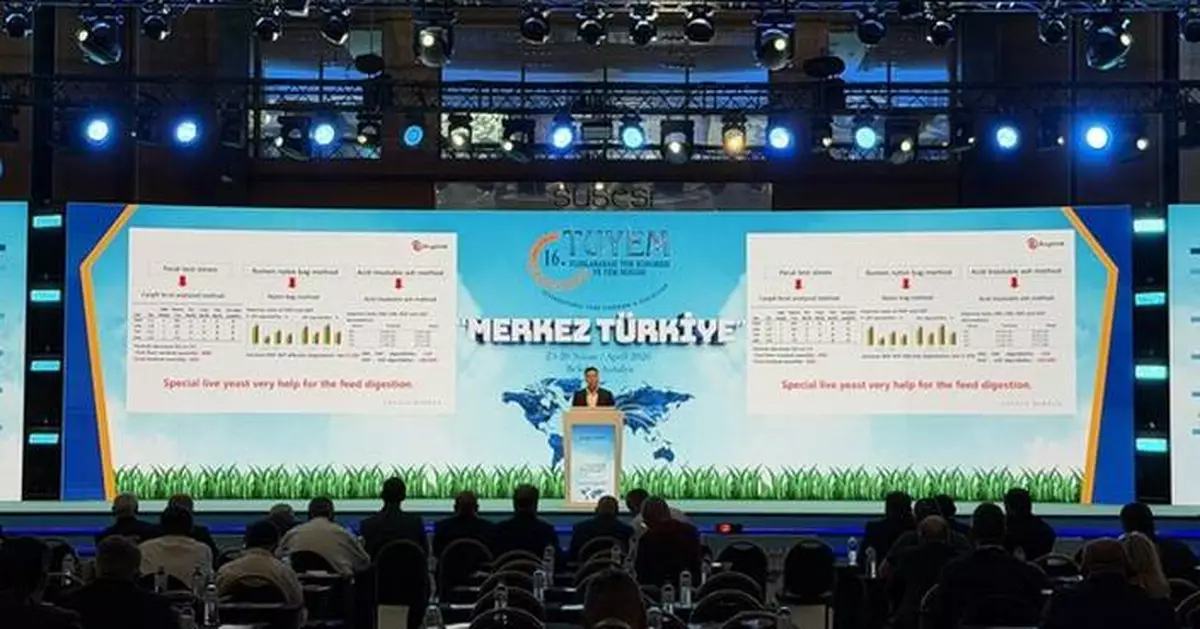
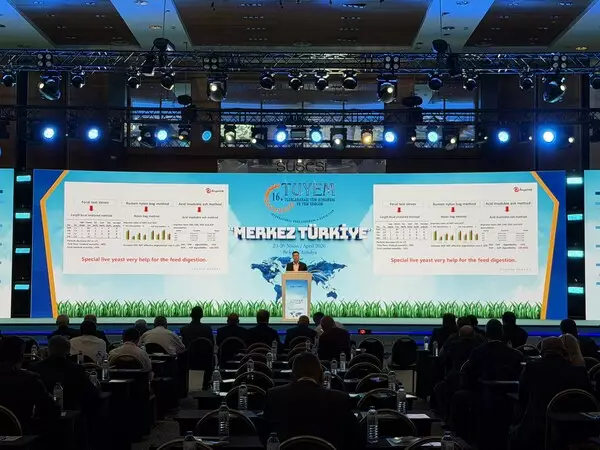
SHANGHAI, June 8, 2026 /PRNewswire/ -- Angel Yeast (SH600298), one of the world's leading yeast manufacturers, recently presented its latest research and product developments at the 16th International Feed Congress and Exhibition (TUYEM), with its contributions also highlighted in INFOVET magazine. Dr. George Gong, a technical expert at the company, delivered a keynote address titled "Yeast Postbiotic and Yeast Peptides Nutrition in Ruminants," sharing insights into the role of yeast technologies in animal nutrition.
Organized by the Turkish Feed Industrialists Association (Türkiyem-Bir), TUYEM is the largest feed industry event in Turkey. This year's congress brought together industry leaders, researchers, and professionals from across feed materials, additives, and technologies to discuss the future of feed production, raw material supply, and sustainable practices. Angel Yeast's featured coverage in the congress publication highlighted the potential of yeast-based technologies to improve production efficiency amid feed cost pressures and supply chain challenges facing the industry.
The global feed industry continues to face significant challenges. In both Turkey and China, feed producers are under mounting pressure from strong demand for raw materials and persistently high costs. With more than 40 years of experience in yeast technology, Angel Yeast has focused on developing yeast-based solutions to support animal nutrition and feed efficiency. In ruminant nutrition, live yeast is widely used to regulate rumen microbial flora, stabilize rumen pH, and improve the digestibility of fiber and starch. More than 100 studies conducted by Angel Yeast show that using its yeast products can increase average daily gain in beef cattle by approximately 10% to 20%, and boost milk yield in dairy cows by about 5% to 10% — equivalent to an extra 1 to 2 liters per cow per day. These gains allow farmers to achieve higher production efficiency with less feed input, helping ease the pressure of rising raw material costs.
Given the widespread use of pelleted feed in the Turkish market, where the high-temperature, high-humidity pelleting process can reduce live yeast activity, Angel Yeast is increasing R&D efforts on functional ingredients such as yeast peptides and cell walls. These components offer prebiotic or postbiotic benefits and have broad potential in ruminant, poultry, aquaculture, and pet food applications.
Dr. George Gong noted, "Today, the core application of yeast and yeast derivatives is in ruminant feeding, but their potential extends beyond this segment. Yeast peptides, yeast cell walls, and other functional components can be applied in pet food, poultry feed, aquaculture, and food applications. These functional components will position yeast products to play a key role across a wider range of animal production systems, achieving greater efficiency and long-term sustainability."
** This press release is distributed by PR Newswire through automated distribution system, for which the client assumes full responsibility. **
Angel Yeast Showcases Yeast-Based Innovations for Animal Nutrition at TUYEM 2026
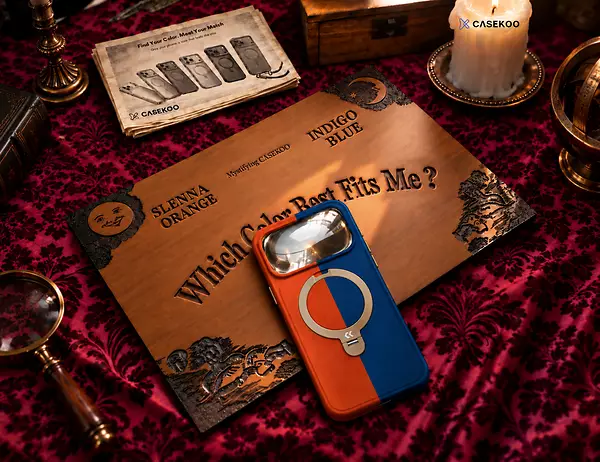
LOS ANGELES, Oct. 24, 2026 /PRNewswire/ -- Toast to 10 years of CASEKOO with the debut of all-new, limited-edition Spooky Season Commemorative Postcards! These eerie, collectible cards pair perfectly with any new iPhone case and are souvenir-worthy and frightfully ready! Since last week, at the brand's Sai Wan pop-up event, customers who spend $299 HK dollars on a new iPhone 18 Pro or Pro Max case in Slenna Orange or Indigo Blue (the Halloween limited-edition colors) can collect a rotating lineup of 12 different designs that will be released throughout the Halloween season.
Each postcard is a tribute to CASEKOO's history, holidays, and downright spooky favorites.
Design one: The first napkin sketch of the original MagicStand™ concept — reimagined with a ghostly glow
Design two: The debut of the Q Line, CASEKOO's first crystal-clear protective case — featuring a haunted house silhouette
Design three: The 2021 launch of StandKOO — the world's first phone case with an integrated ring stand — dressed in cobwebs and moonlight
Design four: The brand's first major IP collaboration with Manyu the Puppy— illustrated with playful ghosts and ghouls
Design five: The introduction of the X Line, celebrating personalization and self-expression — with pumpkin-themed greetings
Design six: The debut of LinKOO and its ClipSafe™ foldable clasp technology — adorned with bats and eerie fog
Design seven through twelve: Additional milestones spanning iF awards, 1.2 million sales achievements, and community-driven innovations — each with its own spooky twist
Together, the designs trace CASEKOO's phone case story—from crystal-clear protection to hands-free viewing, easier carrying, and personal expression.
Each postcard is a tribute to CASEKOO's history, from a single sketch on a napkin to a design-led lifestyle accessories brand trusted by over 17 million users worldwide. Some cards show the sketch of the first MagicStand, others the first IP collaboration, and every single one is wrapped in spooky designs and ghostly greetings to celebrate the season.
These aren't just postcards — they're keepsakes. So add a splash of Halloween spirit to your next iPhone case purchase — collect a limited-edition Spooky Season Commemorative Postcard with every qualifying purchase! With bold, collectible designs, these Halloween postcards are made for fans who love CASEKOO as much as they love a fresh new case.
Collect all 12 postcards to enter for a chance to win early admission to try on every new CASEKOO case throughout the entire 2027 calendar year — one grand prize winner will be selected. Get yours while they last!
About CASEKOO
CASEKOO is a design-led lifestyle accessories brand known for its phone cases. Its core philosophy is built around a simple idea: freeing your hands in everyday life. Guided by the philosophy of "Less Effort, More Living," the company has sold more than 20 million phone cases across 32 countries, building a global community of over 17 million users. From its breakthrough StandKOO MagicStand™ for hands-free viewing to the revolutionary LinKOO ClipSafe™ for hands-free carrying, CASEKOO continues to redefine what a phone case can be — not just protection, but liberation. The brand has received multiple design recognitions, including Red Dot and iF Design Awards.
For more information, visit casekoo.com.
CONTACT:
Charlotte Yu
brandteam@casekoo.com
** This press release is distributed by PR Newswire through automated distribution system, for which the client assumes full responsibility. **
Trick or Treat, Collect 'Em All -- CASEKOO Unleashes Limited-Edition Spooky Commemorative Postcards for Halloween