KYIV, Ukraine (AP) — Ukrainian forces struck oil facilities in Russia and occupied Ukraine, Ukrainian and Russian officials said on Monday, as part of their campaign aimed at making Moscow pay an economic cost for the war.
Separately, Ukraine’s President Volodymyr Zelenskyy has confirmed that Roman Abramovich acted as a go-between for messages between Kyiv and Moscow.
Zelenskyy told Sky News that the former owner of Premier League team Chelsea traveled to Kyiv with a message from Russian President Vladimir Putin.
Zelenskyy said Abramovich brought the message that the Russians “want to understand what we are ready to do,” and had offered to take a reply to Putin.
Meanwhile, the European Union’s foreign policy chief said a new, proposed round of sanctions against Russia includes 80 listings targeting Russia’s “military industrial complex, human rights violators and propagandists.”
Kaja Kallas told a news conference after a meeting of EU defense Ministers Monday that Western sanctions have already cost Moscow an estimated $1.2-1.5 trillion.
Russia’s Defense Ministry said its forces shot down 310 Ukrainian drones overnight into Monday, including over the Moscow region, western and southwestern Russia, Russian-occupied Crimea and the Black and Azov seas.
Russia targeted Ukraine with 155 drones, of which Ukrainian air defenses shot down or suppressed 124, according to its air force.
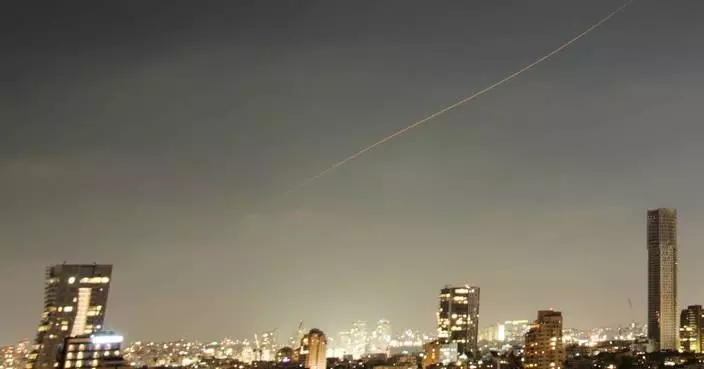
Ukraine’s General Staff said Ukrainian forces had struck Russia’s Krasnodar Krai region overnight, hitting the Grushovaya oil transshipment base near Novorossiysk. The complex is one of the largest transshipment hubs in southern Russia for oil and petroleum products.
Russian regional authorities confirmed a Ukrainian drone sparked a fire at the facility, adding that there were no casualties. While they did not comment on the extent of damage, they said 130 rescue workers were involved in putting out the blaze.
Asked whether the Kremlin is worried about the fuel crisis in Crimea, Kremlin spokesman Dmitry Peskov said the Energy Ministry and other agencies are working on a set of measures to respond to the situation.
“There are indeed certain problems at the moment,” Peskov said. “Measures are being taken.”
The Krasny Yar “linear production and dispatching station” in the Volgograd region was also hit, the General Staff said. A fire broke out at the site, according to the statement. Russian Gov. Andrei Bocharov didn’t specify what the facility produces, but said there were no injuries.
Ukraine also carried out strikes overnight in the Semykolodezkaya oil base in the Russian-occupied Crimean Peninsula on Sunday night, sparking a fire at the facility. The base is used to store fuel reserves supplying the Russian military, according to the statement posted on Telegram.
Ukrainian forces also struck an oil depot near Feodosia in Crimea, the General Staff said.
Zelenskyy said his message was that he would meet Putin “any time” in any location other than Russia or Belarus, and either bilaterally or with U.S. President Donald Trump and European leaders.
But he said Ukraine would not surrender the Donbas region, currently part-occupied by Russia.
“It was the key message. I said we will not leave and we will not go out from our territory,” Zelenskyy told Sky News.
Putin said last week that a Russian businessman, who he didn’t identify, traveled to Kyiv last month and met with Zelenskyy to hear his offer of a personal meeting. The Russian leader rejected the idea of a meeting, saying he saw no point in it.
Russian drone strikes overnight injured civilians and damaged buildings and businesses in the Kharkiv, Dnipropetrovsk, Odesa and Chernihiv regions, regional authorities said.
Ukraine’s Emergency Service reported that four people were injured in the Dnipropetrovsk region when strikes hit residential buildings. In Odesa, three people were wounded after a Russian drone struck a public transport stop.
Separately, a Ukrainian drone overnight struck a passenger train from Moscow to Simferopol in occupied Crimea, injuring the driver and killing the driver’s assistant, Kremlin-installed regional leader Sergei Aksyonov reported early Monday.
Akysyonov added that no passengers were hurt. But all passenger train traffic in Crimea was halted following the attack, with passengers evacuated and replacement buses provided, Russian operator Grand Service Express reported on Telegram that same morning.
Follow the AP’s coverage of the war in Ukraine at https://apnews.com/hub/russia-ukraine
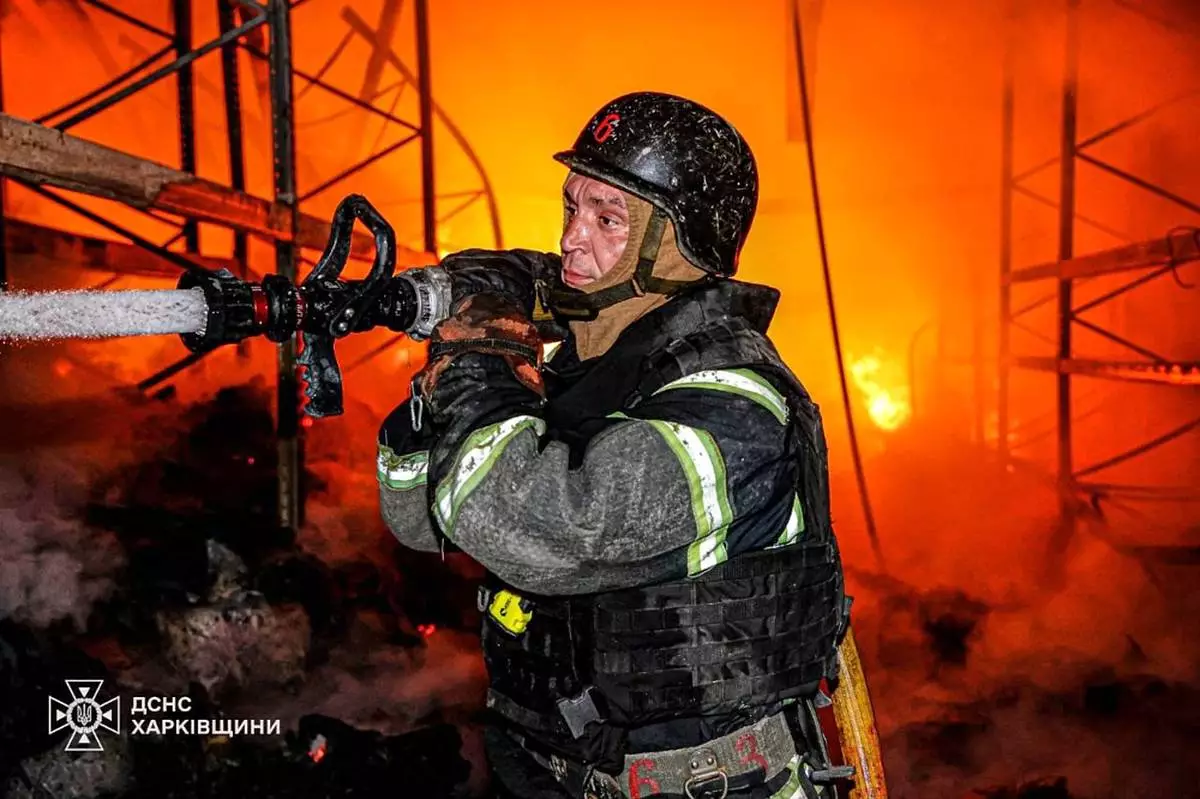
In this photo provided by the Ukrainian Emergency Services on Monday, June 8, 2026, a rescue worker puts out a fire of a storage facility after a Russian strike in Kharkiv, Ukraine. (Ukrainian Emergency Service via AP)
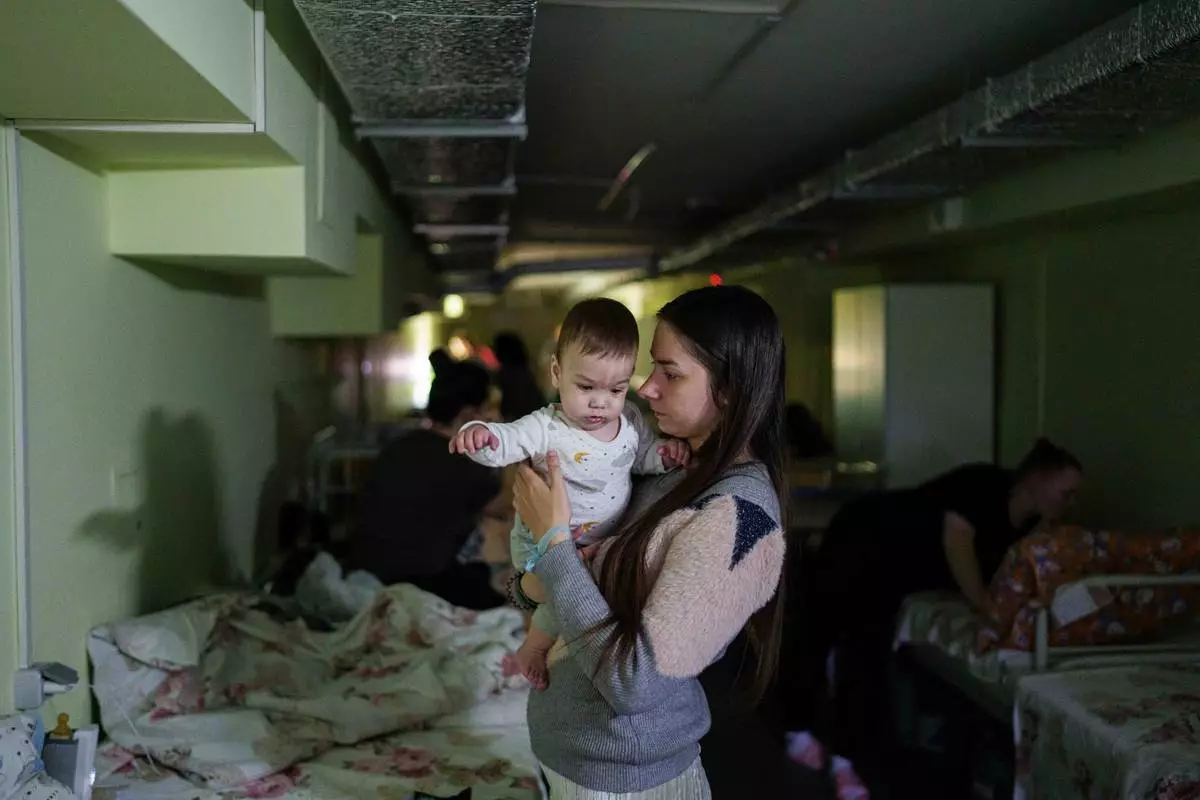
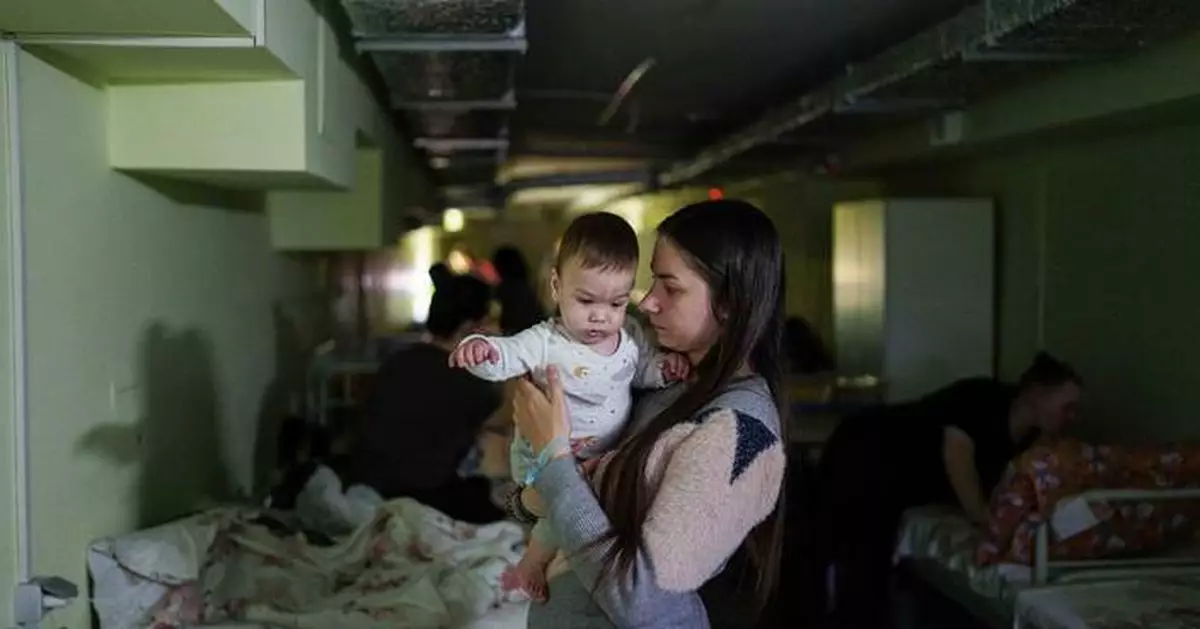
Marharyta Nekhoroshyva holds her son Mark inside a shelter at the children's regional hospital of Zaporizhzhia, Ukraine, on Thursday, May 7, 2026. (AP Photo/Evgeniy Maloletka)
HAVANA (AP) — A worsening fuel crisis across Cuba is testing the island's famed “almendrones,” the vintage American cars that serve as vital shared taxis and embody the island’s ingenuity and endurance.
These days, many of the iconic gas-guzzling antique cars sit idle, casualties of fuel shortages that have gripped Cuba since January and that Cuban officials blame on a U.S. energy blockade.
Outside his modest concrete-block home on a dirt road in Las Minas, a town of about 2,000 people on the outskirts of Havana, Diriel Valdez is restoring a 1951 Chevrolet Deluxe. The burgundy body is intact and the original engine still works. Finding fuel for it, however, is another matter.
Valdez is among thousands of Cubans waiting for fuel through a government reservation app that, for many, has become a symbol of the shortages it was designed to manage.
“I signed up in February ... I’m still somewhere around number 2,800,” said the 27-year-old who runs an auto body shop from his home.
The reward for the wait would be 20 liters (5.3 gallons) of gasoline — enough fuel, Valdez says, to get him to the beach.
The name almendrón comes from the Spanish word for almond, a reference to the rounded shape of the large American sedans imported before Cuba’s 1959 revolution.
For decades, sanctions, shortages and limited imports forced Cuban mechanics to become masters of improvisation. Engines were swapped, bodies rebuilt and replacement parts sourced from wherever they could be found.
On a recent night in Havana, as another blackout darkened much of the city, taxi driver Leonardo Daniel González steered a friend’s glowing purple 1948 Chevrolet Fleetmaster through the darkness.
“These cars are passed down from generation to generation,” said González, 30. “I had one that belonged to my great-grandfather. It went from him to my grandfather, then to my father, and then to me.”
Cuba is experiencing one of its most severe energy crises in years. The population, already battered by decades of economic crises and shortages, is now navigating daily blackouts that can last up to 20 hours in some parts of the island.
The country produces only about 40% of the fuel it consumes and depends heavily on imports to keep its power plants running and its transportation network moving.
Since January, the Trump administration has tightened sanctions on Cuba as an element of its ongoing pressure campaign against the island’s communist government. Trump also threatened tariffs on countries that sell or transport oil to Cuba, further complicating the island’s efforts to secure fuel supplies. Just a single Russian tanker has delivered oil to the island nation since then.
Standing beside his Chevrolet in Las Minas, Valdez, who runs the auto body shop, said the fuel shortage is also affecting his livelihood. He learned auto-body work from his stepfather and has been repairing classic cars since he was 13.
“People don’t want to do major repairs anymore,” he said. “A lot of them have their cars parked. They don’t have much hope that they’ll be circulating the way they used to.”
As gasoline becomes harder to obtain, many drivers are turning to Cuba’s black market, where fuel can often be found more quickly, though at significantly higher prices that can reach up to $8 per liter ($30 per gallon).
Omar Everleny Pérez, a former economist at the University of Havana’s Center of Cuban Economic Studies, said the country’s transportation system still depends heavily on almendrones because modern vehicles remain out of reach for most Cubans.
“They’ve been vital to the transportation of ordinary Cubans,” he said. “Not only in Havana but throughout the country.”
New vehicles have become available in Cuba in recent years, but at prices far beyond the reach of most state-sector workers, Pérez said. That has helped keep the aging American cars on the road, even as a different future is beginning to emerge on Cuba’s streets.
Electric motorcycles imported from China have become increasingly common. Small electric vehicles are also appearing, aided by a growing network of solar-powered charging stations promoted by the government as part of its push toward renewable energy.
Back in Havana, González is not ready to write off the almendrones. Despite the lack of fuel and a sharp decline in tourism, he can still make a living off the old Chevrolet.
“There are ... several WhatsApp groups for us to find rides and so on,” said González. “But tourism in Cuba is in very bad shape.”
Ariel Fernández in Havana contributed to this report.
Follow AP’s coverage of Latin America and the Caribbean at https://apnews.com/hub/latin-america
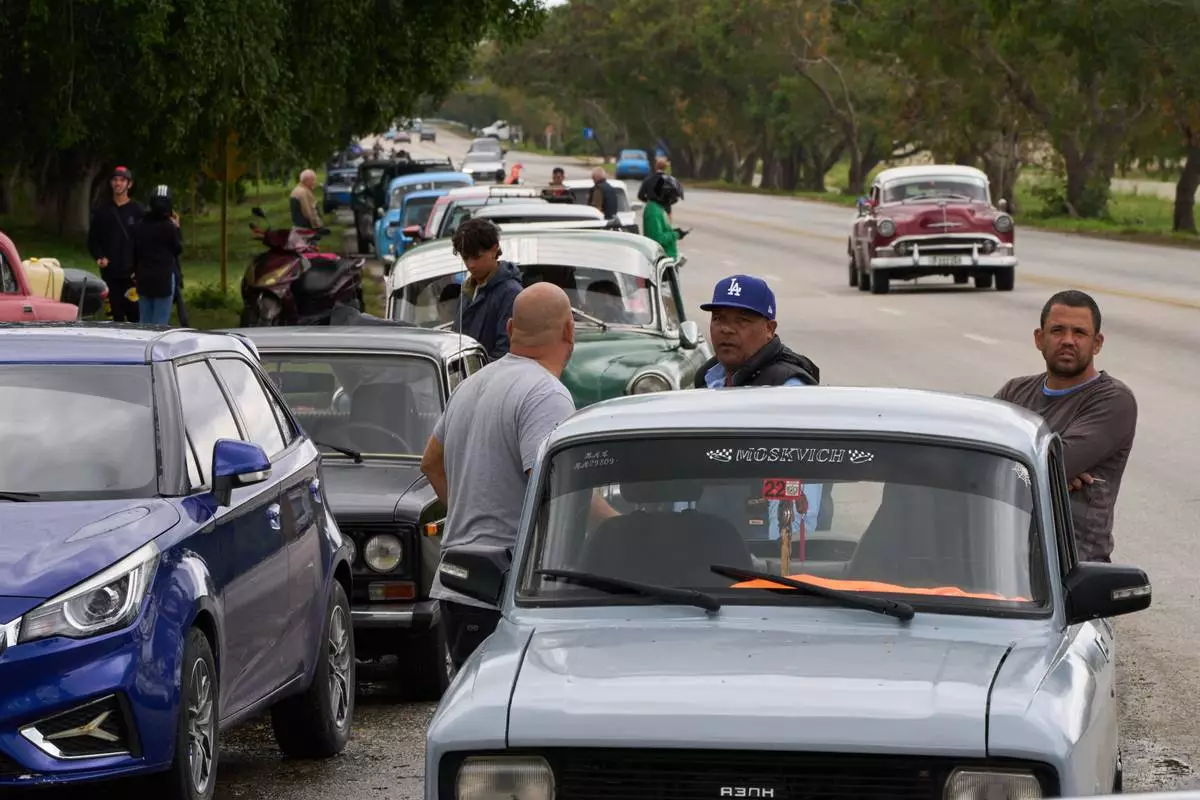
FILE - Drivers wait in a long line to enter a gas station in Bacuranao near Havana, Cuba, Jan. 30, 2026. (AP Photo/Ramon Espinosa, File)
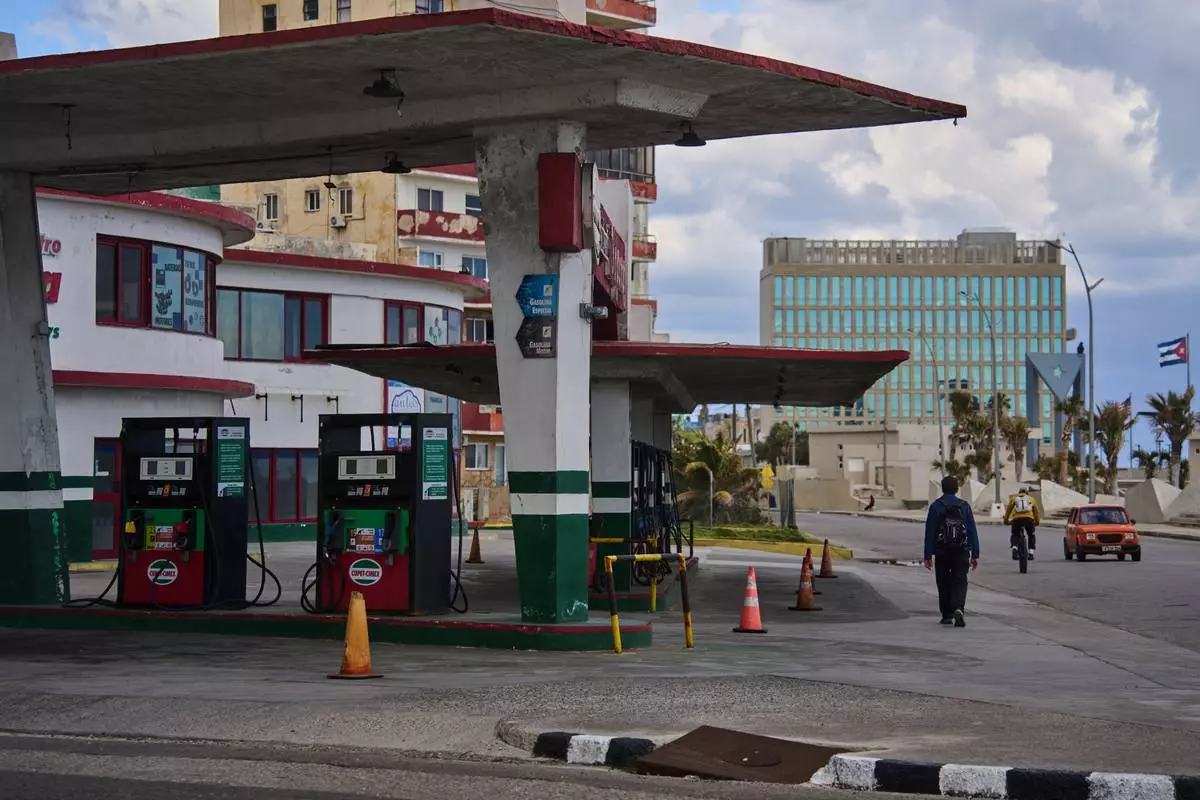
FILE - A man walks past a gas station that has run out of fuel, located near the U.S Embassy, pictured in the background, in Havana, Cuba, Feb. 7, 2026. (AP Photo/Ramon Espinosa, File)
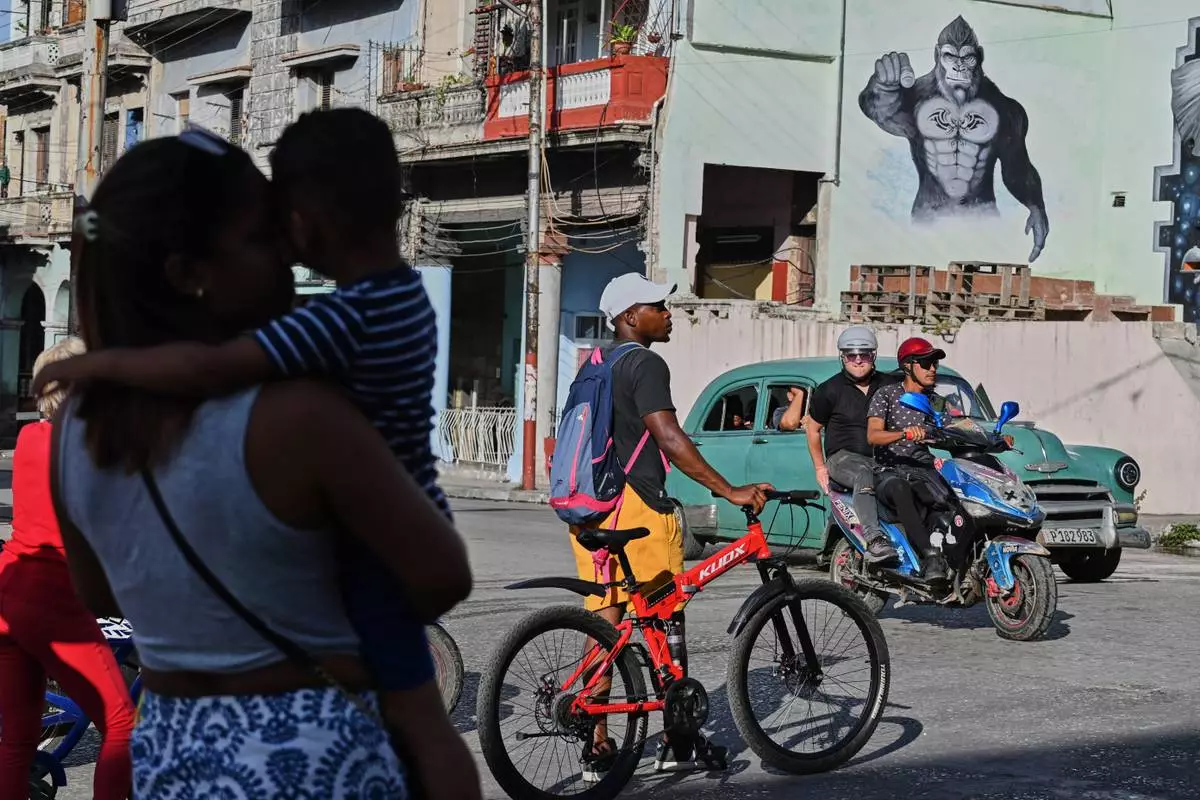
People traverse a street in Havana, Monday, May 25, 2026. (AP Photo/Jorge Luis Banos)
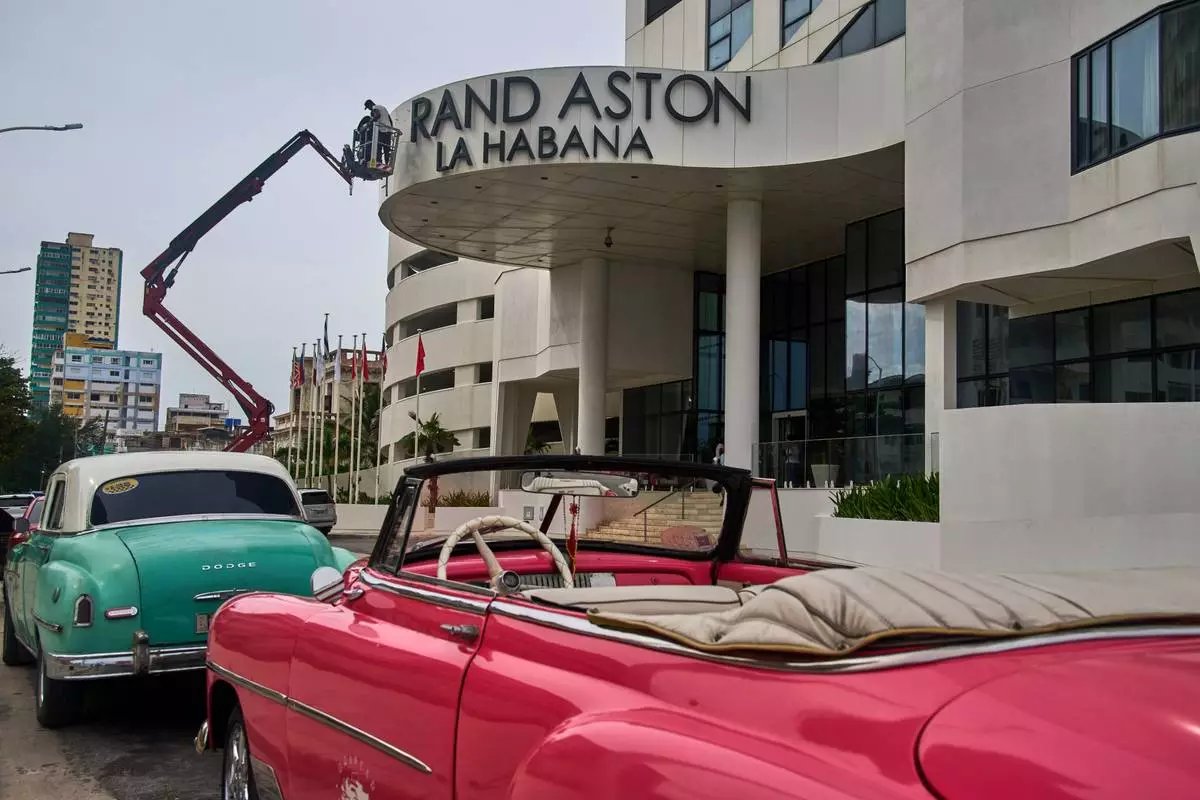
Workers repair the sign at the Grand Aston Hotel in Havana, Wednesday, June 3, 2026. (AP Photo/Ramon Espinosa)