JERUSALEM (AP) — Israel's latest strikes on Lebanon and Iran have made clear that U.S. President Donald Trump and Israeli Prime Minister Benjamin Netanyahu, who started the war in lockstep, want different things.
Trump had publicly warned Israel not to strike Beirut in its war with Iran-backed Hezbollah militants. When it did, on Sunday, Iran responded by firing ballistic missiles at Israel for the first time since the April ceasefire. Israel then struck Iran, with which Trump has been engaged in weeks of high-stakes negotiations.
The fighting has since died down, but the differences between the two leaders are likely to persist.
That's because Trump, whose party faces elections later this year, wants to wind down an unpopular war and reopen the Strait of Hormuz to ease gas prices. Iran says a full ceasefire in Lebanon is key to any deal.
Netanyahu, who also faces elections this year, is under pressure to stop Hezbollah's attacks and prove that he is winning the war with Iran and its allies. He also needs to manage relations with Israel's most important ally without appearing to kowtow to it.
When the United States and Israel attacked Iran on Feb. 28, the allies appeared shoulder to shoulder.
Netanyahu said the goal was to degrade the Islamic Republic’s military, eradicate its nuclear and ballistic missile programs, and topple its government. Trump announced the death of Iran's supreme leader in the opening barrage and urged Iranians to “take back” their country.
But it soon became clear that while Trump was seeking a quick win — like the one he secured in Venezuela — Netanyahu wanted to vanquish Iran and its allies, even if it required an extended conflict.
As Iran withstood weeks of heavy strikes and kept the Strait of Hormuz closed, Americans and Israelis grew increasingly frustrated — but for different reasons.
In the U.S., the price of gas and other goods soared as even some erstwhile supporters accused Trump of breaking a campaign promise and plunging the U.S. into another Mideast quagmire. He has pushed back against those critics as rising anger threatens Republicans in November's congressional elections.
In Israel, anger grew over Netanyahu's failure to secure a lasting victory in the wars sparked by Hamas' Oct. 7, 2023, attack, which happened on his watch. More than two years on, Hamas still rules part of Gaza, Hezbollah still fires rockets and Iran's government and nuclear program remain intact, despite heavy losses.
The collision course runs through Lebanon, where fighting still rages between Israel and Hezbollah despite ceasefire announcements.
Iran wants Lebanon included in any wider regional truce, a demand Trump seems to have accepted in order to get a deal. Iran has threatened to attack Israel again if it keeps striking Lebanon.
Israel is determined to keep the theaters separate and continue its campaign in Lebanon, where it has occupied large swaths of the south, until the threat from Hezbollah has been eliminated.
The tensions spilled into the open last week, when Trump acknowledged holding a tense call with Netanyahu about Lebanon. He admitted to using expletives and calling the Israeli leader “crazy,” saying he'd grown frustrated that Israel's war on Hezbollah threatened the Iran talks.
In a series of interviews, Trump made clear that he was not happy about Israel’s Sunday strike in Beirut, which came without warning and hit a residential building, killing two people and wounding 20, according to Lebanese authorities.
He then urged restraint from Israel after Iran launched its first barrage of missiles later that day. “I call all the shots,” not Netanyahu, Trump told the Financial Times.
Hours later, Israel bombed Iran.
Trump had initially urged restraint in order to calm markets and keep negotiations from falling apart, according to a person familiar with the U.S.-Israel deliberations who spoke on condition of anonymity to discuss the sensitive conversations.
Israeli officials made the counterargument that the U.S. would not tolerate attacks without a swift response. The person added that it was also understood by both sides that not responding to the Iranian strikes would put Netanyahu in a difficult position politically.
Netanyahu has downplayed any perceived differences.
After the latest strikes, he told reporters in Hebrew that “Israel has a full right to self-defense, and we are exercising it to the extent necessary.”
“I say this to you, just as I say this, with appreciation and respect, in my good conversations with my friend, President Trump,” he added.
It’s not the first time that Trump has been publicly at odds with Netanyahu about a military operation.
In March, less than three weeks into the conflict, Trump was riled by Netanyahu’s decision to attack a critical Iranian gas field, which prompted Iran to retaliate against energy infrastructure in the Gulf.
“I told him, ’Don’t do that,’” Trump said at the time. “We get along great. It’s coordinated, but on occasion he’ll do something.”
While Trump publicly disagreed with the decision, two people familiar with the matter who were not authorized to comment publicly said the U.S. was made aware of Israel’s plans ahead of the attack.
It's unclear whether the latest dispute will cause lasting damage.
“It’s not so uncommon for the U.S.-Israel relationship to have these kinds of tensions. What’s so different right now is how publicly it’s playing out,” said Michael Singh, managing director at the Washington Institute for Near East Policy.
He noted that Trump has had similar public spats with other heads of state, including close allies.
Eytan Gilboa, an expert on U.S.-Israel relations at Israel's Bar-Ilan and Reichman universities, said he doubted the rift seriously threatened the alliance. He said Netanyahu had been careful not to push things too far.
“If there was a big threat, like if Israel were to continue the war in Iran and drag the U.S. into it, that would have been a different situation,” he said. “But that is not happening.”
He noted, though, that there are still “basic disagreements between Netanyahu and Trump on Iran, Lebanon and Gaza” that remain unanswered.
Madhani reported from Washington. Associated Press reporters Bassem Mroue in Beirut and Farnoush Amiri in New York contributed.
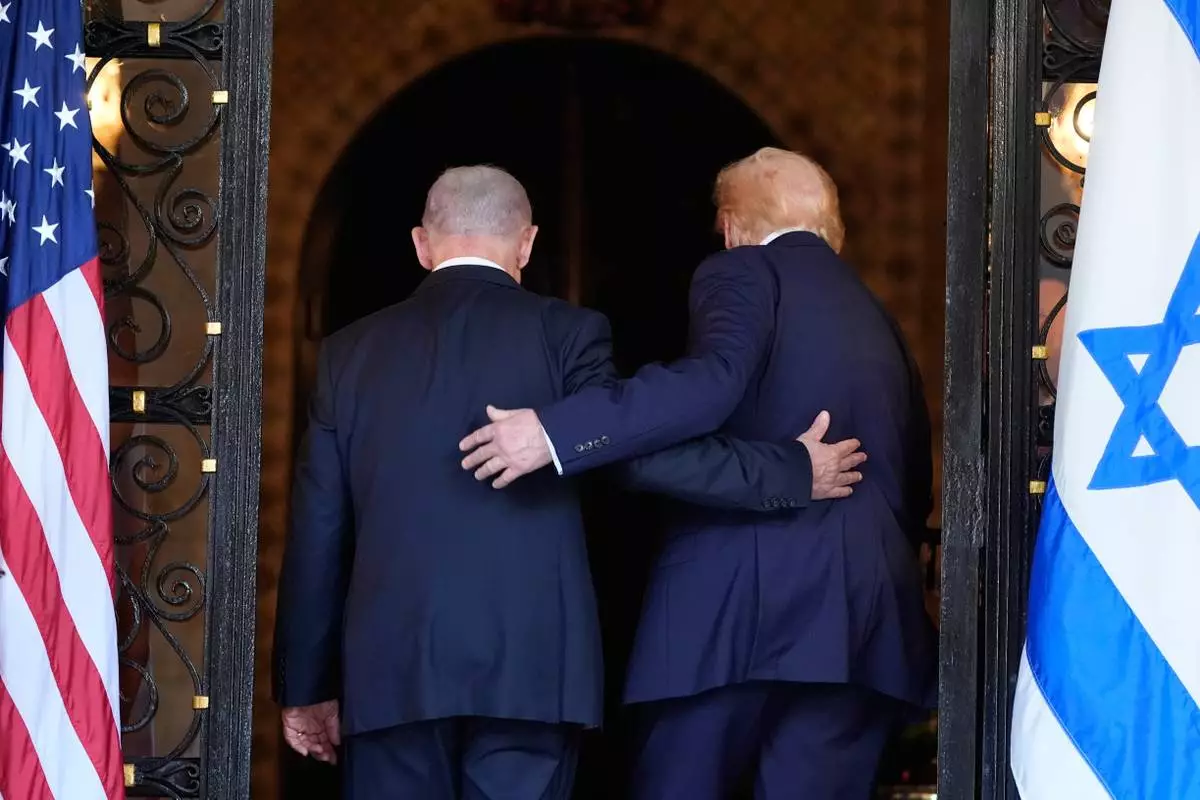
FILE - President Donald Trump and Israel's Prime Minister Benjamin Netanyahu walk into Trump's Mar-a-Lago club, Dec. 29, 2025, in Palm Beach, Fla., after an arrival greeting. (AP Photo/Alex Brandon, File)
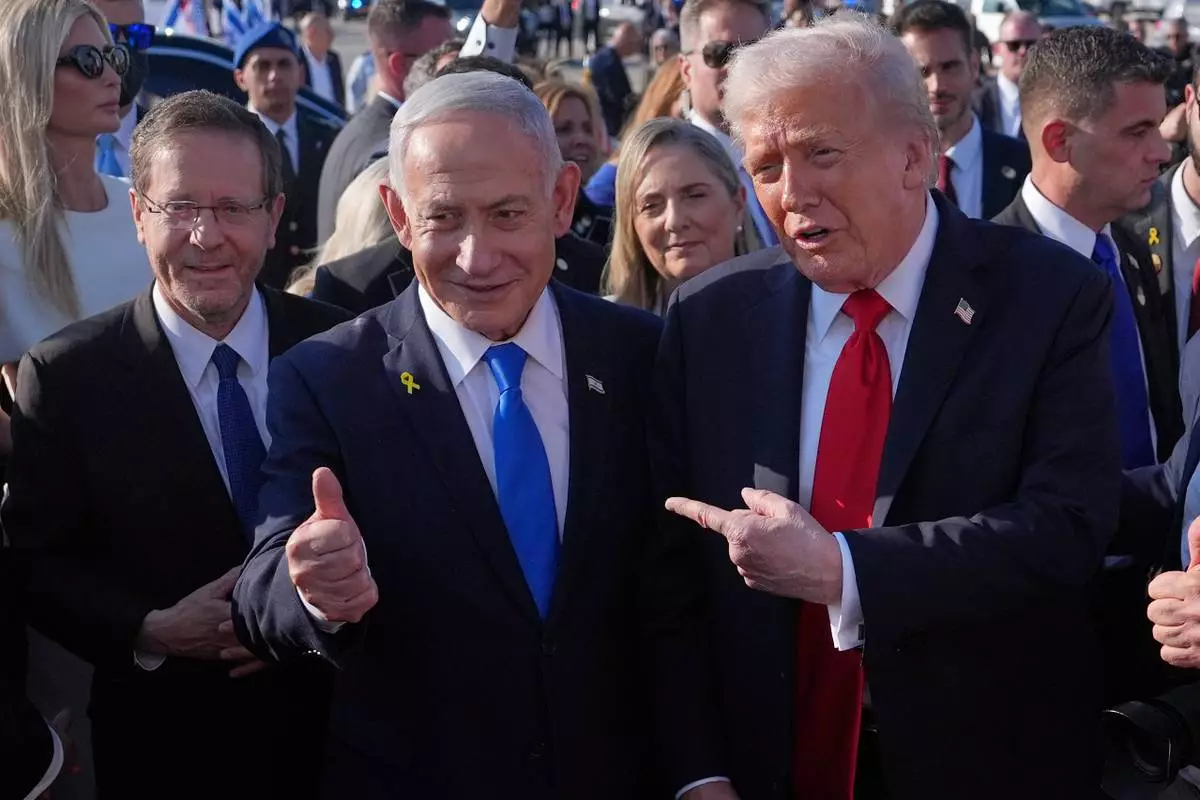
FILE - President Donald Trump poses for a photo with Israel's Prime Minister Benjamin Netanyahu before he boards Air Force One at Ben Gurion International Airport, Oct. 13, 2025, near Tel Aviv, as Israel's President Isaac Herzog watches at left. (AP Photo/Evan Vucci, File)
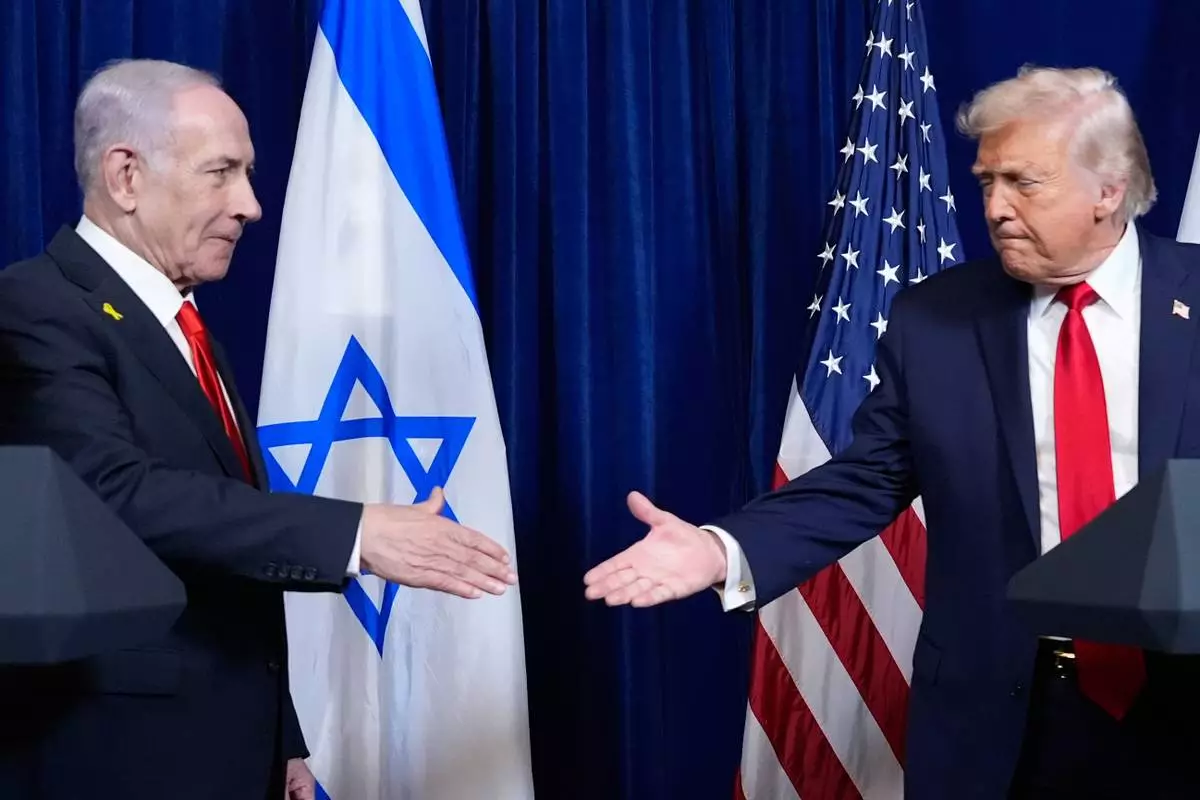
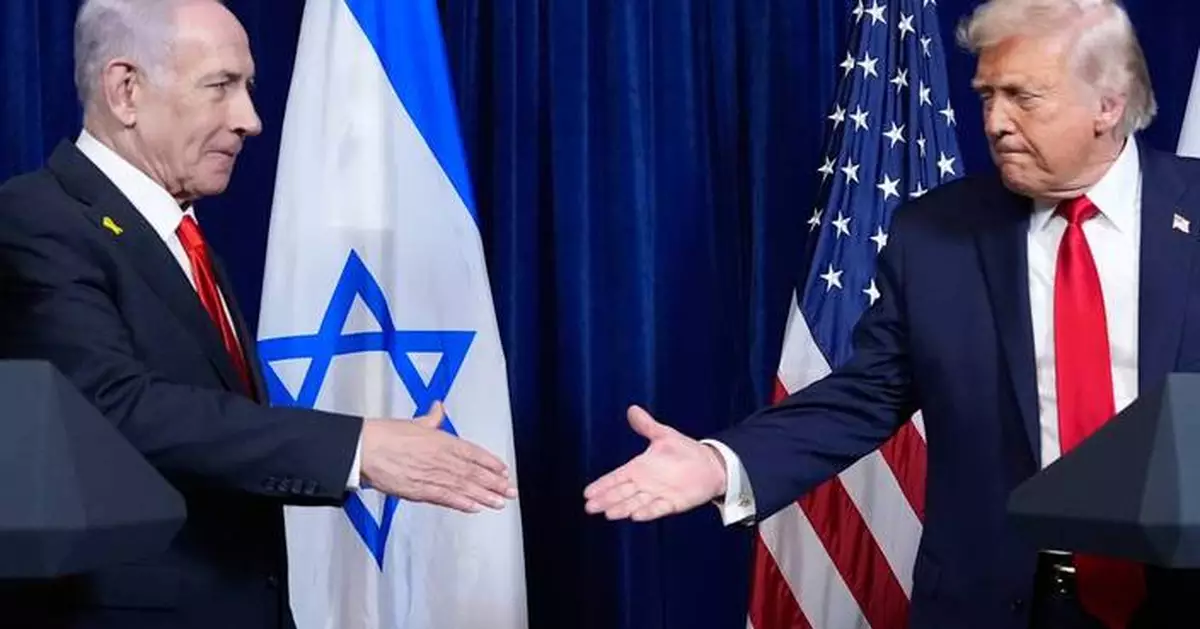
FILE - President Donald Trump shakes hands with Israel's Prime Minister Benjamin Netanyahu at the end of a news conference at Mar-a-Lago, Dec. 29, 2025, in Palm Beach, Fla. (AP Photo/Alex Brandon, File)