DALLAS--(BUSINESS WIRE)--Jun 10, 2026--
The Mary Kay Ash Foundation ®, a 501(c)(3) nonprofit organization, which raises and distributes funds to invest in breakthrough cancer research to find cures for cancers affecting women and ending domestic violence against women, marks its 30 th anniversary with one powerful milestone. More than $100 million has been invested in life-saving cancer research and critical domestic violence prevention and support programs across the United States, impacting millions of women and their families. For three decades, the Foundation has been a driving force for change – empowering women, advancing breakthroughs in cancer care, and ensuring survivors find safety, healing, and hope.
This press release features multimedia. View the full release here: https://www.businesswire.com/news/home/20260610857158/en/
Founded in 1996 to honour Mary Kay Ash’s vision of enriching women’s lives, the Foundation has grown into a national leader tackling two of the most rampant issues affecting women today: cancer and domestic violence. Its impact is measured not only in dollars, but in lives transformed.
By the Numbers: 30 Years of Impact
Read the full Mary Kay Ash Foundation 30th Anniversary Report and personal testimonials from community supporters on how the Foundation’s impact has positively changed lives for the better.
A Mission Rooted in Urgency and Hope
The Foundation’s work addresses staggering realities:
Through strategic partnerships, research funding, and frontline support, the Mary Kay Ash Foundation is rewriting these outcomes – delivering hope where and when it is needed most.
“The Mary Kay Ash Foundation remains unwavering in its commitment to creating a world where women feel seen, supported, empowered, and hopeful during some of life’s most vulnerable moments,” said Michael Lunceford, President, Board of Directors, Mary Kay Ash Foundation. “For more than 30 years, we have earnestly carried the responsibility and privilege of advancing a mission rooted in protecting and enriching the lives of women. It is an honor to turn generosity into action, advocacy into progress, and partnerships into transformative impact in pursuit of a safer, healthier future for women.”
Fueling Breakthroughs in Women’s Cancer Research
For 30 years, the Foundation has championed innovative translational research, helping scientists turn discoveries into real-world treatments.
Notably:
These efforts have contributed to major breakthroughs in the most common and aggressive forms of cancers affecting women including breast, ovarian, uterine, endometrial, and others.
Creating Lifelines for Survivors of Domestic Violence
Since 2000, the Foundation has invested deeply in the fight to end domestic violence:
A Movement Powered by Ambassadors
It takes a village to create change, and the Mary Kay Ash Foundation Ambassadors are no exception. This group comprised of thousands of advocates spanning from coast to coast, work tirelessly to advocate, fundraise, and bring awareness to the mission in their local communities. Becoming a Mary Kay Ash Foundation Ambassador is quick and easy with endless opportunities to make a real impact. Complete the online Ambassador application.
Looking Ahead
With three decades down and more work to be done, the Foundation is not slowing down in its commitment to accelerating women’s cancer research, expanding access to care, and building safer communities for women and their families. With momentum stronger than ever, the Mary Kay Ash Foundation is poised to make the next 30 years even more impactful. Visit www.marykayashfoundation.org to support the mission, become an ambassador, or join the movement in your local community to create a safer, healthier world for women.
About the Mary Kay Ash Foundation ®
Celebrating its 30 th anniversary, guided by Mary Kay Ash’s dream to enrich the lives of women everywhere, the Mary Kay Ash Foundation ® raises and distributes funds to end domestic violence and invest in breakthrough cancer research to find cures for women-related cancers. Since 1996, the Mary Kay Ash Foundation has contributed more than $100 million to organizations aligned with its two-fold mission. In addition, the Foundation supports awareness initiatives, community outreach programs, and advocates for legislation to ensure women are healthy and safe. Together, we can make the world better for women. To learn more about how to educate, advocate, volunteer, donate, and join life-saving work to support and empower women, visit marykayashfoundation.org, or find us on Facebook and Instagram.
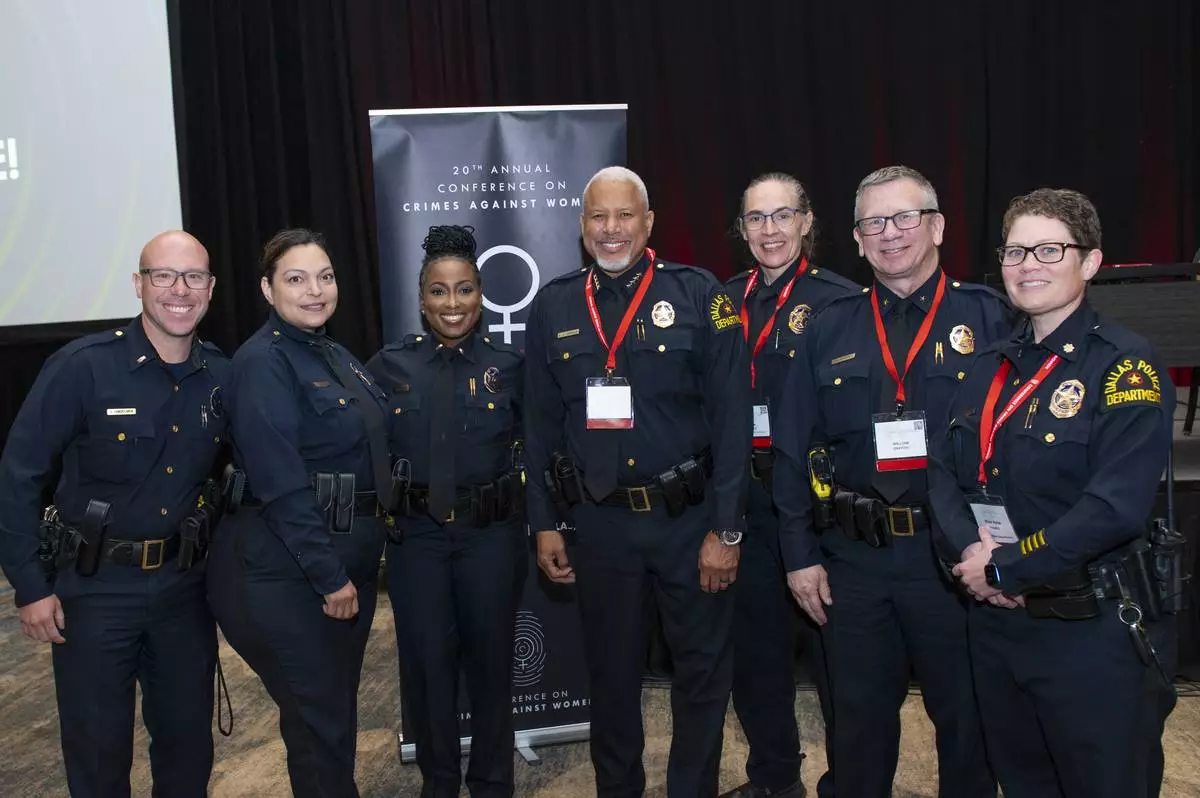
For over 20 years, Mary Kay Ash Foundation has served as Presenting Sponsor of the Conference on Crimes Against Women – the nation’s largest convening for multidisciplinary action and education toward ending violent crimes against women. (Photo courtesy of: Conference on Crimes Against Women)
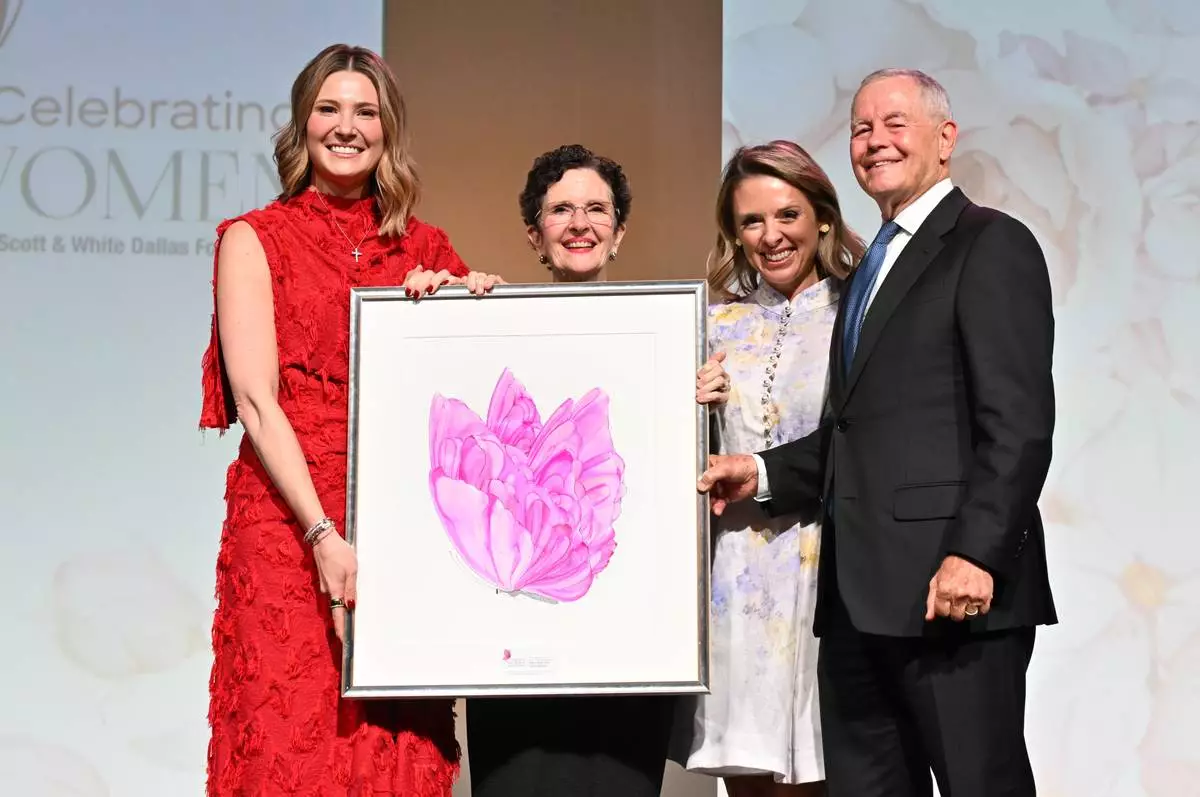
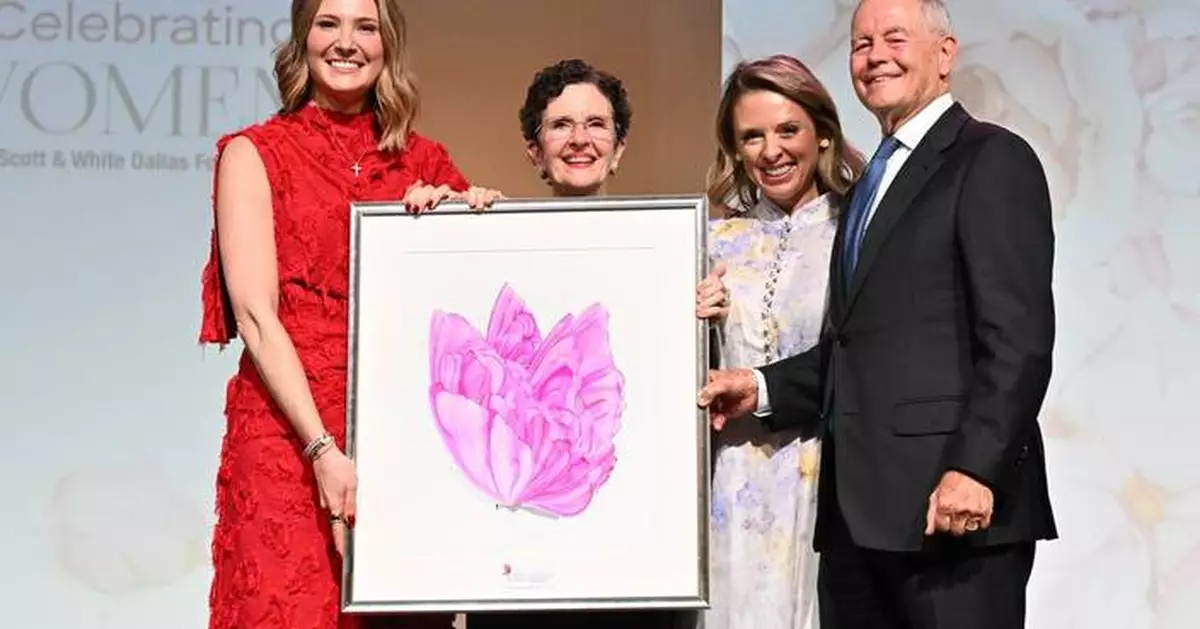
Mary Kay Ash Foundation receives prestigious Circle of Care Award at the 2025 Celebrating Women Luncheon, hosted by the Baylor Scott & White Dallas Foundation, in recognition of 20 years and nearly $2 million toward innovating cancer prevention, care, and treatment for women. (Photo courtesy of: Kristina Bowman)
HARARE, Zimbabwe (AP) — Melisa Kasu said her mother died when the family was least prepared. Funerals in Zimbabwe demand a large and expensive send-off with food and music, and loved ones can slide into debt to avoid any public shame.
The 29-year-old Kasu said the local burial society arrived to save the day, carrying huge pots and sacks of corn meal and other supplies. They even lit the cooking fire.
“That’s the time I decided to join them,” she said.
She took over her late mother’s membership in the society in 2023, and discovered a surprising cultural shift was underway: Burial societies in parts of Africa are expanding to take care of the living, too.
Aside from supporting members' funerals, some now offer grocery savings plans and even small-business incubators. They are helping families survive challenges like rising costs, limited access to bank loans and unstable incomes in a country where over two-thirds of people are informally employed. Members pay a small monthly subscription.
At a recent meeting of Kasu's Kuchemana Burial Society, death hardly featured on the agenda. Women sang, debated and pitched business ideas ranging from poultry farming to detergent-making.
“We wanted dignity in death. Now we are striving for it in life,” society secretary Nyadzisayi Mirisawu said. “We don’t want members suffering while alive.”
A group of women founded the society in Kuwadzana, a township in Zimbabwe’s capital of Harare, in 2021 to spare families what members called “embarrassing” funerals that expose poverty.
Burying a loved one well is one of the most important family obligations. Kuchemana means “mourning one another” in the local Shona language. But membership means more than funeral preparation.
The group has 40 members aged between 23 and 72. They pay $3 monthly and receive groceries, cooking help and a $150 cash payout when a loved one dies.
Alongside funeral contributions, members now pay $10 monthly into a collective savings club. Members and trusted people in the community can borrow from the fund at 20% interest, with members sharing profits yearly.
“Borrow for health care, school fees or projects,” Mirisawu told members gathered recently under an avocado tree. Clad in matching T-shirts and floral skirts, they lined up to pay subscriptions. A separate grocery program allows them to buy basics in bulk.
For Kasu, who was laid off from a hardware shop in 2022, the group's attraction lies less in burial payouts than in the financial lifeline it provides. She received $100 from the savings cycle in December. She borrowed another $30. No bank hassles.
“I bought gas tanks and a scale. Now I sell cooking gas to neighbors,” she said. “Business is good. I support myself.”
Researchers say such changes reflect a broader pattern across Africa.
“Banks normally do not lend to the poor or the unemployed, and governments are not providing enough support,” said Sharon Chilunjika, a lecturer in social sciences at Midlands State University in Zimbabwe. “People are using an institution they already trust, the burial society, and expanding it to cover more of their needs.”
She called funerals “one of the most underrated or underappreciated drivers of household poverty” in Africa, with families sometimes turning to loan sharks or selling their assets.
“The way you bury your loved one says a lot about who you are as a family. A cheap coffin or scant food invites judgment. The society will talk,” she said.
In Zimbabwe, burial societies date to the early 20th century, in the colonial era, when migrant workers formed mutual aid groups to ensure dignified funerals far from home in places like neighboring South Africa.
The tradition has endured in Zimbabwe, where funeral insurance is more common than health insurance, which many people cannot afford. Official statistics show fewer than one in 10 has it.
Reports by insurance firms, research companies and the country's statistics agency indicate funeral policies are the most widely held form of insurance in the country, with providers, and even mobile phone companies, promoting low-cost policies.
But members say the community-based burial societies survive in large part because they provide something that companies struggle to match: a sense of belonging.
“It is your neighbor, your church mate,” Chilunjika said. “They don’t ask you to fill a form. They come to your home and comfort you.”
For more on Africa and development: https://apnews.com/hub/africa-pulse
The Associated Press receives financial support for global health and development coverage in Africa from the Gates Foundation. The AP is solely responsible for all content. Find AP’s standards for working with philanthropies, a list of supporters and funded coverage areas at AP.org.
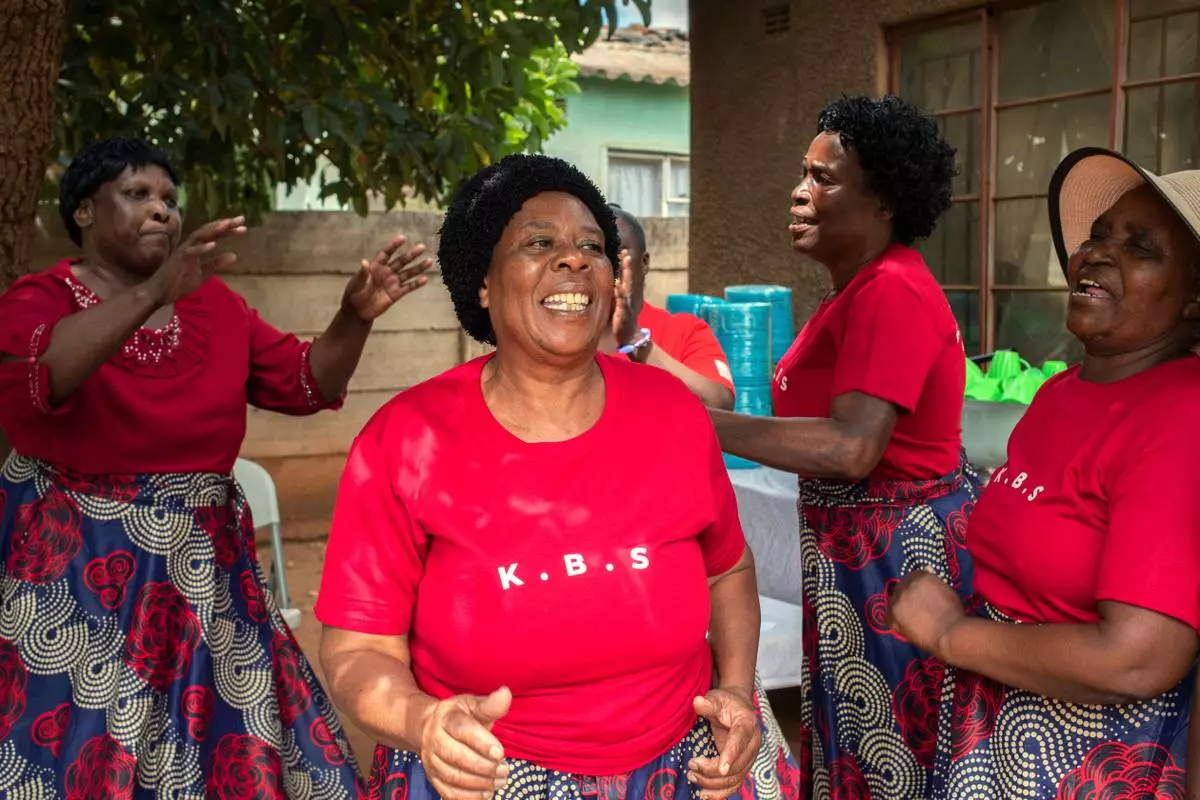
Kuchemana Burial Society members sing and dance during a meeting in Harare, Zimbabwe, March 13, 2026. (AP Photo/Aaron Ufumeli)
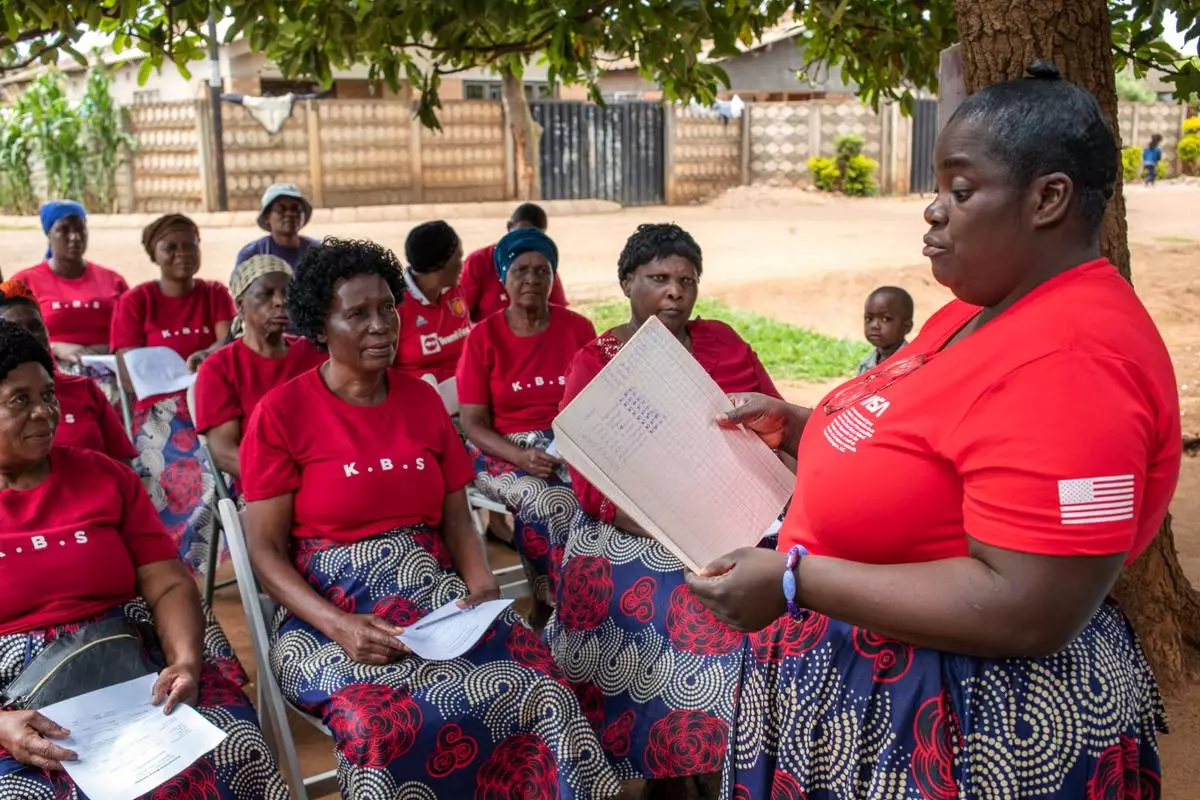
Kuchemana Burial Society secretary Nyadzisayi Mirisawu addresses fellow members at a meeting in Harare, Zimbabwe, March 13, 2026. (AP Photo/Aaron Ufumeli)
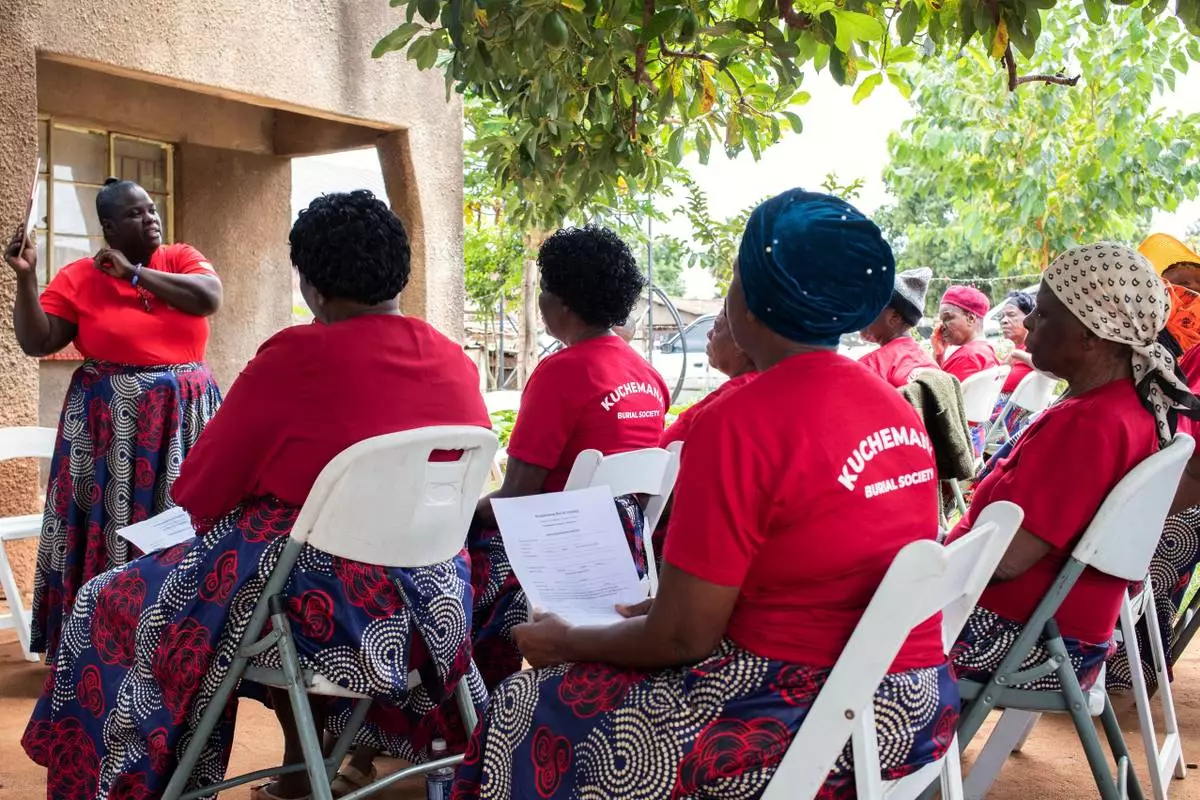
Kuchemana Burial Society secretary Nyadzisayi Mirisawu addresses fellow members at a meeting in Harare, Zimbabwe, March 13, 2026. (AP Photo/Aaron Ufumeli)
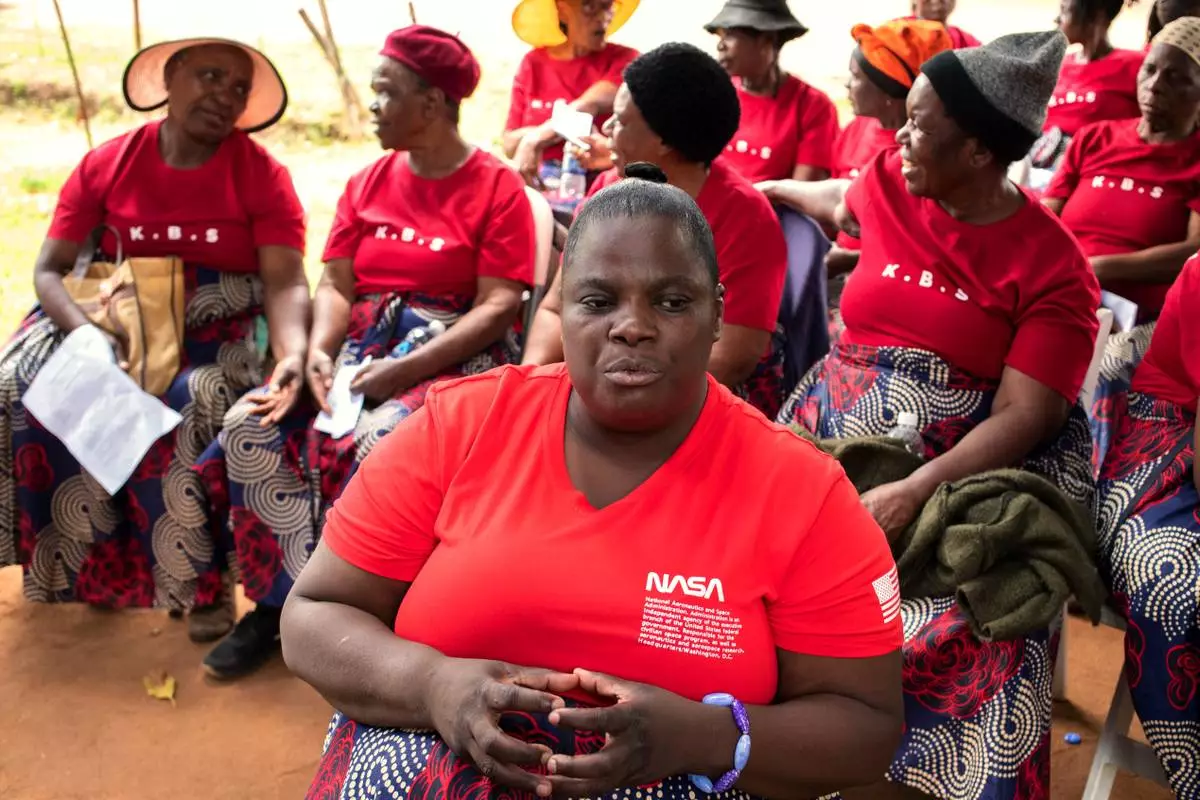
Kuchemana Burial Society secretary Nyadzisayi Mirisawu during a meeting in Harare, Zimbabwe, March 13, 2026. (AP Photo/Aaron Ufumeli)
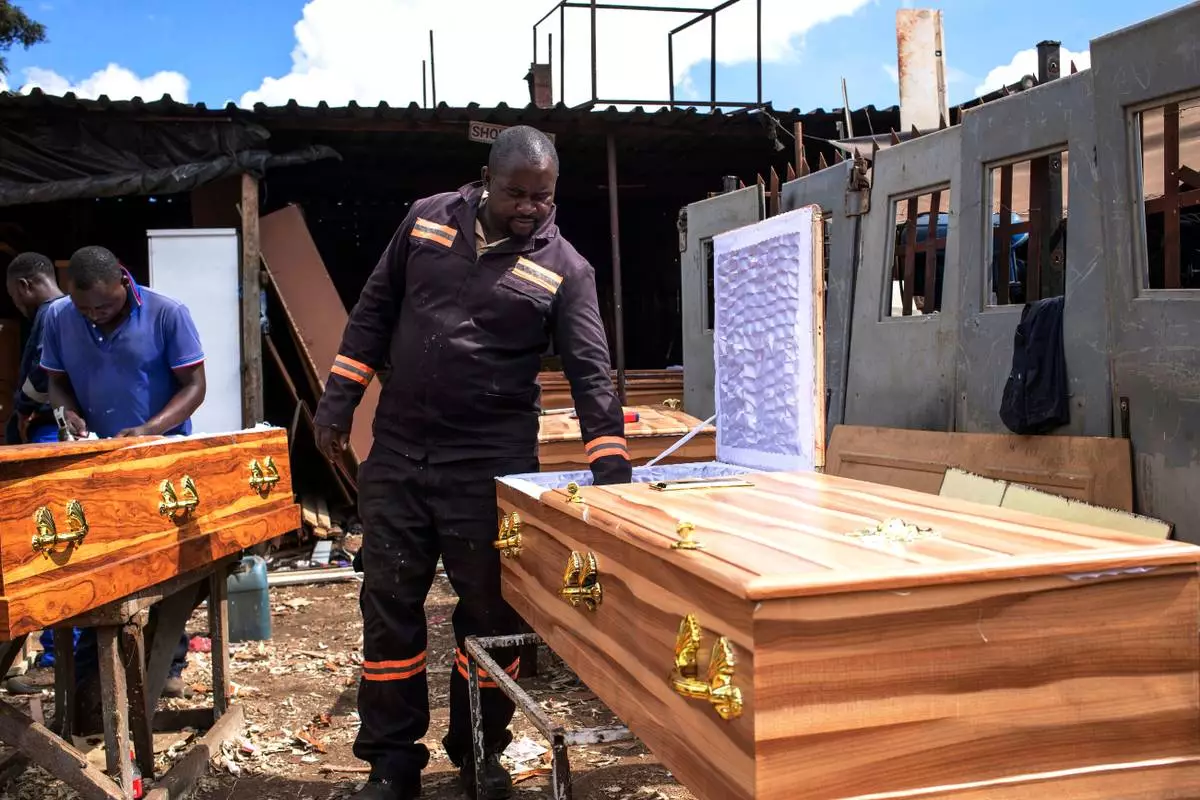
Manenji Chikwekwete, a low-cost coffin maker, at his workplace in Harare, Zimbabwe, March 13, 2026.(AP Photo/Aaron Ufumeli)