
GENEVA (AP) — The United Nations’ top human rights official called Wednesday for a “massive rethink” of immigration policies especially in the United States around the World Cup.
Issues around “racial profiling, surveillance and immigration enforcement” were cited by U.N. High Commissioner for Human Rights Volker Türk even before the 48-nation, 39-day tournament starts Thursday.
Click to Gallery
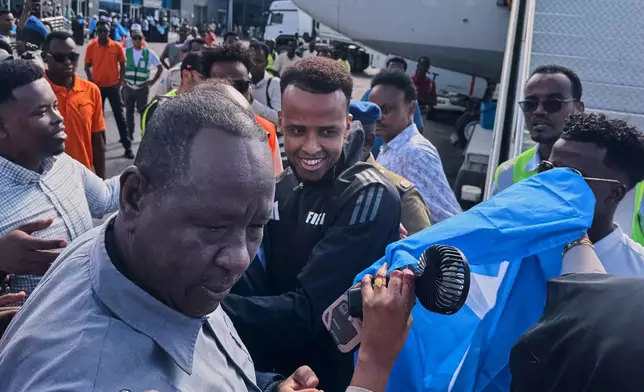
Referee Omar Artan, center, who was denied entry to the United States, is welcomed by supporters upon his arrival in Mogadishu, Somalia, Wednesday, June 10, 2026. (AP Photo/Farah Abdi Warsameh)
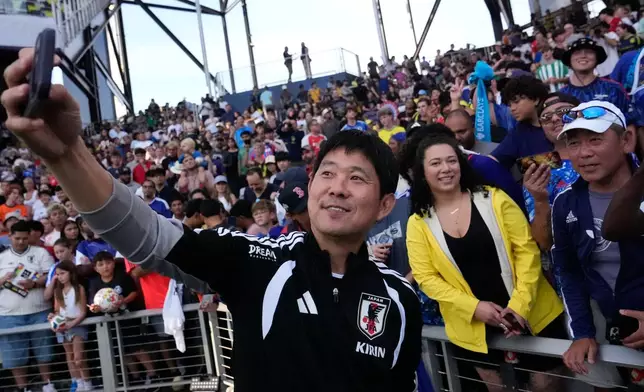
Japan head coach Hajime Moriyasu takes a picture with fans after a training session Monday, June 8, 2026, in Nashville, Tenn., ahead of the World Cup soccer tournament. (AP Photo/George Walker IV)
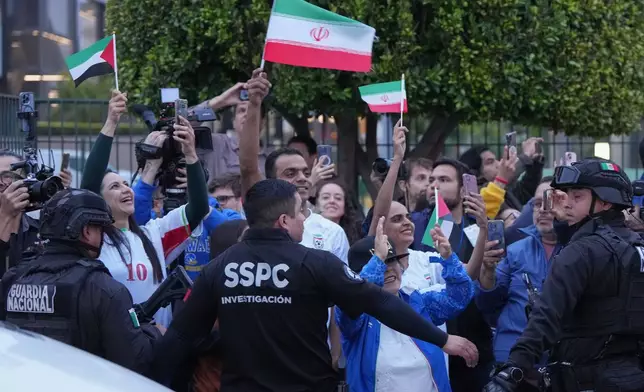
Fans for team Iran wave as players arrive for the World Cup soccer tournament in Tijuana, Mexico, Sunday, June 7, 2026. (AP Photo/Gregory Bull)
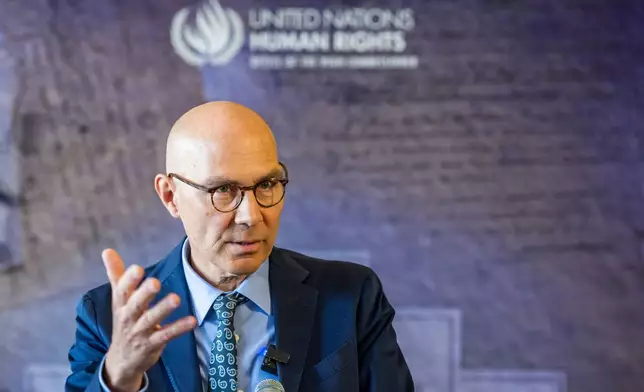
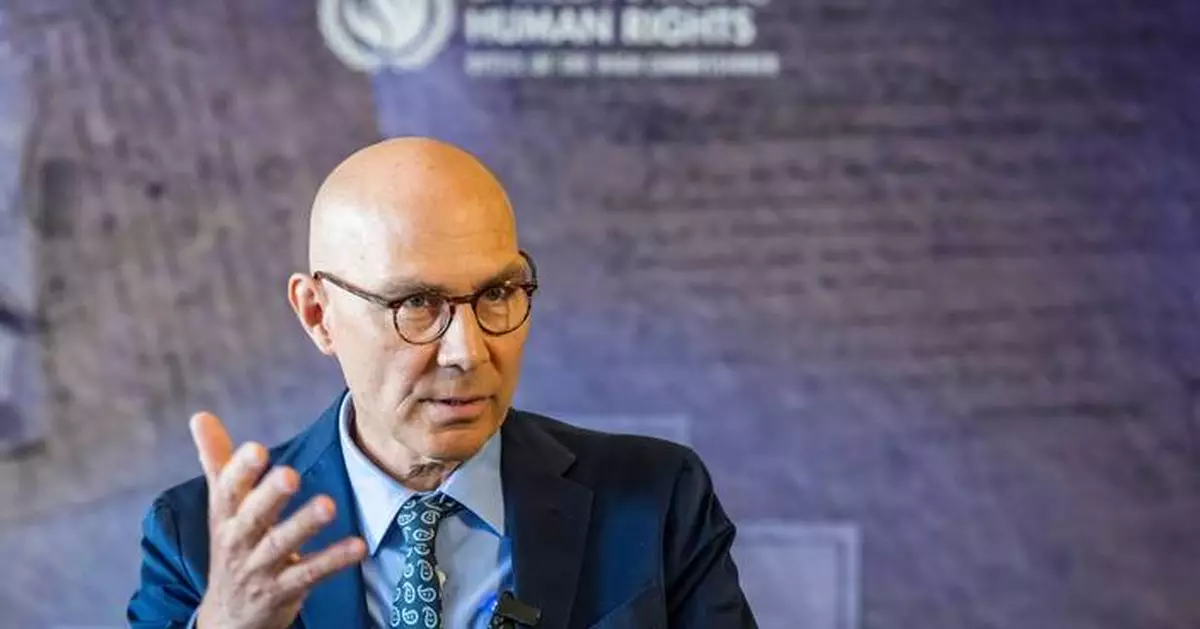
UN High Commissioner for Human Rights Volker Turk speaks to the media, at the Office of the United Nations High Commissioner for Human Rights (OHCHR) Palais Wilson, in Geneva, Switzerland, Wednesday, June 10, 2026. (Martial Trezzini/Keystone via AP)
Iran’s team was moved from a training camp in Arizona to Mexico, some Iranian officials were denied U.S. entry visas, Africa’s top referee from Somalia was refused entry in Miami and images circulated of a Senegal player being frisked by a security guard on airport tarmac.
“We have seen some of the scenes,” Türk told reporters at a briefing at the U.N.’s human rights agency headquarters.
“I hope that the issues around racial profiling, around surveillance, around immigration enforcement are not going to affect this World Cup in the way that they have already done,” the Austrian lawyer said.
The U.S. is hosting most of the 104 games in a shared project with Canada and Mexico, though it is only the policies of federal agencies under U.S. President Donald Trump’s administration that have drawn criticism.
“I really hope that there is a massive rethink of how immigration enforcement is respecting human rights and human dignity,” Türk said, “and that especially for the World Cup there is a rethink of the policies that we are unfortunately seeing prevailing especially in the U.S. at the moment.”
Türk said global sports should be “where the world comes together in unity and in peace.”
“It is clear that the environment in which mega sport events including the World Cup take place need to provide a dignified and safe environment, for the teams that compete but also for the supporters, for the whole society and frankly for the world,” he said.
Fans from countries like Morocco and Scotland, who spent thousands of dollars on flights, hotels and tickets for the most expensive World Cup ever, have reported having their travel documents denied or revoked just days before they were due to travel.
FIFA’s bidding rules in 2017 for nations wanting to host this World Cup stated visa processing “must be applied in a non-discriminatory manner,” with the caveat it must not “adversely affect the national immigration and security standards.”
In the case of Somali referee Omar Artan, a U.S. official said he was refused admission due to “association with suspected members of terror organizations,” though without specifying details or providing proof.
FIFA was unable to protect the referee it picked for World Cup duty despite its president Gianni Infantino building closer ties to Trump and administration officials in the past 18 months.
FIFA also has aligned itself with UN guiding principles on business and human rights that it pledged should be respected at its tournaments.
Türk highlighted a wider point about the treatment of people worldwide moving between different nations.
“I also hope that the dehumanization of the other, the dehumanization of migrants, the dehumanization of refugees and asylum seekers is put to an end,” he said. “Nobody benefits from divisive and polarizing narratives.”
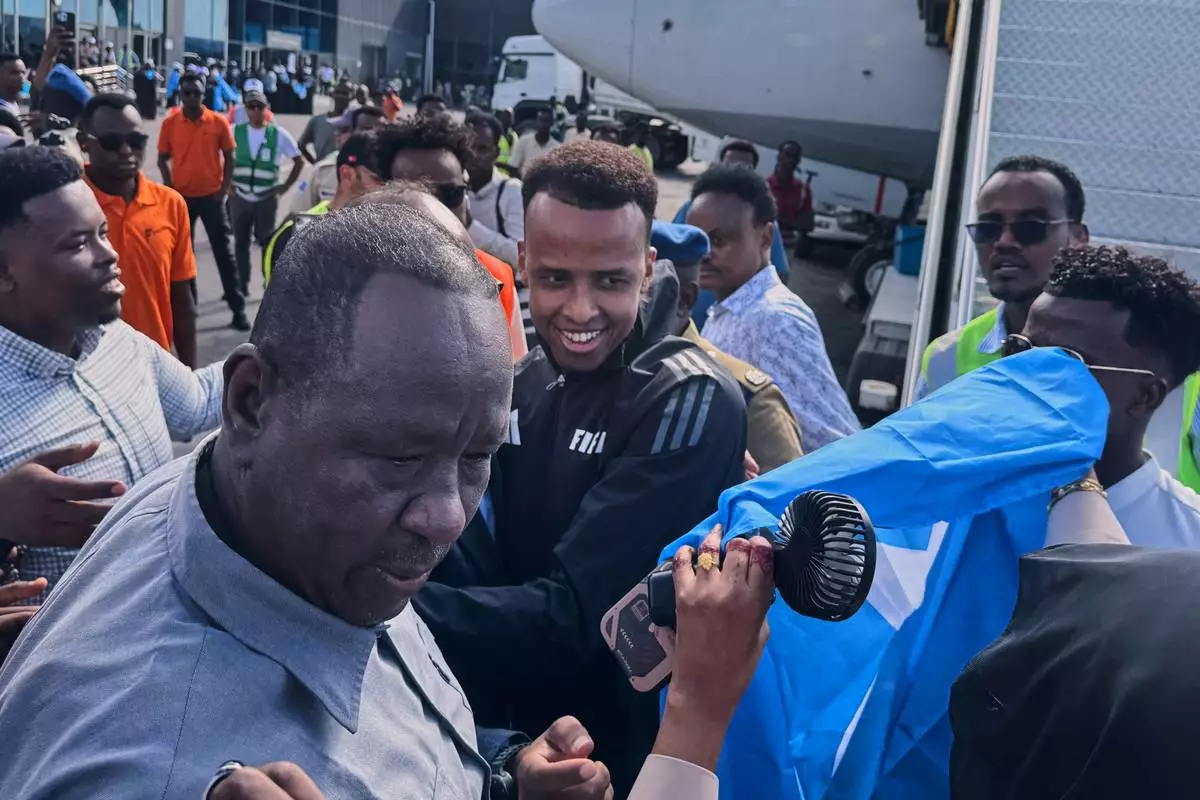
Referee Omar Artan, center, who was denied entry to the United States, is welcomed by supporters upon his arrival in Mogadishu, Somalia, Wednesday, June 10, 2026. (AP Photo/Farah Abdi Warsameh)
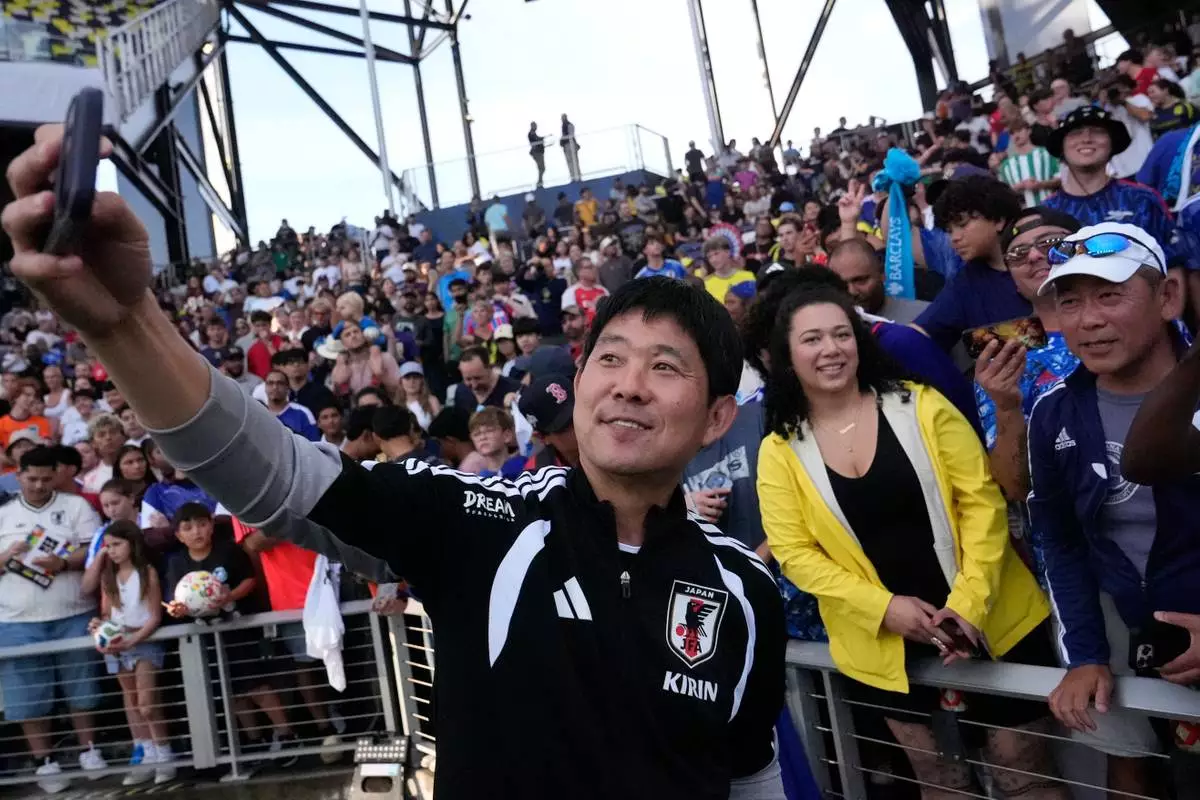
Japan head coach Hajime Moriyasu takes a picture with fans after a training session Monday, June 8, 2026, in Nashville, Tenn., ahead of the World Cup soccer tournament. (AP Photo/George Walker IV)
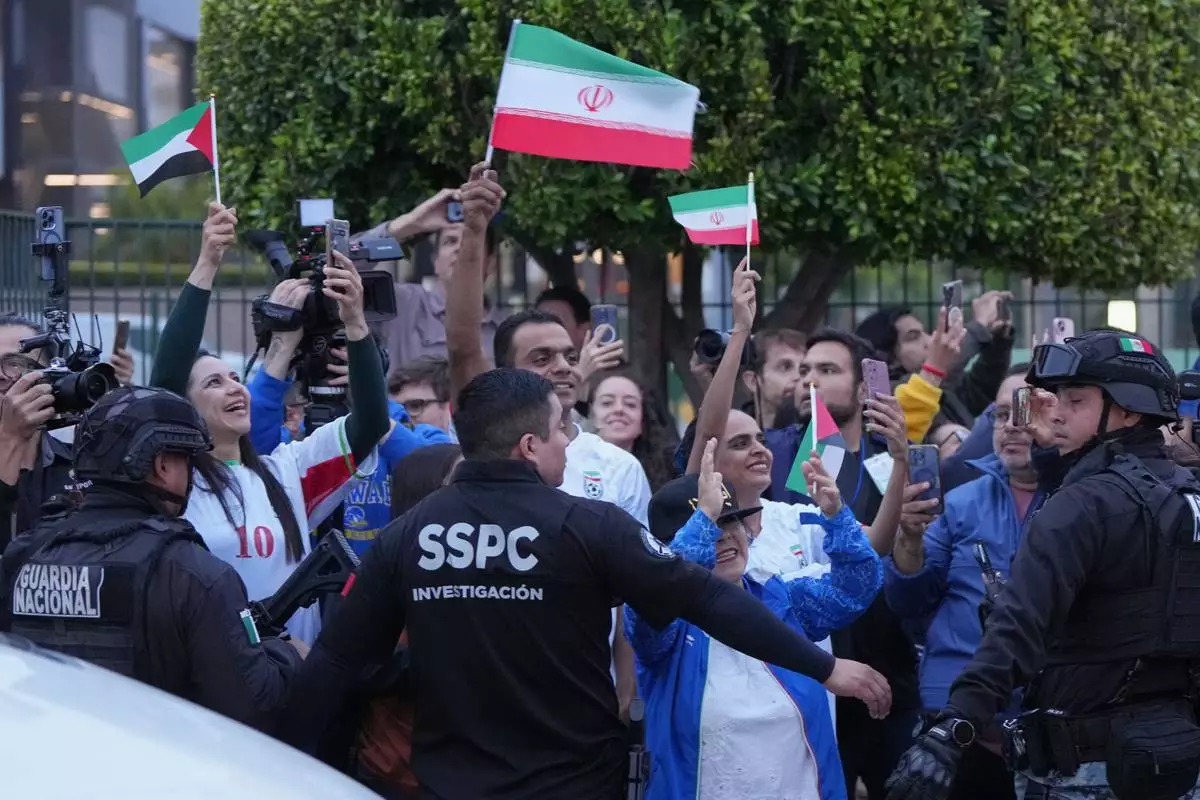
Fans for team Iran wave as players arrive for the World Cup soccer tournament in Tijuana, Mexico, Sunday, June 7, 2026. (AP Photo/Gregory Bull)
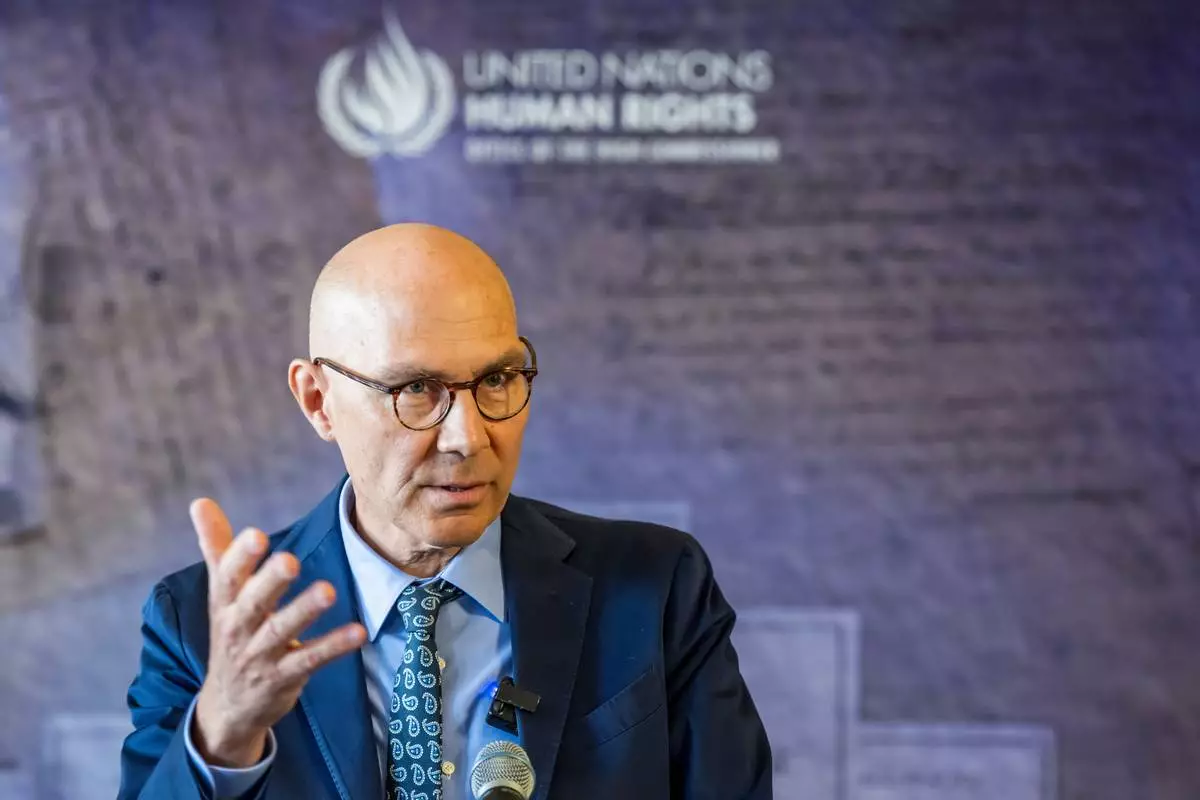
UN High Commissioner for Human Rights Volker Turk speaks to the media, at the Office of the United Nations High Commissioner for Human Rights (OHCHR) Palais Wilson, in Geneva, Switzerland, Wednesday, June 10, 2026. (Martial Trezzini/Keystone via AP)