SAN FRANCISCO (AP) — Anthropic will donate $150 million to launch a fellowship program that places people early in their careers with nonprofits around the country to help them use artificial intelligence more effectively in their work.
Claude Corps, named for the company’s popular AI chatbot, will hire and embed 1,000 fellows trained in the use of Claude at a wide range of organizations for a year. Anthropic President Daniela Amodei told The Associated Press the company hopes the program will expand and become a pillar of its strategy to help humankind realize the benefits of AI while also managing its risks.
Click to Gallery
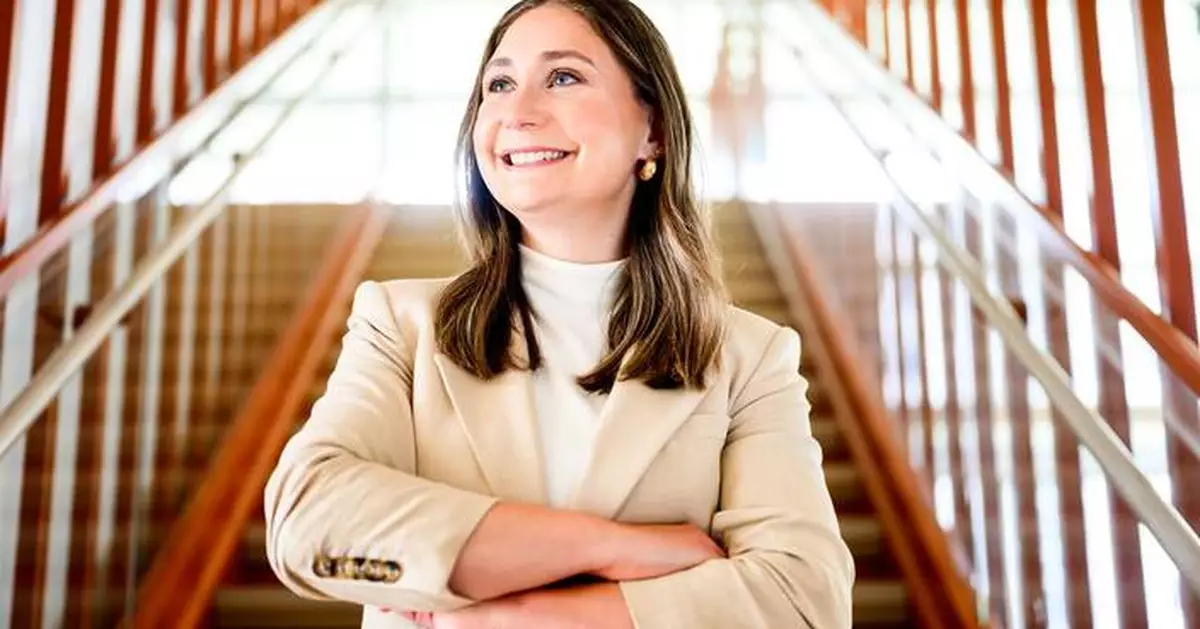
Anthropic co-founder and president Daniela Amodei stands for a portrait at her company's San Francisco headquarters on Friday, May 22, 2026. (AP Photo/Noah Berger)
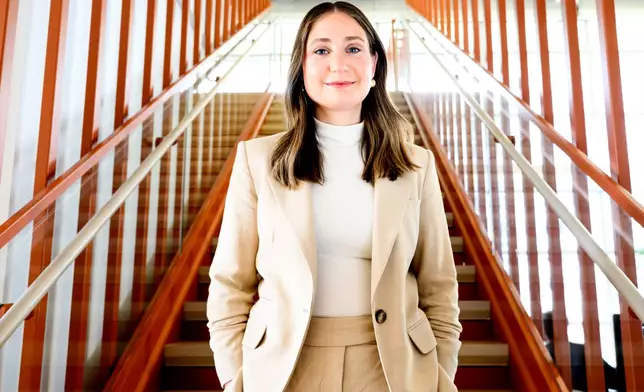
Anthropic co-founder and president Daniela Amodei stands for a portrait at her company's San Francisco headquarters on Friday, May 22, 2026. (AP Photo/Noah Berger)
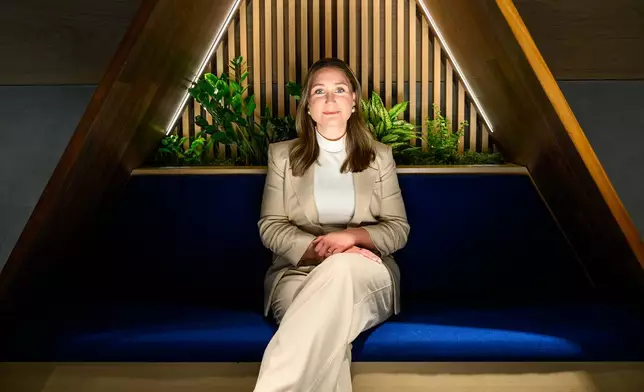
Anthropic co-founder and president Daniela Amodei sits for a portrait at her company's San Francisco headquarters on Friday, May 22, 2026. (AP Photo/Noah Berger)
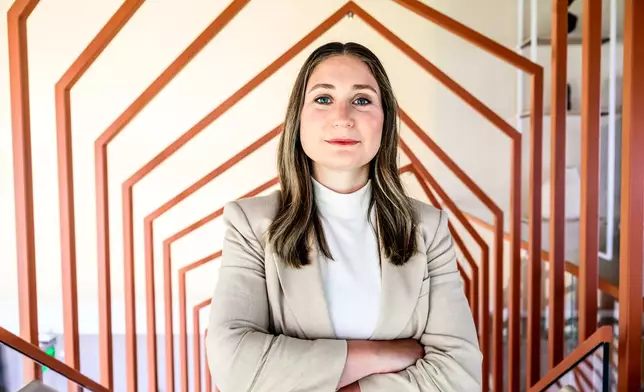
Anthropic co-founder and president Daniela Amodei stands for a portrait at her company's San Francisco headquarters on Friday, May 22, 2026. (AP Photo/Noah Berger)
Amodei said Claude Corps will be evaluated after its first year to see if it should continue and expand.
“We’re hoping it’s a good idea that can take root and that other people can build on and learn from, whether that’s public or private,” Amodei said in an interview at Anthropic headquarters in San Francisco. “But I think my hope is that we’ll learn, the people who do it will learn, and we’ll be able to come back and do it again next time even better.”
Anthropic's commitment includes paying the Claude Corps members and providing at least 400 host organizations with a $10,000 grant and free credits to use Claude.
Philanthropy is built into the way Anthropic’s co-founders believe the company should be run, Amodei said. Amodei, her brother Dario, who is Anthropic’s CEO, and the company’s five other co-founders have already pledged that they will donate 80% of their wealth. They established Anthropic as a public benefit corporation, a designation that for-profit companies select to balance financial goals and social impact.
Anthropic, which is valued at $965 billion, is moving toward going public on Wall Street, announcing earlier this month it submitted a confidential filing for an initial public offering.
Amodei, interviewed before the SEC filing, said she could not comment about IPO plans but said the company’s values are very clear to anyone looking to invest in it.
“There’s decisions and choices that we might make that might feel in conflict with just the pure commercial interests of the business and we’re going to be really open about that,” she said. “I think we have been very well served by our inclination to just be very honest about who we are because people who like that really like us. And for people, if it’s not what they like, they don’t work with us. And I think that’s actually better for everyone.”
Anthropic has been outspoken about the risks inherent to the breakthrough technology. It warned last week that companies should coordinate a way to pause development of advanced AI systems if humans risk losing control of the self-improving technology. It collaborated with Pope Leo XIV as he developed his encyclical on AI and the need for increased regulation. And it found itself in a high-profile fight with President Donald Trump’s administration when Anthropic refused to allow the U.S. military unrestricted use of its AI technology.
Amodei said Anthropic is an “unusual” company because its business teams and research teams are run separately.
“Sometimes research says things like ‘AI is doing bad things’ and we really want to be open about what those things are,” she said. “Because I don’t think there’s a way for the broader community that is the world to adapt to these changes if we don’t understand the challenges.”
Bella DeVaan, director of the Charity Reform Initiative at the progressive research organization the Institute of Policy Studies, said she is skeptical that any AI company will willingly set aside enough of its profits to support all the people affected by the adoption of AI.
“The fox can't guard the henhouse,” said DeVaan, who has studied the donations of the ultra-rich. “They can’t be responsible for their own regulation or for their own definition of what their altruistic mandate is. That has to be determined by the public.”
Like Pope Leo outlined in his encyclical, DeVaan is calling for more stringent government regulation of AI companies. Without government intervention, she worries AI will create a permanent underclass of workers. She said governments also need to do their own research about the potential benefits and harms of AI rather than leaving it up to the AI companies.
Anthropic announced separately Wednesday that it will donate $200 million to support an economic framework to help workers displaced by AI. It will start with investment into studying the issues created by AI adoption.
“We can’t understand what the societal disruption might look like if we don’t study it, publish it and talk about it,” Amodei said.
To create Claude Corps, Anthropic partnered with CodePath, the San Francisco-based nonprofit created to help first-generation and low-income students enter the tech workforce through higher education courses and career support.
CodePath CEO Michael Ellison said he had long been thinking about redesigning AmeriCorps to account for AI adoption. The federal agency for volunteer service was gutted by Trump administration cuts last year.
“I think we need programs that are meeting folks where they are when you’re looking at the traditional late adopters — from nonprofits to governments, to schools,” Ellison said. “We’re putting humans into the organizations that serve the majority of Americans as a way to bring them along and bring our communities along.”
He said CodePath will manage the initiative, which will accept fellowship applications through July 17. Ellison said the fellowship will be available to a wide range of young people early in their careers.
“We are intentionally trying to be extremely accessible,” he said. “We’re not requiring that you have a certain degree. We want the initial group of fellows to be representative of a broad section of the population in this country.”
Jennifer Blatz, CEO and president of StriveTogether, a Cincinnati-based nonprofit network that helps prepare young people for better economic opportunities, said she was thrilled her organization was chosen to host two Claude Corps fellows.
Though her nonprofit already uses AI to analyze some of the data it gathers on the impact of its programs, she hopes that Claude Corps can help standardize its usage in her organization and throughout its network, which spans 27 states. Blatz said she wants both her network and the people it supports to understand “AI is a tool – not the whole strategy.”
“AI can help us work smarter, but trust building and community collaboration, that’s a deeply human part of the work,” she said. “And that’s not going away just because we use this tool.”
Associated Press coverage of philanthropy and nonprofits receives support through the AP’s collaboration with The Conversation US, with funding from Lilly Endowment Inc. The AP is solely responsible for this content. For all of AP’s philanthropy coverage, visit https://apnews.com/hub/philanthropy.
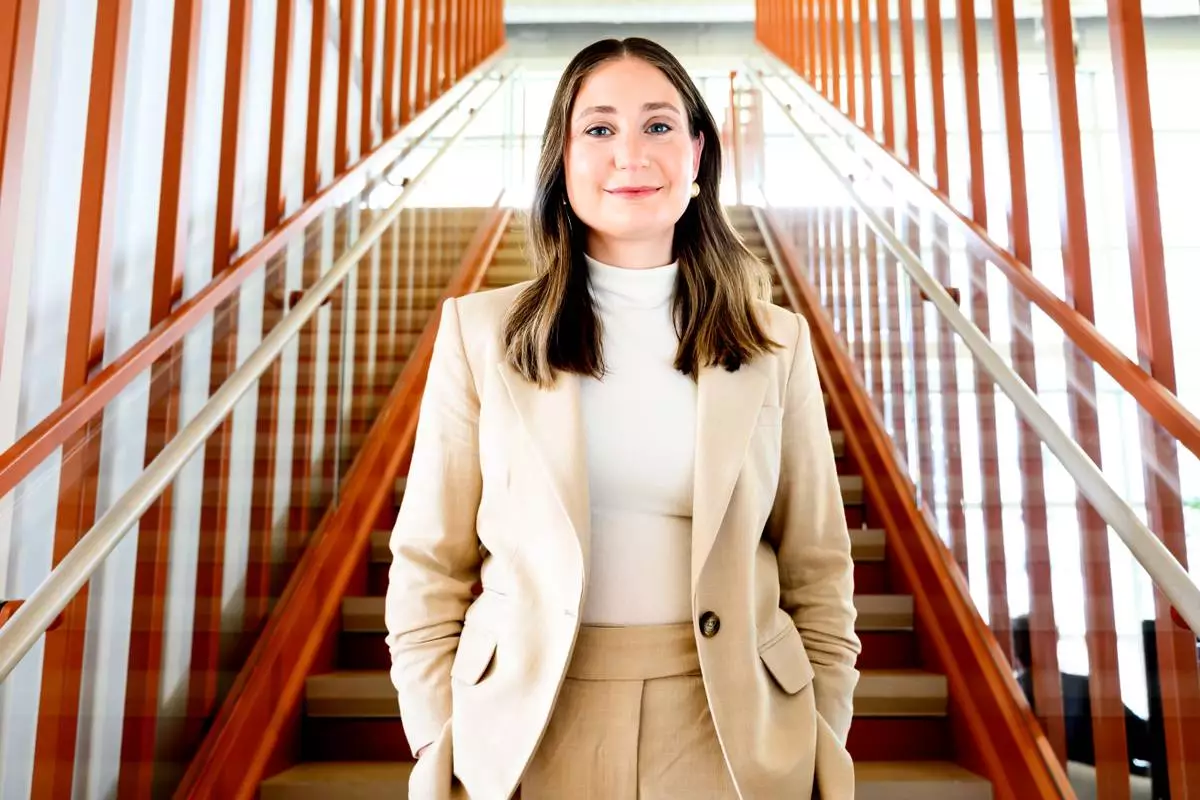
Anthropic co-founder and president Daniela Amodei stands for a portrait at her company's San Francisco headquarters on Friday, May 22, 2026. (AP Photo/Noah Berger)
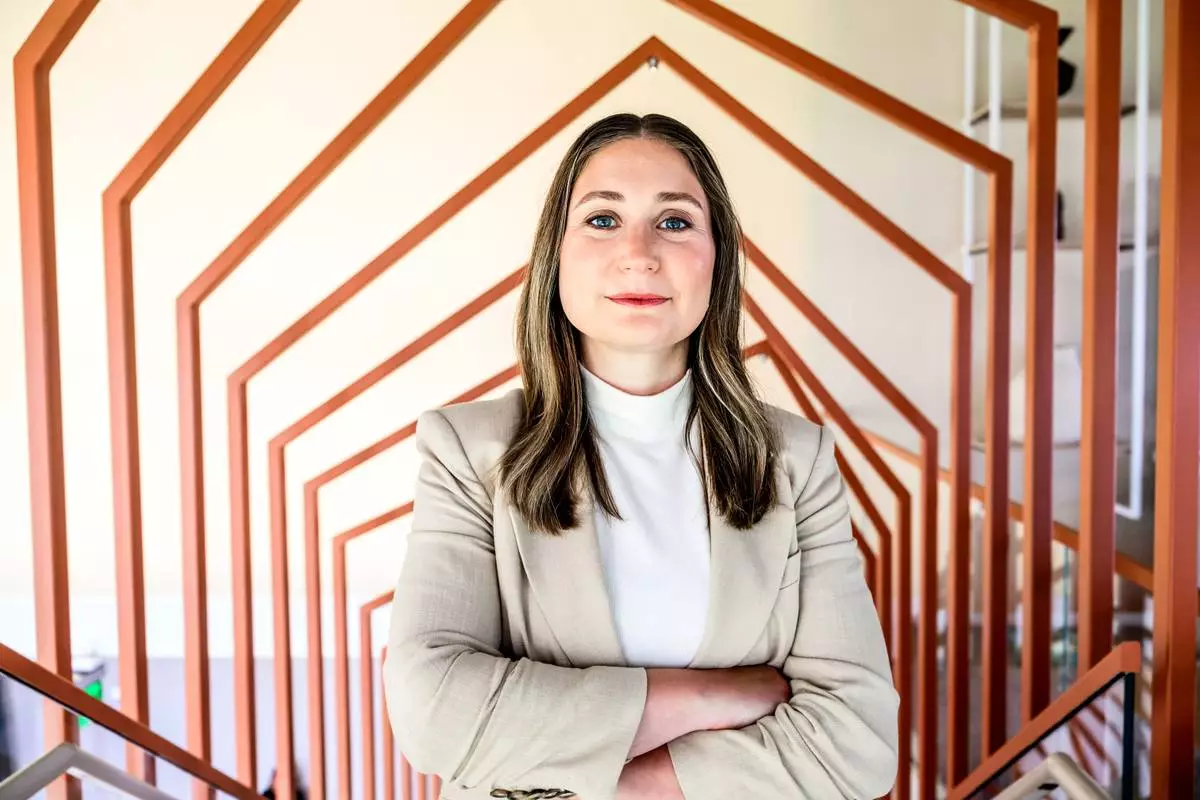
Anthropic co-founder and president Daniela Amodei stands for a portrait at her company's San Francisco headquarters on Friday, May 22, 2026. (AP Photo/Noah Berger)
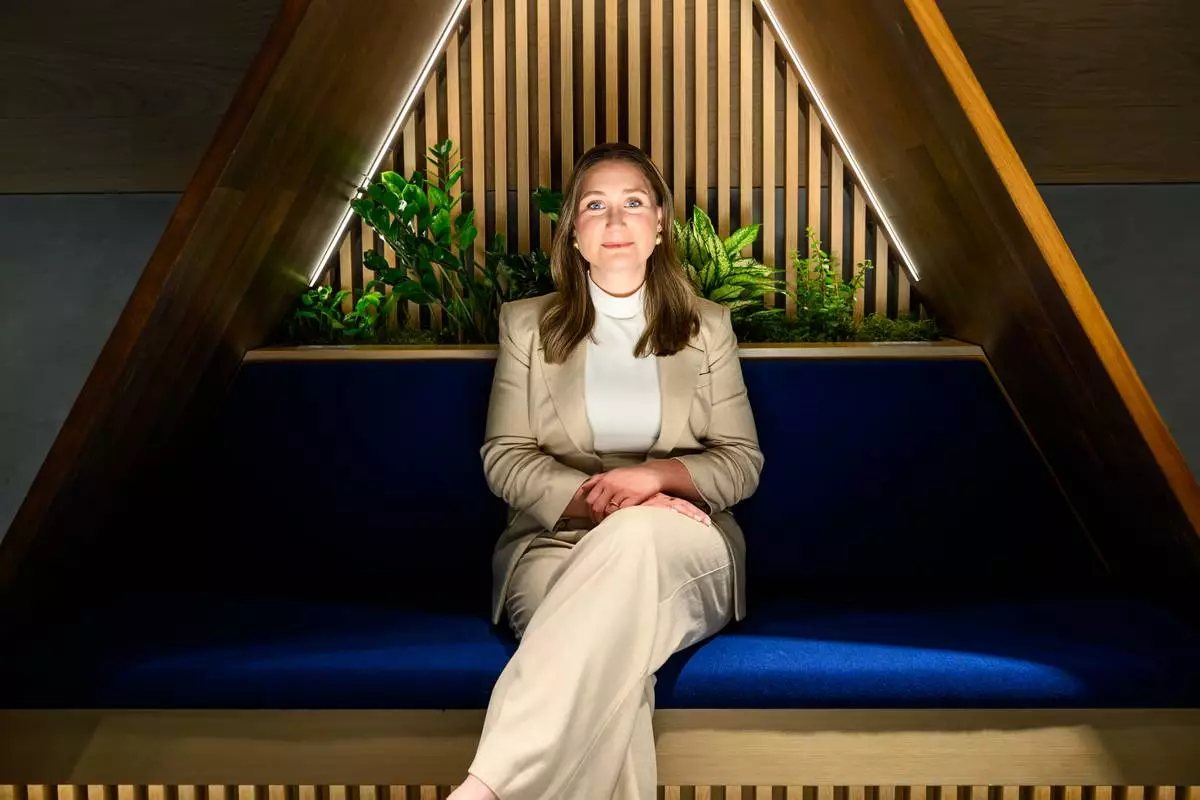
Anthropic co-founder and president Daniela Amodei sits for a portrait at her company's San Francisco headquarters on Friday, May 22, 2026. (AP Photo/Noah Berger)
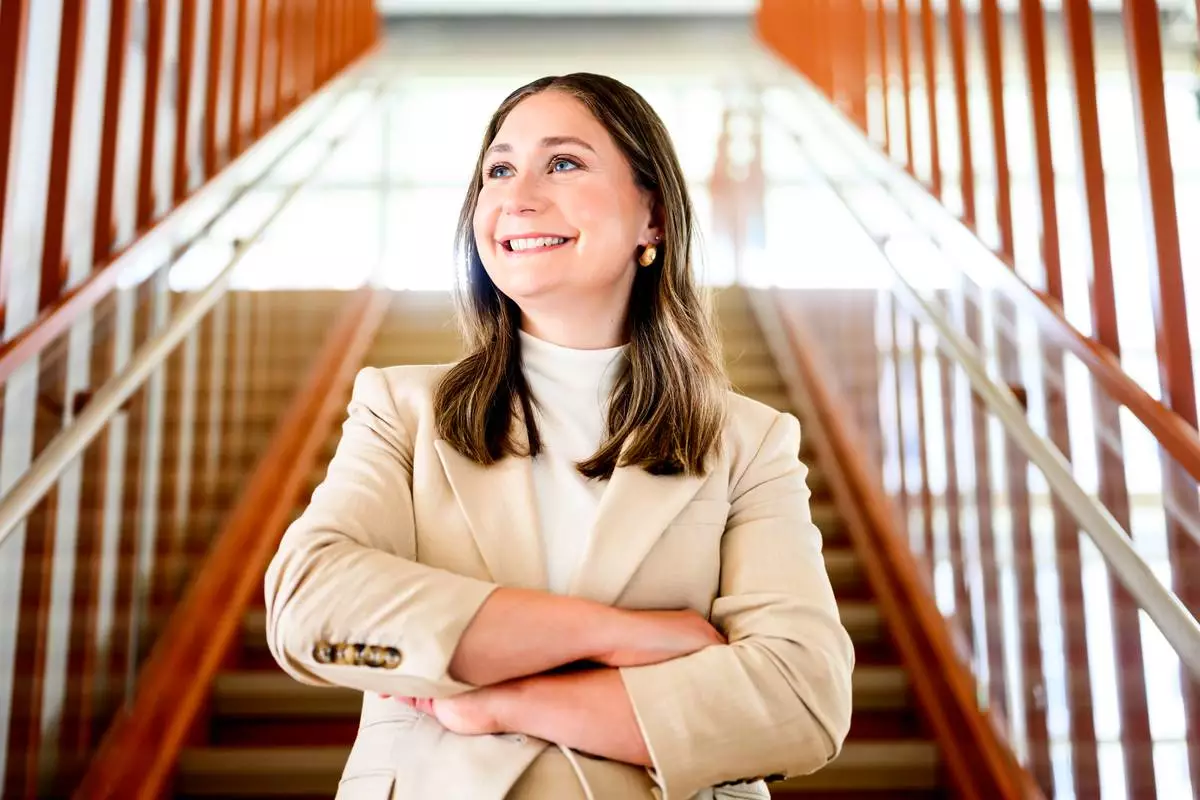
Anthropic co-founder and president Daniela Amodei stands for a portrait at her company's San Francisco headquarters on Friday, May 22, 2026. (AP Photo/Noah Berger)