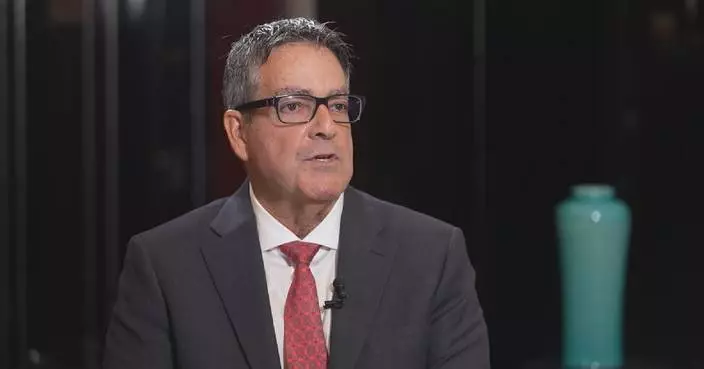
China's peace-oriented policies will continue to encourage countries to cooperate, as the benefits of shared development become increasingly apparent, said Shalva Papuashvili, Speaker of the Parliament of Georgia.
In an interview with China Media Group (CMG) aired on Friday, the speaker hailed the four global initiatives put forth by Chinese President Xi Jinping: the Global Development Initiative, the Global Security Initiative, the Global Civilization Initiative and the Global Governance Initiative.
In Papuashvili's view, each of the initiatives reflect the country's respect for international law and basic principles, which is especially valuable for countries like Georgia that have less influence on the world stage.
"Of course, we generally will support an initiative which is grounded and based on peaceful development of the world, and this is the dialogue, the international rules and law, that peaceful settlement of all disputes and other principles which should be shared between the countries. We are supporters of any kind of the initiatives which are on the basis of these principles. Look, Georgia is a small country. 'Small,' with the meaning the influence, possibility to influence the international developments. We are heavily dependent on international law, dependent that every country respects international law, that every country respects the basic principle that all disputes should be settled within a peaceful manner," he said.
The parliament speaker said that the Chinese approach to world affairs will earn growing respect from more and more global players.
"For me and for us, for Georgia, it's important to see where are those powers who support peaceful development, who support international rule and law. And I think China, with its, I would say, historically-developed stance towards peace, towards international law, shows that the development of a country, for big countries, can be achieved also without using force, threatening force or thinking that the only meaning of being a global power is somehow being seen as a big military power," he said.
"China shows that with the peaceful policy, one can attract, one can show that someone where the country is dedicated not only of development of itself, but development of the region around, development of the whole world, because we are part of the world, which, if there is one problem or conflict on one side of the continent or one side of the globe, it at the end will reflect also on the other side. So therefore, China's peace policy -- let's call it so -- is something which I think will be respected more and more from different players globally," he added.
Papuashvili also noted that China's initiatives aim at benefiting the world, calling for different countries to work together and share the results of development.
"You can see it internally in the country, but you can also see it in the cooperation of different countries that's united. And with shared development, you can achieve more than when you are single and concentrated only on yourself," he said.
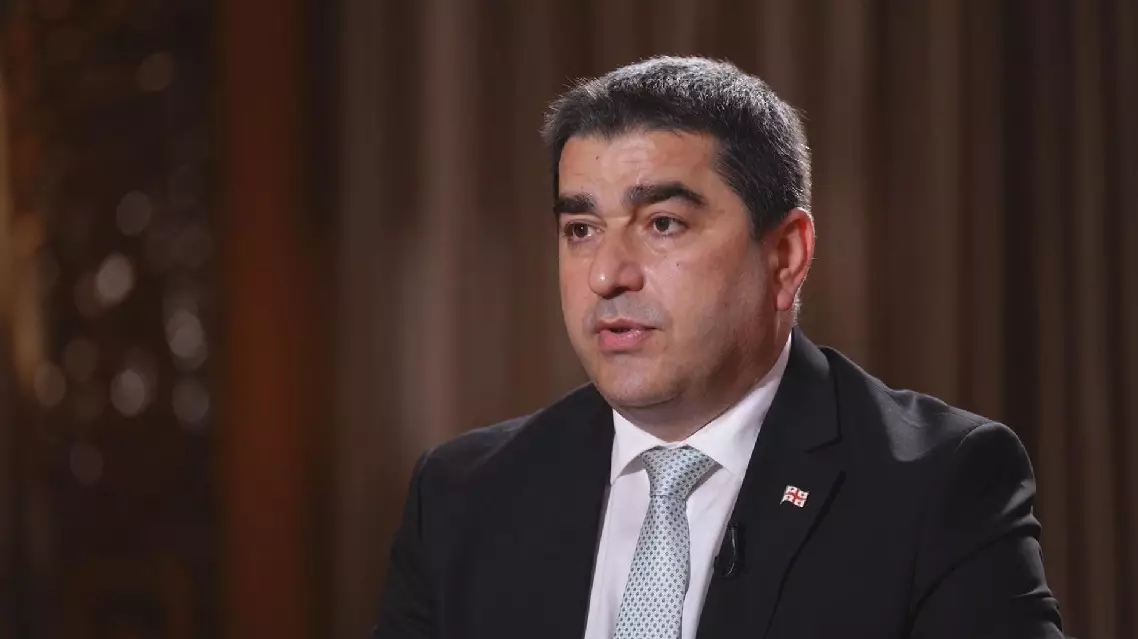
China's peace-oriented policies to spur cooperation among more countries: Georgian Parliament Speaker
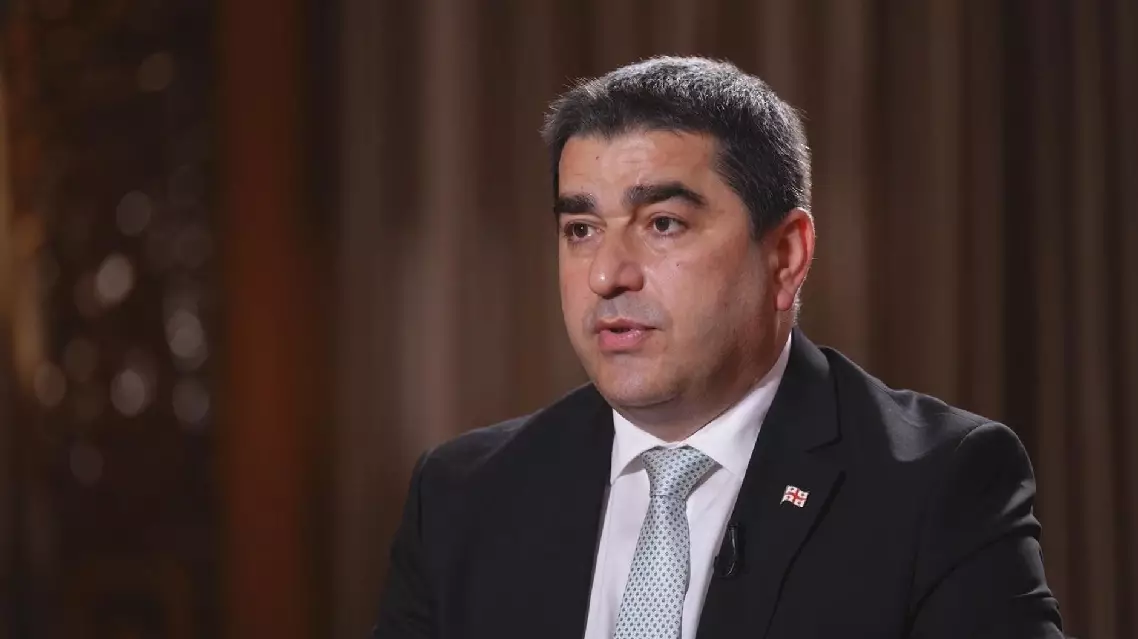
China's peace-oriented policies to spur cooperation among more countries: Georgian Parliament Speaker