Dazzling exhibits on display at the ongoing China-South Asia Expo, ranging from vibrant handicrafts and flavorful snacks to elegant home decor, highlight rich cultural and commercial diversity of the region.
The 10th China-South Asia Expo kicked off on Thursday in Kunming City, capital of southwest China's Yunnan Province. The event has put an emphasis on enhancing regional trade and industrial cooperation under the theme "Solidarity and Coordination for Common Development."
The six-day event has attracted participants from 68 countries, regions and international organizations. Over 560 companies from South Asian countries are taking part in the event. Over 1,500 professional buyers have registered, with overseas buyers, including those from 45 countries such as Germany, Brazil and Egypt, making up more than 60 percent of the total.
Visiting the pavilions at the expo is like embarking on a journey across the region. Visitors can explore a diverse array of products, each offering a glimpse into the unique cultures, traditions, and lifestyles of different nations.
Bangladesh is serving as the theme country this year, taking center stage at the expo.
"We produce eco-friendly jute products and also diversified products, all are eco-friendly and biodegradable products," said MD Golam Mortuza, a Bangladeshi exhibitor.
"We're looking for potential partnership with our kind with our pharmaceutical company, so that we can come together and maybe we can export a lot of medicines to whoever needs [them]," said Nairita Nahrin Barisha, another Bangladeshi exhibitor.
As a special partner country, Laos has sent a strong delegation to this year's expo.
As connectivity continues to improve driven by the China-Laos Railway, more Lao products, including its renowned coffee, are expected to gain greater access to the Chinese market.
"The weather there is ideal because Paksong is neither too hot nor too cold. Farmers also don't use pesticides. When harvesting coffee, we pick the coffee cherries by hand rather than using machines, because machines can't tell the ripe cherries from the unripe ones," said Ketkeo Siphakham, a Lao exhibitor.
Diplomats from across the region are also helping promote their countries' signature products through livestreaming and other activities.
"We have been the largest trading partner for the last 17 consecutive years. I believe that is going to grow more between Malaysia and China and particularly with Yunnan as well, because I believe that there's always different types of opportunities in every province and municipality. And we just have to continue to explore what opportunities that could be beneficial for both sides," said Muhamad Akmal Abdul Wahab, consul general of Malaysia in Kunming.
Beyond traditional products, the expo is also highlighting China's latest technological innovations and emerging industries, which are serving as increasingly important engines of cooperation between China and its regional partners.
"These technologies, tools and instruments, which are green and digital. What distinguishes China from other countries is China has made available these technologies and tools at scale and at costs which are affordable. So that means that even developing countries, they can also benefit from these technologies," said Khalil Hashmi, Pakistani ambassador to China.
Having been successfully held nine times, the China-South Asia Expo has facilitated over 3,000 project signings and foreign trade worth more than 100 billion U.S. dollars. China has now become the largest trading partner of Pakistan, Bangladesh, Sri Lanka and the Maldives. In 2025, trade volume between China and South Asian countries surpassed 200 billion dollars, up 10.7 percent year on year.
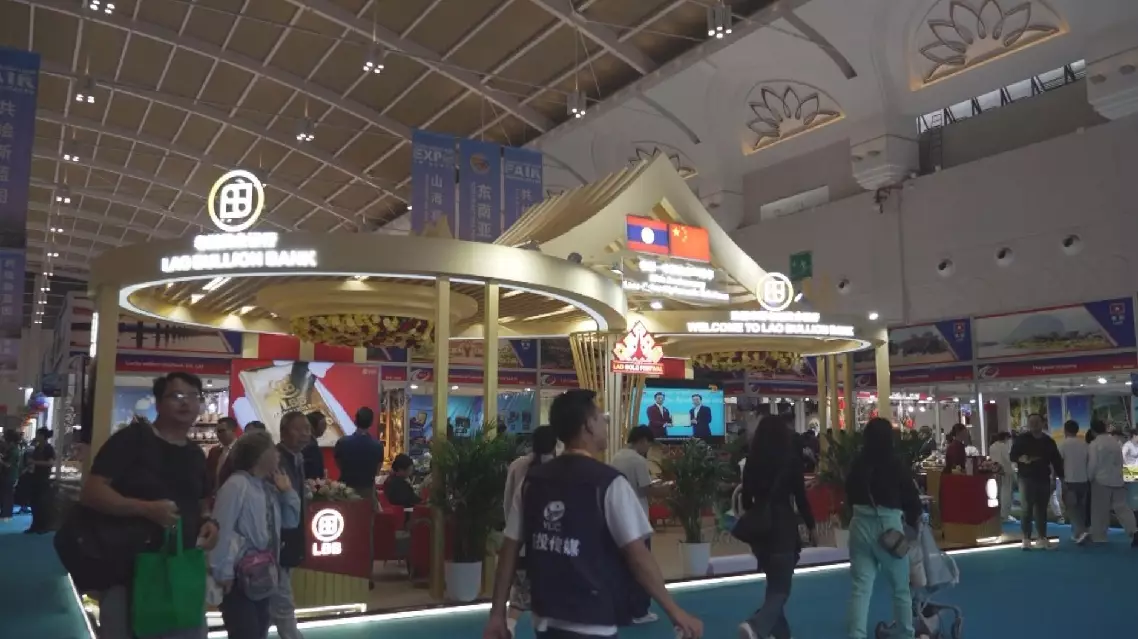
China-South Asia Expo highlights rich cultural, commercial diversity