Skip to Content Facebook Feature Image

Zaporizhzhia nuclear plant says transport workshop damaged in Ukrainian attack

China

China

China

Zaporizhzhia nuclear plant says transport workshop damaged in Ukrainian attack

2026-06-14 09:38 Last Updated At:11:37

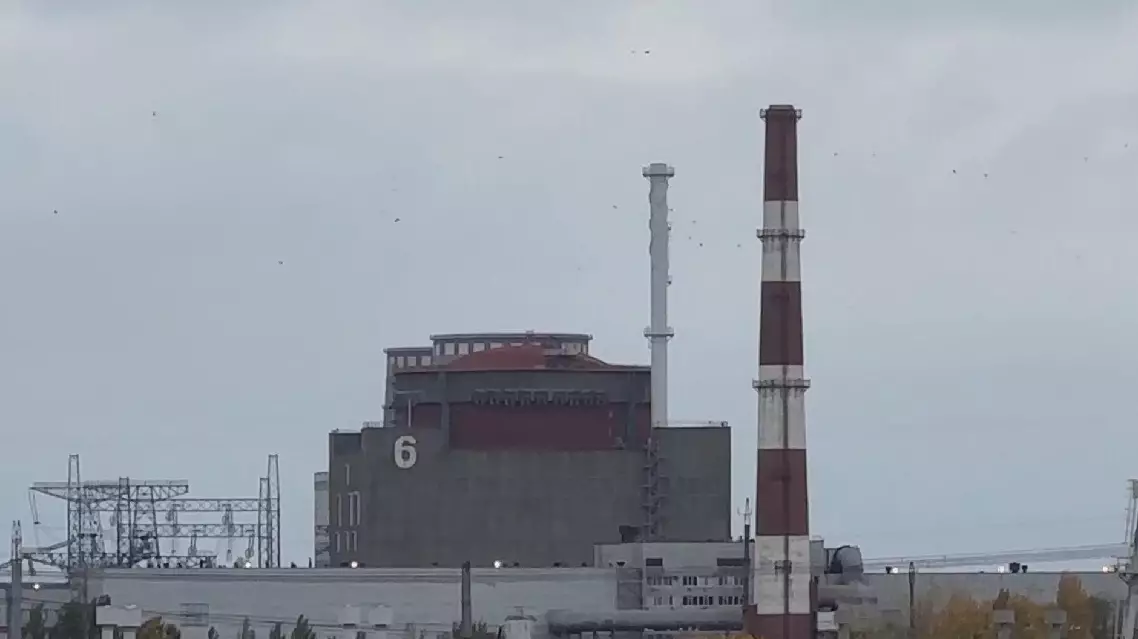
The Zaporizhzhia Nuclear Power Plant on Saturday said its transport workshop was damaged as the Ukrainian Armed Forces attacked "again."

"As a result of the strikes, three cars were damaged, two of which were completely destroyed by fire. The refueling pumps and the glazing of the workshop building were also damaged," the plant said on social media, adding that Ukrainian forces continued their attempts to disrupt its personnel delivery system and logistics supply chain.

Despite the strike, the plant remains under full operational control, it said, adding that "the plant's safe operation is ensured, and all necessary systems are functioning normally. Radiation levels within the plant and its surrounding area remain within normal limits."

As Europe's largest nuclear facility, the power plant has repeatedly experienced disruptions of external power supply since the escalation of the Russia-Ukraine conflict.
Zaporizhzhia nuclear plant says transport workshop damaged in Ukrainian attack
Zaporizhzhia nuclear plant says transport workshop damaged in Ukrainian attack

Zaporizhzhia nuclear plant says transport workshop damaged in Ukrainian attack

Zaporizhzhia nuclear plant says transport workshop damaged in Ukrainian attack

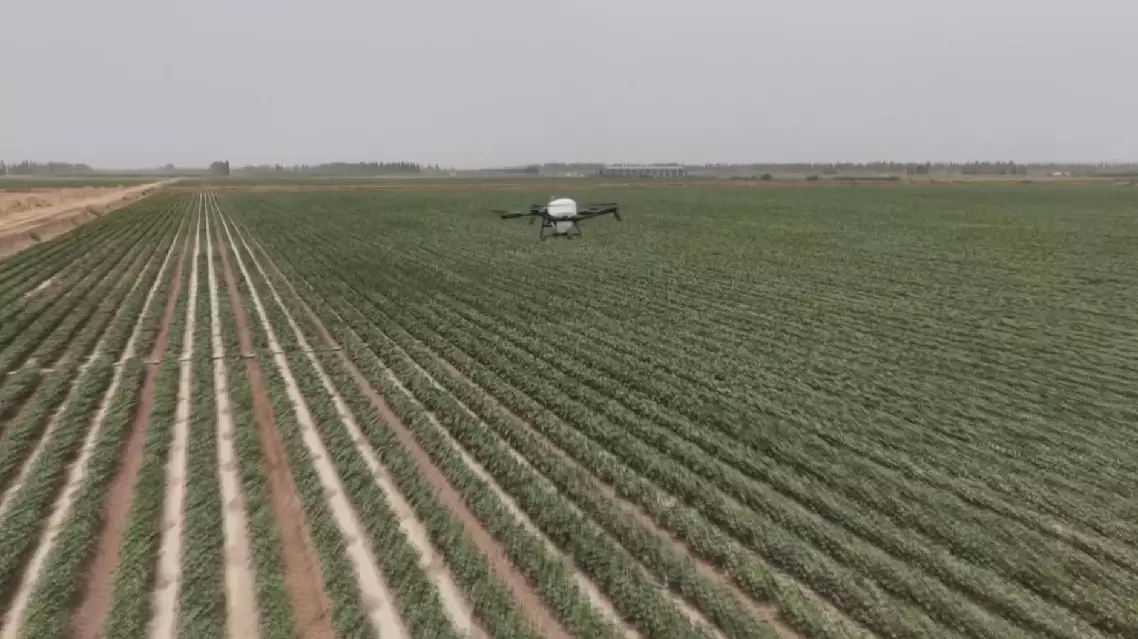
Farmers in Aksu City, northwest China's Xinjiang Uygur Autonomous Region, are employing drones and a smart irrigation system to support the healthy growth of over 80,000 hectares of cotton at its critical budding stage.

The budding stage is when cotton forms flower buds, laying the foundation for blooming. Priorities in field management at this stage include pest control, growth stabilization, and bud promotion.

Farmers use drones equipped with the BeiDou Navigation Satellite System to cover up to 133 hectares a day, while an integrated water-fertilizer system enables precise, automated field management.

"Once the fertilizer is applied, little labor is needed; it goes directly into the soil," said Wang Guibin, a farmer.

Aksu City has planted over 180,000 hectares of cotton this year, and the budding stage is expected to end by late June. In early July, the cotton fields will enter the flowering and boll-setting stage, during which topping operations will be carried out.

Drones support cotton growth at budding stage in China's Xinjiang

Drones support cotton growth at budding stage in China's Xinjiang

Recommended Articles