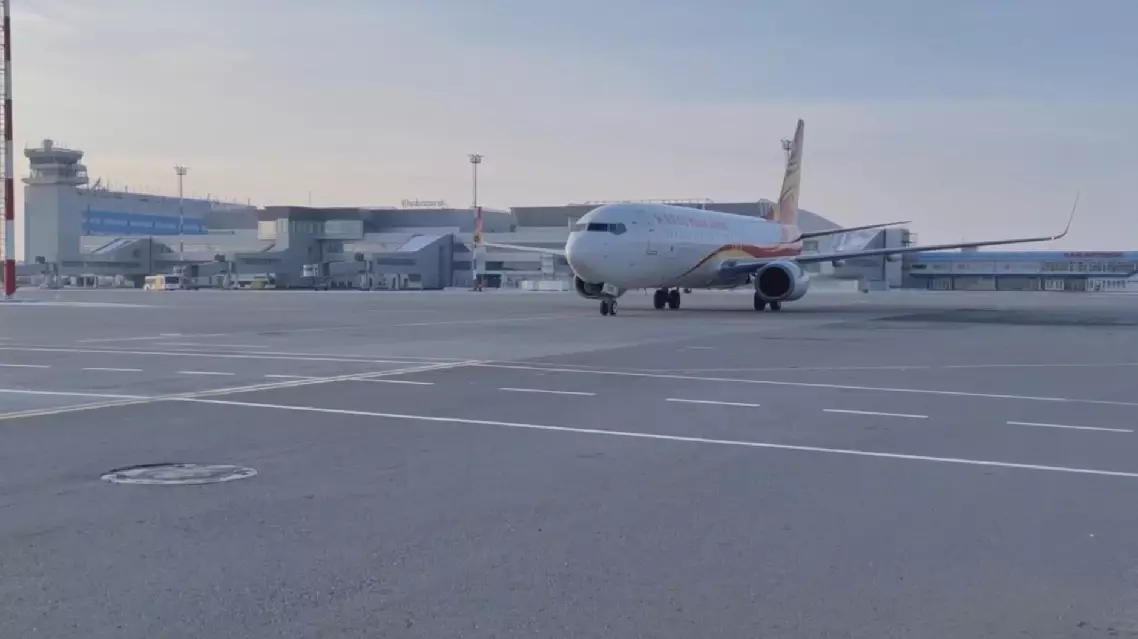
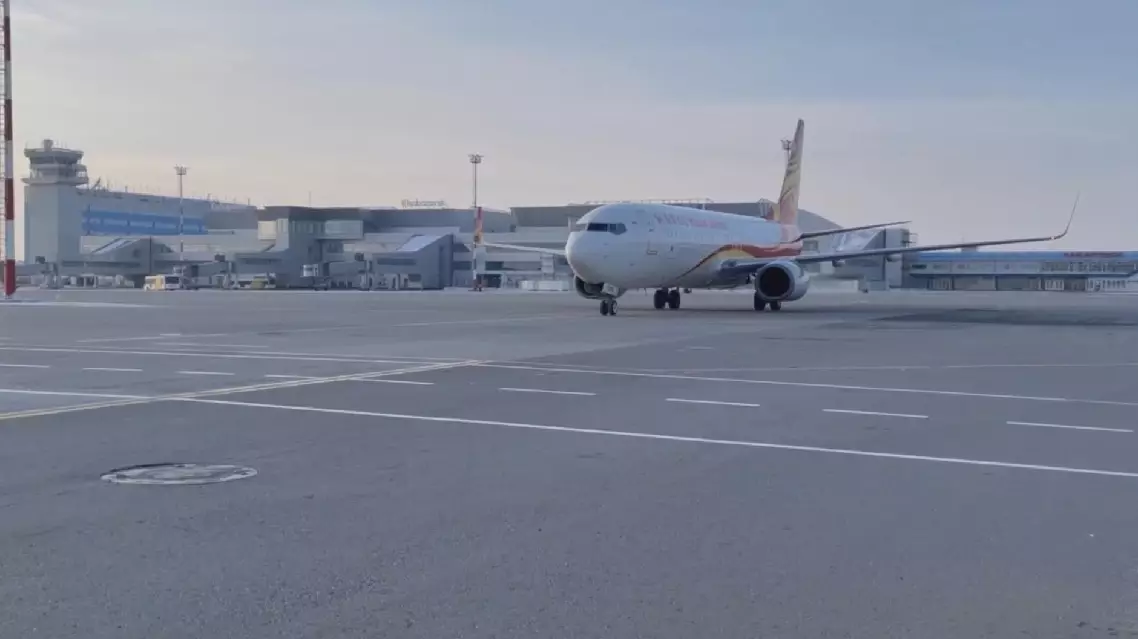
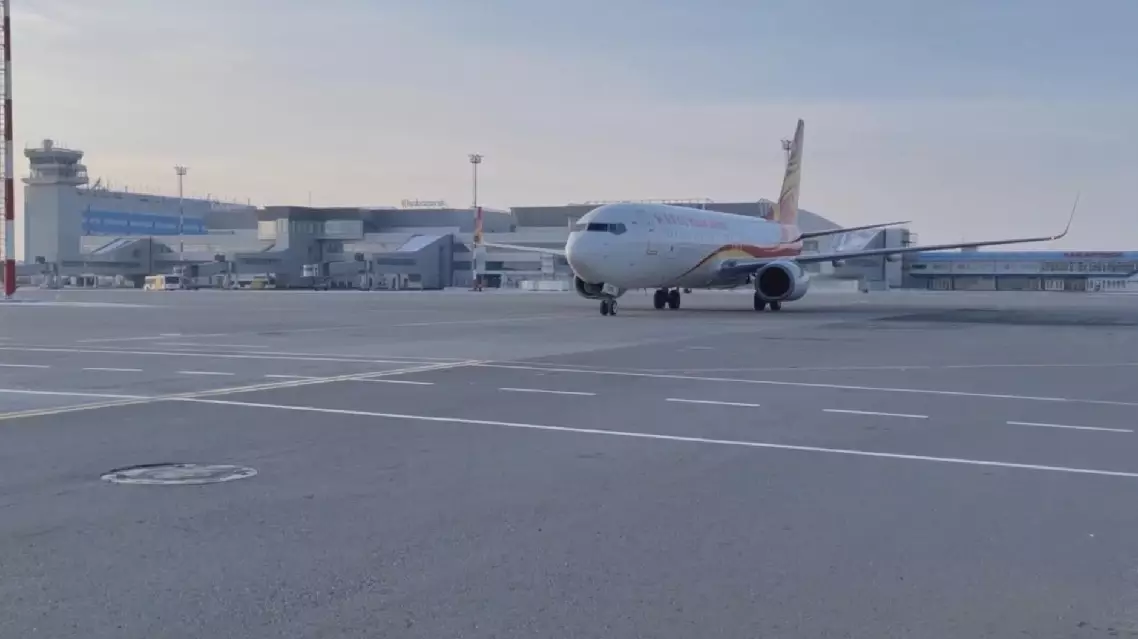
Russia's Federal Air Transport Agency Rosaviatsiya has introduced restrictions on aircraft refueling for foreign airlines at several airports across the country after overseas carriers increasingly purchased excess fuel to reduce operating costs, local media reported Saturday.
Rosaviatsiya said in a statement that foreign airlines are now required to coordinate fuel purchases with local suppliers, and refueling volumes must not exceed the amount necessary for the planned flight. The measures apply to airports in the cities of Mineralnye Vody, Makhachkala and Nizhny Novgorod, among others.
In a bid to reduce operating expenses, foreign carriers are refueling at Russian airports in volumes far exceeding their actual flight needs, which is impacting local fuel supply planning and logistics, said the agency.
The move comes amid growing volatility in global fuel markets. Tensions in the Middle East have disrupted shipping through the Strait of Hormuz, a key waterway for oil and liquefied natural gas exports from the Gulf countries, driving up global fuel prices and triggering aviation fuel shortages.
In early June, the Russian government introduced a ban on the export of aviation kerosene, including fuel purchased through exchange trading, which will remain in effect until Nov. 30.
Russia imposes fuel limits on foreign airlines at airports
Russia imposes fuel limits on foreign airlines at airports
Russia imposes fuel limits on foreign airlines at airports
By leveraging the Shanghai Science and Technology Film City, Shanghai is forging a full-chain AI film ecosystem that covers computing power, data, models, and application scenarios, thus driving the integrated development of "film plus technology."
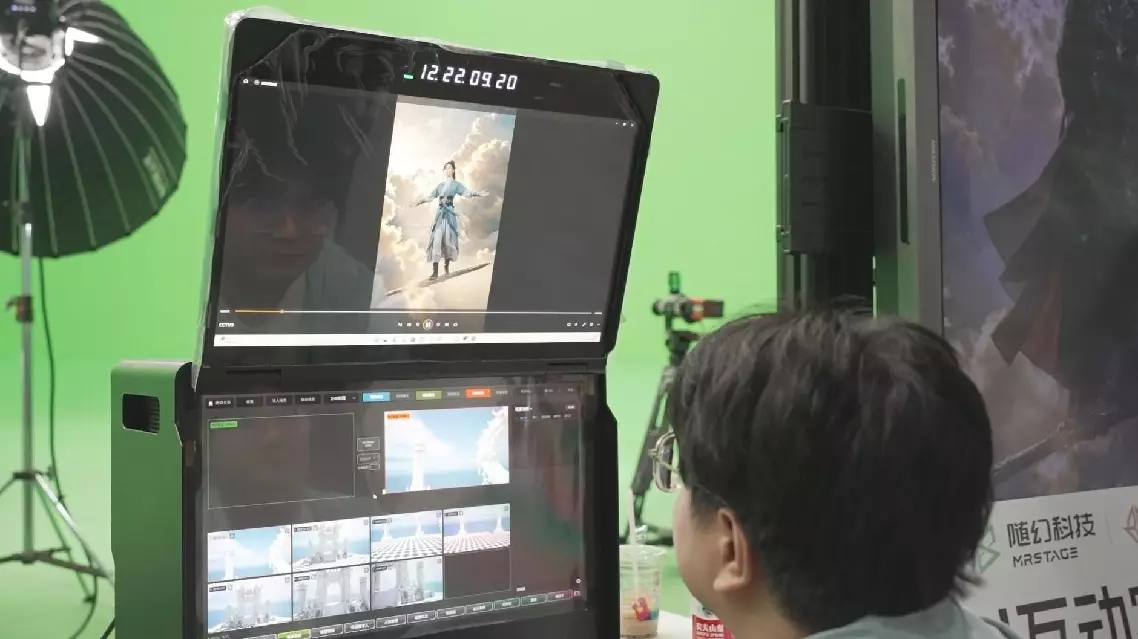
At a workshop during this year's Shanghai International Film Festival (SIFF), staff showed how a green screen and virtual studio can create a video of someone flying on a sword in only 10 minutes, a process that once took hours or even days.
"Our new AI workflow can bypass the tedious process of creating 3D assets. We only need a simple white model to position the actor within the scene. Then, AI takes care of everything, including integration of lights and shadows, computer-generated visual effects, and traditional manual production, dramatically improving efficiency," said Wang Yi, marketing director of a Shanghai-based virtual production technology company.
Technological innovation, continuous upgrades, and the pursuit of quality have become industry standards for filmmakers and television producers.
"What we're working on now is using a full AI workflow to adapt a classic black-and-white movie into a short drama series of 60 episodes, each about two to three minutes long. With the rapid improvement of large language model capabilities, on the production side, we can complete a short drama project of over 100 minutes in just about two months," said Yu Xin, a person in charge of a company based at the Shanghai Science and Technology Film City AI Creation Ecosystem Center.
Located in Songjiang District, the Shanghai Science and Technology Film City houses over 8,000 film and TV enterprises, forming a full-chain AI ecosystem that covers computing power, data, models, and application scenarios.
"The AI Creation Ecosystem Center has attracted more than 50 companies over the past year and secured over 50 million yuan in commercial commissions. Moving forward, we will provide support not only in terms of computing power and funding but also through talent-related policies," said Zhao Huiying, director of the Songjiang District Culture and Tourism Bureau.
Shanghai drives 'film plus technology' with AI ecosystem